Pasteurized Eggs 101: Everything You Need to Know
Eggs are a kitchen staple, cherished for their versatility and nutritional value. But have you ever heard of pasteurized eggs? While most of us are familiar with pasteurized milk or juice, pasteurized eggs aren’t as commonly discussed, yet they play a vital role in food safety and certain culinary techniques. This in-depth guide covers what pasteurized eggs are, why you should consider them, how they are made, when to use them, and practical storage tips.
What Are Pasteurized Eggs?
Pasteurized eggs are eggs that have been gently heated in their shells to a specific temperature, held for a precise amount of time, and then cooled. This process kills bacteria and viruses such as Salmonella and avian influenza without cooking the egg or changing its properties. After pasteurization, these eggs look, taste, and cook almost identically to regular eggs, making them an excellent choice for both everyday meals and special recipes that require raw or undercooked eggs.
How Do Pasteurized Eggs Differ from Regular Eggs?
- Safety: Pasteurized eggs have a reduced risk of carrying pathogens like Salmonella, making them safer for raw consumption.
- Appearance: Pasteurized eggs may appear slightly different, typically with a cloudier egg white compared to regular eggs, but the difference is minor.
- Usage: They can be used just like standard eggs in all recipes, including boiling, scrambling, frying, and baking.
Why Do We Pasteurize Eggs?
The main reason is food safety. Raw or undercooked eggs can harbor harmful bacteria, most notably Salmonella. Consuming contaminated eggs can lead to food poisoning, which can be serious, especially for certain at-risk groups:
- People with weakened immune systems (such as those undergoing chemotherapy or with chronic illnesses)
- Pregnant women
- Young children
- Elderly individuals
For these groups, even a mild case of food poisoning can quickly become dangerous. That’s why pasteurized eggs are often recommended if you need to use raw eggs in your cooking, such as in homemade Caesar dressing, mayonnaise, aioli, ice cream base, tiramisu, or for anyone who enjoys sneaking spoonfuls of raw cookie dough.
Common Scenarios Where You Might Need Pasteurized Eggs
- Preparing dishes that call for raw or softly cooked eggs
- Baking recipes where egg safety is paramount
- Medical considerations due to compromised immune systems
- Serving food to children or the elderly
How Are Eggs Pasteurized?
In commercial facilities, eggs are pasteurized in the shell using a carefully controlled process:
- Washing: Eggs are first washed to remove any surface contaminants.
- Heating: The eggs are placed in a warm water bath and heated to around 140°F (60°C) for several minutes. The temperature is precisely controlled so it’s high enough to destroy bacteria but not so high as to coagulate (cook) the egg proteins.
- Cooling: Eggs are quickly cooled to prevent further cooking and preserve the raw egg’s natural texture and taste.
This delicate process ensures both the safety and quality of the egg.
Pasteurized Eggs vs. Regular Eggs: At a Glance
| Feature | Pasteurized Eggs | Regular Eggs |
|---|---|---|
| Safety from Bacteria | Reduced risk (Salmonella killed in-shell) | Risk of Salmonella if consumed raw/undercooked |
| Texture & Taste | Almost identical, slightly cloudier whites | Traditional egg taste and appearance |
| Uses | Safe for all recipes, especially raw/partly cooked | Best for fully cooked dishes |
| Location in Store | Near regular eggs in refrigerated section | Standard egg display |
| Price | Often somewhat higher | Usually less expensive |
When Should You Choose Pasteurized Eggs?
Pasteurized eggs aren’t strictly necessary for all uses. If you plan to fully cook your eggs (boiling, baking, scrambling, frying), regular eggs are generally adequate since heat from cooking will kill most pathogens. However, you should opt for pasteurized eggs when recipes or dietary needs call for:
- Raw or partially cooked eggs in dressings (Caesar, aioli), sauces (hollandaise, béarnaise), drinks (eggnog, some cocktails), or desserts (uncooked ice cream base, tiramisu).
- Serving anyone with a weakened immune system, children, or pregnant individuals.
- Indulging in raw cookie dough or cake batter samples before baking.
Using Pasteurized Eggs: What to Expect
You can use pasteurized eggs just like you would any regular egg. For most people, the differences are virtually unnoticeable, but bakers may observe that pasteurized eggs sometimes have a slightly cloudier white and may whip up a bit less than unpasteurized equivalents—though the change is minimal for home cooking.
Tips for Using Pasteurized Eggs
- Whisking or beating: For meringues or soufflés, allow them to reach room temperature first for better volume.
- Substitution: Replace one-for-one in all recipes calling for eggs.
- Storage: Keep pasteurized eggs refrigerated, just like regular eggs, for best quality and safety.
- Cracking: They crack and separate with the same ease as non-pasteurized eggs.
How to Identify Pasteurized Eggs in Stores
Pasteurized eggs are widely available in most supermarkets, especially in larger cities. To find them:
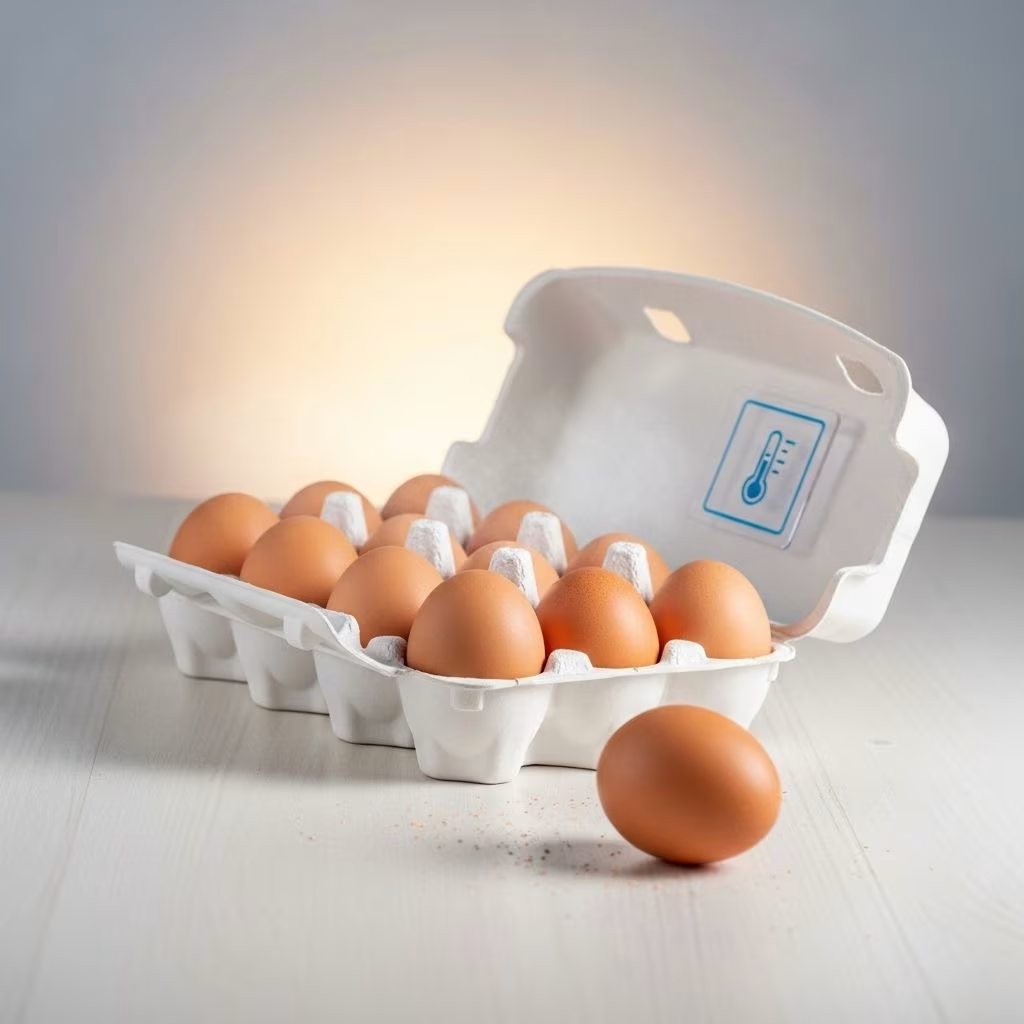
- Check the egg section in the refrigerated aisle—pasteurized eggs are often sold alongside regular eggs.
- Look for labels such as “pasteurized” printed prominently on the carton.
- Popular brands may include pasteurized offerings, especially those catering to bakers, restaurants, or health-conscious consumers.
If you’re unsure, ask a store associate or check the packaging closely. Pasteurized eggs are generally sold in standard dozen-egg cartons or as liquid egg products.
Can You Pasteurize Eggs at Home?
Commercial pasteurization is highly precise; replicating it at home is challenging and not always recommended. However, if you want to attempt it, here’s a general guideline (use caution; results cannot be guaranteed for food safety):
- Place eggs in a saucepan and cover with water at about 140°F (60°C).
- Keep water temperature constant (use a digital thermometer) and heat eggs for 3–5 minutes, depending on size.
- Immediately transfer eggs to cold water to stop further heating.
Remember, the risk of under-pasteurizing or overcooking is high with home methods.
Storage and Handling of Pasteurized Eggs
Proper storage ensures both safety and freshness:
- Refrigerate at or below 40°F (4°C)—this applies to both regular and pasteurized eggs in the United States.
- Check for Cracks: Discard any eggs with visible cracks before storing.
- Use the Original Carton: The best way to store eggs is in their carton, not in open trays, to protect them and allow reference to expiration dates.
- Shelf Life: Pasteurized eggs generally have a similar (sometimes slightly longer) shelf life to conventional eggs when kept cold.
- Keep in the Coldest Part: For optimal freshness, store eggs in the main body of your refrigerator rather than the door.
Can Pasteurized Eggs Sit Out?
Just like regular eggs, pasteurized eggs should not sit at room temperature for longer than 2 hours. Prolonged exposure to temperatures above 40°F (4°C) increases the risk of bacterial growth.
Pasteurized Eggs in Recipes: Unlocking Culinary Possibilities
Pasteurized eggs are essential for recipes and dishes that would otherwise pose a risk due to raw or only gently cooked eggs. Here are some classic ideas:
- Homemade Caesar salad dressing
- Chocolate mousse and other no-bake desserts
- Ice cream bases (that are not cooked)
- Tiramisu and other custard-based recipes
- Eggnog and some specialty cocktails
- Hollandaise or Béarnaise sauces
- Eating raw cookie dough
Because pasteurized eggs are heated just enough to ensure safety but not enough to cook the proteins, they act and taste almost exactly like normal eggs in these culinary creations.
Frequently Asked Questions About Pasteurized Eggs
What does “pasteurized” really mean on an egg carton?
It means the eggs have gone through a specific, gentle heating process that destroys dangerous bacteria while preserving the egg’s liquid, uncooked state.
Can I use pasteurized eggs for all my usual recipes?
Absolutely. Pasteurized eggs can be used in place of regular eggs in every dish, whether baking, scrambling, frying, or poaching is involved.
Do pasteurized eggs taste different?
Most people notice little to no difference. Where you might see a change is in the cloudiness of the whites or slightly different results in recipes needing whipped egg whites, but for general home use, the difference is negligible.
Is it safer to eat foods with raw or undercooked eggs if I use pasteurized eggs?
Yes. Pasteurized eggs greatly reduce the risk of foodborne illnesses associated with raw or undercooked eggs. This is especially valuable for dressings, sauces, and desserts where the eggs don’t get fully cooked.
Can I freeze pasteurized eggs?
You can freeze eggs, both pasteurized and regular. For best quality, crack and beat the eggs before freezing. Use within one year for peak flavor and texture.
What are signs an egg (pasteurized or not) has gone bad?
- Off or rotten smell when cracked open
- Noticeable discoloration of yolk or egg white
- Significant cracks or leakage in the shell
- Floating in water (an old egg will float when submerged)
Are pasteurized eggs available everywhere?
They’re increasingly common, especially in larger or specialty supermarkets. If you don’t see them next to the regular eggs, ask the store manager—they may be with specialty or premium eggs.
Try This: No-Cook Chocolate Coconut Almond Ice Cream
One delicious way to use pasteurized eggs is in a no-cook ice cream base—which is smooth, creamy, and safe for everyone. Simply whisk together pasteurized eggs with condensed milk, coconut milk, cocoa powder, vanilla, and your favorite mix-ins. Freeze in a chilled bowl and enjoy immediately!
Key Takeaways
- Pasteurized eggs offer added safety for recipes using uncooked or lightly cooked eggs.
- They are a smart choice for vulnerable groups (children, elderly, immunocompromised, pregnant women).
- Despite a slightly cloudier egg white, pasteurized eggs act, taste, and cook like traditional eggs in most recipes.
- Always refrigerate pasteurized eggs, and do not leave them at room temperature for prolonged periods.
- Look for “pasteurized” label in the egg section for worry-free cooking in both everyday and special recipes.