The Story Behind Penne a la Betsy
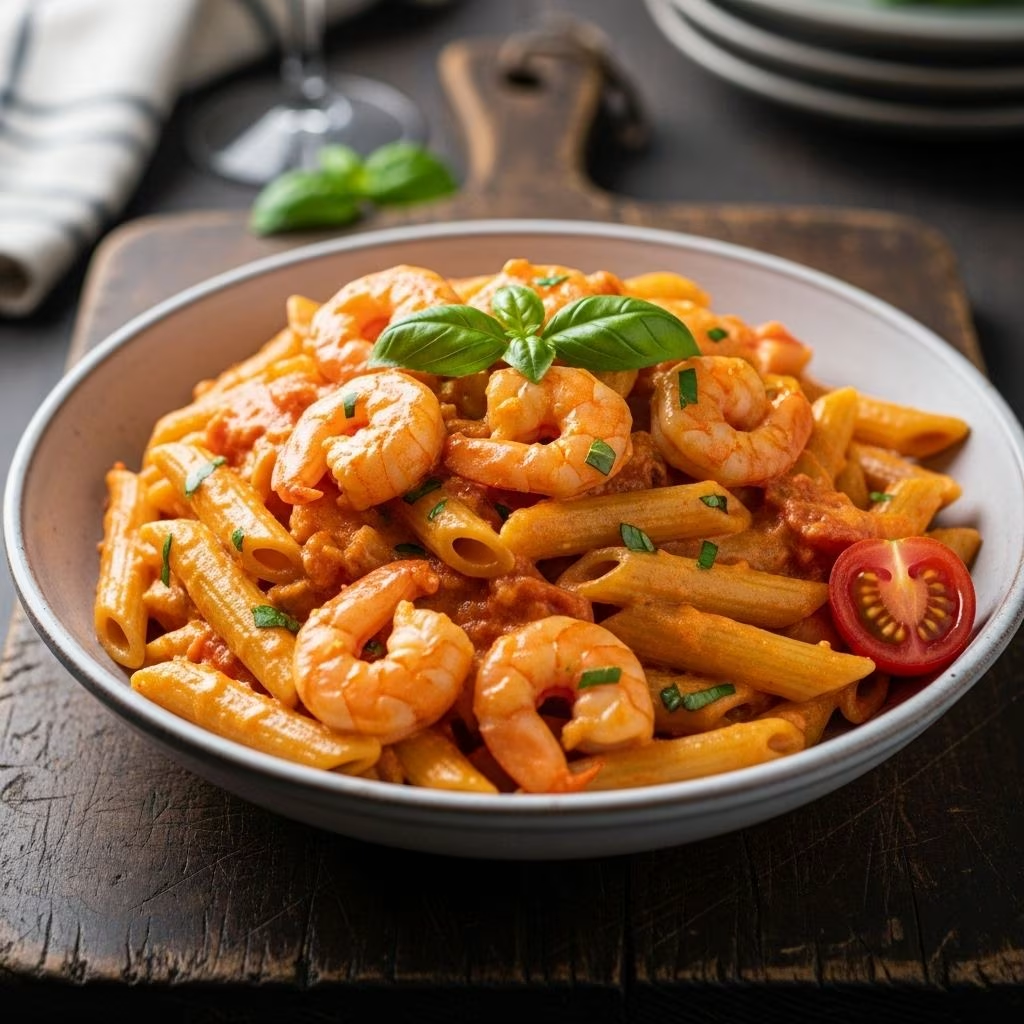
Penne a la Betsy stands as one of the most beloved recipes from Ree Drummond’s culinary repertoire, representing the perfect marriage of simplicity and sophistication. This pasta dish has captured the hearts of home cooks across the country with its unbeatable combination of succulent shrimp, rich tomato sauce, luxurious cream, aromatic garlic, white wine, and fresh herbs. The recipe embodies everything that makes The Pioneer Woman’s cooking so appealing: straightforward techniques that yield restaurant-quality results.
Named after Ree’s friend Betsy, this dish has become a signature recipe that demonstrates how a few quality ingredients can create something truly spectacular. What makes this recipe particularly special is its ability to transform everyday pantry staples into an elegant meal that’s suitable for both casual weeknight dinners and special occasions. The creamy tomato base provides the perfect canvas for plump shrimp, while fresh basil and parsley add bright, herbaceous notes that elevate the entire dish.
Essential Ingredients for Perfect Results
The beauty of Penne a la Betsy lies in its carefully curated ingredient list, where each component plays a crucial role in creating the final symphony of flavors. Understanding these ingredients and their functions will help you achieve the best possible results every time you prepare this dish.
The Protein Foundation
The star of this dish is undoubtedly the jumbo shrimp, ideally weighing about one pound, though you can use up to 1.5 pounds for those who prefer a chunkier, more protein-rich version. The shrimp should be peeled and deveined, ensuring they cook evenly and present beautifully in the final dish. When selecting shrimp, opt for the largest size you can find, as they’ll hold their shape better during cooking and provide satisfying bites throughout the pasta.
The Pasta Component
Penne pasta forms the structural backbone of this recipe, and cooking it to the perfect al dente texture is crucial. The tubular shape of penne is ideal for capturing and holding the creamy sauce, while its firm texture provides a pleasant contrast to the tender shrimp. One pound of pasta is typically sufficient, but always cook slightly more than you think you’ll need, as the pasta will absorb some of the sauce during the final combining process.
Building the Flavor Base
The aromatic foundation begins with butter and olive oil, each contributing its unique characteristics to the dish. The butter provides richness and helps create a silky mouthfeel, while the olive oil adds depth and prevents the butter from burning during the sautéing process. A full cup of diced onion creates sweetness and body, while two minced garlic cloves contribute the essential savory notes that make this dish so irresistible.
The Liquid Elements
White wine plays a crucial role in deglazing the pan and adding complexity to the overall flavor profile. Three-quarters of a cup provides sufficient liquid to lift the fond from the bottom of the pan while contributing acidity that balances the richness of the cream. The tomato sauce, typically from an 8-ounce can, forms the backbone of the sauce, providing both color and concentrated tomato flavor that pairs beautifully with the seafood.
Heavy cream is what transforms this from a simple pasta dish into something luxurious and restaurant-worthy. One cup creates the perfect creamy consistency, though you can reduce this to half a cup if you prefer a lighter version that still maintains the essential creaminess.
Step-by-Step Cooking Instructions
Preparing Your Ingredients
Success with Penne a la Betsy begins with proper preparation. Start by bringing a large pot of salted water to a vigorous boil for the pasta. While the water heats, focus on preparing your aromatics. Dice the onion into uniform, small pieces to ensure even cooking, and mince the garlic cloves thoroughly to distribute their flavor throughout the dish.
Prepare your shrimp by ensuring they’re completely thawed if previously frozen, patted dry, and at room temperature. This ensures even cooking and prevents the shrimp from releasing excess moisture into the pan, which could dilute your sauce.
Cooking the Shrimp
Heat one tablespoon each of butter and olive oil in a large skillet over medium-high heat. The combination of these fats provides the best cooking medium, with the olive oil preventing the butter from burning while the butter adds flavor. When the pan is properly heated and the butter has stopped foaming, add the shrimp in a single layer.
Cook the shrimp for approximately 2 minutes per side, or until they just begin to turn opaque. The key here is to slightly undercook them, as they’ll finish cooking when added back to the sauce later. Overcooking at this stage will result in tough, rubbery shrimp in the final dish. Remove the cooked shrimp to a plate and set aside to cool slightly before chopping.
Building the Sauce Foundation
In the same skillet, add the remaining butter and olive oil if needed. Add the diced onion and minced garlic, stirring frequently to prevent burning. Cook for about 3 minutes, or until the onion becomes translucent and fragrant. This process develops the aromatic base that will permeate the entire dish.
Pour in the white wine and allow it to bubble and reduce for about 45 seconds to 1 minute. This step removes the harsh alcohol while concentrating the flavors and creating a more complex sauce base. The wine will also help deglaze the pan, lifting any browned bits that add extra flavor to your sauce.
Creating the Creamy Tomato Sauce
Add the tomato sauce to the pan, stirring to combine with the wine reduction and aromatics. Allow this mixture to simmer briefly before slowly adding the heavy cream while stirring continuously. This gradual incorporation prevents the cream from curdling and ensures a smooth, homogeneous sauce.
Reduce the heat to low and let the sauce gently simmer, allowing the flavors to meld and the sauce to thicken slightly. The sauce should coat the back of a spoon but remain fluid enough to coat the pasta evenly.
Final Assembly
While the sauce simmers, chop the cooked shrimp into bite-sized pieces, removing any remaining tails. Add the chopped shrimp back to the sauce, stirring gently to avoid breaking them apart further. The residual heat will warm the shrimp through without overcooking them.
Add the cooked, drained pasta to the skillet, tossing gently to coat every piece with the creamy sauce. If the sauce seems too thick, add a splash of pasta cooking water or milk to achieve the desired consistency. The starch in pasta water is particularly effective at helping the sauce adhere to the pasta.
The Importance of Fresh Herbs
Fresh herbs are what elevate Penne a la Betsy from good to extraordinary. The recipe calls for fresh basil and flat-leaf parsley, each contributing distinct flavor profiles that complement the creamy tomato base and seafood.
Fresh basil provides a sweet, slightly peppery flavor with hints of mint and anise. When cutting basil, use the chiffonade technique: stack the leaves, roll them tightly, and slice them into thin ribbons. This method prevents bruising and maintains the herb’s vibrant color and flavor.
Fresh parsley, preferably flat-leaf rather than curly, adds a bright, clean flavor that cuts through the richness of the cream sauce. Roughly chop about a quarter cup, including some of the tender stems, which contain concentrated flavor.
Add the herbs just before serving to preserve their bright color and fresh taste. The residual heat from the pasta and sauce will gently warm them, releasing their essential oils without wilting them completely.
Recipe Variations and Customizations
Protein Alternatives
While shrimp is traditional, you can substitute other seafood such as scallops, crab meat, or even a combination of different shellfish. For those who prefer poultry, diced chicken breast or thighs work well, though they’ll require slightly longer cooking times.
Sauce Modifications
The cream content can be adjusted based on dietary preferences or desired richness. Using half-and-half instead of heavy cream creates a lighter version, while adding a splash of the pasta cooking water helps maintain creaminess. Some cooks enjoy adding a tablespoon of tomato paste for deeper tomato flavor and richer color.
Vegetable Additions
Consider incorporating vegetables such as cherry tomatoes, baby spinach, or roasted red peppers for additional color, nutrition, and flavor complexity. These should be added during the last few minutes of cooking to maintain their texture and vibrant appearance.
Serving Suggestions and Presentation
Penne a la Betsy is substantial enough to serve as a complete meal, but it pairs beautifully with a simple green salad dressed with lemon vinaigrette to cut through the richness. Crusty Italian bread or garlic breadsticks complement the dish perfectly, providing texture contrast and helping to soak up any remaining sauce.
For wine pairings, consider a crisp Pinot Grigio or Sauvignon Blanc, which will complement the seafood without overwhelming the delicate flavors. A light Chardonnay with minimal oak also works well, especially one with good acidity to balance the cream sauce.
Storage and Reheating Tips
Leftover Penne a la Betsy can be stored in the refrigerator for up to three days. When reheating, add a splash of milk or cream to revive the sauce, as dairy-based sauces tend to separate and thicken when chilled. Reheat gently over low heat, stirring frequently to prevent the shrimp from becoming overcooked and tough.
For best results, slightly undercook the pasta if you plan to have leftovers, as it will continue to absorb liquid during storage and reheating.
Frequently Asked Questions
Q: Can I make Penne a la Betsy without wine?
A: Yes, you can omit the wine entirely or substitute it with additional chicken broth or even a splash of lemon juice for acidity. The dish will still be delicious, though it will lack some of the complexity that wine provides.
Q: What’s the best way to prevent the cream sauce from curdling?
A: Add the cream slowly while stirring continuously, and keep the heat at medium-low. Avoid boiling the sauce once the cream is added, as high heat can cause separation.
Q: Can I use frozen shrimp for this recipe?
A: Absolutely! Just make sure to thaw the shrimp completely and pat them dry before cooking. Frozen shrimp often work just as well as fresh for this preparation.
Q: How do I know when the shrimp are perfectly cooked?
A: Shrimp are done when they turn pink and opaque throughout. They should curl slightly but not form tight circles, which indicates overcooking.
Q: Can I prepare any components of this dish ahead of time?
A: You can prep the vegetables, cook the shrimp, and even make the sauce base ahead of time. However, it’s best to combine everything and add the herbs just before serving for optimal flavor and texture.
References
- https://www.food.com/recipe/penne-a-la-betsy-pioneer-woman-recipe-329910
- http://dallasduobakes.com/2011/07/dinner-tonight-penne-all-betsy.html
- https://www.thepioneerwoman.com/food-cooking/recipes/a11085/penne-a-la-betsy/
- https://www.youtube.com/watch?v=enRRFJoTd5c
- https://clclt.com/eatmycharlotte/archives/2010/04/28/the-pioneer-womans-penne-a-la-betsy