Phirni: The Quintessential North Indian Rice Pudding
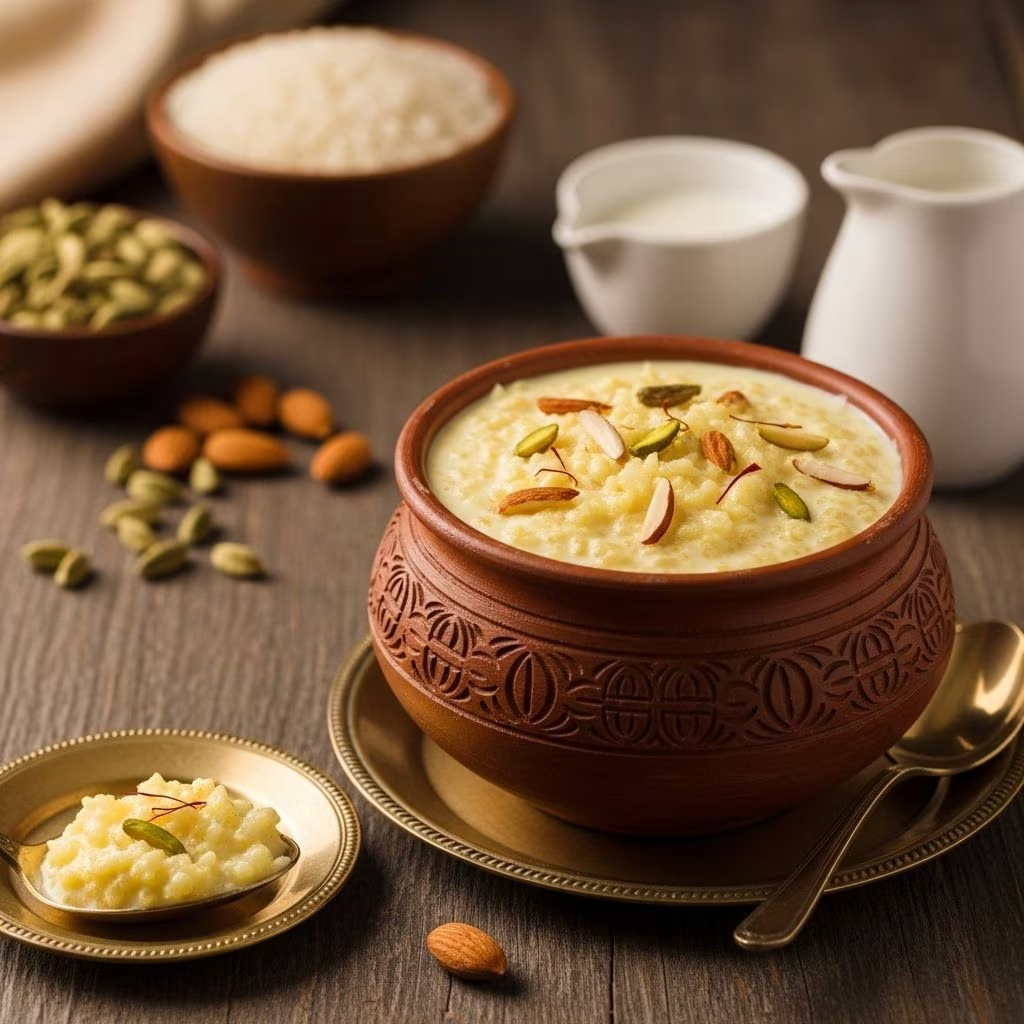
Phirni—sometimes known as firni—is a lavish, creamy Indian rice pudding celebrated for its delicate texture and alluring fragrance. Traditionally served during festive occasions, especially in North India, this chilled dessert blends ground rice with rich milk and aromatic spices such as cardamom and saffron. It is distinguished by its unique presentation in clay pots, or matka, which impart a gentle earthiness while absorbing excess moisture, rendering each bite thick and luxurious.
What is Phirni?
Phirni is a fiesta of flavors and textures—a slow-cooked, thick pudding made from coarsely ground rice, simmered in milk, and sweetened with sugar. Unlike many rice desserts, the rice here is finely ground before cooking, giving phirni its distinctive consistency. Essential elements include:
- Coarse ground rice: The hallmark of phirni, replacing whole rice grains found in kheer.
- Full-fat milk: Ensure creaminess and depth.
- Sugar: For balanced sweetness.
- Flavorings: Most commonly cardamom, saffron, and sometimes rose water, each contributing layers of aroma.
- Garnishes: Slivered pistachios, almonds, or fresh fruit for visual and textural contrast.
Phirni shines especially during festivals like Diwali, Eid, weddings, and regional North Indian celebrations, where it has become emblematic of hospitality and indulgence.
Origin and Historical Significance
With roots deep in the Mughal culinary legacy, phirni epitomizes the blend of Persian and Indian flavors. Its popularity blossomed in Lucknow, a city renowned for its Awadhi cuisine, but it’s relished across Punjab, Kashmir, Delhi, and other northern regions. The clay pot tradition is not mere aesthetics—it traces back centuries as a means to chill the dessert naturally and add a subtle earthy note.
Phirni is also a common sight in Indian weddings and celebratory feasts, where it is often the grand finale of multi-course meals. Each family and region puts its own spin on phirni, from the inclusion of seasonal fruit to varying spice blends.
Phirni vs Rice Kheer: A Comparison
| Aspect | Phirni | Rice Kheer |
|---|---|---|
| Rice Texture | Coarsely ground rice | Whole rice grains |
| Consistency | Thick, creamy, homogeneous | Loose, with visible grains |
| Serving Temperature | Always chilled | Warm or cold |
| Typical Garnishes | Pistachios, saffron, rose | Nuts, dried fruits |
| Festive Usage | North Indian festivals, weddings | Pan-Indian celebrations |
The key distinction is the use of ground rice, yielding a pudding-like consistency, as opposed to the soupier texture of rice kheer.
Traditional Ingredients: Crafting Phirni
- Basmati Rice: Preferably soaked, dried, then coarsely ground.
- Whole Milk: Full-fat is essential for creaminess.
- Saffron: Adds color and rich aroma.
- Cardamom Powder: For warm, floral undertones.
- Rose Water (optional): Lends a subtle perfume.
- Pistachios and Almonds: For garnish and flavor.
- Sugar: Can be adjusted to taste.
How to Make Classic Phirni: Step-by-Step Guide
Follow these steps for authentic home-style phirni:
- Prep the Rice: Rinse basmati rice and soak for at least 30–40 minutes. Drain excessive water, spread on a towel, and allow to dry completely. Coarsely grind until it resembles fine semolina (rava).
- Flavor the Milk: Reserve a tablespoon of warm milk in a small bowl. Add saffron strands for infusion.
- Simmer the Milk: Pour the remaining milk into a heavy-bottomed saucepan. Bring to a gentle boil; lower the heat and keep stirring to prevent sticking.
- Add Rice: Stir in the ground rice slowly, ensuring no lumps form. Scrape sides of pan periodically and reincorporate.
- Sweeten: Once rice begins to cook and thicken, add sugar. Stir well until it dissolves.
- Infuse Spices: Add cardamom powder and saffron-infused milk. Mix thoroughly for a uniform flavor.
- Cook to Consistency: Continue to simmer on low heat until rice granules are soft and mixture attains a thick, pudding-like consistency (typically 20–30 minutes).
- Finish: Stir in rose water (optional) and chopped nuts.
- Set and Chill: Transfer to individual earthenware pots or bowls. Let come to room temperature, then refrigerate for 2–3 hours.
- Garnish and Serve: Add crushed pistachios, saffron strands, or fresh fruit slices on top.
Pro Tips for Perfect Phirni
- Use coarse ground rice—too fine will make it pasty, too rough won’t thicken well.
- Constant stirring is crucial; prevent sticking for a smooth finish.
- Pour hot phirni directly into matka pots for authentic flavor and a thicker set.
- Allow adequate chilling time; the dessert firms up and flavors meld.
- Adjust sugar and spice to preference—taste as you go for balance.
- For richer flavor, use full-fat milk and fresh, high-quality spices.
Variations and Modern Twists
- Fruit Phirni: Mango, strawberry, or lychee puree folded in after cooling for a seasonal twist.
- Coconut Phirni: Substitute part of the milk with coconut milk, garnish with toasted coconut flakes.
- Sugar Alternatives: Use jaggery or honey for a healthier spin, minding changes in color and taste.
- Nut-Free: Omit nuts or use seeds for allergy-sensitive versions.
- Flavored Phirni: Add rose petals, kewra water, or chocolate for inventive expressions.
How Phirni is Served: Tradition and Modern Presentations
The classic presentation of phirni is in matka—small, unglazed clay pots. This tradition is rooted in both aesthetics and practicality; clay absorbs excess moisture, creating a set, easily unmoulded pudding with a hint of earthiness. Modern presentations may use porcelain ramekins, glass bowls, or even shot glasses for a contemporary feel at fusion restaurants.
Phirni is always served chilled, reinforcing its role as a refreshing counterpoint to spicy meals or summer heat. During weddings and festivals, individual bowls are garnished extravagantly with slivered pistachios, rose petals, and sometimes edible silver leaf (varq).
Nutrition and Dietary Facts
Phirni’s nutritional profile varies with ingredients, but in general it contains:
| Component | Typical Amount (per serving) |
|---|---|
| Calories | 180–250 |
| Protein | 6–8 g |
| Fat | 6–9 g |
| Sugar | 15–22 g |
| Calcium | 200–250 mg |
To make it vegan or lactose-free, plant-based milks such as almond or coconut milk may be substituted.
Frequently Asked Questions (FAQs)
Q: Can I use brown rice or other types of rice?
A: While basmati is preferred for its aroma and texture, other long-grain rices may be used. Brown rice will yield a nuttier flavor and slightly different texture; expect a longer cooking time.
Q: How do I prevent lumps in my phirni?
A: Stirring constantly as the ground rice is added is key. Add rice slowly, maintain low heat, and scrape sides while mixing.
Q: Can phirni be made ahead?
A: Yes. In fact, chilling for several hours improves texture and flavor. Prepare a day ahead, cover bowls tightly, and garnish just before serving.
Q: How long does phirni keep?
A: Stored covered in the refrigerator, phirni will last 2–3 days. Avoid freezing; texture and flavor will degrade.
Q: Is phirni gluten-free?
A: Yes, traditional phirni uses only rice and is naturally gluten-free, though always check flavorings for additives.
Expert Tips and Troubleshooting
- If phirni is runny, cook longer on low heat and continue stirring. It thickens both on the stove and as it chills.
- If it becomes too thick, add a splash of milk before serving and whisk until smooth.
- For an intense saffron flavor, increase the quantity and steep well in warm milk before adding.
- Matka (clay pot) availability can be limited; glass or ceramic bowls are good substitutes.
- To avoid skin forming on top, press a piece of plastic wrap directly over the phirni as it cools.
Conclusion: Phirni in Contemporary Indian Cuisine
The allure of phirni goes beyond its ingredients—it is a dish of nostalgia, community, and celebration. Its chilled, floral notes offer a soothing denouement to spicy meals. Whether enjoyed at weddings, festivals, or as a simple comforting treat at home, phirni embodies the spirit of Indian hospitality and culinary artistry. With myriad variations and nearly endless potential for innovation, phirni remains one of India’s most beloved desserts—uncompromisingly creamy, gently spiced, and ever evocative of the country’s rich traditions.