Pickled Purslane: A Wild Plant’s Journey from Weed to Culinary Treasure
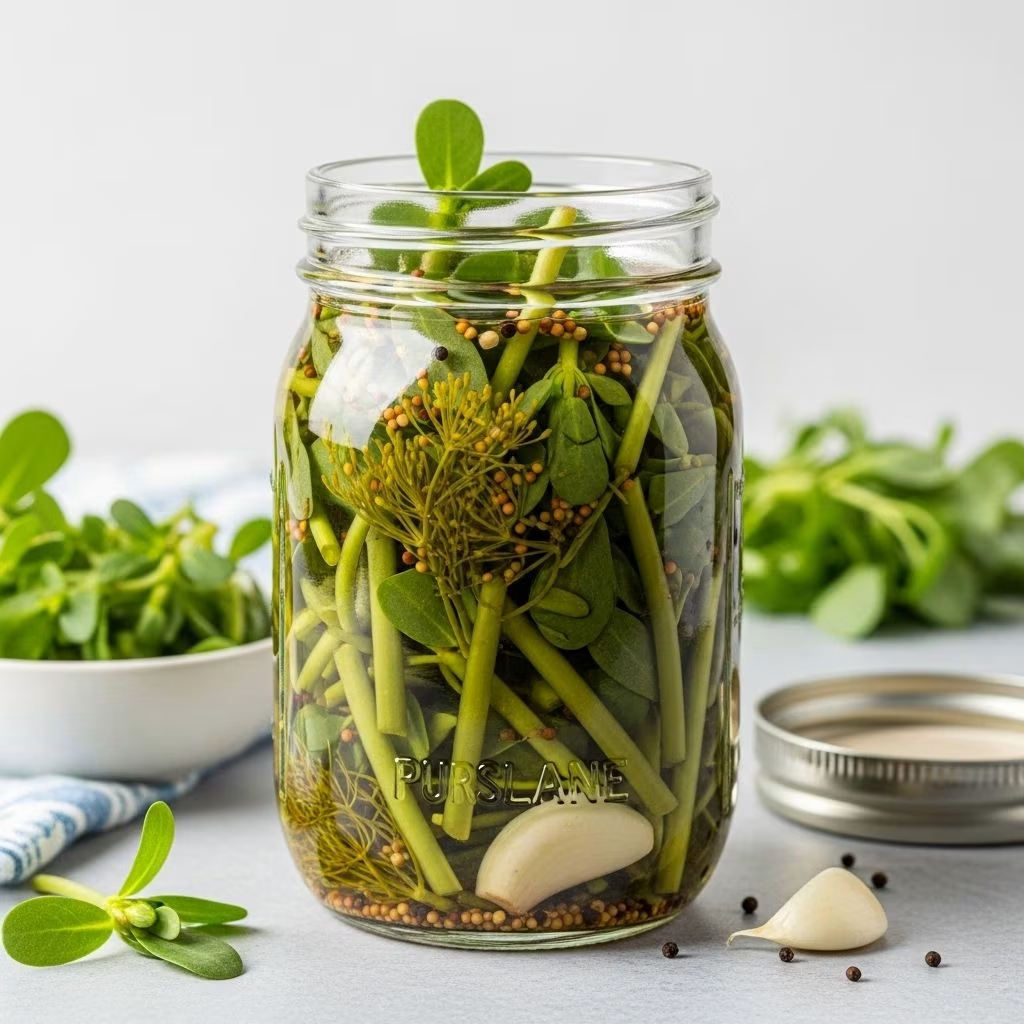
Purslane—also known by its Latin name Portulaca oleracea—is often overlooked in gardens as a mere weed. Yet, pickled purslane has long been cherished in cuisines around the globe. With its unique lemony tang, crisp texture, and remarkable nutritional profile, this wild green transforms into an unforgettable pickle that captures summer’s bounty for months to come.
What Is Purslane?
Purslane is a low-growing, succulent plant characterized by fleshy, oval leaves, reddish-green stems, and small yellow or pink flowers. Thriving in hot, dry conditions, it is ubiquitous across gardens, lawns, and even sidewalk cracks during the summer months. Often called a ‘weed,’ purslane is actually a superfood—high in vitamins, minerals, and omega-3 fatty acids—and is entirely edible: leaves, stems, and flowers alike.
- Height: Typically grows 6–10 inches tall
- Flavor: Mildly tart, with a crisp, succulent texture and subtle citrus notes
- Where to Find: Lawns, vegetable gardens, driveways, wastelands, farmlands, or even pots
Why Pickle Purslane?
Pickling purslane serves several delightful purposes:
- Preservation: Capture the abundance of summer purslane and enjoy it throughout the year
- Convenience: Have a quick, zesty condiment at hand for sandwiches, salads, fish, stews, and more
- Nutritional Benefit: Retain—sometimes even enhance—purslane’s rich supply of vitamins and omega-3s
Harvesting and Preparing Purslane
Foraging for purslane is easier than most wild greens, thanks to its abundance and unmistakable appearance:
- Identification: Look for thick, red-tinged stems and smooth, paddle-shaped succulent leaves growing close to the ground.
- Best Stage: Harvest young, tender stems and leaves for the crispest, mildest flavor.
- Growing Season: Purslane is typically at its best from late spring through early fall.
- Preparation: Trim away any roots or tough, woody base. Rinse thoroughly in cold water to remove grit.
Nutritional and Health Benefits of Purslane
Purslane’s nutritional credentials are extraordinary, rivaling those of sturdy cultivated greens:
- Omega-3 Fatty Acids: Exceptional source for a land plant—contains high levels of alpha-linolenic acid (ALA) and even some EPA, typically found in fish
- Vitamins: Rich in vitamins A, C, and E
- Minerals: Provides potassium, magnesium, calcium, iron
- Low Calorie: High nutrient density and low energy, ideal for adding nutrition with little caloric load
Pickling may help preserve some of these nutrients, and in the case of fermented pickles, can introduce beneficial gut microbes, further enhancing health benefits.
Pickled Purslane Recipes
There are two primary methods to pickle purslane, each with its unique character:
- Quick Pickling with Vinegar: Delivers crisp, tangy purslane within hours; keeps in the fridge for several months.
- Fermentation: Uses a probiotic liquid (like over-fermented kombucha or water kefir); results in an effervescent, sour, and probiotic-rich condiment after several days.
Classic Vinegar Pickled Purslane Recipe
| Ingredient | Amount |
|---|---|
| Fresh purslane (leaves and stems) | ~2 handfuls (about 650g for large batch) |
| White or red wine vinegar | 200–1000 ml (depends on jar size and batch) |
| Water | 100 ml per small batch; up to 1 cup for larger |
| Salt (pickling or sea salt) | 1–2 tbsp (to taste) |
| Sweetener (honey, raw sugar, optional) | 1 tbsp or to taste |
| Garlic cloves (sliced) | 2–4 |
| Whole spices (mustard seed, peppercorn, fennel, allspice, coriander) | 1/2–1 tsp each |
| Fresh chili peppers (optional) | 2–3 small |
Instructions
- Sterilize a glass jar: Wash in hot soapy water, then dry in a 150°C/300°F oven for 15 minutes.
- Blanch purslane: Drop into boiling water for 1 minute, then transfer to a bowl of ice water to retain crispness and color.
- Prepare the pickling brine: Heat vinegar, water, salt, any sweetener, and spices until boiling. Stir to fully dissolve salt and sugar.
- Pack and pour: Layer purslane, sliced garlic, and spices in the jar. Pour hot brine over, ensuring all solids are covered with liquid and leaving 1–2 cm headspace.
- Seal and cool: Tightly screw on the lid. Allow to come to room temperature, then refrigerate or store in a cool, dark pantry. Chill before opening for fullest flavor.
Tips:
- Pickled purslane will keep unopened for several months. Once opened, consume within a few weeks and keep refrigerated.
- Use sterilized jars to prevent spoilage.
- Flavor intensifies over time. Taste after one day, but one week is ideal.
Fermented Pickled Purslane Method
This method lets you make probiotic, naturally soured pickles with a slightly different texture and bright, complex flavors.
- Fill a jar with washed, chopped purslane.
- Pour in fully fermented kombucha or water kefir (can be homemade or from a store), with a pinch of Himalayan salt for extra flavor.
- Leave 1 cm headspace, seal tightly.
- Ferment at room temperature for 3–5 days until all purslane changes from vibrant green to dull green and develops a satisfying sour taste.
- Refrigerate once desired sourness is reached.
Fermented pickles may fizz when opened—this is normal and signals the presence of beneficial probiotic microbes.
Popular Flavor Variations and Additions
Tailor your pickled purslane with herbs or aromatics to match your favorite cuisines:
- Mustard seeds, coriander, fennel, and allspice for classic, Eastern European undertones
- Chili flakes or fresh peppers for heat
- Crushed garlic and fresh herbs, such as dill or tarragon, for complexity
- Ginger or cardamom for aromatic warmth
- Honey or agave for subtle sweetness
How to Use Pickled Purslane
Pickled purslane’s vivid crunch and tang make it a versatile addition to a wide range of dishes:
- Salads: Toss into grain or green salads for a unique zesty note
- Sandwiches and Wraps: Layer in place of pickles or relish
- Fish and Meat: Serve alongside grilled, roasted, or cured proteins, especially oily fish
- Meze or Antipasto: Add to Mediterranean-style spreads with olives, cheese, and charcuterie
- Egg Dishes: Accent omelets, scrambled eggs, or frittatas
- Stews and Soups: Stir into hearty autumn stews or spoon on chunky lentil soup just before serving
Storage, Shelf Life, and Tips
- Sealed jars of vinegar-pickled purslane can last several months unopened in a cool pantry. Always refrigerate after opening.
- Fermented pickles require refrigeration once fermentation is complete and are best consumed within 2–3 months for peak taste and texture.
- Avoid contamination: Always use a clean utensil when removing pickles from the jar.
- Purslane’s small leaves and stems hold up well to pickling, remaining pleasingly crunchy even after weeks in brine.
Comparing Pickling Techniques
| Method | Flavor | Time | Benefit |
|---|---|---|---|
| Quick Brine (Vinegar) | Zesty, vibrant, classic pickle taste | Ready in 1 day | Long shelf life, simple ingredients |
| Fermentation | Complex, tangy, effervescent | 3–5 days | Probiotic-rich, layered flavor |
Frequently Asked Questions (FAQs)
Q: What does pickled purslane taste like?
A: Pickled purslane is crisp, tangy, and slightly lemony, with a mild herbal finish. The texture remains juicy and crunchy after pickling.
Q: Is it safe to eat wild purslane?
A: Yes, provided it is correctly identified and harvested from unsprayed areas. Purslane is a well-known edible wild plant worldwide.
Q: How long does pickled purslane last?
A: In a sterile, sealed jar, vinegar-pickled purslane can last several months unopened; once opened, eat within a few weeks and store in the refrigerator. Fermented purslane is best within 2–3 months, refrigerated.
Q: Do you need to blanch purslane before pickling?
A: Blanching for one minute in boiling water helps preserve color and crunch and remove surface microbes—recommended for best results.
Q: Can pickled purslane be used in cooked dishes?
A: Yes! Stir into soups, stews, or grain dishes at the end of cooking for a tangy lift, or chop finely as a relish for grilled meats and fish.
Final Thoughts: Rediscovering Purslane
What began as a humble, resilient weed has become a kitchen standout. Pickled purslane brings together nutrition, sustainability, and bold flavor in every bite. Whether you forage your own purslane or find it at a farmer’s market, this time-honored, globally loved pickle is sure to surprise and delight—from your pantry shelf to the dinner table.