Beyond Curry: The Irresistible Appeal of Flattened Rice Snacks in India
When we think of Indian cuisine, hearty curries and aromatic biryanis often take center stage. Yet, beneath the familiar facade of Indian food lies a vast and vibrant world of everyday staples, each with its own story, nostalgia, and regional influence. Among these, few snacks are as beloved, versatile, and culturally significant as poha—a savory preparation of flattened rice that’s woven into the fabric of daily life across India.
What Is Poha?
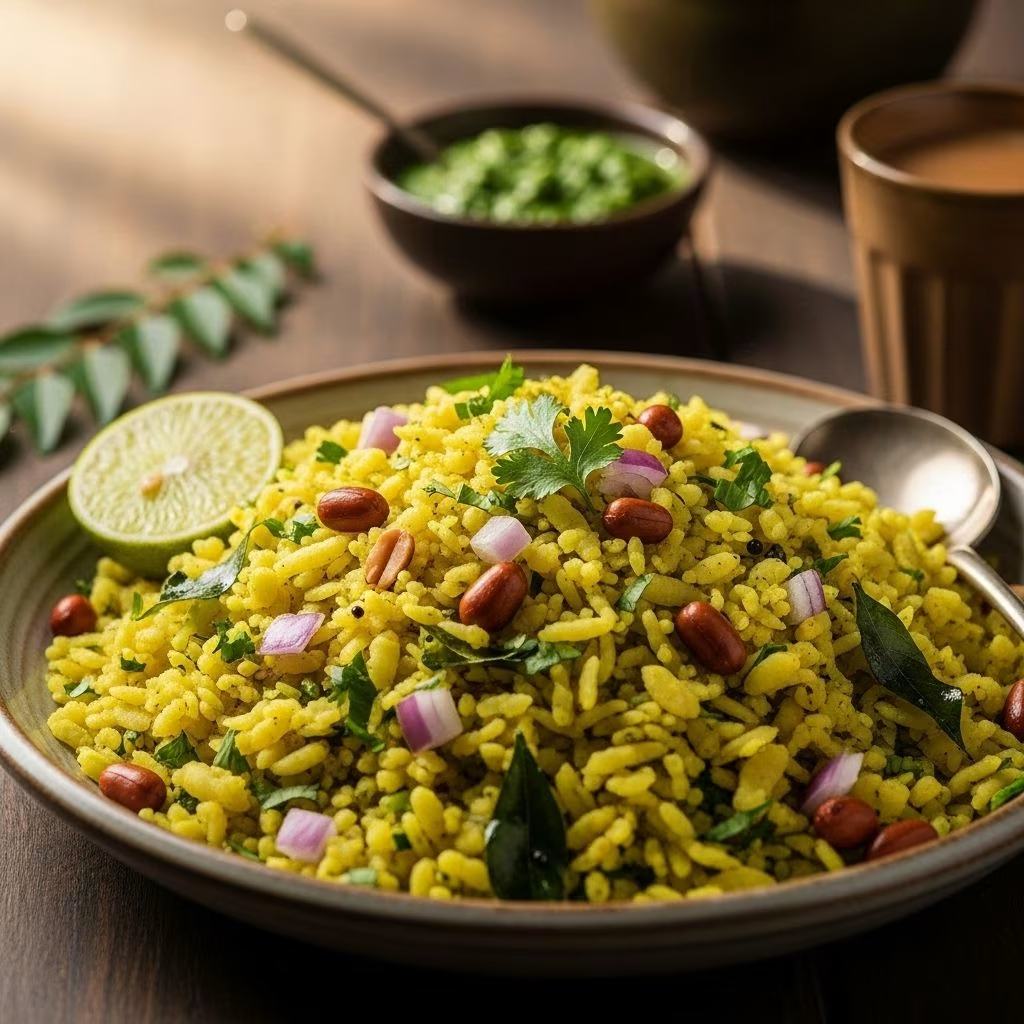
Poha is both the name for flattened rice—a staple pantry ingredient found in Indian households—and the easy, nutritious, and endlessly adaptable dish made from it. Made by parboiling, then flattening rice grains, poha flakes cook quickly and soak up flavors while retaining a chewy, light texture. It’s widely enjoyed as breakfast or a snack, and its preparation reflects India’s culinary ingenuity, transforming a humble ingredient into a dish full of color, aroma, and taste.
The Cultural Heartbeat of Poha
Poha is more than just a dish; it is an enduring symbol of Indian hospitality, comfort, and resourcefulness. Across India’s central and western states—particularly Maharashtra and Madhya Pradesh—poha graces breakfast tables, railway stations, and bustling market stalls. It is often among the first savory foods children are introduced to, and it serves as a reliable meal during times of celebration, transition, or need. Its universal appeal rests in its simplicity, its ability to nourish without overwhelming, and its space for personalization.
- Breakfast Essential: For many, poha is synonymous with morning routines—a gentle wake-up call brimming with gentle spice, crunch, and tang.
- Street Food Classic: Vendors across central India plate up steaming, vibrant poha topped with savory sev (fried noodles), onions, and spritzes of lime.
- Comfort Food: In moments of illness or homesickness, a bowl of freshly made poha can be as restorative as a maternal embrace.
- Adaptable Foundation: The basic recipe lends itself to countless variations based on region, season, and individual preference.
Understanding Flattened Rice: Poha as an Ingredient
The star of the dish, flattened rice, comes in several thicknesses—the most common being thick poha (for main dishes) and thin poha (for quick snacks like chivda). The rice is processed to retain fiber and nutrients, offering a gluten-free alternative that is easily digestible yet satisfying.
| Type | Texture | Common Uses |
|---|---|---|
| Thick Poha | Chewy, sturdy | Cooked and steamed dishes, like classic poha breakfast |
| Thin Poha | Light, crisp | Dry snacks (chivda), quick sweet mixes |
When purchasing poha, it’s best to choose flakes suited to your recipe—thicker for soaking and stir-frying, thinner for toasted snacks. They are widely available in South Asian grocery stores around the world.
Mastering the Classic Poha Recipe
The beauty of poha lies in its adaptability. At its core, classic poha is flattened rice tempered with spices, savory vegetables, crunchy peanuts, and a bright squeeze of lime. The following detailed approach ensures perfect texture and flavor, whether you’re a lifelong poha enthusiast or new to this Indian staple.
Ingredient Overview
- 1 cup thick poha (flattened rice)
- 1-2 tablespoons oil (preferably mustard or peanut)
- 1/2 teaspoon mustard seeds
- 1/2 teaspoon cumin seeds
- 5-6 curry leaves
- 1 medium onion, finely chopped
- 1-2 green chilies, slit or chopped (adjust to taste)
- 1/2 teaspoon turmeric powder
- 1/4 cup potatoes, diced small (optional)
- 1/4 cup peas or carrots, diced (optional)
- 1/4 cup roasted peanuts
- Salt, to taste
- Juice of half a lime
- Finely chopped cilantro, to garnish
- Sev (crunchy fried noodles) and grated coconut for topping (optional)
Step-by-Step Preparation
- Rinse and Soak Poha
- Place poha in a fine-mesh strainer.
Thoroughly rinse under cold running water for 10-15 seconds, gently moving it with your fingers to ensure even saturation. - Let it soak in a bowl of water for 3-5 minutes, just until softened. Drain thoroughly. The grains should be soft but separate, not mushy.
- Place poha in a fine-mesh strainer.
- Prepare the Aromatic Base
- In a wide pan, heat oil. Add mustard seeds and allow them to splutter, followed by cumin seeds and curry leaves.
- Add chopped onion and chilies. Sauté until the onion is translucent.
- If using, add diced potatoes and cook until just tender. Toss in any additional vegetables, cooking briefly to retain color and crunch.
- Add Spices
- Stir in turmeric powder for color and earthiness. Season with salt.
- Combine Poha and Peanuts
- Add the drained poha. Mix gently to combine, coating flakes evenly with the spice mixture without breaking them up.
- Stir in roasted peanuts for crunch, adjusting salt to taste.
- Heat through for 3–5 minutes, until the mixture is fluffy and warm.
- Finish and Serve
- Remove from heat, squeeze fresh lime juice to brighten.
- Garnish with cilantro, optional coconut, and top with sev.
- Serve immediately—poha is best enjoyed hot and freshly made.
Tips and Techniques for Perfect Poha
- Wash, Don’t Soak Excessively: Over-soaking can make the grains soggy and sticky. Rinsing and brief soaking yield light, separated flakes.
- Maintain a Gentle Hand: Fold ingredients rather than stirring aggressively to preserve poha’s shape and texture.
- Fresh Spices Count: Whole spices (mustard, cumin, curry leaves) infuse the oil with deep flavor—toast them well for aromatic tempering.
- Customize Your Mix-Ins: Add seasonal vegetables or toasted cashews, or experiment with grated coconut for regional flair.
- Finish with Acid: A finishing spritz of lime balances flavors and awakens the palate.
Regional Variations and Global Parallels
The basic poha recipe is a canvas for culinary expression, and across India, it springs to life with local influences:
- Kanda Poha (Maharashtra): Emphasizes onion (kanda), with a vibrant yellow color, gentle heat, and crunchy topping of sev.
- Indori Poha (Madhya Pradesh): Sweeter notes with fennel seeds, topped lavishly with sev, pomegranate, and fresh coriander.
- Tamil Aval Upma (South India): Incorporates coconut, coconut oil, and mild green chiles for a tropical dimension.
- Gujarati Batata Poha: Leans on potatoes (batata) and a balance of sweet-sour flavors; sometimes garnished with grated coconut.
Beyond India, variations of flattened or pounded rice can be found in Southeast Asia—such as the Filipino pinipig—emphasizing the universal appeal of this humble ingredient.
Nutritional Profile: Why Poha Is a Smart Choice
Poha is light, low in fat, naturally gluten-free, and provides essential nutrients. Since it is parboiled, it retains some minerals and fiber from the rice husk, and its quick-cooking nature makes it ideal for fast meals without nutrient loss. Adding peanuts, vegetables, and coconut increases its protein, vitamins, and healthy fat content, making poha a well-rounded dish for all ages.
| Nutrient (Per Serving) | Value |
|---|---|
| Calories | ~200 |
| Fat | 8–10g |
| Carbohydrates | 26g |
| Protein | 3–4g |
| Fiber | 2–3g |
It’s worth noting the ease with which poha can accommodate dietary needs, tolerances, and preferences.
Serving and Storage Suggestions
- Serve poha hot and fresh for the best texture and aroma.
- For quick meals, prep vegetables and tempering mix in advance; assemble and heat with poha when ready to eat.
- Poha does not store well once mixed, as its delicate texture can turn soggy. However, plain soaked flakes can be held in the refrigerator for a few hours if needed.
- Carry poha on travel days or picnics—the flavors mature nicely, and it can be gently reheated.
Frequently Asked Questions (FAQs)
What type of poha should I use for classic Indian poha breakfast?
Thick poha is ideal. It holds up to soaking and stir-frying without turning mushy, resulting in distinct, fluffy grains.
Is poha gluten-free and suitable for people with allergies?
Yes, poha is naturally gluten-free as it is made from rice, but check package labels for cross-contamination if you are highly sensitive.
Can I prepare sweet poha?
Absolutely. Some regions enjoy sweetened poha with milk, jaggery, coconut, and cardamom for a comforting breakfast or snack.
How do I prevent poha from turning sticky or clumping?
Do not oversoak. Rinse thoroughly and rest briefly; drain all excess water. Handle gently when mixing to preserve its delicate structure.
What are some creative toppings for poha?
Crunchy sev, fresh pomegranate seeds, grated coconut, chopped tomatoes, or roasted nuts are all excellent choices for flavor and texture contrast.
Conclusion: The Enduring Magic of Poha
Whether sizzled up for breakfast or savored as a midnight snack, poha is a testament to the quiet ingenuity of Indian home cooking. It’s a dish that welcomes improvisation, celebrates fresh ingredients, and satisfies cravings for comfort and flavor with minimal fuss. As you experiment with poha in your own kitchen, you become part of a beloved culinary tradition—one that promises nourishment, delight, and a taste of home in every bite.