Portokalopita: The Greek Orange Phyllo Cake
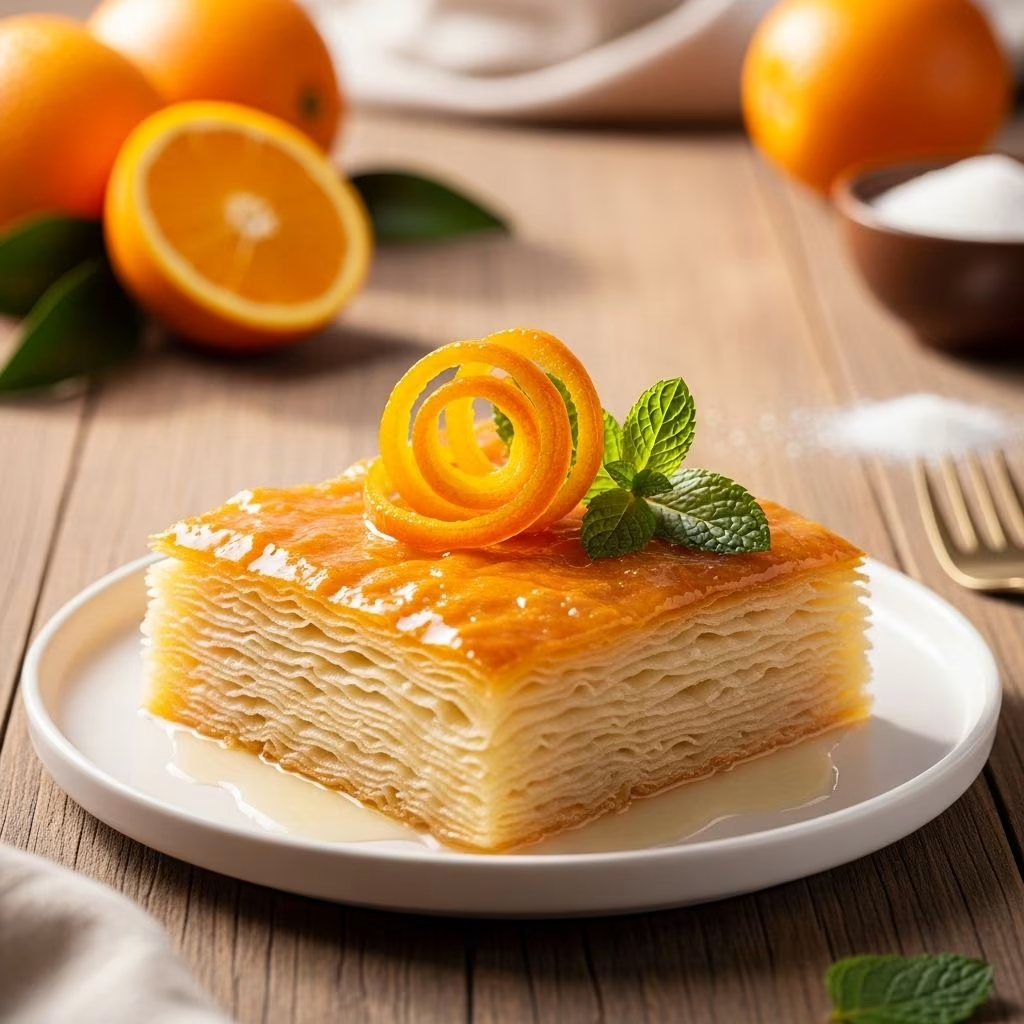
Portokalopita is a beloved Greek dessert renowned for its vibrant orange flavor and textural contrast, created by infusing crumpled phyllo dough with an aromatic citrus syrup. Unlike conventional cakes, Portokalopita uses torn and dried phyllo sheets instead of flour, yielding a moist, syrup-soaked bite that is both rustic and elegant.
What Is Portokalopita?
Portokalopita (pronounced por-toh-kah-LOH-pee-tah) literally means “orange pie” in Greek, though it is best described as an orange syrup cake made with phyllo dough. It’s especially popular across Greece, often found in bakeries and family kitchens, and traditionally served at celebrations, family gatherings, or as a sweet ending to a meal.
This cake stands apart for its clever use of dried phyllo: instead of forming delicate layers, you purposely crumble and dry out the dough. This approach not only yields a pleasingly chewy texture but also helps repurpose leftover phyllo scraps, reflecting the resourcefulness at the heart of Greek cuisine.
History and Cultural Significance
Portokalopita’s origins are tied to the practicalities of the Greek kitchen where nothing is wasted. The cake was likely born out of a need to use up dried or leftover phyllo dough, transforming what might otherwise be a baking mishap into a golden, syrupy treat. Nowadays, many home cooks buy fresh phyllo just for this purpose, intentionally drying and tearing it to make Portokalopita. It has become a hallmark of Greek hospitality and home cooking, passed down generations and popularized in modern cafes and tavernas.
Key Ingredients
The traditional Portokalopita recipe revolves around a handful of essential ingredients. Here’s what you’ll need:
- Phyllo Dough: The foundation, dried and torn into pieces for distinctive texture.
- Eggs: Provide structure and richness.
- Greek Yogurt: Adds moisture, tang, and body.
- Vegetable Oil: Ensures a tender crumb and helps absorb the syrup.
- Orange Zest & Juice: The essence of the cake—bright, aromatic flavor.
- Sugar: Sweetens both the cake and syrup.
- Baking Powder & Baking Soda: For lift and tenderness.
- Vanilla Extract: Adds depth to the aromatic profile.
- Salt: Balances sweetness and enhances flavor.
The syrup is equally important, typically made from fresh orange juice, sugar, a cinnamon stick, and sometimes finished with orange marmalade for added intensity and texture.
Preparation: Drying and Tearing the Phyllo
The first—and perhaps most unusual—step is preparing the phyllo:
- Drying: Spread phyllo sheets loosely on baking trays or drape over kitchen racks. Let them air-dry for 2–3 hours or bake at low temperature (180°F/80°C) for 10–15 minutes. The sheets should feel crisp and shatter easily.
- Tearing: Once dried, roughly tear or crush the phyllo into small pieces. Don’t worry about uniformity; the uneven texture gives the cake its signature bite.
The Orange Syrup
Portokalopita’s unmistakable moistness comes from an orange-scented syrup poured over the hot cake. This step is crucial, both for flavor and for achieving the desired texture. Here’s how to make it:
- Combine orange juice, sugar, cinnamon stick, and water in a saucepan.
- Bring to a boil, then simmer for 5 minutes to slightly thicken and meld the flavors.
- Let the syrup cool completely before pouring over the baked cake.
- For extra zest, orange marmalade is sometimes mixed with a little water and drizzled over the cake after the syrup has been absorbed.
Portokalopita Recipe: Step-by-Step
Here’s a detailed guide for making Portokalopita at home, adapted and synthesized from classic sources:
Ingredients
| For the Cake | For the Syrup |
|---|---|
|
|
Instructions
- Preheat the oven: Set to 350°F (175°C). Prepare a 9×13-inch glass baking pan by greasing well.
- Whip the eggs and sugar: In a large bowl, beat together eggs and sugar until pale and fluffy (3–4 minutes).
- Add wet ingredients: Mix in orange zest, Greek yogurt, vanilla, baking powder, baking soda, and salt until just combined. Add oil and orange juice, stir well.
- Fold in the phyllo: Using a spatula, gently incorporate the torn phyllo pieces, a little at a time, into the batter. (Tip: Use a bowl wider than the mixing bowl for ease.)
- Bake: Transfer batter to prepared pan. Bake for 50–60 minutes, or until deep golden and springy to touch. Check after 50 minutes to avoid over-browning.
- Prepare syrup: While the cake bakes, combine orange juice, sugar, cinnamon stick, and water in a saucepan. Bring to a boil, then simmer 5 minutes. Remove from heat and cool completely.
- Pierce and soak: When cake is done, pierce several times with a skewer. Gradually ladle the cooled syrup over the hot cake, allowing it to absorb between each application.
- Finish (optional): Heat marmalade with water until syrupy and pour over the cake for extra orange punch.
- Rest: Let cake cool thoroughly to absorb syrup before slicing.
Tips for Success
- Dry the phyllo properly. Crisp, dry phyllo ensures the right texture and prevents clumping.
- Don’t overmix the batter. Be gentle when combining ingredients; overworking can make the cake dense.
- Allow time for syrup absorption. The cake will look soggy at first, but the syrup soaks in as it cools, leaving a moist crumb inside and slightly crunchy top.
- Use fresh oranges. Fresh zest and juice give authentic, aromatic flavor that bottled juice cannot match.
- Try flavor variations. Add a pinch of cardamom or a splash of Cointreau for a twist.
Serving Suggestions
- Room temperature. Portokalopita is best enjoyed once cooled, allowing the syrup to fully permeate each slice.
- Ice cream pairing. Serve with vanilla ice cream or Greek yogurt for contrast and added creaminess.
- Garnish. Fresh orange zest, candied orange peel, or extra marmalade make festive toppings.
Storage and Make-Ahead Advice
This cake keeps well for several days, thanks to its syrupy composition:
- Store: Cover tightly and keep at room temperature for up to 4 days. Refrigeration extends shelf life but may slightly change the texture.
- Freeze: Slice and wrap portions individually; thaw at room temperature.
- Make-ahead: Both the cake and syrup can be made ahead. Assemble and soak just before serving.
Frequently Asked Questions (FAQs)
Q: Can I use frozen phyllo dough for Portokalopita?
A: Yes. Defrost phyllo in the refrigerator overnight, not at room temperature, to avoid soggy sheets. Pat dry if needed and proceed with drying and tearing as usual.
Q: Is Portokalopita gluten-free?
A: No. Traditional phyllo dough contains wheat flour. Gluten-free phyllo alternatives are available but may yield different results.
Q: Can I halve or double the recipe?
A: Absolutely. You can halve for smaller batches or double ingredients for a full 2-lb box of phyllo—use larger pans and adjust baking time as needed.
Q: Why is my cake soggy?
A: Sogginess may result from over-soaking or under-drying the phyllo. Be sure to let the cake cool fully and absorb syrup before slicing.
Q: What’s the difference between Portokalopita and Ravani?
A: Ravani uses semolina flour for a fine, gritty texture, whereas Portokalopita relies on phyllo, producing a chewier, layered bite and deeper orange flavor.
Printable Recipe Card
| Step | Action |
|---|---|
| 1 | Dry phyllo sheets, then tear into pieces. |
| 2 | Whip eggs and sugar until pale. |
| 3 | Add orange zest, juice, yogurt, vanilla, baking powder, baking soda, salt, and oil. Mix gently. |
| 4 | Fold in dried, torn phyllo dough. |
| 5 | Pour into greased pan and bake (350°F/60 min). |
| 6 | Make orange syrup. Cool. |
| 7 | Pierce baked cake; ladle syrup gradually. |
| 8 | (Optional) Pour warmed orange marmalade over cake. |
| 9 | Cool completely before slicing. |
Final Thoughts
Portokalopita is a shining example of Greek home baking: frugal, flavorful, and festive. Whether you’re seeking a show-stopping dessert for a dinner party or a sweet treat with coffee, this orange phyllo cake delivers a taste of sunshine and tradition in every forkful. Experiment with its flexible method, adapt flavors to your palate, and enjoy the enduring charm of Portokalopita in your own kitchen.