Introduction: What Is Rieska?
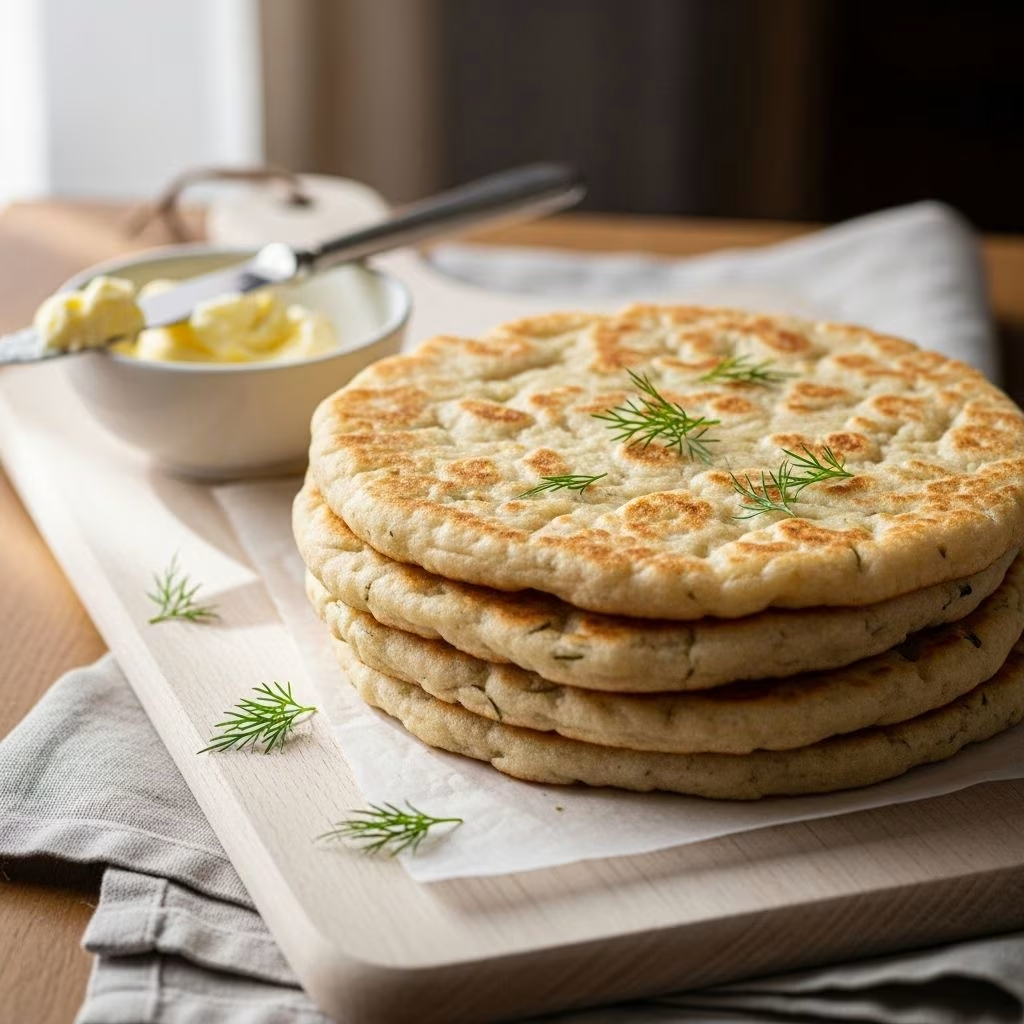
Rieska is a beloved and time-honored Finnish flatbread, celebrated for its speed, rustic simplicity, and versatility. It’s a staple of Finnish cuisine, typically made from a handful of wholesome ingredients such as rye, barley, spelt, oats, or even potatoes. Baked quickly and eaten fresh, Rieska bridges the gap between bread and cracker, offering both soft and crunchy variations depending on tradition, personal preference, and the specifics of baking technique.
Whether enjoyed at the family table with a smear of butter, as a warm accompaniment to soups, or as a carrier for savory toppings like smoked fish, Rieska offers a taste of Finnish comfort and resourcefulness, echoing the foodways of rural Nordic life.
Rieska’s Cultural Roots and History
The origin of Rieska stretches deep into Finland’s past, reflecting centuries of adaptation to a cold climate and limited growing season. Historically, Finns relied on hardy grains—especially rye and barley—which thrive in northern latitudes. Unlike leavened breads that rely on yeast and extensive rising times, Rieska comes together quickly, leveraging the power of baking powder or soda for leavening, if any. This approach made Rieska a practical daily bread, baked as needed, often in rural areas without ready access to commercial yeast.
Rieska’s unpretentious nature endears it both to traditionalists and to modern home cooks looking for an easy, wholesome bread. Its regionality and adaptability are part of its charm. You’ll find variations that feature potatoes, oats, or spelt, reflecting local preferences and whatever ingredients are on hand. Served warm, this bread embodies the ethos of Finnish hospitality: nourishing, straightforward, and deeply satisfying.
Key Characteristics of Rieska
- Shape: Flat, round, or rectangular—usually about 1/4 to 1/2 inch (0.5–1.2 cm) thick.
- Texture: Traditionally on the soft side when fresh, though versions baked longer (or with more baking powder) develop a subtle crunch.
- Grain and Additions: Rye is most iconic, but barley, spelt, oats, or potatoes can be central ingredients.
- Rapid Preparation: Most versions require no rising, and bake in about 15–20 minutes.
- Serving: Enjoyed with butter, cheese, smoked fish, or as a side for soups and stews.
Ingredients: What Goes Into Classic Rye Rieska?
Ingredient lists for Rieska are short, flexible, and reflect both tradition and resourcefulness. Here’s a rundown of a typical Finnish rye Rieska:
- Rye Flour: The backbone of classic Rieska; substitute with barley, spelt, or blended with wheat for lighter texture.
- All-Purpose Flour: Added to lighten the bread and balance the hearty rye flavor.
- Buttermilk: Adds tang and helps activate baking soda or powder for a gentle lift.
- Rolled Oats: Offer texture, slight sweetness, and foster a rustic crumb.
- Baking Powder or Baking Soda: Used for leavening, giving a subtle, airy quality.
- Fine Sea Salt: For seasoning, emphasizing grain flavors.
- Unsalted Butter: Enriches the dough while adding flavor and tenderness.
- Sugar: Optional; provides a subtle sweetness, balancing the grain and tang.
Variation Tips: In certain regional and family recipes, mashed potato substitutes for some flour, further softening the bread and imparting earthy richness. Vegan adaptations can use flax eggs in place of regular eggs and plant-based butters.
Typical Ingredient Quantities for 1 Batch
| Ingredient | Quantity |
|---|---|
| Rolled Oats | 1/2 cup (45g) |
| Rye Flour | 1 cup (113g) |
| All-Purpose Flour | 1 cup (120g) |
| Buttermilk | 1 1/2 cups (340g) |
| Unsalted Butter, softened | 4 tbsp (57g) |
| Granulated Sugar | 2 tbsp (25g) (optional) |
| Baking Powder | 2 tsp |
| Baking Soda | 1/2 tsp |
| Fine Sea Salt | 1 tsp |
Step-by-Step: How To Make Rye Rieska
1. Prepare Your Equipment and Ingredients
- Preheat your oven to 500°F (260°C).
- Line a quarter-sheet or 9×13-inch pan with parchment and lightly grease it for easy release and cleaning.
- Measure all ingredients precisely for best results.
2. Mix Dry Ingredients
- In a large mixing bowl, whisk together rolled oats, rye flour, all-purpose flour, baking powder, baking soda, salt, and sugar until well combined.
3. Incorporate Butter
- Add softened butter in small pieces to the bowl.
- Using a pastry cutter or two forks, work it in until the mixture resembles coarse meal. Some small, visible butter flecks are fine—these help deliver a tender crumb.
4. Add Liquid
- Pour in buttermilk (or soured milk/yogurt for variation).
- Stir gently with a dough whisk or spatula. Mix just until all flour is hydrated. This yields a wet, sticky dough—don’t overmix.
5. Shape the Bread
- Scrape dough into the prepared pan.
- With lightly wet hands or a greased spatula, spread dough evenly to fill the pan, roughly 1/4 to 1/2 inch thick.
6. Bake
- Transfer to oven and bake for 15–17 minutes.
- Bread should be lightly browned and springy when you press it.
7. Serve and Enjoy
- Allow Rieska to cool for 10 minutes in the pan.
- Cut into squares or wedges with a sharp knife and serve while warm, ideally with butter, cheese, or chosen toppings.
Variations and Adaptations
Rieska’s adaptability is one reason it has endured and spread. While rye is the gold standard, here are some beloved regional and modern spins:
- Potato Rieska: Using mashed potatoes in place of some or all the flour makes for a denser, earthier, and profoundly moist crumb. This version—a specialty of some Finnish regions—pairs exceptionally with salted butter or smoked salmon.
- Barley or Spelt: For deeper nuttiness, substitute some or all flours with barley or spelt. These grains add complexity and a slightly different texture.
- Oatmeal : Extra rolled oats can be added for chew, flavor, and rustic texture.
- Eggless/Vegan: Replace butter with plant-based margarine and use a “flax egg” (1 tbsp ground flaxseed + 3 tbsp water, left to gel) if a recipe calls for egg.
Serving Ideas: How to Enjoy Rieska
- Classic: Fresh from the oven, spread with butter—simple and deeply Finnish.
- Cheese Pairing: Try with aged Finnish cheeses or mild soft cheeses for a satisfying snack.
- Smoked Fish: Top with smoked salmon, whitefish, or herring alongside fresh dill and sour cream—a nod to Nordic appetites.
- Soup and Stew Side: Rieska’s hearty character makes it a perfect match with rustic soups, root vegetable stews, or split pea soup.
- Sweet Option: A drizzle of honey or your favorite preserves turns Rieska into a treat for breakfast or afternoon coffee.
Texture, Shelf Life, and Storage
- Freshness Matters: Rieska is at its very best warm from the oven on the day it is baked. The crumb is soft, the crust tender or slightly crackling, depending on the flour and leavening.
- Short Shelf Life: Because of its moistness and lack of commercial preservatives, Rieska becomes firmer over time. Store airtight at room temperature for up to 1 day.
- Freezing: For longer storage, slice, wrap, and freeze. Reheat in the oven or toaster for best results.
Why Home Bakers Love Rieska
- Simplicity: A short, wholesome ingredient list—and no yeast required.
- Speed: From start to finish in under 30 minutes.
- Approachability: Kneading is not necessary; minimal mess and effort.
- Customizable: Use what you have—change grains, add-ins, or toppings for variety.
- Nutritious: Full of whole grains and adaptable for different dietary needs.
Nutrition Snapshot: Is Rieska Healthy?
| Nutrient | Per Slice (Estimate) |
|---|---|
| Calories | 90–120 kcal |
| Fat | 2.5–5 g |
| Carbohydrates | 17–22 g |
| Protein | 2–4 g |
| Fiber | 2–4 g |
| Sodium | 180–250 mg |
Values will vary with adjustments in grain, fat, and seasonings.
Frequently Asked Questions (FAQs)
Q: Is Rieska the same as other Finnish rye bread?
A: No. Most Finnish rye breads are slow-risen and often made with sourdough, resulting in dense, tangy loaves. Rieska is a quick, unleavened (or lightly leavened with chemical agents) flatbread with a more tender, mild flavor.
Q: Can I make Rieska gluten-free?
A: Absolutely. Try substituting certified gluten-free oat flour, potato flour, or a gluten-free all-purpose blend for the flours, and ensure your oats are gluten-free.
Q: Do I need buttermilk?
A: Buttermilk gives tang and tenderness, but whole milk or plant-based alternatives with a squeeze of lemon can replicate its effects in a pinch.
Q: What should I do if my Rieska is too dry?
A: If it feels dry, check oven temperature (too high can dry it fast), and consider slightly increasing buttermilk next time. Sodium and flour variations also impact moisture.
Q: Can Rieska be reheated?
A: Yes. Warm in a moderate oven or toaster for a freshly baked texture.
Conclusion: The Soul of Finnish Home Baking
Rieska isn’t just bread—it’s a comforting symbol of Finnish ingenuity, resourcefulness, and hospitality. Easy to make and endlessly adaptable, it’s the kind of flatbread that brings bread lovers back to basics: a handful of honest ingredients, a warm oven, and the pleasure of sharing something homemade around the table. Whether you love hearty rye, experiment with oats or potatoes, or simply want an accessible, nutritious bread for all occasions, Rieska deserves a spot in every baker’s repertoire.