Sea Island Red Peas: A Heirloom Staple of Southern Cuisine
Sea Island Red Peas hold a cherished place in the culinary landscape of the American South. Renowned for their earthy flavor and delicate texture, these legumes are a hallmark of Lowcountry and Gullah Geechee cuisine. This article explores their rich history, traditional and contemporary uses, and offers a comprehensive guide to preparing a classic Sea Island red peas recipe.
What Are Sea Island Red Peas?
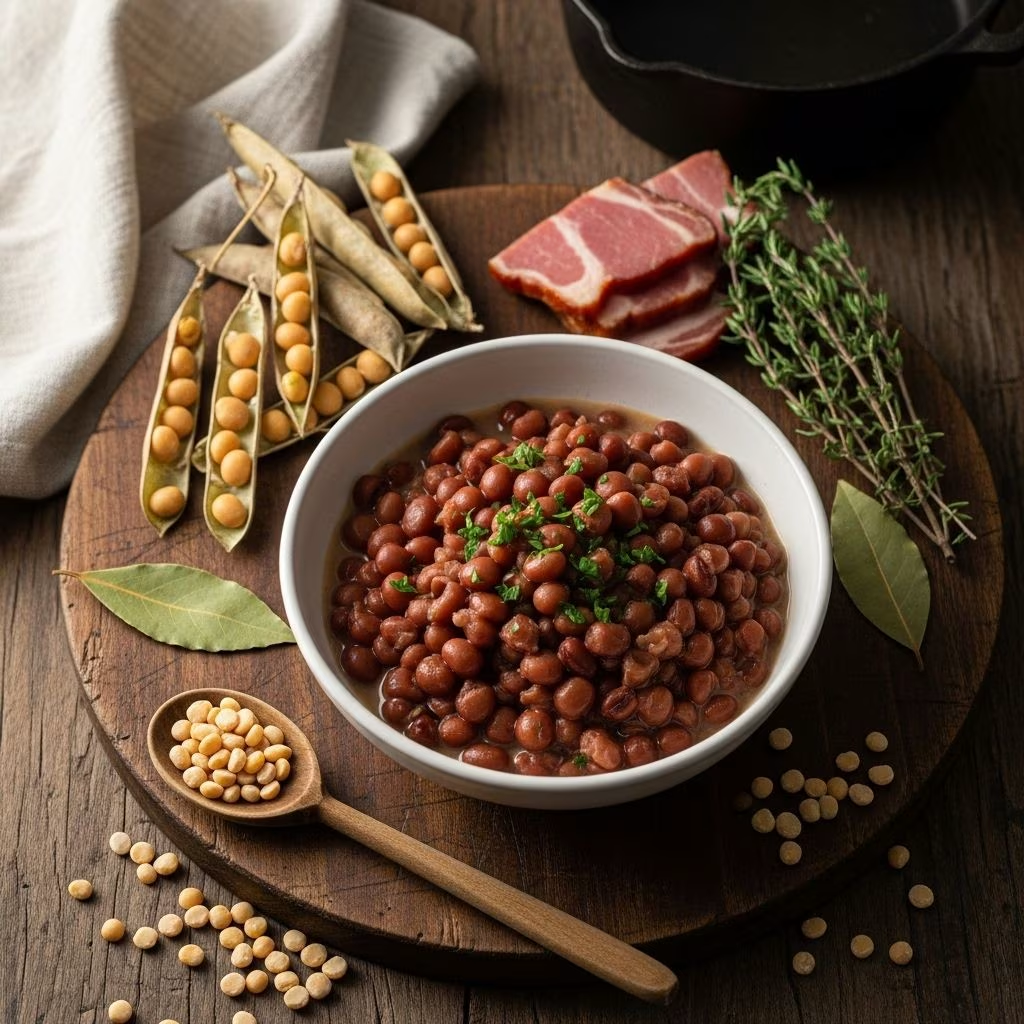
Sea Island red peas are small, ruddy-hued legumes indigenous to the Sea Islands—a string of barrier islands along the coasts of South Carolina and Georgia. These peas belong to the species Vigna unguiculata, making them more closely related to cowpeas than true peas. Prized by generations of Gullah Geechee cooks, they have been a dietary mainstay since their introduction to the region centuries ago.
Distinctive Features
- Color: Reddish-brown with a creamy interior.
- Flavor: Earthy, nutty, and mildly sweet—richer than black-eyed peas.
- Texture: Soft yet holds shape well when cooked.
- Uses: Stews, Hoppin’ John, soups, side dishes, and succotash.
Historical Significance and Cultural Roots
Gullah Geechee communities, descended from enslaved Africans brought to the Sea Islands, cultivated Sea Island red peas as both a food source and a cultural touchstone. For centuries, these peas formed the base of celebratory dishes like Hoppin’ John—a classic New Year’s Day meal symbolizing luck and prosperity. Despite the hardships faced by Gullah families, growing and preparing these legumes became a way of preserving culinary and cultural identity.
From Heritage to Heirloom
Though their popularity waned in the 20th century, recent years have seen a concerted effort among chefs, farmers, and historians to revive Sea Island red peas. Today, they are celebrated as a symbol of Southern heritage and agricultural resilience.
How to Cook Sea Island Red Peas
Sea Island red peas benefit from gentle, slow cooking that enhances their natural sweetness and tender texture. The basic process begins with an overnight soak, followed by simmering with flavorful aromatics and, traditionally, smoked meats or savory stocks. Below is a detailed recipe inspired by heritage methods, perfect for those seeking an authentic Lowcountry experience.
Classic Sea Island Red Peas Recipe
Ingredients
- 1 cup dried Sea Island red peas
- 1 quart chicken or ham stock (vegetable stock for vegetarian version)
- 3 slices thick-cut bacon or 1/2 cup diced salt pork (optional for meat-eaters)
- 1/2 onion, peeled and left intact
- 1/2 carrot, peeled
- 1-2 celery stalks
- 2 cloves garlic, smashed
- 1 bay leaf
- 1 teaspoon mild curry powder
- 1/2 teaspoon cayenne pepper (adjust to taste)
- Salt and freshly ground black pepper, to taste
- (Optional): 1/3 cup of peas (for thickening)
Instructions
- Soak the Peas: Place dried peas in a bowl and cover with at least twice the volume of water. Refrigerate and soak overnight.
- Render Bacon: If using bacon, cook in a heavy-bottomed pot over medium heat until crisp. Remove and reserve for later.
- Build the Base: Add the peas, onion, carrot, celery, garlic, bay leaf, curry powder, and cayenne to the pot. Pour in the stock and bring to a boil over high heat.
- Simmer: Cover, reduce the heat to maintain a gentle simmer, and cook for 75 to 90 minutes, or until peas are tender but not falling apart.
- Finish: Remove the aromatics (onion, carrot, celery, bay leaf). For extra creaminess, puree 1/3 cup of the cooked peas and stir back into the pot. Add reserved bacon, salt, and pepper to taste.
- Serve: Ladle peas over rice, cornbread, or alongside stewed greens.
Chef’s Notes and Variations
- Swap bacon for smoked turkey wings or necks for a different smoky flavor.
- For a vegetarian option, use olive oil to sauté aromatics and vegetable stock for simmering.
- Traditional recipes sometimes include diced tomatoes, sweet peppers, or okra, especially when served as part of a succotash.
- Don’t rush the simmering: slow cooking over low heat yields the best flavor and texture.
The Culinary Role of Sea Island Red Peas
In Hoppin’ John and Beyond
Hoppin’ John—black-eyed pea and rice dish—has its most authentic version made with Sea Island red peas. This dish is served at New Year’s for luck but features throughout the year as a staple side or main dish.
In Soups, Stews, and Succotash
Chefs and home cooks alike embrace Sea Island red peas in a variety of preparations, including hearty stews, Louisiana-style succotash (with corn, peppers, and okra), or simply simmered and spooned over hot rice.
Featured Recipe Table: Sea Island Red Peas vs. Black-Eyed Peas
| Feature | Sea Island Red Peas | Black-Eyed Peas |
|---|---|---|
| Color | Reddish-brown | Cream with black “eye” |
| Texture | Creamier, tender but not mushy | Firm and slightly grainy |
| Flavor | Earthy, nutty, slightly sweet | Milder, less robust |
| Culinary Uses | Hoppin’ John, stews, succotash | Hoppin’ John, salads, fritters |
Tips for Perfect Sea Island Red Peas Every Time
- Buy fresh, heirloom peas: Older, dried peas can take much longer to cook and may never fully soften.
- Soak overnight: Essential for shortening cook time and improving texture.
- Skim foam during initial simmer: This helps avoid cloudiness in your pea broth.
- Layer flavors: Don’t skip aromatics like onion, celery, and garlic for a robust result.
- Garnish options: Top with crumbled bacon, fresh green onions, or a dash of hot sauce for extra dimension.
Where to Buy Sea Island Red Peas
Look for Sea Island red peas at specialty food stores, heritage grain suppliers, or reputable online sources. Popular purveyors include Gullah farmers, organic markets, and selected Southern-focused culinary retailers. Sourcing peas from local growers supports ongoing biodiversity and the preservation of Lowcountry agriculture.
Serving Suggestions
- Classic pairing: Steamed Carolina Gold rice, sautéed collard or mustard greens, and cornbread.
- Modern take: Use cold cooked red peas in salads with fresh herbs and citrus vinaigrette.
- Potlikker soup: Simmer peas in greens broth and serve with crusty bread.
- Festive table: Top with crumbled country sausage or serve as part of a Lowcountry seafood boil.
Storing and Reheating Tips
- Readily prepared peas keep for up to 4 days in the refrigerator in an airtight container.
- Reheat gently on the stove, adding a splash of water or broth to restore texture.
- Sea Island red peas freeze well—freeze in batches with some of the cooking liquid to retain moisture.
Frequently Asked Questions (FAQs)
What makes Sea Island red peas unique compared to other Southern beans?
Sea Island red peas are prized for their small size, reddish color, earthy flavor, and historical connection to Gullah Geechee heritage, offering a richer taste and creamier texture than more common black-eyed peas.
Can I substitute black-eyed peas in recipes calling for Sea Island red peas?
While black-eyed peas can be used as a substitute, they lack the nuanced flavor and authenticity, especially in heritage dishes like Hoppin’ John.
How do I ensure my peas are tender and not tough or mushy?
Always soak peas overnight and cook them at a gentle simmer. Use fresh, high-quality dried peas, and avoid overcooking, which can cause them to disintegrate.
Are Sea Island red peas gluten-free?
Yes, they are naturally gluten-free, making them an excellent protein and fiber source for gluten-free diets.
Where can I learn more about Gullah Geechee foodways?
Explore resources on Lowcountry history, visit Gullah festivals, and seek out books and documentaries focused on the food culture of the Sea Islands for an in-depth understanding.
Conclusion
The story of Sea Island red peas is one of persistence—of land, people, and tradition. Reintroducing these heirloom legumes to your table is more than a culinary adventure; it is a celebration of Southern resilience and ingenuity. Whether cooked simply or elevated with chef-driven twists, Sea Island red peas offer a taste of history, community, and the enduring legacy of the Lowcountry.
References
- https://sunsetandsewanee.com/heirloom-sea-island-red-peas/
- https://thelocalpalate.com/recipes/sea-island-red-pea-succotash/
- https://ansonmills.com/recipes/771
- https://ansonmills.com/recipes/736
- https://www.locallifesc.com/the-resurgence-of-sea-island-red-peas/
- https://marshhenmill.com/blogs/mhm-recipes/easy-sea-island-red-peas-or-black-eyed-peas