The Ultimate Guide to Shrimp Sizes: Tips, Charts, and Cooking Advice
Whether you’re a seafood enthusiast or simply looking to improve your home-cooked meals, understanding shrimp sizes is essential for creating delicious dishes. Shrimp are one of the world’s most versatile and popular proteins, appearing in everything from light salads to dramatic seafood platters. But what do those numbers on shrimp packages mean? How does shrimp size affect your recipe, and what should you buy for grilling versus cocktail appetizers?
This guide breaks down how shrimp are sized and labeled, provides handy charts and tips, and offers expert advice on how to pick, prepare, and cook shrimp for any occasion.
How Shrimp Are Sized and Labeled
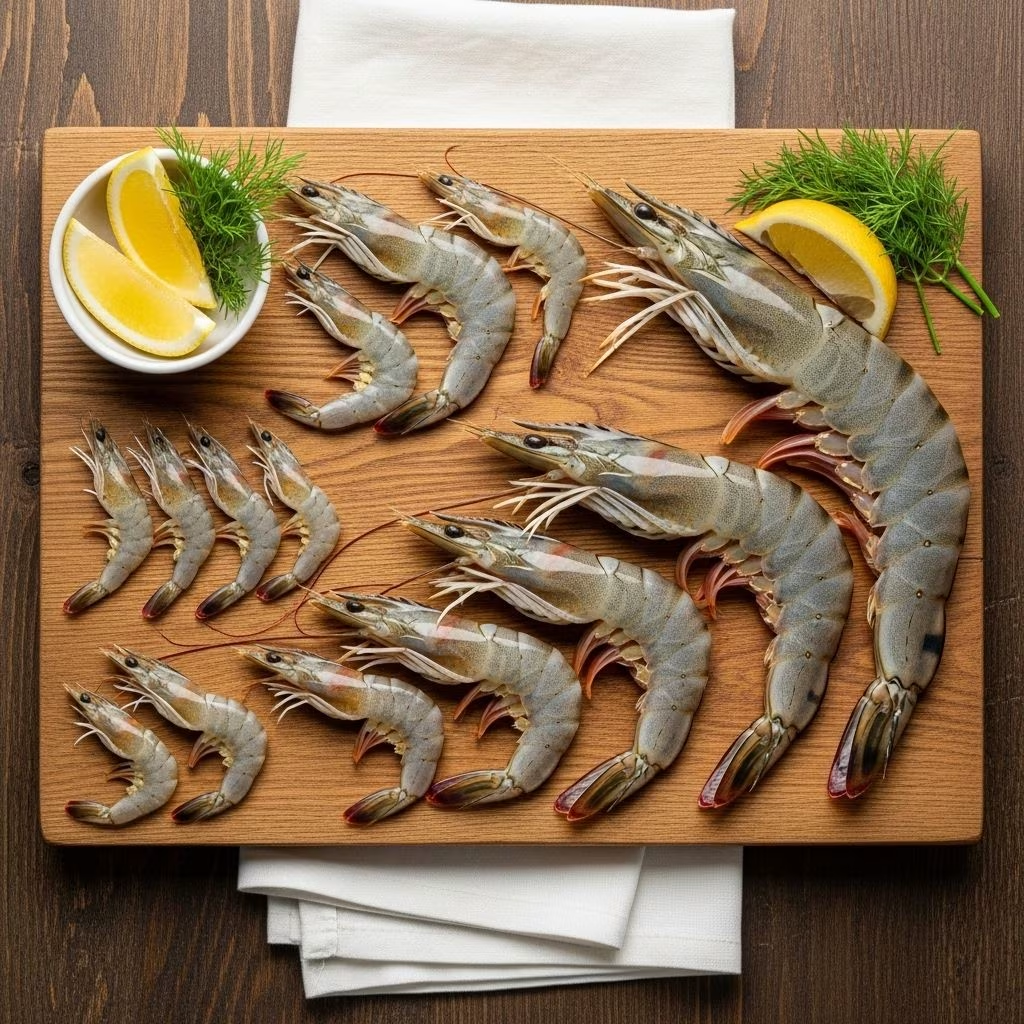
Shrimp are categorized by count per pound, not by length or diameter. On packaging, you’ll see numbers like 21/25, U/15, or even descriptive names such as “jumbo” or “colossal.” These numbers indicate how many shrimp make up a pound. For example, 21/25 means you will get 21 to 25 shrimp in a pound.
- Lower numbers = larger shrimp. For example, U/10 are extra-large shrimp: fewer than 10 per pound.
- Higher numbers = smaller shrimp. For example, 71/90 means 71 to 90 small shrimps per pound.
- “U” stands for “under”. U/15 means fewer than 15 shrimp in a pound.
While some stores also use terms like “medium” or “jumbo,” these words aren’t standardized, so always check the numerical sizing for accurate purchasing.
Common Shrimp Size Labels and Count Ranges
| Size Name | Count Per Pound | Common Uses |
|---|---|---|
| Super Colossal | U/10 (less than 10) | Baking, stuffing, luxury plating |
| Colossal | U/15 | Cocktail, upscale appetizers, grilling |
| Jumbo | 16/20 or 21/25 | Grilling, skewering, main dishes |
| Large | 26/30 or 31/40 | Sautéing, shrimp scampi, pasta |
| Medium | 41/50 or 51/60 | Salads, dips, tacos |
| Small | 71/90 | Spread, stuffing, rice dishes |
| Extra Small | 91/100 | Garnishes, spreads |
Understanding Count Per Pound
Every shrimp size label tells you approximately how many shrimp you’ll get in a one-pound bag. This is a critical metric for making shopping decisions, planning meal portions, and controlling cooking times.
- Colossal: U/6, 6/8, 8/12 — rarely more than 12 shrimp per pound.
- Jumbo: 13/15, 16/20, or 21/25 shrimp/pound.
- Large: 26/30 or 31/40 shrimp/pound.
- Medium: 41/50 or 51/60 shrimp/pound.
- Small/Extra Small: 71/90 or 91/100 shrimp/pound.
As a general rule: the bigger the shrimp, the fewer per pound—and the more dramatic your presentation will be.
How Cooking Methods Relate to Shrimp Size
One of the most important reasons to understand shrimp sizing is cooking time. The size of the shrimp directly influences how long it needs to cook and the best recipe choices for each type.
- Large and jumbo shrimp hold up well to grilling and frying. They’re easier to skewer and flip, and they retain their texture at high heat.
- Colossal and super colossal shrimp are dramatic—excellent for baking, roasting, or making stuffed shrimp dishes. Presentation is the focus here.
- Medium and small shrimp cook very quickly and are ideal for salads, dips, and stir-fries where overcooking can ruin texture.
- Extra-small shrimp (over 90 per pound) are best used as garnishes, in spreads, or in recipes where shrimp flavor needs to be distributed throughout the dish.
Approximate Cooking Times By Size
| Shrimp Size | Per 3oz Serving | Approximate Cook Time |
|---|---|---|
| Super Colossal (U/10) | 2–3 shrimp | 12–15 minutes (baking/stuffing) |
| Colossal (U/15) | 3–4 shrimp | 8–12 minutes (grilling) |
| Jumbo (16/20) | 4–6 shrimp | 8–10 minutes (grill/pan fry) |
| Large (26/30) | 6–9 shrimp | 6–8 minutes (sautéing) |
| Medium (41/50) | 10–15 shrimp | 3–5 minutes (quick fry) |
| Small (71/90) | 18–22 shrimp | 1–2 minutes (dips/salad) |
Choosing Shrimp Size for Different Recipes
- Grilled shrimp skewers: Jumbo or colossal (13/15 to 21/25) for easy flipping and succulent texture.
- Shrimp cocktail: Large or colossal (16/20, U/15) for dramatic presentation.
- Pastas and stir-fries: Medium or large (26/30, 41/50) for good distribution and quick cooking.
- Salads and dips: Small or medium (51/60, 71/90) to blend flavors evenly.
- Baking and stuffing: Super colossal or colossal (U/10, U/15).
How Processing Affects Shrimp Size Labeling
Shrimp are sold whole or processed—shell-on, shell-off, peeled, deveined, or with heads. These choices affect actual size and yield after cooking. Here’s what to know:
- Head-on shrimp: Two sizes larger than peeled/deveined.
- Shell-on, tail-on shrimp: One size larger than peeled/tail-off.
- Peeled, tail-off shrimp: Smallest yield; count only the meat.
Example: If you buy head-on colossal shrimp (16–20 per pound), after removing the head it’s roughly equivalent to 26–30 per pound; after shell removal about 31–40 per pound.
Also, as shrimp cook, they lose water and shrink. So the final appearance will be slightly smaller than when raw. If you purchase shrimp that have been preserved with additives, they may retain more water initially, but lose it during cooking, resulting in even greater shrinkage.
Shoppers’ Guide to Shrimp Labels and Common Terms
- Jumbo: Typically 13/15 or 16/20 per pound. Ideal for grilling or main protein dishes.
- Colossal: Usually marked as U/15 or U/12. Ideal for impressive presentations or stuffing.
- Large: 26/30 or 31/40. Versatile for pastas, tacos, stir-fries.
- Medium: 41/50 or 51/60. Used commonly in salads and lighter fare.
- Small/Extra-Small: 71/90 and up. For garnishes, dips, or spreads.
Because naming conventions vary, rely most on the count per pound rather than vague labels. Not all suppliers use “colossal,” “jumbo,” or “large” identically.
Tips for Buying the Perfect Shrimp
- Always check the count per pound for accuracy rather than solely relying on the size label.
- Decide on shell, tail, and head options based on your recipe. Shell-on shrimp can be more flavorful but require extra prep.
- For dramatic or formal presentations (shrimp cocktail, holiday platters), choose large sizes (U/15 or lower).
- For quick-cooking or mixed dishes, use medium or small shrimp (sets over 41 per pound).
- If grilling or frying, bigger shrimp handle heat much better, while smaller shrimp risk overcooking quickly.
Frequently Asked Questions (FAQs)
Q: Why do shrimp sizes have two numbers, like 16/20?
A: The two numbers tell you the range of shrimp per pound. 16/20 means you’ll get between 16 and 20 shrimp in a one-pound package.
Q: What does the “U” in shrimp sizing mean?
A: “U” stands for “under.” So U/15 means there are under 15 shrimp in a pound—indicating very large shrimp.
Q: If I buy head-on shrimp, how does that affect portion size?
A: Shrimp with the heads on are two sizes larger than peeled-and-deveined. After removing the heads and shell, you’ll end up with less meat per shrimp, so adjust your purchase accordingly.
Q: Why do shrimp seem smaller after cooking?
A: Shrimp shrink as they cook because they lose water weight, especially if they’ve been frozen or treated with preservatives.
Q: What size shrimp should I choose for grilling?
A: Jumbo or colossal shrimp (13/15, 16/20, or U/15) work best for grilling since their larger size holds up to heat and handling.
Q: Is there a big difference in taste or texture between sizes?
A: Yes. Larger shrimp tend to be meatier and have a more robust flavor, while smaller shrimp cook faster and can overcook easily, but blend into cold dishes and dips well.
Q: Are there any risks to overcooking shrimp?
A: Overcooked shrimp become rubbery and tough. Always follow appropriate cook times for the size you use for the best texture.
Summary and Buying Recommendations
- Check the count per pound—it’s the most accurate way to judge shrimp size.
- Choose larger shrimp for grilling, cocktails, or stuffing; smaller shrimp for salads, dips, or fast-cooking recipes.
- Consider shrinkage during cooking, and plan for portion loss if buying head-on or shell-on shrimp.
- Always confirm which labels your supplier uses, as sizing terms (“jumbo,” “colossal,” etc.) aren’t standardized.
Related Shrimp Topics
- How to clean and devein shrimp
- Best recipes for grilling shrimp
- How to store and thaw frozen shrimp safely
- Shrimp cocktail presentation ideas
- Understanding wild vs. farmed shrimp