The Singapore Sling stands as one of the world’s most legendary gin cocktails, celebrated for its lush color, complex fruit flavors, and an origin story as riveting as its taste. Behind the inviting sweetness and vivid red hue lies more than a mere drink—it is a living symbol of Singapore’s colonial past, creative bartending, and cocktail evolution. This comprehensive guide delves into the origins, history, recipes, and the unique allure that keeps this classic refreshed in bars worldwide.
What Is the Singapore Sling?
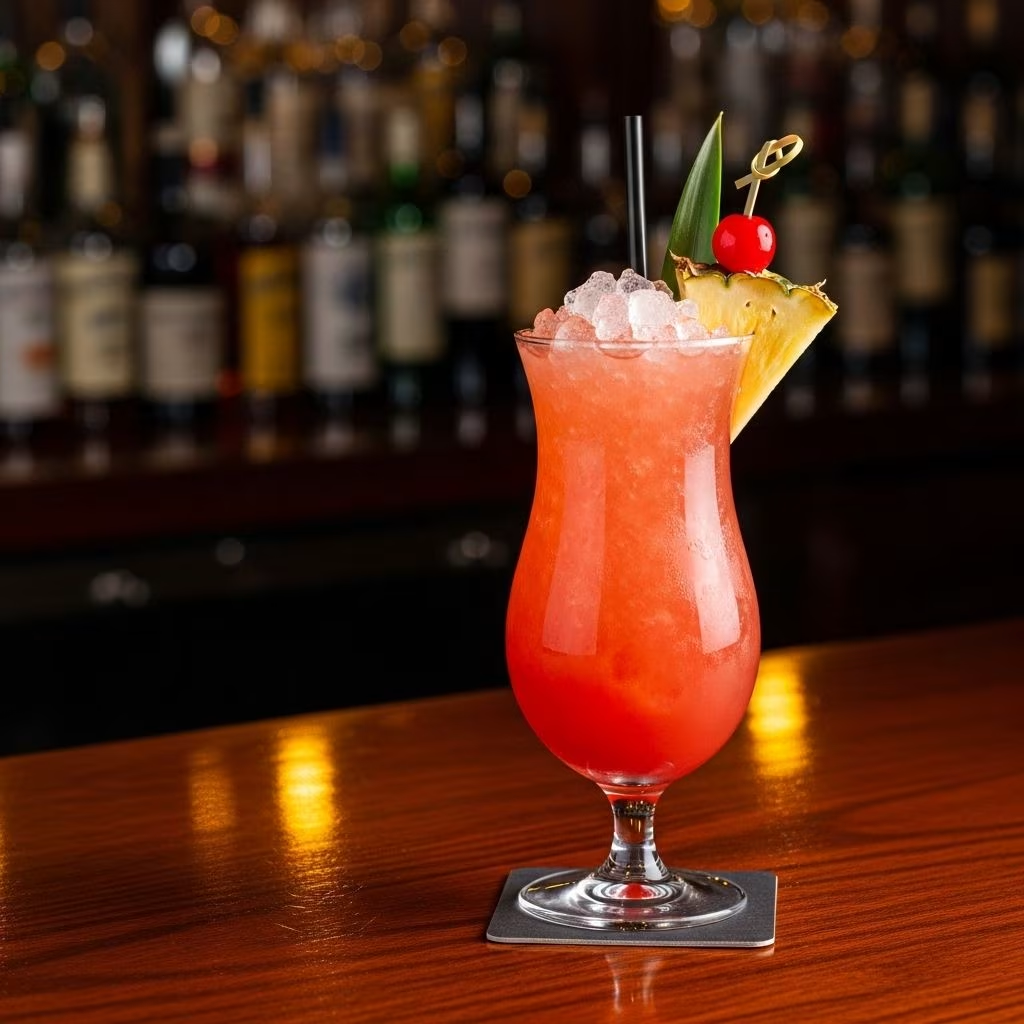
The Singapore Sling is a gin-based cocktail laced with tropical, herbal, and fruit flavors. Its signature pink or ruby-red color comes from cherry liqueur, complemented by aromatic Bénédictine, pineapple juice, and a host of other ingredients that vary by recipe. While its original version was straightforward and spirit-forward, the Sling as we know it today is a meticulous, multi-ingredient cocktail that evokes both spectacle and sophistication.
- Main Spirit: London dry gin
- Distinct Additions: Cherry liqueur, pineapple juice, lime juice, Bénédictine, Cointreau, grenadine, and bitters
- Traditional Garnish: Pineapple wedge and maraschino cherry
- Served: Over ice in a tall (highball or hurricane) glass
The Mysterious Origins of the Sling
The precise beginnings of the Singapore Sling are shrouded in myth and fragmented records. The most broadly accepted account traces its creation to the renowned Raffles Hotel’s Long Bar in Singapore circa 1915. Here, bartender Ngiam Tong Boon constructed the Sling as a decorative, fruit-forward cocktail tailored for women in an era when overt alcohol consumption by women was frowned upon. Presented as a pretty pink punch, the drink allowed ladies to partake with subtlety and class, a social nuance tucked behind its sweetness.
Alternative histories abound—some suggest similar gin “slings” (simple drinks mixing spirit, sugar, and sometimes spice) were being served across Singapore well before 1915, evolving in complexity as local tastes and international influences intermingled. Cocktail historian David Wondrich’s research reveals earlier mentions of the genre, but it was the version at the Raffles Hotel, crowned by its tropical fruit and herbal liqueurs, that cemented the Singapore Sling’s fame.
Theories About the Name
- The word “sling”—from the German schlingen, meaning “to swallow”—originally referred to any spirit mixed with water and sugar, sometimes with nutmeg or bitters.
- “Straits Sling” was another early name, referencing Singapore’s historical grouping with Penang and Malacca as the Straits Settlements. Over time, the drink became synonymous with Singapore and shed broader colonial nomenclature.
How the Recipe Changed: From Classic to Contemporary
Much like its legend, the original Singapore Sling recipe has shifted with time. Early records—some reliable, others lost—suggest a markedly simple drink of gin, lemon or lime juice, sugar, and sometimes soda, cherry brandy, or Bénédictine. Over decades, as the drink traveled and tastes evolved, bartenders layered in pineapple juice, Cointreau, grenadine, and bitters for a lusher, fruitier effect. The result: an iconic cocktail that both invites reinvention and resists rigid codification.
| Era | Key Ingredients | Notes |
|---|---|---|
| Early 1900s | Gin, lemon/lime, cherry brandy, Bénédictine, soda | Sometimes included grenadine or red wine |
| Post-1970s | Gin, cherry brandy, Cointreau, Bénédictine, pineapple and lime juice, grenadine, bitters | Popularized by the Raffles Hotel recreation |
This fluidity is central to the Sling: the “exact recipe” has always been negotiable, and even today, renowned bars offer their own riffs, each emphasizing certain flavors or techniques.
The Singapore Sling: Official and Iconic Recipes
Despite disputes over its composition, the International Bartenders Association (IBA) lists an official recipe that captures the prevailing consensus among professionals. Here is the version most closely associated with the drink’s modern form:
IBA Singapore Sling Recipe
- 3 cl gin
- 1.5 cl cherry liqueur (cherry brandy)
- 0.75 cl Cointreau
- 0.75 cl Bénédictine DOM
- 1 cl grenadine
- 12 cl pineapple juice (preferably fresh-pressed Malacca/Sarawak variety)
- 1.5 cl fresh lime juice
- 1 dash Angostura bitters
- Garnish: Pineapple wedge and maraschino cherry
Preparation Steps
- Fill a shaker with ice and add all liquid ingredients.
- Shake vigorously until well-chilled (about 15 seconds).
- Strain into a tall glass filled with fresh ice.
- Garnish with a wedge of pineapple and a cherry.
Essential Ingredients and Technique: What Makes a Sling Authentic?
Crafting the perfect Singapore Sling is more art than science, demanding fresh ingredients, precise balance, and thoughtful construction. Here are the elements that make the difference between an average and outstanding Sling:
- Gin: London dry gin forms the backbone. Choose a spirit with strong juniper and citrus notes for structure.
- Pineapple Juice: Authentic Slings favor fresh-pressed juice, especially from Southeast Asian pineapples for their aroma and slight tartness.
- Cherry Liqueur: Heering cherry liqueur is the historical favorite, imparting deep color and fruitiness.
- Bénédictine: Adds herbal and spice notes, elevating the drink’s aromatic complexity.
- Lime Juice: Use only fresh-squeezed for the cleanest acidity.
- Grenadine: Opt for real pomegranate-based grenadine; it provides not just color but subtle tartness and floral qualities.
- Bitters: Angostura or other aromatic bitters pull the flavors together and amplify the drink’s bouquet.
- High-Quality Ice: Use large, clear cubes to chill without over-diluting.
The Singapore Sling at the Raffles Hotel: Ritual and Atmosphere
To sip a Singapore Sling at the Raffles Hotel’s Long Bar is to enjoy a ritual steeped in nostalgia and a touch of playful anachronism. Here, bartenders—often mixing pre-batched Sling for fierce demand—pour the drink high into tall glasses as peanut shells crunch underfoot. This tradition, unique to the bar since the 1920s, adds to the coveted experience, defying Singapore’s otherwise strict attitudes toward public tidiness.
Visitors note that the Sling is more than a drink—it’s a performance, a taste of Singapore’s colonial opulence, and, for many, a bucket-list cocktail experience. Despite this, experts advise that the real magic lies not in the venue, but in the craft and balance of the recipe itself.
Variations and Modern Riffs
Given its hazy origins and forgiving structure, the Singapore Sling is especially open to reinterpretation. Modern bartenders and home enthusiasts alike experiment with flavors while remaining true to the drink’s vibrant, refreshing DNA. Here are some notable Sling variations:
- The Straits Sling: A simpler, spirit-forward ancestor featuring gin, lemon juice, sugar, and soda, sometimes with a dash of bitters or cherry brandy.
- Hotel-Specific Takes: Each major hotel or high-end cocktail bar in Singapore may serve a proprietary recipe, riffing on the traditional version with local fruits or unique aromatic infusions.
- Tropical Fruit Slings: Swapping in lychee, passionfruit, or mango for the pineapple juice gives the drink a new, regionally inspired twist.
- Reduced-Sugar Slings: Some find the classic recipe overly sweet and choose to temper the sweetness by reducing grenadine or using dry gin with increased acidity.
Serving Tips and Presentation
Beyond its flavor, the Singapore Sling is famed for its dazzling presentation. The classic garnish—a fan of pineapple and a cherry—evokes old-school luxury and tropical escapism. Serve in a tall hurricane or highball glass for the authentic look. Clear ice helps preserve color and structure, ensuring the cocktail remains cool and visually vibrant to the last sip.
Pro Tips for Mixing the Perfect Singapore Sling
- Use fresh ingredients: Fresh pineapple and lime juice make a profound difference in flavor intensity and complexity.
- Mind your sweetness: Taste your grenadine and liqueurs first; not all brands are equally sweet. Adjust the lime juice or reduce syrup to ensure balance.
- Shake thoroughly: Proper aeration and chilling help emulsify the fruit juices and liqueurs, yielding a smoother, frothier drink.
- Experiment thoughtfully: Try switching up bitters or experimenting with other fruit liqueurs for subtle, personalized variations.
Cultural Impact and Enduring Popularity
The Singapore Sling endures because it is both a taste of history and a flexible template for innovation. Its rise to fame is entwined with Singapore’s status as a vibrant global crossroads—blending English colonial tradition, Asian ingredients, and a welcoming approach to mixing and mingling. Today, the drink is featured on menus worldwide, emblematic of both tropical luxury and cosmopolitan flair.
Whether mixed at the Raffles under whirring ceiling fans or crafted at home for a celebration, the Sling continues to signal hospitality, adventure, and a bit of mischievous liberation—true to the original spirit conceived a century ago.
Frequently Asked Questions (FAQs)
Q: Who really invented the Singapore Sling?
A: The most widely accepted origin story credits Ngiam Tong Boon, bartender at the Raffles Hotel Long Bar, around 1915. Earlier versions may have existed elsewhere in Singapore, but the Raffles recipe became the prototype for the modern Sling.
Q: What is the difference between a Singapore Sling and a gin sling?
A: A gin sling is much simpler—just gin, sugar, water (hot or cold), and sometimes nutmeg or lemon. The Singapore Sling is a much more elaborate, tropical, and colorful evolution.
Q: Can I substitute ingredients in a Sling?
A: Yes, many bartenders make small adjustments based on ingredient availability or to cater to personal taste. However, for the classic version, keep to gin, cherry liqueur, Bénédictine, pineapple and lime juice, Cointreau, grenadine, and bitters.
Q: Is the Singapore Sling considered a tiki drink?
A: No. Though it shares some qualities with tiki cocktails—like vibrant color and tropical flavors—it predates the tiki movement and draws primarily from colonial-era and Asian influences.
Q: Why is the drink so often associated with women?
A: The original was designed to be discreetly served to women who, due to social conventions at the time, were not encouraged to drink spirits in public.
Q: What’s the ideal glassware for serving?
A: Highball or hurricane glasses are most traditional, lasting symbols of the drink’s opulence and flamboyance.
Further Reading and Resources
- “The Oxford Companion to Spirits and Cocktails” – a key reference for deeper cocktail history
- Imbibe Magazine, Diageo Bar Academy, and Travel Distilled—leading sources for historical deep-dives and recipes
References
- https://www.diageobaracademy.com/en-zz/home/classic-cocktails/the-notorious-singapore-sling
- https://www.traveldistilled.com/history-of-the-singapore-sling/
- https://www.youtube.com/watch?v=8dQokjzjFDI
- https://imbibemagazine.com/origins-of-the-singapore-sling/
- https://www.independent.co.uk/travel/asia/singapore-sling-recipe-cocktail-how-to-make-raffles-hotel-history-a9025201.html
- https://www.nlb.gov.sg/main/article-detail?cmsuuid=a671de5e-c8f0-49a8-9569-4a71fd0d8408