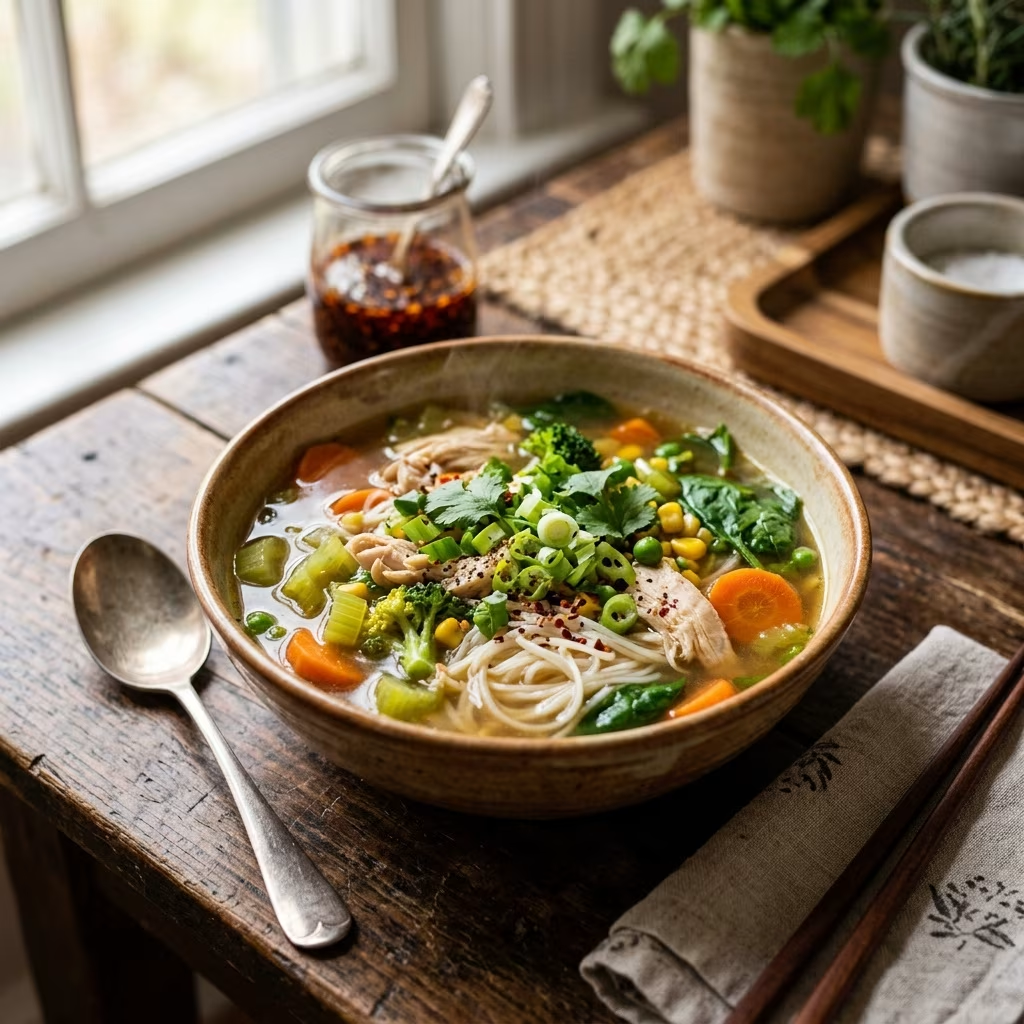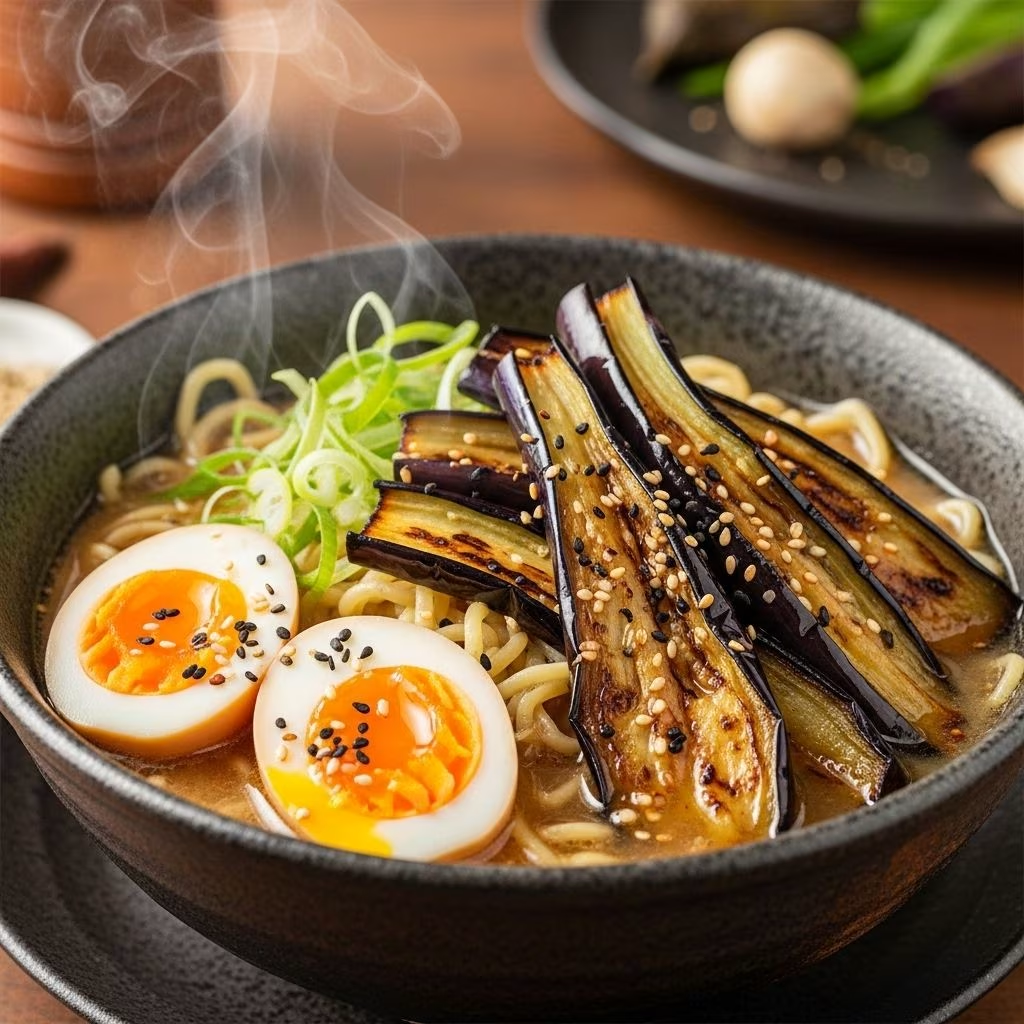
When elevating a bowl of ramen, creativity in toppings is essential. While classics like chashu pork, marinated eggs, or menma (bamboo shoots) have stood the test of time, contemporary cooks are increasingly seeking out plant-based alternatives that can supply similar levels of umami, texture, and intrigue. Enter smoked eggplant—a topping that packs intense smoky flavor, silky texture, and complex depth, making it a stand-out addition to any bowl of ramen, vegetarian or otherwise.
Why Smoked Eggplant Works Wonders as a Ramen Topping
Eggplant is a remarkable vegetable capable of soaking up flavors, transforming textures, and delivering a mouthfeel that few plants can rival. When smoked over intense heat, its flesh collapses to a smooth, caviar-like silkiness, absorbing all the aromatic notes the smoke can offer. The resulting product is earthy, sweet, and savory, with a layered smokiness that pairs exceptionally well with ramen’s rich broth and chewy noodles.
- Umami Depth: Smoking eggplant coaxes out its natural glutamates, enhancing its savory qualities.
- Smooth, Rich Texture: The flesh becomes spreadable and luxurious, reminiscent of slow-cooked meats.
- Versatile Flavor Profile: Smoked eggplant adapts easily to various ramen styles—from shoyu to miso to veggie-centric bowls.
- Vegan and Gluten-Free: It’s a naturally plant-based, allergen-friendly option for diverse diets.
The Inspiration: A Touch of Japanese and Middle Eastern Cooking
Smoking eggplant as a culinary technique is rooted both in Japanese and Middle Eastern traditions. The Japanese dish nasu dengaku employs broiled miso-glazed eggplant, while dishes like baba ganoush and mutabal from the Middle East celebrate the vegetable’s smokiness. For ramen, the smoky technique bridges both traditions, lending an element more often associated with meat or fish, but entirely from the plant world.
Choosing the Right Eggplant and Tools
To prepare the ultimate smoked eggplant topping, start with the right variety and equipment:
- Type of Eggplant: While globe eggplants work beautifully, Japanese or Chinese eggplant varieties also yield excellent results due to their thin skins and tender flesh.
- Heat Source: A gas stovetop, grill, or broiler offers the sustained high heat necessary to blister and collapse the skin, imparting deep smokiness.
- Tongs: Essential for turning the eggplant safely during smoking.
- Bowl and Plastic Wrap: Needed for steaming and cooling, which helps separate the flesh from the skin.
Step-By-Step Guide: How to Smoke Eggplant for Ramen
- Wash and Dry the Eggplants: Trim the tops, leaving the green calyx (cap) attached to keep the flesh intact.
- Smoke the Eggplants: Char the eggplants directly over a gas flame, on a grill, or under a broiler. Rotate frequently with tongs until the skins are completely blistered and the flesh feels very soft—about 10 to 15 minutes.
- Steam and Cool: Transfer the hot, charred eggplants to a bowl and cover tightly with plastic wrap. Let stand for 10 minutes, allowing the residual heat to steam the flesh for easier peeling.
- Peel the Eggplants: Once cool enough to handle, gently peel off and discard the blackened skins. Avoid washing off the smoky juices—these are key to flavor.
- Drain and Season: Let the naked eggplant rest on a wire rack or in a fine-mesh sieve to drain excess moisture. Finish by seasoning with a dash of soy sauce or miso, a drizzle of toasted sesame oil, and a light sprinkle of sugar to amplify caramelization and umami.
Pro Tips for Maximum Flavor
- Direct Heat is Key: Char the eggplants directly over flame whenever possible for the deepest smoky flavor.
- Don’t Overseason: The natural smokiness should shine; season judiciously.
- Proper Draining: Eggplants can carry a lot of moisture. Draining on a rack ensures the topping won’t water down your ramen broth.
Serving Suggestions: How to Incorporate Smoked Eggplant into Ramen
Smoked eggplant can be served in several ways within a ramen bowl:
- Large Chunks: Place generous pieces on the noodles for a bold, rustic statement.
- Sliced or Torn: For a thinner, more integrated topping, slice or tear into strips and scatter over the bowl.
- Whipped or Mashed: For a creamy effect, mash the flesh and spoon dollops throughout the broth.
- With Garnishes: Pair with fresh scallions, sesame seeds, or even pickled ginger to cut the richness and add contrast.
Flavor Pairing Ideas
Smoked eggplant is highly adaptable. Here are a few compatible ramen flavor profiles:
| Ramen Base | Why It Works | Suggested Additions |
|---|---|---|
| Miso | Matches eggplant’s earthy notes; amplifies umami | Corn, bamboo shoots, soft-boiled eggs |
| Shoyu (Soy Sauce) | Savory soy flavors complement smoky richness | Shredded nori, watercress, marinated tofu |
| Vegan Broth | Makes up for the lack of meaty toppings | Mushrooms (shiitake or enoki), chili oil, fried garlic |
| Spicy Broth | Smoke provides a backbone for heat | Chili threads, pickled mustard greens, sesame paste |
Storage and Make-Ahead Tips
- Short-Term Storage: Store smoked eggplant in an airtight container in the refrigerator for up to 3 days. Bring to room temperature before using, or rewarm gently.
- Meal Prep: Smoke several eggplants at once; they hold flavor well and make an excellent last-minute topping.
- Freezing: The texture may suffer slightly, but freezing is possible; thaw and drain well before adding to ramen.
Other Uses for Smoked Eggplant
If you have leftovers, try smoked eggplant in:
- Sandwiches or Wraps—as a spread or filling
- Grain Bowls—with rice, quinoa, or farro
- As a Dip—blended with tahini and lemon
- On Toast—paired with miso or tomato jam
Frequently Asked Questions (FAQs)
Q: Can I smoke eggplant without an open flame?
A: Absolutely! If a gas stove or grill isn’t available, use the broiler setting of your oven. Place eggplants on a baking sheet and turn every few minutes until the skin is blistered all over. While the smoke may be less intense, you’ll still get delicious results.
Q: Which types of ramen benefit most from smoked eggplant?
A: Smoked eggplant shines in richly flavored broths like miso, spicy, or even robust shoyu-based ramen. It’s particularly transformative in plant-based or vegan bowls, lending the dish a savory richness more commonly associated with meat toppings.
Q: Can I add other seasonings or sauces?
A: Yes! While restraint lets the smoke shine, additional flavors—such as grated ginger, garlic, spicy chili oil, or even a hint of vinegar—can add complexity. Try experimenting to suit your preferences and the style of ramen you’re making.
Q: How do I prevent the eggplant from becoming watery?
A: After smoking and peeling, let the eggplant rest on a rack or in a sieve to drain off excess moisture. If necessary, press gently with a spoon to encourage thorough draining without mashing the flesh.
Final Thoughts: A Bold, Plant-Forward Ramen Upgrade
In a bowl of ramen, every topping should contribute both flavor and textural harmony. Smoked eggplant accomplishes this with aplomb: its rich smokiness and smooth consistency make it not just a substitute for meat, but a centerpiece worthy of attention. Easily adaptable, deeply savory, and a treat for plant-based eaters and omnivores alike, this smoked eggplant topping is sure to become a new ramen essential.