Smoked Meats: Elevating Soups and Winter Stews
As the colder months descend, our cravings turn to bowls filled with warmth—soups, stews, and braises that comfort the soul. But these dishes aren’t just about heat; their flavor can reach transcendent depths when one simple ingredient is introduced: smoked meats. Infusing your winter cooking with smoked pork, beef, or poultry unlocks layers of aroma, richness, and complexity that cannot be achieved with fresh cuts alone. This article explores the magic of smoked meats in soups and stews, shares traditional inspirations, practical advice, and recipe ideas for making your cold-weather meals both substantial and memorable.
Why Smoked Meats Make Soups and Stews Special
Smoked meats offer something fresh cuts rarely achieve—a profound, rounded savoriness and subtle, lingering aroma. The smoking process not only flavors the meat but also alters its texture and chemistry, turning simple broths or rustic stews into memorable experiences. Here’s why cooks reach for smoked cuts when soup season begins:
- Flavor Depth: Smoking develops umami notes, woodsy overtones, and slight sweetness, which amplify the natural flavors in legumes, root vegetables, grains, and greens.
- Fat and Collagen: Many smoked cuts—ham hocks, shanks, turkey legs—are rich in fat and connective tissue. These gelatinize during long cooking, giving broths a silky, satisfying feel.
- Preservation: Smoking and curing were originally techniques to extend shelf life, making these meats reliable winter provisions long before refrigeration.
- Cultural Tradition: From feijoada in Brazil to pea and ham soup in England, smoked meats are the backbone of comforting family recipes worldwide.
Classic Smoked Cuts for Soup and Stew
The world of smoked meats is vast. Let’s look at the cuts most favored for hearty, slow-simmered winter dishes:
- Smoked Ham Hocks: These pork knuckles are prized for collagen and meaty shreds. Their smoky, salty punch flavors split pea, bean, and lentil soups.
- Smoked Turkey Wings and Legs: Leaner than pork, smoked turkey parts offer excellent texture and their own subtle smokiness—try them in greens or gumbo.
- Smoked Sausages (Andouille, Kielbasa, Chorizo): Sliced into stews, sausages bring spice and richness; essential in gumbo, cassoulet, and Hungarian bean soup.
- Bacon and Salt Pork: Used for their fat and crisp bits. Bacon, rendered at the start and added again at the finish, bookends flavor.
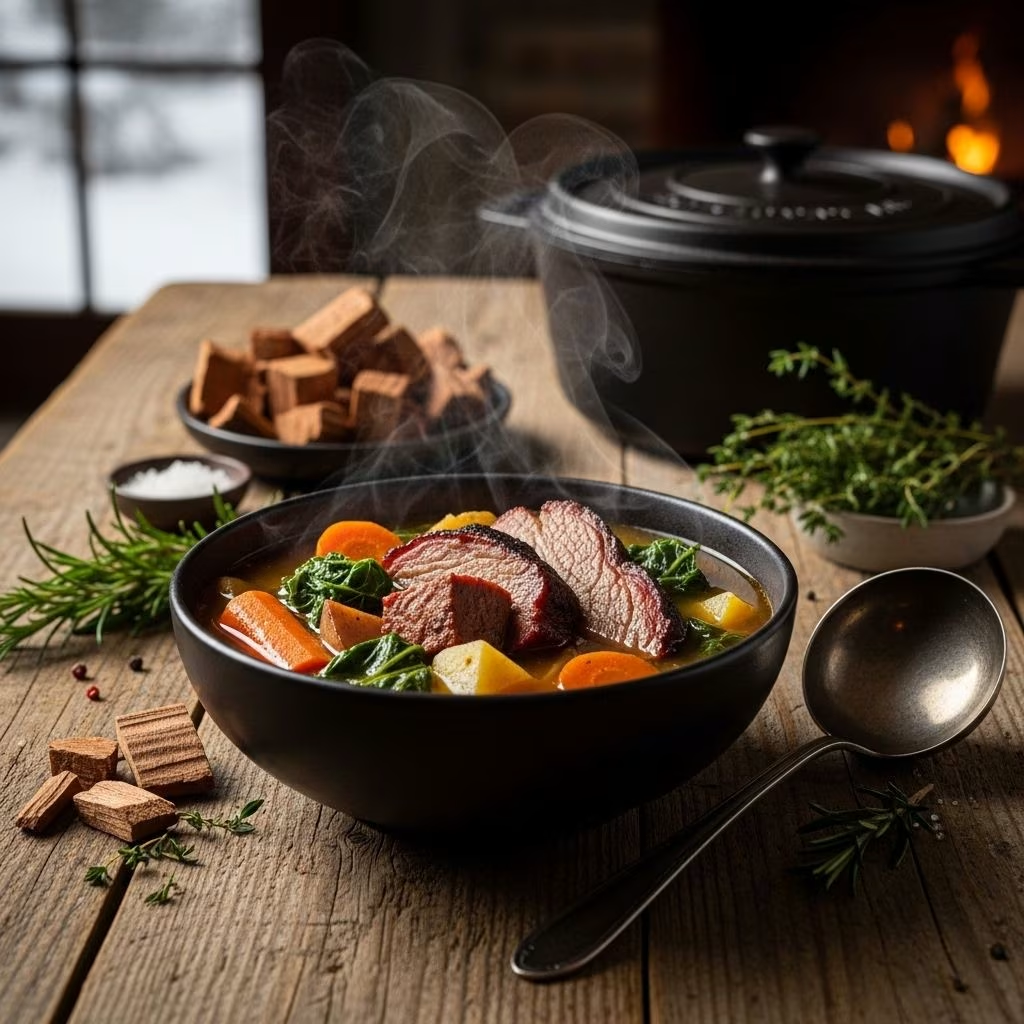
- Smoked Beef (Brisket, Tongue, Pastrami): Heartier options that shine in potatoes or barley soups.
Traditional Inspirations: Global Soup Bowls
Many classic winter dishes—from Eastern Europe to the Americas—depend on smoked meat for character and sustenance. Here are a few:
- Feijoada (Brazil): A celebratory black bean stew packed with smoked sausage, pork shoulder, and occasionally beef jerky.
- Cassoulet (France): A slow-cooked bean dish featuring duck confit, garlic sausage, and ham.
- Senate Bean Soup (USA): Found on the menu in the U.S. Senate cafeteria, it’s a simple and nourishing white bean soup made with plenty of smoked ham hock.
- Pea and Ham Soup (UK): A green split-pea dish made with smoked ham hock, frequently served thick and chunky.
- Borscht (Eastern Europe): While often vegetarian, borscht can include smoked pork belly or sausage for additional depth.
Preparing Smoked Meats for Soup Success
Working with smoked meats is simple, but a few practical tips will maximize their contribution to your winter cooking:
- Rinse First: Smoked and cured meats may carry excess salt or surface smoke. Briefly rinse under cool water before adding to your pot.
- Simmer Slow: Meats such as hocks and shanks require gentle, extended simmering (1.5–3 hours) to release gelatin and soften muscle fibers.
- Skim as You Go: Smoked meats may release scum and extra fat. Skim off foam and oil to keep broths clear and balanced.
- Remove Bones for Service: Once meat is tender, pull bones and tough cartilage. Shred or dice the meat and return to your soup for serving.
- Add Supporting Aromatics: Smoked flavors want partners—onion, garlic, bay, celery, herbs, and carrots all provide counterpoint.
Building Layered Flavor: Step-by-Step Approach
For truly nuanced soup or stew, layer flavor throughout the cooking process. Here’s a basic workflow:
- Render: Begin by rendering fat and browning fragrant ingredients (onion, garlic, celery, carrot) in the pot. If using bacon, dice and fry it first.
- Bloom Spices: Add dry spices (black pepper, paprika, bay) to the aromatics and toast briefly.
- Add Smoked Meat: Place hock, shank, bones, or sausage into the base. If using sausages, brown them gently for more color.
- Deglaze: Splash with a little wine, vinegar, or broth to lift the fond from the pot and intensify depth.
- Simmer Gently: Add liquid, legumes, and starchy vegetables. Simmer covered, low and slow.
- Finish and Brighten: Towards the end, lift flavor with chopped herbs, lemon juice, or a dash of mustard.
Flavor Pairings: What Goes Well With Smoked Meats?
Balance is key to smoked meat dishes. These meats are powerful, so consider pairings that highlight and balance their flavor:
- Beans and Lentils: Their earthy sweetness matches smoke beautifully in soups like split pea or black bean.
- Root Vegetables: Turnips, parsnips, potatoes, carrots, and rutabaga absorb smoke and contribute gentle sweetness.
- Greens: Collards, kale, cabbage, mustard greens, and spinach bring a fresh, mineral edge that lightens rich broths.
- Acidic Ingredients: Tomatoes, vinegar, pickled vegetables, and citrus zest counter heavy flavors and refresh the palate.
- Herbs and Spices: Bay leaves, thyme, parsley, marjoram, black pepper, and smoked paprika amplify the complexity.
Practical Tips: Beyond the Recipe
| Tip | Why It Helps |
|---|---|
| Taste for Salt Late | Smoked meats are often salted already; wait until the end to adjust seasoning. |
| Mix Meat Types | Combine pork and poultry, or add a little fresh sausage for a broader flavor spectrum. |
| Save the Bones | Bone-in smoked pieces deliver more gelatin and flavor than boneless. |
| Don’t Overcrowd | Too much smoked meat can dominate; use with restraint for balance. |
| Freeze for Later | Leftover broth from smoked meat stews can be used as a powerful cooking base for grains, risotto, or sauces. |
Simple Smoked Meat Soup Template
Ready to experiment? Use this basic template to create custom winter soups or stews.
- Base: 1–2 lbs smoked meat (hock, shank, sausage) rinsed and patted dry
- Aromatics: Onion, garlic, celery, carrot
- Vegetables: Choose a mix (root vegetables, greens, cabbage)
- Starch: Beans, split peas, lentils, potatoes, barley, or rice
- Broth: Water, vegetable stock, or unsalted chicken broth
- Finishing: Fresh herbs, splash of vinegar or lemon, ground pepper
Instructions: Render aromatics, add smoked meat and vegetables, cover with liquid, simmer until meat and starches are tender. Remove bones, adjust seasoning, add finishing touches.
Sample Recipe: Smoky Split Pea Soup
Ingredients:
- 1 large smoked ham hock
- 1 lb dried split peas, rinsed
- 1 large onion, diced
- 2 carrots, sliced
- 2 celery stalks, chopped
- 3 cloves garlic, minced
- 1 bay leaf
- 8 cups water or unsalted broth
- Salt and pepper, to taste
- Fresh parsley, for garnish
Directions:
- In a soup pot, sauté onion, carrot, celery, and garlic until softened.
- Add smoked ham hock and bay leaf. Pour in split peas and water or broth.
- Bring to a boil; reduce heat and simmer, partially covered, for 1.5–2 hours, stirring occasionally.
- Once peas are soft and ham falls off the bone, discard bay leaf, remove hock, shred meat, and return to soup.
- Season to taste. Garnish with parsley and serve hot with crusty bread.
Frequently Asked Questions (FAQs)
Q: Do I have to soak smoked meats before use?
A: Usually, a quick rinse is sufficient for smoked meats. However, if the product is heavily salted (like country ham), soaking for several hours can reduce salt content.
Q: Can I use smoked meats in vegetarian or vegan soups?
A: Traditional smoked meats are not vegetarian. For smoky flavor in plant-based soups, consider smoked paprika, liquid smoke, or smoked salt.
Q: Are there health concerns with using smoked meats?
A: Smoked meats offer great flavor but are often rich in sodium and fat. Use in moderation, and balance with vegetables and legumes.
Q: Can I substitute fresh meat for smoked in recipes?
A: Yes, though you’ll lose distinctive smoky notes. Add flavor by searing meat and supplementing with smoked spices or herbs.
Q: What’s the best way to store leftover smoked meat soups?
A: Cool soups quickly, refrigerate in airtight containers, and consume within five days. Soups freeze well; thaw and reheat gently for best texture.
Conclusion: Comfort in Every Spoonful
The inclusion of smoked meats in soups and winter stews is more than technique—it’s tradition, thrift, and comfort in every bite. Smoked hocks, shanks, sausages, and beyond not only transform an ordinary broth but carry with them flavors that recall wood fires, festive meals, and family tables around the globe. As you fill your kitchen with simmering pots this winter, reach for smoked meats and experiment with classic pairings. You’ll discover new depths and new memories—one ladleful at a time.