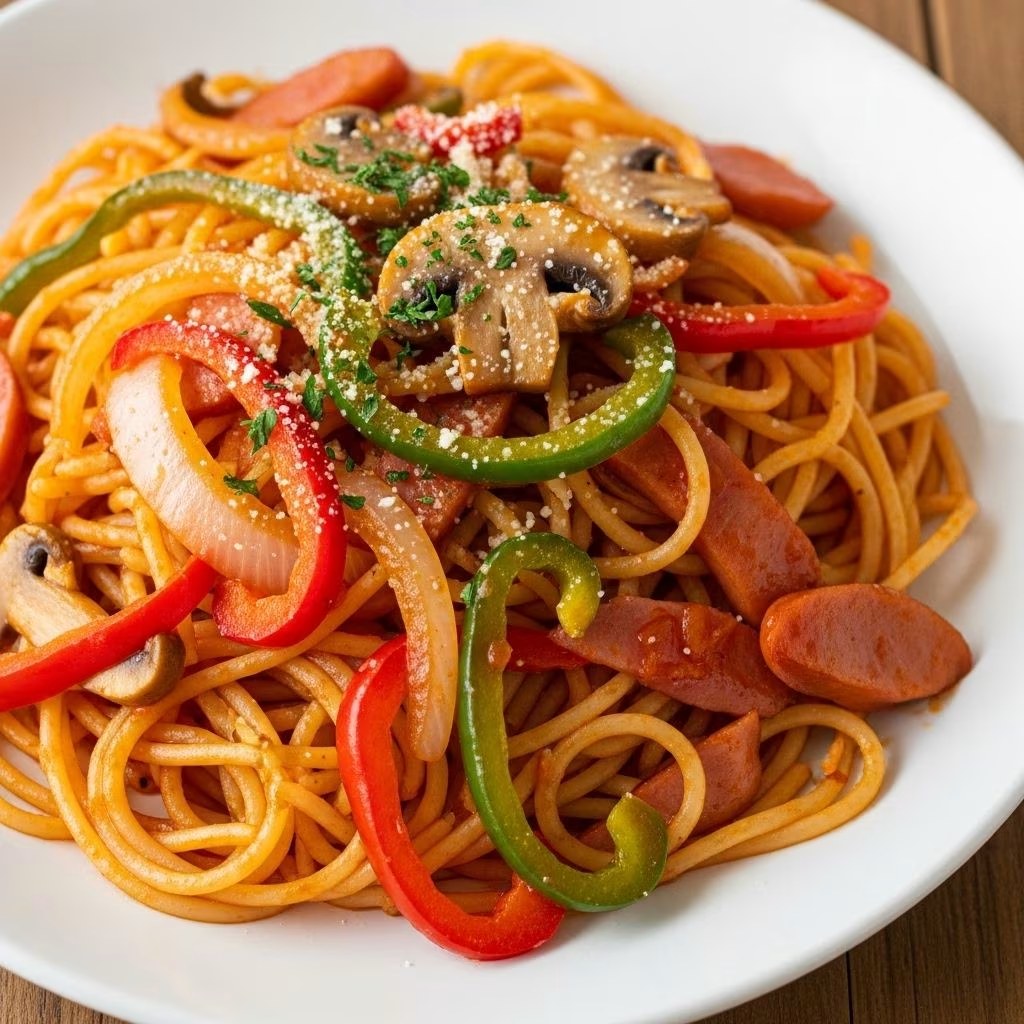
Spaghetti Napolitan (ナポリタン, Napolitan) is a uniquely Japanese take on pasta—a vibrant and comforting dish featuring spaghetti, sweet and tangy ketchup, savory cured meats, and sautéed vegetables. This retro favorite has captivated diners in Japan since the postwar era. In this guide, you’ll learn about its roots, discover what sets it apart, and master the art of recreating it at home, complete with pro tips and expert troubleshooting.
What Is Spaghetti Napolitan?
Spaghetti Napolitan is a pasta dish made by tossing cooked spaghetti with sautéed onions, bell peppers, and meats (often ham or sausage), then coating everything in a sweet-sour tomato ketchup sauce. Despite the name, it bears little resemblance to anything you’d find in Naples, Italy. Instead, it is a distinctly Japanese comfort food, beloved for its nostalgic taste and playful, kid-friendly flavors.
The Origins of Napolitan
Napolitan was created in the years following World War II, reportedly by Chef Shigetada Irie at the Hotel New Grand in Yokohama. Drawing inspiration from American soldiers’ rations—which sometimes included spaghetti dressed with tomato ketchup—Chef Irie developed a dish using pantry staples, creating a filling, affordable meal that quickly gained popularity in cafés and family restaurants across Japan.
- Invented in the late 1940s at the Hotel New Grand.
- Named after Naples (Napoli), Italy, but invented and evolved in Japan.
- Ketchup rather than Italian tomato sauce sets this dish apart.
Key Ingredients in Spaghetti Napolitan
The beauty of Spaghetti Napolitan lies in its simplicity and versatility. You can tailor the selection of vegetables and meats to your preference or whatever is available in your kitchen.
- Spaghetti: The backbone of the dish. Standard dried spaghetti is preferred for its texture.
- Ketchup: Provides sweetness, tang, and that iconic color. Use a balanced, not overly sweet ketchup.
- Onion: Thinly sliced white or yellow onion adds aromatic sweetness.
- Green Bell Pepper: Brings color and a subtle bitterness.
- Mushrooms: Sliced button or cremini mushrooms for earthiness.
- Sausage, Ham, or Bacon: Classic options for savory depth. Sliced hot dog-style sausages are widely used, but smoked ham or bacon also work well.
- Butter: Enriches and mellows the flavors in the finished pasta.
- Seasonings: Worcestershire sauce and a touch of sugar round out the sauce, while freshly ground black pepper adds zest.
- Parmesan Cheese: Freshly grated Parmigiano-Reggiano for a punch of umami and saltiness at the table.
Optional swappable or add-in ingredients: Red bell pepper, carrots, canned corn, peas, or even a fried egg on top for extra indulgence.
Step-by-Step Recipe for Spaghetti Napolitan
Ingredients List
- 7 ounces (about 200g) dried spaghetti
- 1/2 medium yellow onion, thinly sliced
- 1/2 green bell pepper, seeded and sliced into thin strips
- 3 to 4 white or brown mushrooms, thinly sliced
- 5 ounces (about 140g) sausages, ham, or bacon, sliced on a bias
- 1 clove garlic, crushed
- 1 tablespoon extra virgin olive oil
- 1 tablespoon unsalted butter
- 1/3 cup ketchup
- 1/2 tablespoon milk
- 2 teaspoons Worcestershire sauce
- 1 teaspoon sugar
- 1/4 teaspoon kosher salt, plus more for pasta water
- 1/8 teaspoon freshly ground black pepper
- 2 tablespoons grated Parmigiano-Reggiano or Parmesan cheese, for serving
Instructions
- Prepare the Sauce Base:
- In a small bowl, whisk together ketchup, milk, Worcestershire sauce, and sugar until smooth. Set aside.
- Prep the Vegetables and Meat:
- Slice onions, green bell pepper, mushrooms, and meat as described above. Gather all ingredients before you start cooking.
- Cook Pasta:
- Bring a large pot of water to a boil. Season generously with salt (about 1.5 tablespoons kosher salt per 4 quarts water).
- Add spaghetti and cook according to package instructions, stirring occasionally to prevent sticking. Reserve about 1/4 cup of the starchy pasta water just before draining.
- Drain pasta well.
- Make the Sauce:
- While pasta is cooking, heat olive oil in a large nonstick or stainless steel skillet over medium heat.
- Add the crushed garlic and cook until fragrant but not browned, about 1 minute. Remove and discard garlic if desired.
- Add sliced onion and sauté, stirring often, until softened and translucent (2-3 minutes).
- Add sausage or ham/bacon and cook for 1 minute until lightly browned.
- Add bell pepper and mushrooms, cooking until veggies are just softened but still vibrant.
- Move vegetables and meat to one side of the pan. Pour in the ketchup sauce mixture on the empty side and cook until it just starts to bubble and thicken.
- Mix everything together, tossing to coat in the thickened sauce. Add black pepper and salt to taste.
- If needed, add reserved pasta water, a tablespoon at a time, to loosen the sauce and help it cling to the noodles.
- Combine and Finish:
- Add the drained spaghetti and butter to the skillet. Use tongs to toss and coat evenly until the butter is melted and every strand glistens.
- Taste and adjust seasoning with more salt and pepper if necessary.
- To Serve:
- Plate the pasta immediately. Top with freshly grated Parmesan cheese and a sprinkle of herbs if desired. Serve hot.
- Storage Tips:
- Leftovers keep well in an airtight container in the refrigerator for up to 3 days, or freeze for up to 1 month.
Cooking Tips and Creative Variations
- Use the Right Pasta: Standard dried spaghetti gives the best bite, but you can try other long pasta shapes.
- Don’t Overcook the Veggies: Bell peppers should remain vibrant and a little crisp.
- Butter Is Essential: That final swirl of butter creates an unmistakable richness and ties the sauce together.
- Flexible Toppings: Add a fried or poached egg, sprinkle with chili flakes, or drizzle on hot sauce (like Tabasco) for extra flair.
- Meatless Napolitan: For a vegetarian version, omit the meat and use extra mushrooms or plant-based sausages.
Make It Your Own
- Try Various Proteins: Shredded rotisserie chicken or tuna can be substituted for sausage.
- Load Up on Veggies: Experiment with peas, carrots, spinach, or even zucchini.
- Swap the Sauce: Prefer it less sweet? Blend in a little tomato paste or chopped canned tomatoes with the ketchup base.
Why Spaghetti Napolitan Is So Beloved
Spaghetti Napolitan is more than a quirky pasta dish—it’s a window into Japanese postwar culinary creativity. Its flavors are deeply nostalgic for many in Japan, evoking childhood memories and the cozy atmosphere of home or kissaten (old-school coffee shops).
- Kid-Friendly Appeal: Sweet, familiar flavors that children love.
- No-Fuss Ingredients: Most components are pantry staples available worldwide.
- Quick to Prepare: Can be made in about 30 minutes or less.
- Highly Adaptable: Excels as a clearing-out-the-fridge meal.
Nutrition Facts
| Nutrient | Amount (per serving) |
|---|---|
| Calories | Approx. 680 kcal |
| Carbohydrates | 93g |
| Protein | 22g |
| Fat | 25g |
| Saturated Fat | 6g |
| Sodium | 673mg |
| Potassium | 776mg |
| Fiber | 6g |
| Sugar | 15g |
| Vitamin A | 445IU |
| Vitamin C | 54mg |
| Calcium | 126mg |
| Iron | 3mg |
Frequently Asked Questions (FAQs)
Q: Is Spaghetti Napolitan vegetarian?
A: It can be! While classic recipes include sausage, bacon, or ham, simply omit these for a vegetarian meal and increase the mushrooms or swap in plant-based meats.
Q: Why use ketchup instead of tomato sauce?
A: Ketchup’s sweet and tangy flavor is unique to Napolitan and ties this dish to its Japanese and American postwar roots. It also acts as an accessible, all-in-one sauce base that doesn’t require simmering as long as Italian tomato sauces.
Q: Can I use other vegetables?
A: Absolutely. Bell peppers, mushrooms, onions, corn, peas, and even carrots work well. Use whatever is seasonal or in your fridge.
Q: What pasta should I use for Napolitan?
A: Regular dried spaghetti is traditional, but other long pasta shapes such as linguine or fettuccine work. Avoid thin strands like angel hair, which can go mushy.
Q: Can Napolitan be made in advance?
A: Napolitan is best fresh, but leftovers can be stored covered in the fridge for up to 3 days, or frozen for up to 1 month. Reheat gently on the stovetop or in the microwave, adding a splash of water if needed.
Serving and Storing Tips
- How to Serve: Napolitan is traditionally served hot, straight from the skillet onto a plate, topped with cheese and sometimes a fried egg.
- Storing Leftovers: Cool quickly, then transfer to an airtight container. Keeps for 3 days in the refrigerator or up to a month in the freezer.
- Reheating: Add a splash of water to loosen the sauce if needed. Heat gently in a pan or microwave.
Final Thoughts: Why You Should Try Spaghetti Napolitan
Whether you’re seeking a taste of Japanese nostalgia, a kid-friendly pasta, or an affordable and adaptable meal, Spaghetti Napolitan delivers. Its cheerful color, sweet-savory taste, and unpretentious ingredients make it a beloved staple in Japanese home kitchens and café menus. Once you try it, this ketchup pasta might just earn a permanent place in your comfort food routine.