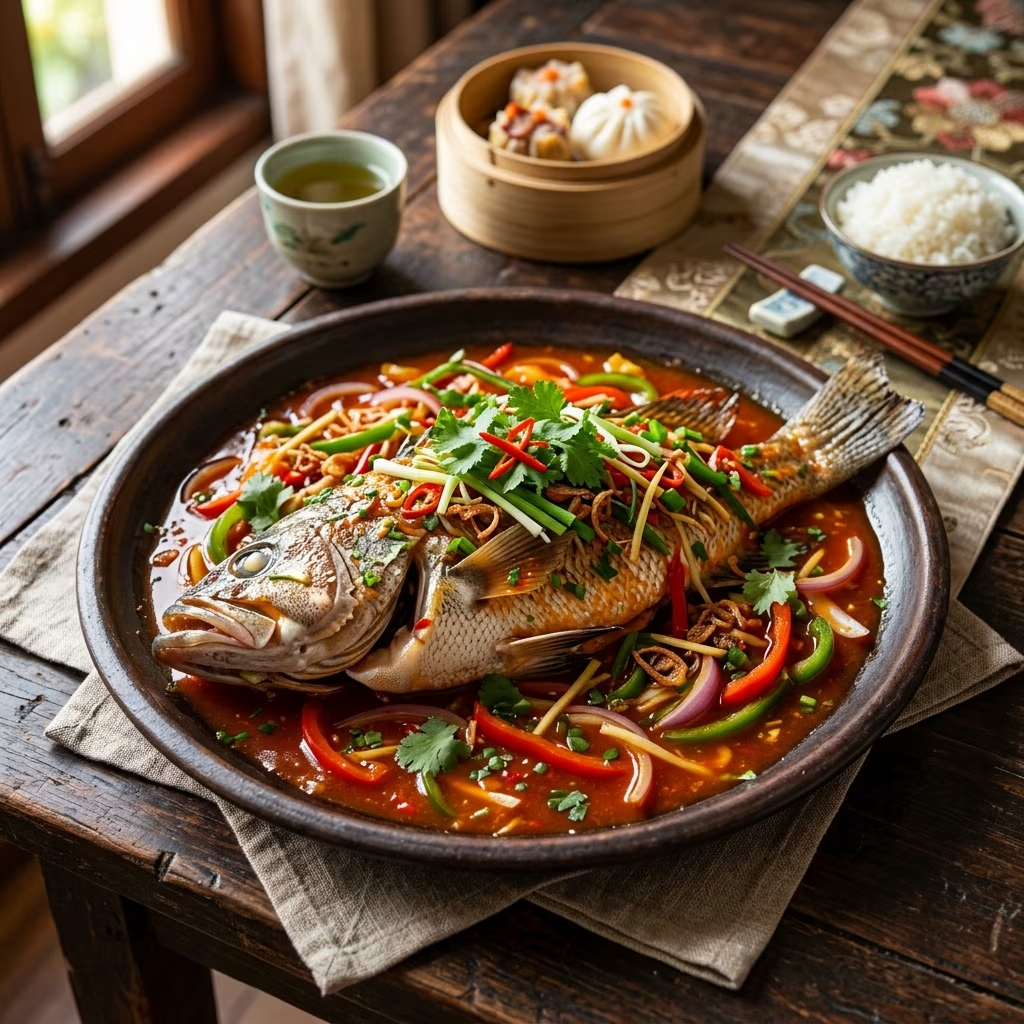
Sweet and Sour Steamed Fish: A Flavorful Tradition in Every Bite
The sweet and sour steamed fish is an iconic dish in Chinese and Southeast Asian cuisine, celebrated for its subtle balance of flavors and delicate texture. Through the clever use of aromatics, tangy and sweet sauces, and gentle steaming, this dish transforms fresh fish into an elegant yet homey meal with minimal fuss. Read on for a comprehensive guide, from choosing your fish to perfect plating and practical troubleshooting, bringing restaurant-level quality to your own kitchen.
Why Sweet and Sour Steamed Fish?
Steaming fish preserves its natural taste and tenderness, infusing the flesh with the complex flavors of aromatics and sweet-tart sauces without overwhelming its freshness. This preparation offers several advantages:
- Healthier alternative: Steaming uses minimal oil and retains most nutrients locked within the fish.
- Vivid flavors: The combination of fresh ginger, scallions, and a carefully balanced sweet and sour sauce creates a layered flavor experience.
- Show-stopping presentation: The finished dish—glistening and aromatic—is visually impressive and perfect for family meals or special occasions.
Choosing the Right Fish
For best results, select a whole, fresh white fish such as tilapia, sea bass, snapper, or pomfret. The freshness of the fish is paramount: bright, clear eyes; gleaming scales; and clean, mild scent indicate quality. Depending on what’s available, you may use fillets, but a whole fish better absorbs the aromatics and makes a striking impression.
| Recommended Fish Types | Texture | Flavor Profile |
|---|---|---|
| Tilapia | Firm, moist | Mild, affordable |
| Sea Bass | Delicate, flaky | Clean, slightly sweet |
| Snapper | Medium-firm, moist | Mild, sweet |
| Pompano | Very tender | Rich, slightly briny |
Essential Ingredients for Perfect Sweet and Sour Steamed Fish
The heart of this dish lies in its careful layering of aromatics and sauce. Here’s what you’ll need:
- Whole white fish (about 1.5-2 pounds), cleaned and descaled
- Ginger (julienned)
- Scallions (cut into 2-inch lengths, both white and green parts)
- Cilantro leaves (for garnish)
- Soy sauce (light soy for seasoning, dark for color)
- Shaoxing wine or another Chinese rice wine
- Ketchup (for color and sweetness in the sauce)
- Rice vinegar
- Sugar (rock sugar preferred, but white or light brown sugar acceptable)
- Salt and white pepper
- Sesame oil
- Cooking oil (neutral oil such as vegetable or canola)
Tip: Rock sugar dissolves more evenly and gives the sauce a clear, glossy finish, but standard sugar is a fine substitute if necessary.
Prepping Your Fish Like a Pro
- Thoroughly clean the fish, removing all scales, gills, and internal organs. Rinse under running water and pat dry inside and out with a paper towel.
- Make diagonal scores along both sides of the fish (especially if thick), enabling flavors to penetrate and even cooking.
- Pat dry thoroughly—the drier the skin, the better the texture after steaming.
Bonus Step: Marinate the fish lightly with a sprinkle of salt, Shaoxing wine, and white pepper for 10–15 minutes before steaming for a subtle base flavor.
Making the Sweet and Sour Sauce
This dish’s sauce stands apart from the usual syrupy or overly sharp renditions. Instead, it creates a lively but balanced backdrop that enhances—rather than buries—the fish’s natural sweetness.
- In a small bowl, combine:
- 4 tablespoons light soy sauce
- 2 tablespoons Shaoxing wine
- 2 tablespoons water
- 1 teaspoon sesame oil
- 2–3 tablespoons ketchup
- 2–3 tablespoons rice vinegar
- 1 tablespoon sugar (or rock sugar, finely crushed)
- White pepper, to taste
- Optional: a few drops of dark soy sauce for color
Stir to dissolve the sugar completely. Taste for the characteristic balanced flavor: sweet up front, tangy on the finish, with savory soy and wine undertones.
Step-by-Step: Steaming the Fish
- Prepare your steaming setup: Use a wok with a steaming rack, a bamboo steamer, or any large lidded pot that fits your chosen plate. Bring water to a full boil before placing the fish inside.
- Assemble aromatics: Scatter half of the julienned ginger and scallion across a heatproof plate large enough to hold the fish comfortably. Lay the fish on top.
- Add wine and more aromatics: Sprinkle the fish with Shaoxing wine and tuck the remaining half of ginger (and half of the scallion whites) inside the cavity and along the scored skin.
- Steam over high heat: Once the water is boiling rapidly, set the plate of fish over the steamer. Cover tightly.
- For a 1.5–2 lb fish: Steam for 8–10 minutes. Thicker fish may require up to 12 minutes.
- Do not overcook; good fish yields easily at the thickest part but remains moist.
- Check for doneness: Insert a chopstick or fork into the thickest part; the flesh should flake easily and appear opaque.
- Remove excess liquid: Carefully tilt the plate to drain away any cloudy steaming liquid (which may taste fishy), removing any spent ginger.
Bringing It All Together: Finishing Techniques
The final touch is to layer on additional aromatics and pour the hot sauce to sizzle upon contact, fusing flavors instantly.
- Top the steamed fish with a fresh scattering of ginger and scallion.
- Heat the sauce: In a small pan, bring your prepared sweet and sour sauce to a bubble over high heat.
- Pour over hot oil: (Optional, but recommended). Heat 1–2 tablespoons of neutral oil until just smoking. Pour over the fish and aromatics to release their fragrance.
- Finish with sauce: Pour the bubbling sweet and sour sauce evenly over the fish.
- Garnish with cilantro leaves and serve immediately.
Serving Suggestions
This dish is best enjoyed fresh from the steamer, paired with plain steamed white rice and simple accompanying vegetable sides. The sweet and sour sauce is delicious spooned over rice or used to flavor other delicate vegetables like bok choy or snow peas.
- For a feast: Serve alongside stir-fried greens, egg drop soup, and an appetizer of pickled cucumbers.
- For a simple meal: Pair with rice and perhaps a light tofu dish for protein variety.
Common Issues and Troubleshooting
| Problem | Possible Cause | Solution |
|---|---|---|
| Fish is dry or tough | Overcooking | Reduce steaming time, check doneness early |
| Sauce is too sharp or vinegary | Too much vinegar; insufficient sugar | Adjust balance; add sugar and a splash of water |
| Sauce is bland | Under-seasoned, lacking aromatics | Increase soy sauce, ginger, or adjust salt |
| Fish tastes fishy | Improper cleaning or stale fish | Use only the freshest fish; clean thoroughly |
Ingredient Substitutions and Customization
- Rock sugar can be replaced with white or light brown sugar if unavailable; adjust quantity to taste.
- Shaoxing wine may be swapped for dry sherry or omitted for a non-alcoholic version (replace with water and a dash of sugar).
- Ketchup can be replaced by tomato paste with extra sugar for a less tangy version.
- Other aromatics: Add a few slices of red chili for heat or sliced red bell peppers for color and mild sweetness.
History and Cultural Background
Steamed fish with sweet and sour notes is integral to festive cuisines in Southern China and Southeast Asia. Its brilliant color and whole-fish presentation evoke prosperity and abundance—a must for Lunar New Year feasts and family gatherings. Many variations exist across regions, reflecting local ingredients and preferences, but all emphasize a balance of freshness, acidity, and natural sweetness.
Frequently Asked Questions (FAQs)
Can I use fish fillets instead of a whole fish for this recipe?
Yes, fillets can be used, but whole fish yields better results with more tender flesh and fuller flavor. Reduce steaming time for fillets—about 4–6 minutes depending on thickness.
What if I can’t find rock sugar?
White or light brown sugar works well as a substitute. Add in small increments and taste as you go to avoid over-sweetening.
Is it possible to prepare this dish in advance?
Steamed fish is best enjoyed fresh. However, you can prep the fish and sauce ahead of time, assembling and steaming just before serving for best texture.
How do I avoid overcooking the fish?
Start checking the fish at the 8-minute mark (for a 1.5–2 lb fish). The flesh should be just opaque and flake easily with a fork.
Is there a way to make the dish gluten-free?
Yes. Simply use a gluten-free soy sauce or tamari, and ensure all condiments are gluten-free.
Expert Tips for Success
- Choose the freshest fish available. Nothing masks a stale fish, no matter how good the sauce.
- Prep your steamer in advance so you can transfer fish in smoothly while the water is already boiling.
- Don’t skip the aromatic oil: That final swirl of hot oil releases essential flavors and adds shine.
- Trim sauce sweetness and acidity to your taste; every palate is different and adjustments are encouraged.
Final Thoughts
When prepared conscientiously, sweet and sour steamed fish offers a pure and balanced celebration of seafood—simple, fresh, and deeply satisfying. With the right ingredients, proper technique, and attention to seasoning, you can bring this classic dish from the banquet hall to your family dinner table for any occasion.