The Curly and the Turk: A Modern New York Signature Cocktail
New York City’s cocktail scene thrives on creativity, bold flavor fusions, and a willingness to experiment with global ingredients. The Curly and the Turk, conceived at The Tippler by head bartender Christian Sanders, stands out as a vibrant testament to this ethos. This cocktail weaves together herbaceous gin, vivid blue Curaçao, floral hibiscus, and just the right touch of chile heat in a concoction that’s as arresting to the eye as it is to the palate.
Origin & Inspiration
Signature cocktails often arise from a blend of inspiration: a craving for particular flavors, an homage to classic drinks, and the bartender’s drive to surprise and delight regulars and newcomers alike. The Curly and the Turk was originally developed for The Tippler, an underground bar in Manhattan known for embracing bold, whimsical flavor pairings. Christian Sanders looked to combine botanical complexity and visual theatrics, building a drink that draws the eye with its color and the taste buds with its punchy flavor layers.
This cocktail pays tribute both to classic European liqueurs and to Middle Eastern and Latin American flavor traditions, combining the cosmopolitan spirit of New York’s nightlife with deeply personal bartender inspirations.
A Closer Look at the Ingredients
- Gin: Brings a crisp, juniper-forward backbone and herbal character. A London dry-style gin is preferred, though variations with floral gins can add extra aromatic lift.
- Blue Curaçao: Lending both its neon-blue color and bright orange flavor, Curaçao is a Dutch-origin liqueur crafted from bitter orange peels. Its sweetness and citrus tones form an essential contrast to both the gin’s botanicals and the tartness of the hibiscus.
- Hibiscus-Chile Syrup: The heart of the cocktail, this syrup is a homemade infusion of dried hibiscus flowers—jamaica—and dried red chiles. Hibiscus brings tart, cranberry-like astringency and vivid color, while chiles add a gentle heat that builds slowly on the palate.
- Lime Juice: Freshly squeezed for peak acidity and perfume, balancing the floral, spicy, and sweet elements.
- Orange Bitters (optional): Used by many bartenders to enhance the zest and lift the botanicals in both gin and Curaçao.
- Garnish: A fresh chile wheel and a curl of citrus peel, fusing nods to both the drink’s namesake and flavor profile.
The Recipe: Building The Curly and the Turk
Recreating The Curly and the Turk at home or behind the bar requires attention to detail in both ingredient selection and preparation, especially for the key hibiscus-chile syrup.
Step-by-Step Mixing Instructions
- Prepare the Hibiscus-Chile Syrup
- Combine dried hibiscus flowers (about 1.5 cups), 1-2 dried red chile pods, and 2 cups of water in a saucepan. Bring to a gentle simmer and cook until the liquid turns deep crimson and fragrant.
- Remove from heat, add 2 cups of sugar, and stir until completely dissolved. Let cool, then strain out solids, bottle, and refrigerate (lasts up to two weeks).
- Measure and Shake
- In a cocktail shaker filled with ice, combine:
- 1.5 oz gin
- 0.5 oz blue Curaçao
- 0.75 oz hibiscus-chile syrup
- 0.5 oz freshly squeezed lime juice
- 2 dashes orange bitters (optional)
- Shake vigorously for 15–20 seconds until well-chilled and lightly diluted.
- Strain and Serve
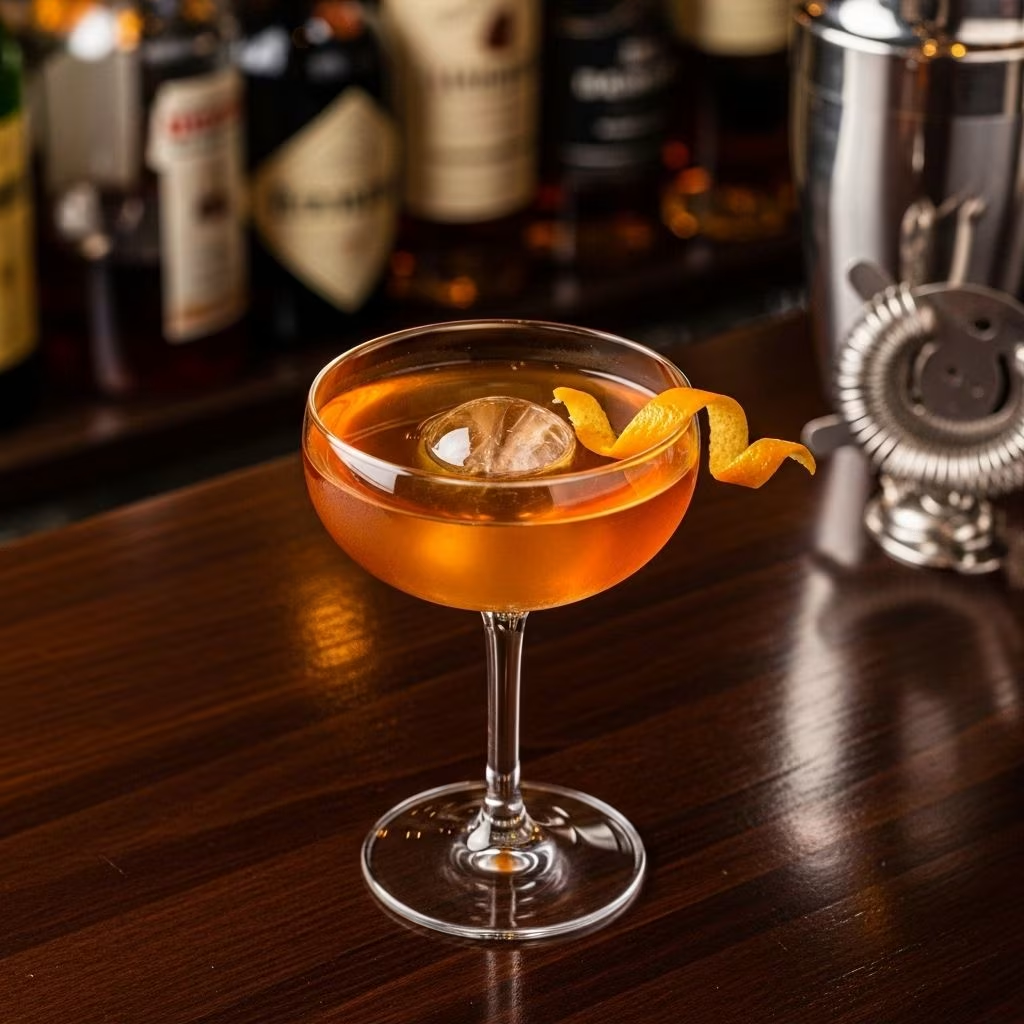
- Double strain into a chilled cocktail glass (such as a coupe or Nick & Nora glass).
- Garnish
- Float a thin wheel of fresh chile and a spiral curl of citrus zest on the drink for an eye-catching finish.
Flavor Profile: What to Expect
The first sip brings a vibrant interplay of tart hibiscus and juicy citrus, quickly chased by the familiar orange sweetness of Curaçao. Heat from the chile emerges slowly, lingering just enough to leave a glow without masking botanicals. Gin anchors the concoction, providing a crisp, dry substratum lifted by florals and bitters. The finish is clean yet complex, with every component asserting itself in harmony rather than competition.
Why Use Hibiscus and Chile?
- Cultural Inspiration: Hibiscus—called jamaica in Latin America—is traditionally steeped to create deeply colored, tart-sweet drinks. It’s widely enjoyed in Mexican and Caribbean beverages.
- Balancing Act: The earthy, astringent note of hibiscus counteracts syrup sweetness, while chile introduces heat to amplify botanicals and cut fruitiness, resulting in a multidimensional flavor.
- Visual Allure: Deep pink-red syrup intensifies the blue Curaçao’s base, creating a dramatic magenta hue once shaken with gin and citrus.
Serving Ideas & Variations
- On the Rocks: Serve in a mason jar over pebble ice for a backyard party.
- With Tonic: Top with club soda or tonic for a lighter, spritz-style refresher.
- Swap the Gin: Try a mezcal base for a smoky twist—with even more synergy alongside hibiscus and chile.
- Spicier Profile: Increase chile quantity for those who like a fiery finish, or use fresher, hotter varieties for a sharper bite.
Pairing Suggestions
This cocktail’s robust flavors and subtle heat make it versatile for pairing:
- Mexican Small Plates: Ceviche, shrimp tacos, or grilled street corn.
- Charcuterie: Salty cured meats and tangy cheeses cut through the drink’s sweet-spicy complexities.
- Brunch Fare: Smoked salmon bagels or spiced avocado toast to complement its herbal and citrus notes.
Tips for Perfecting The Curly and the Turk
- Use Fresh Lime: Only fresh-squeezed lime juice produces the zesty acidity required for balance.
- Good Quality Gin: A mid-priced London Dry gin will provide enough botanical flavor to match the boldness of syrup and liqueur.
- Vary the Syrup’s Heat: If sensitive to spice, halve the number of chile pods or infuse for a shorter period.
- Double Strain: Always use a fine mesh strainer to remove hibiscus bits or chile seeds, delivering clarity to every glass.
- Chill the Glass: Pre-chilled glassware amplifies aromatic release and color saturation.
| Ingredient | Role in Cocktail | Flavor Impact |
|---|---|---|
| Gin | Base Spirit | Herbal, juniper, crisp |
| Blue Curaçao | Sweetener & Aroma | Orange, sweet, zesty |
| Hibiscus-Chile Syrup | Color & Spice | Tart, floral, mild heat |
| Lime Juice | Acid Balance | Crisp, fresh, sour |
| Bitters | Complexity | Bitter, orange peel |
Frequently Asked Questions (FAQs)
Q: Can I make the hibiscus-chile syrup in advance?
A: Yes. The syrup can be made up to two weeks before use and should be refrigerated in an airtight bottle. Always taste before using to ensure maximum flavor.
Q: Is blue Curaçao required, or can I substitute?
A: Blue Curaçao gives this drink its unique color, but you can use orange Curaçao or triple sec for a similar citrus profile; the color will differ.
Q: I don’t want too much spice. How can I control the heat?
A: Reduce the number of dried chiles or cut the infusion time short. For only a hint of heat, add the chile for half the recommended stewing time.
Q: Which gin is best for this cocktail?
A: A London Dry gin works well due to its assertive botanicals, but feel free to experiment with floral or citrus-forward gins for more nuance.
Q: What other garnishes work besides chile and citrus?
A: Edible flowers, small herb sprigs (like basil or mint), or a thin wheel of dehydrated lime all provide eye-catching options that complement the drink’s aroma.
Mixologist Insights: Why This Cocktail Works
The Curly and the Turk bridges disparate culinary traditions and techniques with contemporary flair. By combining floral, tart, spicy, and sweet, it offers a journey from the first sip to the nuanced aftertaste. Bartenders appreciate its room for experimentation—try infusing mezcal, playing with the bitterness scale, or adjusting syrup sweetness for seasonal balance.
Final Thoughts: A New Icon on the Cocktail Scene
The Curly and the Turk isn’t just a drink; it’s a conversation starter—a celebration of cultural fusion and bold creativity in modern mixology. Its memorable color and dramatic flavor profile earn it a place on the roster of New York’s great signature cocktails. Whether served in a sleek coupe glass at a candlelit bar or poured over ice at home, it’s a guaranteed crowd-pleaser that rewards curiosity and lively palates alike.