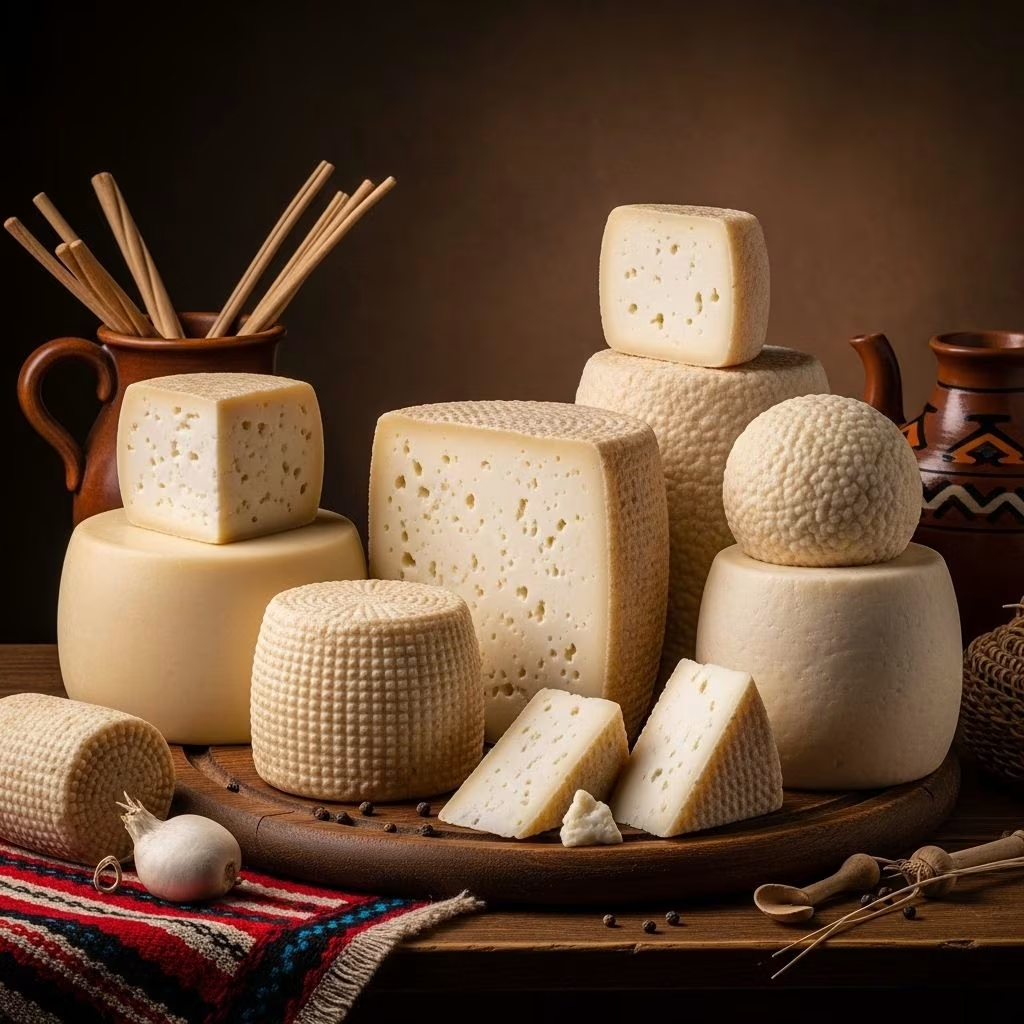
Sheep’s milk cheeses occupy a uniquely cherished space in the world of cheese. Revered by chefs, cheesemongers, and devoted enthusiasts, these cheeses are notable for their buttery texture, nutty notes, and nuanced complexity, offering flavors that cow’s and goat’s milk cheeses cannot replicate. This definitive guide explores the defining traits of sheep’s milk cheeses, introduces the world’s greatest examples, and offers expert advice on serving and pairing them.
Why Sheep’s Milk Makes Exceptional Cheese
The subtle richness and uniquely smooth texture of sheep’s milk cheese originate from the properties of the milk itself. Compared to cow or goat milk, sheep’s milk is naturally higher in fat and protein content. These components translate directly into creamier textures, more concentrated flavors, and a remarkable ability to age gracefully.
- Fat Content: Sheep’s milk can contain as much as 6-7% fat, compared to 3.5-4% in cow’s milk. This higher fat yields creamy, lush cheeses.
- Protein: At 5-6%, the protein levels are also elevated, giving structure and elasticity to both soft and firm sheep’s cheeses.
- Minerals and Vitamins: The milk’s composition helps create cheeses with a delicate sweetness, buttery mouthfeel, and distinct notes described as nutty, grassy, or fruity, influenced by regional pastures.
Because sheep tend to produce less milk, their cheeses are rarer and often more expensive, yet they have a cult following among cheese connoisseurs worldwide.
The Essential Sheep’s Milk Cheeses
Below is a selection of historically and culinarily significant sheep’s milk cheeses, spanning Europe’s great cheesemaking regions. Each is the product of centuries of tradition, local environment, and craft.
Manchego (Spain)
No cheese is more synonymous with Spanish culture than Manchego. Produced exclusively from the milk of the Manchega sheep that roam the dry, rugged plateaus of La Mancha, its firm texture and nutty flavor have made it an international favorite. Tasting notes range from grass and hay to caramel, with aging yielding deeper, richer flavors.
- Texture: Firm but supple, becoming drier with age
- Flavors: Buttery, grassy, nutty, slight tang
- Aging: Ranges from fresco (2 weeks) to viejo (1 year+)
- Best use: Sliced with membrillo (quince paste) or almond, in salads, or with Spanish wine
Pecorino Romano (Italy)
Italy boasts several iconic sheep’s milk cheeses under the Pecorino family, with Pecorino Romano as its most widely known member. This hard, salty cheese has been a staple of Italian cuisine for over two millennia. Traditionally used for grating, its bold flavor enlivens pasta and vegetable dishes.
- Texture: Hard, granular
- Flavors: Savory, intensely salty, sharp, sometimes piquant
- Aging: Typically aged 8-12 months
- Regional variations: Look for Pecorino Toscano (from Tuscany) and Pecorino Sardo (from Sardinia) for milder, more herbaceous options
- Best use: Grated over pasta dishes, cacio e pepe, or as a table cheese with olives and honey
Roquefort (France)
Roquefort is the world’s most famous sheep’s milk blue cheese, known for its striking blue veins and creamy, crumbly body. Crafted in the limestone caves beneath the village of Roquefort-sur-Soulzon, it harnesses both the natural Penicillium roqueforti mold and local terroir. The result is a cheese with captivating sharpness, minerality, and sweet, grassy undercurrents.
- Texture: Moist, crumbly, creamy
- Flavors: Bracingly tangy, salty, sweet finish, with pronounced blue notes
- Aging: Minimum 3 months in caves
- Best use: With bread and dessert wines, crumbled on salads, or melted into sauces
Ossau-Iraty (France)
From the Basque and Béarn regions in the French Pyrenees, Ossau-Iraty is a semi-hard sheep’s cheese beloved for its gentle, nutty flavor and smooth texture. This ancient cheese is still made following strict AOP (Appellation d’Origine Protégée) standards, using raw or pasteurized milk from local Manech or Basco-Béarnaise sheep.
- Texture: Semi-firm, satiny
- Flavor: Sweet, buttery, mild nutty notes, hints of toasted wheat and summer grasses
- Aging: 3-6 months
- Best use: Sliced thinly on a platter, with crusty bread, black cherry jam, or along cider
Feta (Greece and beyond)
Feta is Greece’s definitive cheese, though similar styles exist throughout the Eastern Mediterranean. Crafted primarily from sheep’s milk (sometimes mixed with goat’s milk), feta’s white, crumbly body is brine-cured, resulting in a tangy, savory bite balanced by milky richness.
- Texture: Crumbly to creamy, depending on age
- Flavors: Brined, salty, tangy, hints of lemon and grass
- Best use: Crumbled over salads, baked into pastries (spanakopita), with olives or watermelon
Other Notable Sheep’s Milk Cheeses
- Roncal (Spain): Firm, rustic cheese from the Navarre Pyrénées with a nutty, oily profile.
- Idiazabal (Spain): Slightly smoky cheese from the Basque region, known for its robust, roasted flavor.
- Cabrales (Spain): A potent blue from Asturias, combining cow, goat, and sheep milks for a spicy flavor punch.
- Kasseri (Greece): Mild, semi-soft table cheese, often enjoyed grilled.
- Etorki (France): Nutty Basque cheese, cousin to Ossau-Iraty, with a supple body and caramel notes.
The Science and Craft of Sheep’s Milk Cheesemaking
Crafting cheese from sheep’s milk involves attention to both the unique qualities of the milk and traditional methods. Specialized breeds, seasonal cycles, and local forages all contribute to flavor and texture.
Milk Yield and Quality
- Sheep vs. Cow and Goat Yield: One sheep produces far less milk than a cow—often less than a gallon per day and only during a portion of the year.
- High Solids Content: The high protein and fat yield a higher proportion of cheese per volume of milk, leading to intensified flavor.
Traditional vs. Modern Production
- Traditional Techniques: Many heritage cheeses still follow ancient methods, from open-vat curdling to cave aging and hand-turning.
- Protected Origins: Several sheep’s milk cheeses are guarded by European protected designation (PDO/PDOs), enforcing authentic regional production and breed requirements to ensure quality and heritage.
- Modern Artisans: Contemporary small creameries, especially in the US, adapt traditional European recipes to their local climates and sheep breeds, enriching the global landscape of sheep’s milk cheese.
Exploring Sheep’s Milk Cheese by Region
| Cheese | Country/Region | Distinctive Features | Notable Pairings |
|---|---|---|---|
| Manchego | Spain (La Mancha) | Firm, nutty, aged from 2 weeks to 1+ years | Quince paste, almonds, Rioja wine |
| Pecorino Romano | Italy (Lazio, Sardinia) | Hard, salty, best for grating | Pasta, beans, honey |
| Roquefort | France (Roquefort-sur-Soulzon) | Blue-veined, crumbly, minerally | Sauternes wine, walnuts, pears |
| Ossau-Iraty | France (Pyrenees) | Supple, sweet, with grassy notes | Black cherry jam, cider |
| Feta | Greece | Crumbly, brined, tangy | Olives, tomatoes, watermelon |
| Idiazabal | Spain (Basque) | Slightly smoky, robust | Charcuterie, rustic breads |
How to Serve and Enjoy Sheep’s Milk Cheeses
Sheep’s milk cheeses are best when served to highlight their distinct textures and flavors. Here are some tips for the optimal cheese plate:
- Bring to Room Temperature: Let the cheese sit at room temperature for at least 30 minutes before serving. Cold temperatures mute flavors.
- Pair Thoughtfully: Balance the cheese’s saltiness or pungency with sweet, tart, or savory accompaniments (e.g., fruit preserves, fresh or dried fruits, nuts, crusty bread, and certain honeys).
- Wine Pairings: Dry whites, reds with moderate tannin, or fortified and dessert wines often pair beautifully, depending on cheese intensity.
- Cheese Board Presentation: Offer a variety—firm, soft, blue, and young—along with gentle palate cleansers.
Putting Together a Sheep’s Milk Cheese Plate
- Variety: Choose 3-5 cheeses of different textures—e.g., Manchego (firm), Ossau-Iraty (semi-firm), Roquefort (blue), Feta (soft and brined).
- Accents: Add elements like fig jam, Marcona almonds, pears, and crusty baguette to complement flavors.
- Serve with Wine: Try a Rioja with Manchego, Sauternes with Roquefort, or a crisp Greek Assyrtiko with feta.
Nutritional Benefits and Considerations
Sheep’s milk cheeses are not only delicious but also rich in certain nutrients:
- High in calcium, phosphorus, and zinc
- Contains antioxidants such as vitamins A and E
- Often easier to digest for those with cow’s milk intolerance, due to different casein structure
- Rich in protein and valuable fatty acids
Note: The higher fat and calorie content means sheep’s milk cheese is best enjoyed in moderation.
Buying and Storing Sheep’s Milk Cheese
- Where to Buy: Look for specialty cheese shops, reputable markets, or farm stands. Many creameries now ship directly.
- How to Store: Wrap in waxed or parchment paper inside a loosely closed container. Avoid plastic wrap, which can suffocate the cheese and speed spoilage.
- Expiration: Firmer cheeses keep longer, sometimes weeks to months; blues and fresh cheeses, like feta, have a shorter shelf life.
Frequently Asked Questions (FAQs)
Q: What makes sheep’s milk cheese different from cow’s and goat’s cheese?
A: Sheep’s milk cheese is richer in fat and protein, resulting in a creamier texture and more intense, nuanced flavor compared to cow’s and goat’s cheeses.
Q: Are sheep’s milk cheeses lactose-free?
A: Most sheep’s milk cheeses still contain some lactose but usually less than fresh cow’s milk. Aged sheep’s cheeses may have very low lactose, making them easier to digest for many lactose-sensitive individuals.
Q: Can I cook with sheep’s milk cheeses?
A: Absolutely. Use Pecorino Romano in pasta, feta in salads and bakes, Manchego in tapas, or melt Ossau-Iraty into sandwiches and gratins. Their distinctive flavors enhance a wide range of dishes.
Q: How should sheep’s milk cheese be stored at home?
A: Wrap the cheese in parchment or waxed paper and store in the refrigerator’s vegetable bin to maintain humidity. Avoid plastic, which can suffocate the cheese and change its flavor.
Q: Why are sheep’s milk cheeses sometimes more expensive?
A: Sheep give less milk than cows or goats, and only during part of the year. This naturally results in lower yields and higher production costs per cheese.
Conclusion: The Enduring Allure of Sheep’s Milk Cheese
Sheep’s milk cheeses bridge past and present, rural tradition and cosmopolitan taste. Whether enjoyed in a rustic village tavern or served as the centerpiece of a sophisticated cheese board, their flavors celebrate both land and craft. With every bite, these cheeses offer a delicious history and a continuing invitation to explore the world’s great food cultures.