Trenton’s Mustard Pizza: A Bold New Jersey Icon
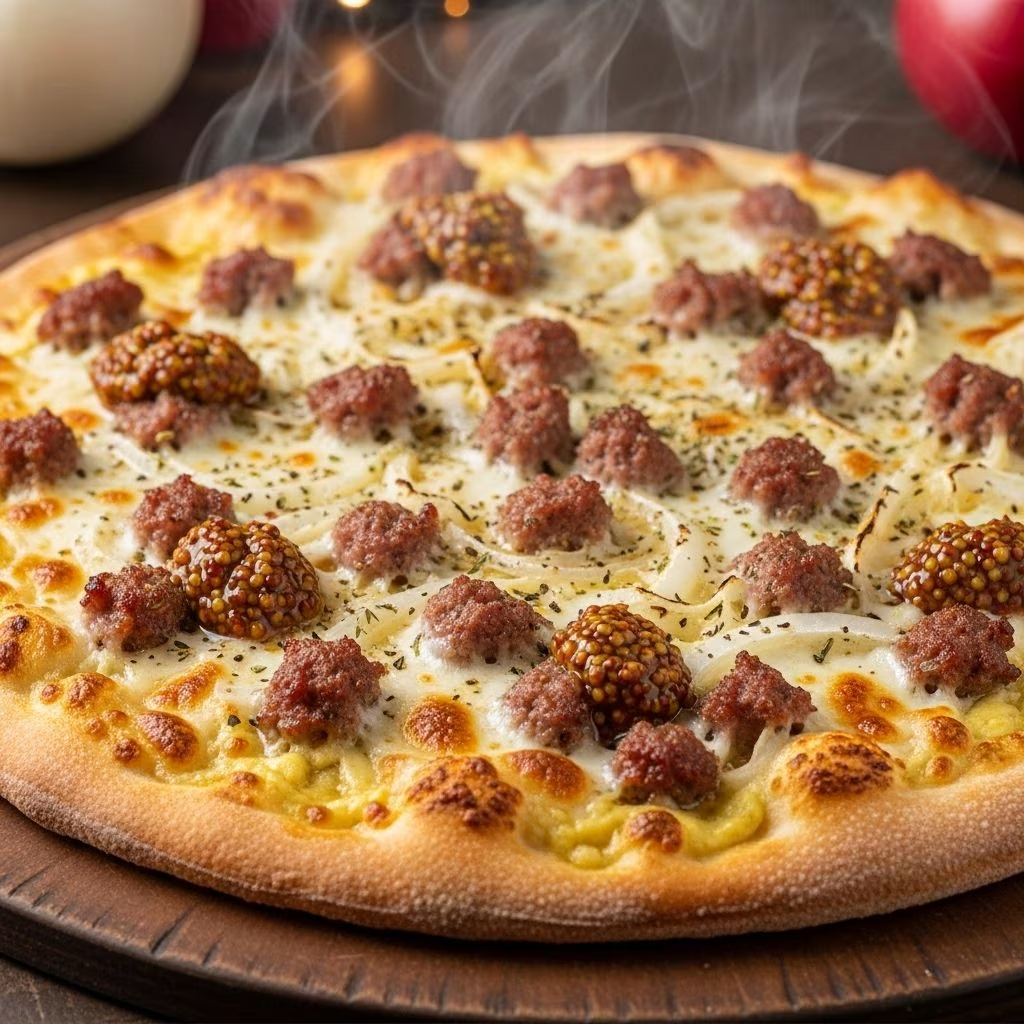
If you think you know New Jersey pizza, think again. While Trenton is famed for its tomato pies and thin crust, the city (and surrounding region) holds another closely guarded culinary secret: mustard pizza. This remarkable, region-specific pie replaces—or supplements—traditional tomato sauce with zesty yellow mustard, producing a tangy, savory bite unlike anything else in the American pizza canon.
The Origins of Mustard Pizza in Trenton
Trenton, New Jersey has a pizza culture as iconic as any in the United States. The region’s best-known creation, the Trenton tomato pie, dates to the early 20th century—a round pizza with cheese and toppings under the sauce. However, mustard pizza is a hyperlocal phenomenon that traces its roots to local bakeries and pizzerias, with the most frequently cited origin being Papa’s Tomato Pies and the family-run pizzerias of Chambersburg, a historically Italian enclave in Trenton.
Facing the challenges of tight budgets, creative bakers experimented with alternative toppings and sauces. It’s believed that during leaner times, or as a way to add extra zip for regulars, some pizzerias began brushing yellow mustard directly onto the dough in lieu of—or alongside—tomato sauce, then topping with cheese and various meats. Over time, it became a local legend, a late-night treat, and a badge of regional pride.
Why Mustard? Exploring Flavor and Texture
At first, the idea of mustard on pizza might sound heretical. But Trenton-style mustard pizza surprises with its balanced and assertive flavor. Here’s what makes it special:
- Tangy Acidity: The vinegar in yellow mustard cuts through the richness of mozzarella and fatty meats.
- Savory Complexity: Mustard’s spices and turmeric bring layers of flavor beyond the one-note sweetness of some tomato sauces.
- Textural Contrast: A layer of mustard brushed on the dough before baking can crisp and caramelize slightly at the edges, giving a unique texture and color.
- Customizable: While purists go for plain cheese (or sausage), the base adapts well to onions, peppers, and other classic pizza toppings.
Devotees insist that the mustard is never overpowering. Instead, it acts as a flavor amplifier for the toppings and cheese, making each bite more exciting than the last.
How to Make Trenton-Style Mustard Pizza: Step-by-Step Recipe
Adapting a slice of Trenton to your own kitchen isn’t difficult, but the technique matters. Here’s a comprehensive approach that respects tradition while adapting to home ovens.
Ingredients
- 1 batch high-hydration pizza dough (recipe below or store-bought, 350–400g per pie)
- 2–3 tablespoons yellow mustard (classic ballpark style, such as French’s)
- 2/3 cup shredded low-moisture mozzarella
- 1/2 cup canned whole tomatoes, crushed by hand (drain excess juice)
- 1–2 links mild Italian sausage, casings removed and pinched into small pieces (optional)
- Additional toppings: thinly sliced onion, green pepper (optional)
- Extra-virgin olive oil
- Kosher salt
For the Thin-Crust Pizza Dough:
- 300g (2 1/2 cups) bread flour
- 200g (3/4 cup plus 2 tablespoons) water, at room temperature
- 7g (1 1/4 teaspoons) salt
- 2g (1/2 teaspoon) instant yeast
Instructions
- Make the Dough: In a large bowl, combine bread flour, water, salt, and yeast. Mix until no dry flour remains. Cover and let rest for 20 minutes. Knead the dough for about 5 minutes until smooth. Transfer to a lightly oiled bowl, cover, and let it rise at room temperature until doubled, about 2 hours. (Or use store-bought dough for convenience.)
- Shape the Base: Heat your oven on its highest setting (500°F/260°C or as high as it will go), preferably with a pizza stone or steel inside. On a floured surface, gently press the dough into a rough round, about 12″ diameter, keeping the rim slightly thicker.
- Apply the Mustard: Brush or spread a thin, even layer of yellow mustard over the surface, leaving a 1/2-inch border for the crust.
- Assemble the Toppings: Sprinkle cheese evenly over the mustard base. Spoon the crushed tomatoes on in small dollops or streaks. Scatter sausage (if using) and any other desired toppings. Drizzle lightly with olive oil and sprinkle with kosher salt.
- Bake: Slide the pizza onto the preheated stone. Bake until the cheese is melted, the crust is browned and crisp, and any sausage is cooked through, 8–12 minutes depending on the oven. Rotate for even coloring if needed.
- Finishing Touches: Transfer pie to a cutting board, let settle for 2 minutes, then cut into wedges. Serve hot.
Tips for Better Mustard Pizza
- Use a classic, smooth yellow mustard—avoid Dijon or spicy brown styles.
- Less is more: a modest coat of mustard delivers flavor without overwhelming.
- If your oven doesn’t get hot enough, finish the pie under the broiler for extra char.
- Choose high-quality mozzarella for best melt and stretch.
- Experiment with toppings, but experience the original first!
Important Techniques and Pro Tips
- Dough Handling: Trenton-style pizza is known for its thin, crisp crust. Don’t over-flour; gentle stretching and minimal kneading preserve tenderness.
- Baking Surface: A pizza stone or steel preheated for 45 minutes ensures proper bottom browning and snap. Baking sheets work in a pinch but may not crisp as much.
- Mustard Distribution: Use a pastry brush for even coating, ensuring no puddles nor bare spots. The mustard caramelizes for a golden-brown color at the rim.
- Toppings Order: Cheese first, then tomatoes, then sausage—as in a true Trenton tomato pie—ensures even melt and prevents a soggy base.
- Rest Before Cutting: Letting the pizza sit for a minute post-bake keeps the cheese set, making cleaner slices.
How Trenton Mustard Pizza Compares to Other Regional Styles
| Style | Sauce/Base | Cheese | Signature Features |
|---|---|---|---|
| New York Slice | Tomato Sauce | Mozzarella | Thin, chewy crust, classic sweet-savory balance |
| Trenton Mustard Pizza | Yellow Mustard | Mozzarella (sometimes provolone) | Tangy base, crisp crust, optional sausage/onion |
| Chicago Deep Dish | Chunky Tomato Sauce | Mozzarella, cheddar/parmesan blend | Deep, buttery crust; cheese below sauce |
| Trenton Tomato Pie | Tomato on top | Mozzarella | Cheese/toppings first, then sauce, crisp bottom |
| Detroit Style | Classic Red Sauce (post-bake) | Brick cheese | Thick, airy crust, caramelized edges |
Mustard pizza stands alone in its unapologetically bold approach—striking a balance between familiar pizza comfort and something altogether new.
Frequently Asked Questions
Q: Is mustard pizza a traditional Italian recipe?
No—mustard pizza is a New Jersey original, born from local innovation and American flavor sensibilities. While Italian immigrants created Trenton’s pizza culture, the addition of mustard is unique to the region.
Q: Can I use other types of mustard?
Classic yellow mustard is strongly recommended. Dijon, spicy brown, or whole grain mustards are typically too pungent or texturally coarse and don’t deliver the signature Trenton flavor profile.
Q: Is there a vegetarian version?
Absolutely. Omit the sausage and top the pizza with thin-sliced onions, peppers, or mushrooms. The mustard and cheese still create a robust base.
Q: Will the mustard overwhelm the other flavors?
No, so long as you use a light hand. The mustard accents rather than dominates. Too much, however, can throw off the balance.
Q: Is this served in pizzerias outside New Jersey?
Rarely. Mustard pizza remains a regional treasure, though some home bakers and experimental pizzerias across the U.S. have begun to introduce it as a specialty item.
Why You’ll Fall in Love With Trenton-Style Mustard Pizza
- It reimagines pizza in a way that’s both surprising and satisfying.
- The combination of tangy mustard, crisp crust, and gooey cheese is crave-worthy and memorable.
- It’s an irresistible slice of New Jersey food history.
- It’s easy to recreate at home with just a few ingredients!
Whether you’re a pizza purist or an adventurous eater, Trenton-style mustard pizza invites you into the storied, flavorful, and innovative heart of New Jersey’s food scene. Try the recipe above for a true taste of regional American genius.