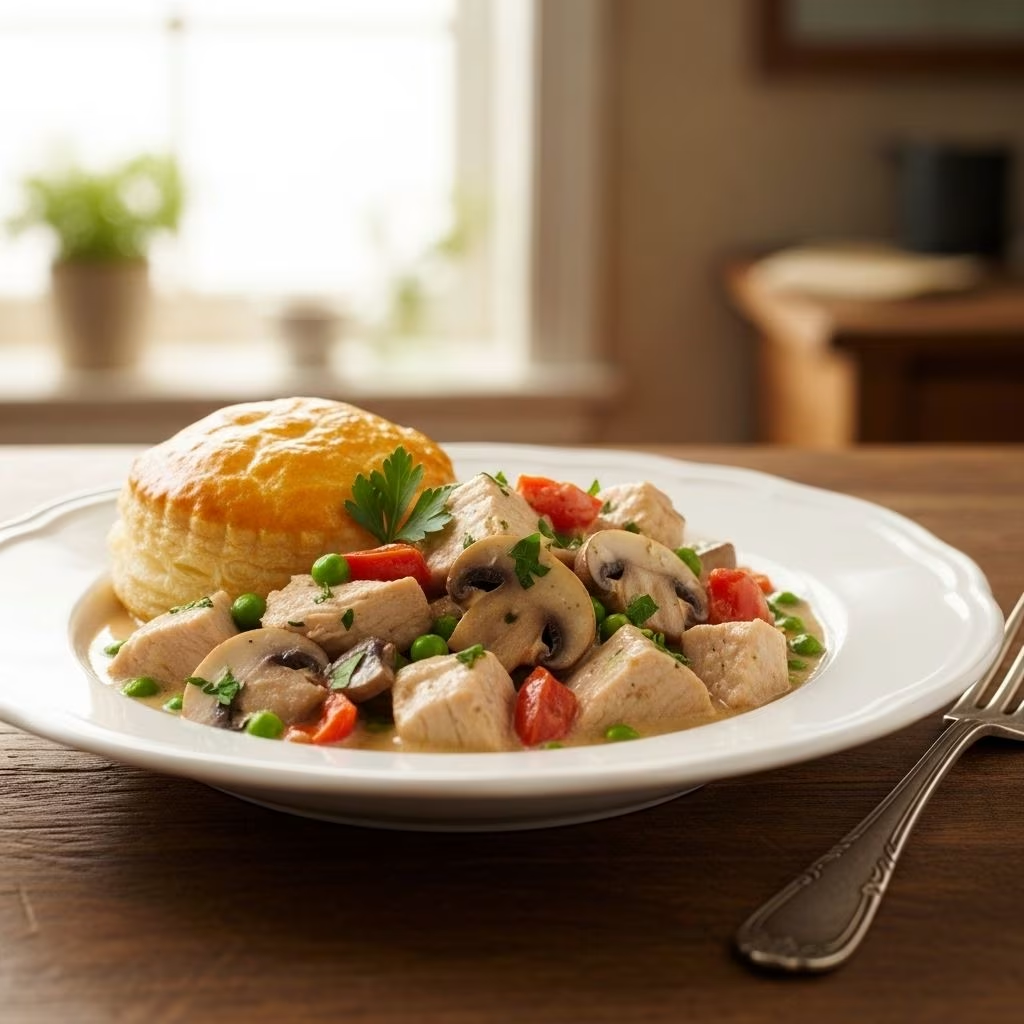
Turkey à la King represents the pinnacle of comfort food elegance, transforming simple leftover turkey into a rich, creamy masterpiece that graces tables with both sophistication and warmth. This classic American dish, with its origins tracing back to the late 19th century, has become synonymous with transforming holiday leftovers into something extraordinary. The beauty of this recipe lies not just in its ability to breathe new life into yesterday’s turkey, but in how it creates an entirely new culinary experience that rivals any restaurant-quality meal.
The Rich History and Meaning Behind Turkey à la King
Understanding what “à la king” means provides insight into this dish’s distinguished heritage. The term translates to “in the style of a king,” referring to food served in a rich cream sauce typically enhanced with mushrooms and colorful vegetables like pimentos or peppers. This royal treatment elevates humble ingredients into something worthy of the finest dining rooms, making it the perfect solution for those moments when you want to serve something special without starting from scratch.
The dish gained popularity in American households during the mid-20th century, particularly as a way to use Thanksgiving turkey leftovers. Its versatility and elegance made it a favorite for both family dinners and entertaining guests, proving that comfort food could be both practical and refined.
Essential Ingredients for Perfect Turkey à la King
The success of any Turkey à la King recipe depends heavily on the quality and balance of its ingredients. Each component plays a crucial role in creating the dish’s signature creamy texture and complex flavor profile.
The Foundation: Vegetables and Aromatics
The vegetable base of this dish provides both flavor and texture contrast to the creamy sauce. Three celery stalks, chopped, contribute a subtle crunch and fresh flavor that prevents the dish from becoming overly heavy. Two carrots, chopped, add natural sweetness and vibrant color, while one yellow onion, chopped, forms the aromatic foundation that gives depth to every bite.
The inclusion of one 8-ounce package of cremini mushrooms, trimmed and sliced, elevates the dish considerably. These mushrooms provide an earthy, umami-rich flavor that complements the turkey beautifully while adding a meaty texture that makes each bite more satisfying.
Creating the Perfect Creamy Base
The sauce is where Turkey à la King truly shines, and achieving the right consistency requires careful attention to the liquid components. Four tablespoons of salted butter provide the fat necessary for proper roux formation, while five tablespoons of all-purpose flour create the thickening base.
The liquid combination of half a cup of white wine, two cups of chicken or turkey broth, and one and a half cups of half-and-half creates layers of flavor complexity. The wine adds acidity and depth, the broth provides savory richness, and the half-and-half delivers the creamy texture that defines the dish.
The Star Ingredient and Finishing Touches
Three cups of shredded or cubed leftover cooked turkey form the protein heart of the dish. The beauty lies in how the creamy sauce transforms what might be dry leftover meat into tender, flavorful morsels that seem freshly prepared.
Additional elements that complete the dish include one 4-ounce jar of diced pimentos, drained, which adds color and a subtle sweet pepper flavor, and one cup of frozen cut green beans, providing both nutritional value and textural interest. Fresh herbs—half a cup of chopped fresh parsley plus more for serving and one and a half teaspoons of fresh thyme—brighten the entire dish with their aromatic qualities.
Step-by-Step Cooking Instructions
Preparing the Puff Pastry Foundation
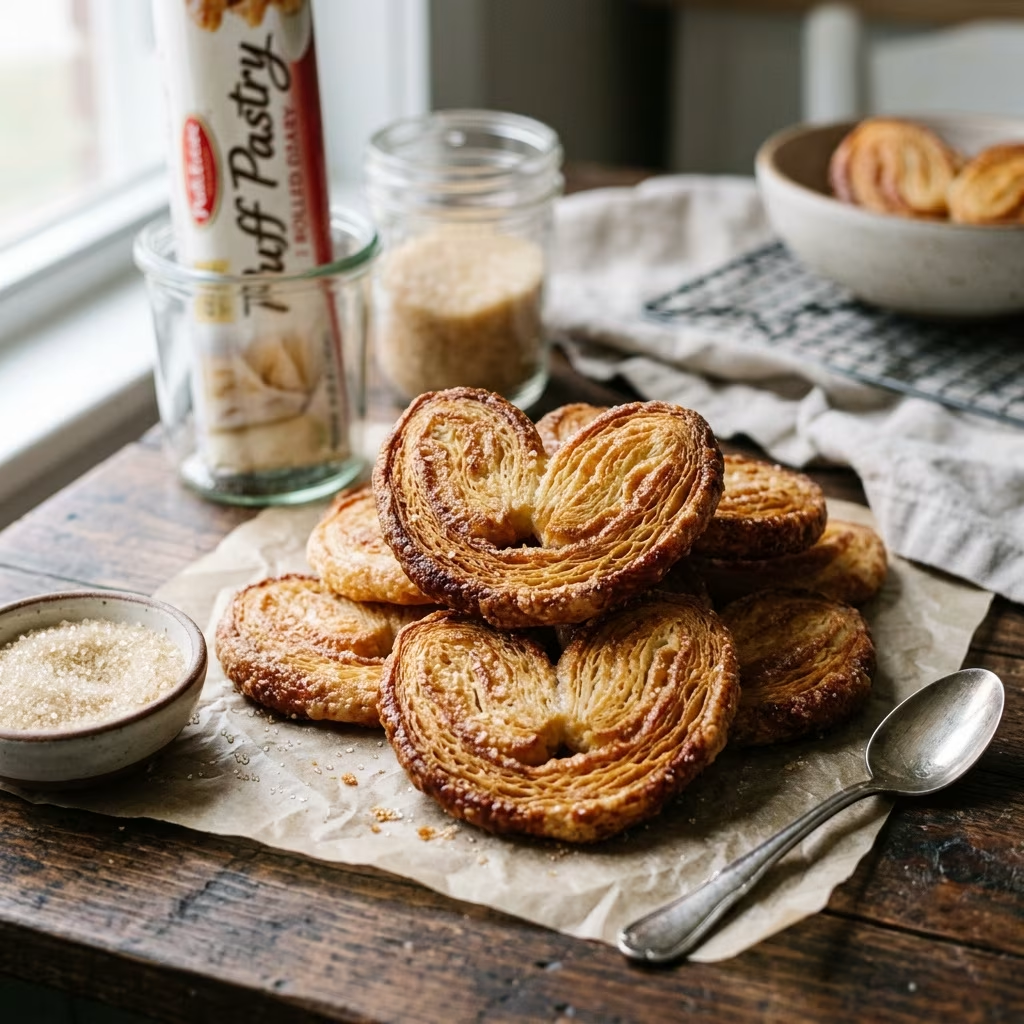
Begin by preheating your oven to 425°F and placing the 10-ounce package of frozen puff pastry shells on a baking sheet. These shells will serve as elegant vessels for your Turkey à la King, transforming a simple leftover dish into something restaurant-worthy. Bake according to package directions, typically 20-25 minutes, until golden brown and fully puffed.
Building the Flavor Base
In a large sauté pan or Dutch oven, melt the butter over medium heat, allowing it to foam slightly before adding the vegetables. This initial step is crucial for developing the dish’s flavor foundation. Add the celery, carrots, onion, mushrooms, salt, and pepper, cooking while stirring occasionally until the vegetables begin to soften and develop a beautiful golden color, approximately 7 to 9 minutes.
This sautéing process, known as sweating the vegetables, draws out their natural moisture and concentrates their flavors. The vegetables should become tender but retain some texture, providing pleasant contrast in the finished dish.
Creating the Perfect Roux
Sprinkle the flour over the sautéed vegetables and cook, stirring constantly, until the flour develops a slightly toasty aroma, about 2 minutes. This step eliminates the raw flour taste and creates the base for a smooth, lump-free sauce. The flour should coat the vegetables evenly and begin to take on a light golden color.
Incorporating Liquids and Building the Sauce
Add the white wine to the pan, using a wooden spoon to scrape up any browned bits from the bottom. This deglazing process captures the caramelized flavors developed during the vegetable sautéing phase. Gradually whisk in the chicken broth and half-and-half, maintaining constant stirring to prevent lumps from forming.
Bring the mixture to a boil, then reduce the heat to medium-low and simmer, stirring frequently, until the sauce thickens to a gravy-like consistency. This process typically takes 8-10 minutes and is crucial for achieving the proper texture that will coat the turkey and vegetables without being too thin or overly thick.
Final Assembly and Seasoning
Once the sauce reaches the desired consistency, gently fold in the turkey, ensuring each piece is well-coated with the creamy mixture. Add the pimentos, green beans, parsley, and thyme, stirring gently to distribute evenly throughout the dish. Allow the mixture to heat through completely, ensuring the turkey is warmed to serving temperature and the flavors have melded together.
Taste and adjust seasoning as needed, remembering that the dish should be well-seasoned but not overwhelming, allowing the turkey and vegetables to shine through the creamy sauce.
Serving and Presentation Tips
The presentation of Turkey à la King can elevate it from a simple leftover dish to an elegant meal worthy of special occasions. Spoon the creamy turkey mixture generously into the warm puff pastry shells, allowing it to overflow slightly for an abundant, appealing appearance.
Garnish with additional fresh parsley for color and freshness, and consider serving alongside complementary side dishes such as steamed asparagus, roasted Brussels sprouts, or a simple green salad to balance the richness of the main course.
Nutritional Benefits and Dietary Considerations
Turkey à la King provides substantial nutritional value, particularly as a source of high-quality protein from the turkey. The variety of vegetables contributes essential vitamins and minerals, while the dairy components provide calcium and additional protein.
For those with dietary restrictions, several modifications can be made without compromising flavor. The half-and-half can be substituted with milk or even unsweetened plant-based alternatives, though this may slightly alter the richness of the final dish. Gluten-free flour can replace all-purpose flour for those avoiding gluten, though the thickening properties may vary slightly.
Storage and Reheating Guidelines
Turkey à la King stores exceptionally well, making it an ideal make-ahead meal. Store leftover portions in the refrigerator for up to three days in airtight containers. When reheating, add a splash of broth or milk to restore the original consistency, as cream sauces tend to thicken when cooled.
For longer storage, the turkey mixture freezes well for up to three months, though the texture may be slightly different upon thawing. Always reheat thoroughly before serving, ensuring the internal temperature reaches 165°F for food safety.
Recipe Variations and Customizations
The beauty of Turkey à la King lies in its adaptability to personal preferences and available ingredients. Chicken can easily substitute for turkey, making this recipe valuable year-round rather than just during holiday leftover season. Rotisserie chicken works particularly well for quick weeknight preparations.
Vegetable variations can include diced bell peppers, frozen peas, or corn kernels, depending on personal preference and seasonal availability. Some cooks prefer to add a touch of paprika or cayenne pepper for subtle heat, while others incorporate herbs like sage or rosemary for additional complexity.
Troubleshooting Common Issues
Several common issues can affect the final result of Turkey à la King. If the sauce appears too thin, create a slurry with equal parts flour and cold broth, whisking it into the simmering mixture until the desired thickness is achieved. Conversely, if the sauce becomes too thick, gradually add warm broth or milk until the proper consistency returns.
Lumpy sauce typically results from adding liquid too quickly when building the roux. If this occurs, strain the sauce through a fine-mesh sieve or use an immersion blender to smooth it out before adding the turkey and vegetables.
Frequently Asked Questions
Q: Can I make Turkey à la King without wine?
A: Yes, you can substitute the wine with an equal amount of additional chicken broth or even omit it entirely. The wine adds depth, but the dish will still be delicious without it.
Q: How can I prevent the sauce from curdling?
A: Keep the heat at medium or medium-low when simmering, and avoid boiling vigorously once the dairy has been added. Gradual temperature changes help maintain a smooth sauce.
Q: What can I serve instead of puff pastry shells?
A: Rice, egg noodles, biscuits, toast points, or even baked potatoes make excellent alternatives. The key is choosing something that can hold or complement the creamy sauce.
Q: Is Turkey à la King suitable for meal prep?
A: Absolutely! The dish actually improves in flavor after a day, making it perfect for batch cooking. Store the filling separately from pastry shells to maintain optimal texture.
Q: Can I use turkey stock instead of chicken broth?
A: Turkey stock is actually preferable as it enhances the overall turkey flavor. If you made stock from your turkey bones, this is an excellent way to use it.
References
- https://www.delish.com/cooking/recipe-ideas/a41721069/turkey-a-la-king-recipe/
- https://hostessatheart.com/turkey-a-la-king/
- https://www.youtube.com/watch?v=VuiuTuNuRMM
- https://www.thepioneerwoman.com/food-cooking/recipes/a62979384/turkey-a-la-king-recipe/
- https://www.thepioneerwoman.com/food-cooking/meals-menus/g41982505/best-leftover-turkey-recipes/
- https://www.thepioneerwoman.com/food-cooking/recipes/a11691/turkey-tetrazzini/