The Ultimate Tuscan Bean Soup with Shrimp: A Mediterranean Masterpiece
There’s something magical about the combination of creamy white beans, aromatic herbs, and perfectly cooked shrimp that transforms a simple soup into a restaurant-quality meal. This Tuscan Bean Soup with Shrimp represents the essence of Mediterranean comfort food – rustic yet refined, simple yet sophisticated. The recipe brings together the earthy flavors of Great Northern beans with the bright taste of fresh herbs and the luxurious addition of sautéed shrimp, creating a bowl of pure satisfaction that warms both body and soul.
What makes this soup particularly special is its versatility and forgiving nature. While the addition of shrimp might seem unconventional for a traditional Tuscan bean soup, it elevates the dish into something extraordinary. The protein adds a delicate sweetness that complements the robust flavors of garlic, oregano, and red pepper flakes, while the kale provides essential nutrients and a beautiful color contrast.
Understanding the Ingredients: Building Blocks of Flavor
The Foundation: Aromatics and Base
Every great soup begins with a solid foundation, and this Tuscan creation is no exception. The aromatic trinity of onions, garlic, and tomato paste forms the flavor base that will permeate every spoonful. The onions provide sweetness and depth when properly sautéed, while the garlic adds its characteristic pungency. The tomato paste, when cooked until slightly caramelized, contributes a rich umami flavor that binds all the other ingredients together.
The inclusion of dry white wine serves multiple purposes beyond just flavor enhancement. It deglazes the pan, lifting all those beautiful browned bits from the bottom, and adds acidity that balances the richness of the beans. As the wine reduces, it concentrates in flavor, creating a more complex taste profile that sophisticated palates will appreciate.
The Heart: Great Northern Beans
Great Northern beans are the star of this soup, and for good reason. These creamy white legumes have a mild flavor that absorbs the surrounding seasonings beautifully while maintaining their shape during the cooking process. Unlike smaller beans that might break down completely, Great Northern beans provide substance and texture that makes each bite satisfying.
The key to working with canned beans is proper preparation. Draining and rinsing removes the excess sodium and that slightly viscous liquid that can make soup cloudy. This simple step ensures your soup has a clean, appetizing appearance and allows the natural flavors of the beans to shine through.
The Green Power: Kale and Fresh Herbs
Kale brings both nutrition and color to this soup. This nutrient-dense leafy green is packed with vitamins A, C, and K, plus iron and calcium. When added to the hot soup, kale wilts quickly but retains enough structure to provide textural interest. The slightly bitter edge of kale is mellowed by the cooking process and complements the other flavors beautifully.
Fresh basil and parsley are not mere garnishes in this recipe – they’re integral flavor components. The basil, added both during cooking and as a final garnish, provides that quintessential Italian aroma and taste. The parsley, cooked with the shrimp, adds freshness and a subtle herbaceous note that brightens the overall dish.
Mastering the Cooking Technique
The Art of Building Layers
Great soup-making is about building layers of flavor, and this recipe demonstrates that principle perfectly. Each step adds complexity and depth that wouldn’t be possible if all ingredients were simply thrown together. The process begins with properly sautéing the aromatics, allowing them to develop their flavors before moving to the next step.
The tomato paste cooking phase is crucial and often overlooked by novice cooks. Taking the extra minute or two to cook the paste until it darkens slightly and becomes fragrant creates a deeper, more concentrated tomato flavor. This technique, known as blooming, applies to the dried herbs as well – the brief cooking releases their essential oils and maximizes their impact on the final dish.
Wine Reduction: The Secret to Depth
The wine reduction step is where patience pays dividends. Allowing the wine to bubble and reduce by half concentrates its flavors while cooking off the harsh alcohol notes. This process typically takes about 5 minutes, during which you should scrape the bottom of the pan to incorporate any browned bits. The result is a complex, wine-forward base that adds sophistication to your soup.
Perfecting the Shrimp
The shrimp component requires attention to timing and technique. Medium-high heat and butter create the perfect environment for achieving golden, perfectly cooked shrimp. The key indicators are color change – from translucent gray to opaque pink – and the slight golden color that develops on the surface. Overcooking results in rubbery texture, so watch carefully and remove from heat as soon as they’re done.
Step-by-Step Cooking Instructions
Preparation Phase
Before beginning, ensure all ingredients are properly prepared. Dice the onion uniformly for even cooking, mince the garlic finely to distribute its flavor throughout the soup, and drain and rinse the beans thoroughly. Having everything ready before you start cooking – a technique called mise en place – ensures smooth execution and prevents any steps from being missed.
Building the Base
Heat olive oil in a large, heavy-bottomed pot over medium-high heat. Add the diced onions and cook for 3-4 minutes until they begin to soften and become translucent. Add the minced garlic and cook for another minute, stirring constantly to prevent burning. The garlic should be fragrant but not browned.
Add the tomato paste and stir continuously for about 2 minutes. You’ll notice the paste darkening slightly and developing a deeper aroma. This is exactly what you want. Stir in the red pepper flakes and dried oregano, cooking for just 30 seconds to bloom the spices.
Deglazing and Building Liquid Base
Pour in the white wine and whisk vigorously, scraping up any browned bits from the bottom of the pan. Allow the wine to bubble and reduce by half, approximately 5 minutes. Add the canned tomatoes, breaking them up slightly with your spoon if using whole tomatoes.
Add the drained and rinsed beans, followed by the chicken broth. Bring the mixture to a boil, then reduce heat and simmer for 20-25 minutes. This allows all the flavors to meld and the soup to develop its characteristic richness.
Final Assembly
While the soup simmers, prepare the shrimp by melting butter in a medium skillet over medium-high heat. Add the shrimp and chopped parsley, cooking until the shrimp are opaque and lightly golden, about 4-5 minutes. Season with salt and set aside.
Add the torn kale to the soup and stir. It will seem like too much at first, but the kale will wilt quickly. Add torn fresh basil and let the soup simmer for an additional 5 minutes. Taste and adjust seasoning with salt, pepper, and additional red pepper flakes if desired.
Serving and Presentation
Traditional Service
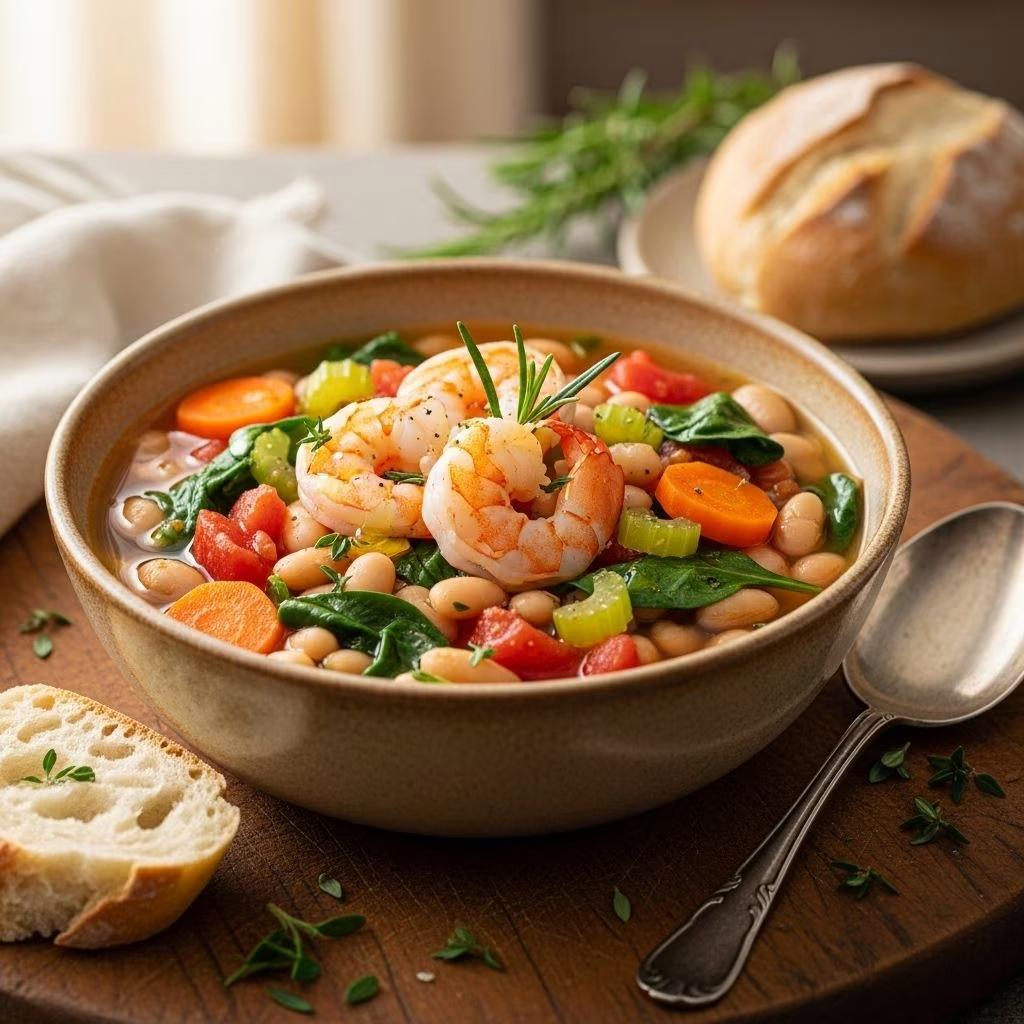
This soup can be served family-style in a large bowl with the shrimp arranged on top, or portioned into individual bowls with 3-4 shrimp per serving. The presentation should highlight the beautiful colors – the deep red of the tomatoes, the white beans, the vibrant green kale, and the pink shrimp.
Top each serving with freshly grated Parmesan or Romano cheese and additional torn basil. The cheese adds a sharp, salty contrast that complements the mild beans perfectly, while the fresh basil provides aromatic appeal and visual interest.
Accompaniments and Pairings
Serve with crusty Italian bread or focaccia for dipping. A simple green salad with lemon vinaigrette makes an excellent side dish that won’t compete with the soup’s robust flavors. For wine pairings, consider a crisp white wine like Pinot Grigio or Sauvignon Blanc, or a light red like Chianti Classico.
Nutritional Benefits and Dietary Considerations
Health Benefits
This soup is a nutritional powerhouse. Great Northern beans provide plant-based protein, fiber, and essential minerals like iron and magnesium. The kale contributes significant amounts of vitamins A, C, and K, plus antioxidants that support overall health. Shrimp adds high-quality complete protein while remaining relatively low in calories.
The olive oil provides healthy monounsaturated fats, while the herbs and spices contribute antioxidants and anti-inflammatory compounds. The overall dish is naturally gluten-free and can easily be made dairy-free by omitting the cheese garnish.
Dietary Modifications
For vegetarian versions, simply omit the shrimp and use vegetable broth instead of chicken broth. Consider adding extra vegetables like diced carrots or celery for additional nutrition and texture. For those avoiding alcohol, the wine can be replaced with additional broth, though some flavor depth will be lost.
Storage and Reheating
This soup stores beautifully in the refrigerator for up to 4 days. The flavors actually improve after a day, as all the ingredients have more time to meld. When reheating, you may need to add additional broth as the beans will continue to absorb liquid.
For longer storage, the soup can be frozen for up to 3 months. However, it’s best to freeze the soup without the shrimp and prepare fresh shrimp when serving. The texture of previously frozen shrimp in soup is not optimal.
Frequently Asked Questions
Q: Can I use different types of beans in this recipe?
A: Yes, cannellini beans or navy beans work well as substitutes for Great Northern beans. Each will provide slightly different textures and flavors but will be delicious.
Q: What can I substitute for the white wine?
A: You can use additional chicken broth, though you’ll lose some flavor complexity. White wine vinegar (1-2 tablespoons) mixed with broth can provide some acidity.
Q: Can I make this soup ahead of time?
A: Absolutely! The soup actually improves in flavor when made a day ahead. Prepare the shrimp fresh when serving for best texture.
Q: What other seafood works well in this soup?
A: Scallops, chunks of white fish, or even crab meat would be excellent alternatives to shrimp. Adjust cooking times accordingly.
Q: How can I make this soup heartier?
A: Add diced Italian sausage with the onions, or include diced potatoes with the broth. Both additions will make the soup more substantial.