Tuscan Jewish Lemon Fried Chicken: A Crisp Culinary Tradition
Tuscan Jewish lemon fried chicken, or Pollo fritto per Chanukkà, is a vibrant dish blending Italy’s love of citrus with Jewish Hanukkah traditions. This age-old recipe balances fragrant spices and tangy marinade, resulting in delectably crisp fried chicken. Revered in both festive and everyday meals, it stands as a lesser-known but cherished representative of global fried chicken variations.
Origins and Cultural Context
Fried chicken’s global popularity is well-documented, from Japanese karaage to American Southern classics and Ukrainian Chicken Kiev. Yet, Italy’s Jewish community in Tuscany brings its own remarkable spin, distinguished by deep marination and the aromatic, zesty burst of lemon.
Historically, this dish emerged within the Jewish diaspora of Tuscany, where Jewish communities embraced regional ingredients and infused them with kitchen rituals tied to Hanukkah, the Festival of Lights.
- Hanukkah context: Foods fried in oil, such as latkes and Pollo fritto per Chanukkà, are cooked in remembrance of the miracle of the oil lamp, which burned for eight days in the ancient Temple despite holding just one day’s supply of oil.
- Regional adaptation: Utilizing local lemons, warm spices, and olive oil, Tuscan Jews created a dish that balances Tuscan terroir with Jewish ritual.
- Beyond Hanukkah: Although pivotal to Hanukkah tables, this chicken is relished year-round due to its bright, deep flavors.
This culinary heritage was revived and modernized in contemporary restaurants by chefs inspired by these Mediterranean-Jewish traditions—making the dish accessible to home cooks and adventurous eaters alike.
Flavor Profile: Zest Meets Aromatics
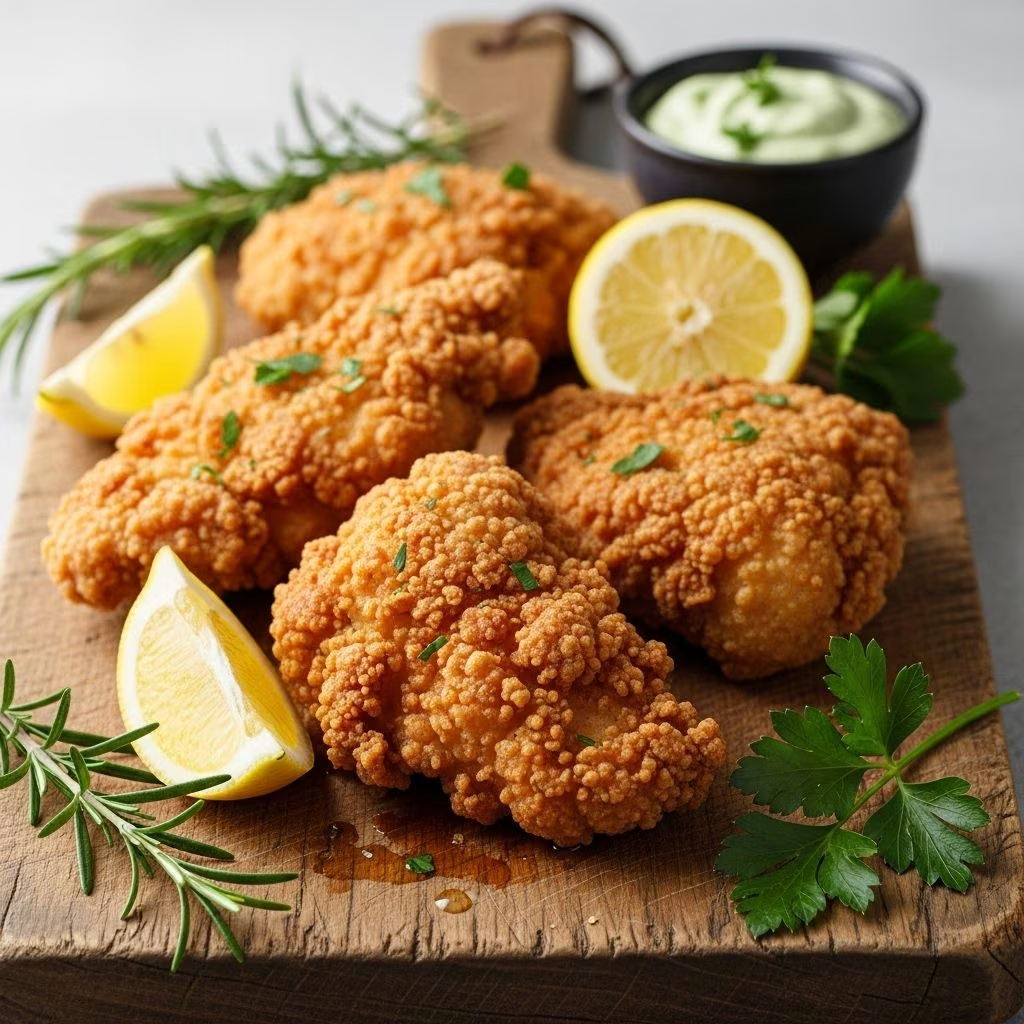
The defining feature of Tuscan Jewish lemon fried chicken is its dramatically aromatic profile, achieved via a lemon-centric marinade heightened by warm spices. Rather than being heavily breaded, the chicken is enveloped in a pillowy, egg-based coating that turns crisp when fried. The result: a distinctly light but flavor-packed crust encasing juicy, citrus-inflused chicken.
- Lemon: Both zest and juice are used, imparting a sharp, lingering acidity and fragrance.
- Garlic: Intensifies the savory notes and enhances the zesty punch.
- Warm spices: Nutmeg and cinnamon feature prominently, lending a subtle, comforting warmth.
- Crispy coating: Eggs and flour create a delicate, golden crust that allows the marinade’s complexity to shine through.
This synthesis of spice, tang, and crispiness sets Tuscan Jewish fried chicken apart from both Italian cotoletta and American fried chicken, offering a unique gastronomic experience.
Key Ingredients and Their Roles
| Ingredient | Purpose | Substitutions/Special Notes |
|---|---|---|
| Chicken pieces | Main protein; typically bone-in and skin-on for maximum juiciness and flavor. | Can use boneless if preferred; thighs and drumsticks are popular choices. |
| Lemon juice and zest | Imbues meat with tang and tenderizes. | Fresh lemons are essential for best aroma. |
| Garlic cloves | Deepens savory component of marinade. | Can be sliced or smashed depending on desired intensity. |
| Cinnamon & nutmeg | Introduce sweet and warm undertones, classic to Tuscan Jewish flavor. | Fresh ground spices offer more potency. |
| Eggs | Form the base of the coating, binding flour. | Vital for structure and browning. |
| Flour | Creates crispy exterior. | Wheat flour traditional; gluten-free blends can be used with similar results. |
| Salt and pepper | Seasoning essentials for marinade and coating. | Adjust to taste; sea salt preferred for flavor clarity. |
| Olive oil (or vegetable oil) | For frying; imparts subtle Mediterranean depth if using olive oil. | Light olive oil recommended for frying temperature stability. |
Step-by-Step Method for Authentic Results
- Marinate the chicken:
- Toss chicken pieces with lemon juice and zest, plenty of garlic, cinnamon, nutmeg, salt, and pepper in a large bowl.
- Cover and refrigerate for at least 2 hours; overnight is best for maximum flavor infusion.
- Prepare the coating:
- Crack eggs into a shallow bowl and beat until smooth.
- Add flour to another dish, seasoned lightly with salt and pepper.
- Coat the chicken:
- Lift chicken pieces from marinade, letting excess drip off. Dip each first in beaten egg, then dredge in flour until well coated.
- Tap off excess flour to prevent clumping.
- Fry the chicken:
- Heat 1/2 inch of oil in a heavy skillet over medium-high until shimmering.
- Fry chicken in batches; avoid crowding. Cook until golden brown and crisp, 6 to 8 minutes per side for bone-in pieces (less for boneless).
- Rest fried pieces on a rack or paper towels to drain excess oil.
Tips, Variations & Serving Suggestions
- Marinating: The longer the chicken bathes in the citrus-spice mixture, the more aromatic and flavorful it becomes—overnight is ideal.
- Oil choice: Light olive oil gives authentic flavor but neutral vegetable oils are more heat-stable for frying larger quantities.
- Serving temperature: Traditionally enjoyed at room temperature, making it ideal for make-ahead gatherings or holidays.
- Accompaniments: Pair with simple salads (arugula, citrus), roasted potatoes, or traditional Hanukkah sides like latkes. Lemon wedges and coarse sea salt enhance the zesty finish.
- Variations: For gluten-free options, use rice flour or gluten-free all-purpose flour blends. For a heartier crust, add crushed matzo meal to the coating mix.
Cultural Significance and Occasions
Pollo fritto per Chanukkà is not only a recipe—it is a celebration of memory, resilience, and hospitality.
- Hanukkah: Centerpiece at holiday tables, joining other oil-fried favorites like latkes and Roman-Jewish artichokes.
- Other Jewish and Italian festivals: Embraced at community celebrations, weddings, and Sabbath meals.
- Symbol of Mediterranean-Jewish culinary ingenuity: Reflects the adaptability of Jewish communities through centuries of changing circumstance and local influence.
For Tuscan Jewish families and those who adopt the tradition, the dish is a flavorful reminder of heritage, unity, and the enduring pleasures of the table.
Tuscan Jewish Fried Chicken vs. Other Global Variants
| Variant | Key Flavoring | Coating | Special Features |
|---|---|---|---|
| Tuscan Jewish Lemon Fried Chicken | Lemon, garlic, cinnamon, nutmeg | Egg and flour, light & crisp | Marinated, citrusy, aromatic; linked to Hanukkah |
| Southern U.S. Fried Chicken | Buttermilk, black pepper | Heavily breaded, usually deep-fried | Very crunchy, savory, often served hot |
| Japanese Karaage | Soy, ginger, garlic, mirin | Potato starch, usually bite-sized pieces | Juicy, umami-rich, frequently served with lemon |
| Roman-Jewish Fried Artichokes | Lemon, olive oil | Crisp exterior from deep frying | Popular Hanukkah and street food; vegan |
Frequently Asked Questions
Can I use chicken breast or boneless pieces?
Yes. While traditional recipes favor bone-in pieces for extra richness, boneless thighs or breast pieces work well. Adjust frying time accordingly to prevent drying.
Is it necessary to marinate overnight?
Marinating for at least 2 hours imparts good flavor, but overnight marination yields the deepest, most aromatic results.
How do I make it gluten free?
Simply substitute the wheat flour for a gluten-free blend or rice flour. The texture remains light and crispy.
What oil should I use?
Light olive oil is authentic and offers subtle Mediterranean flavor. For higher heat or larger batches, use sunflower or safflower oil.
Can leftovers be served cold?
Absolutely. This chicken is delicious at room temperature or cold, making it ideal for picnics or as a leftovers treat.
Embracing Heritage in Every Bite
Tuscan Jewish lemon fried chicken is much more than a meal; it is an accessible entry into centuries-old traditions melding Jewish and Italian sensibilities. Its concise ingredient list belies a dish with depth, aroma, and history—perfect for festive gatherings or an inspired weeknight dinner. By mastering its citrusy marinade and crisp finish, home cooks celebrate both cultural memory and gastronomic adventure.