There’s something magical about smoked meat—the tenderness, the succulence, the captivating aroma, and the deeply infused flavor that only slow cooking over wood can bring. Whether you’re a seasoned pitmaster or just stepping into the world of backyard smoking, this guide lays out everything you need to know about smoking meats at home. We’ll explore classic and modern smoked meat recipes, delve into essential tips and techniques, and answer your most pressing questions, empowering you to serve mouthwatering BBQ any time of year.
Why Smoke Meat?
Smoking is far more than just a cooking technique; it’s a tradition rich in history and flavor. The unique combination of low heat and aromatic smoke works wonders on tougher cuts, transforming them into tender, juicy, and flavorful bites. Here are just a few reasons smoked meat is beloved worldwide:
- Enhanced Flavor: Smoke imparts complex, bold flavors you can’t achieve with other methods.
- Tender Texture: Long, slow cooking breaks down connective tissue, rendering even tough cuts meltingly tender.
- Sense of Community: Smoking is at the heart of many social gatherings and cultural traditions, from Texas brisket feasts to Carolina pulled pork picnics.
- Versatility: Smoke’s flavor pairs beautifully with pork, beef, poultry, fish, and even vegetables.
Essential Tools for Smoking Meat
The right equipment sets the stage for successful smoking. Here’s a quick overview of tools every aspiring pitmaster should consider:
- Smoker: The heart of the operation. Choose from offset smokers, drum smokers, pellet grills, electric smokers, or even a trusty kettle grill adapted for indirect cooking.
- Charcoal or Wood: Charcoal provides a consistent heat source, while hardwood chunks or chips (like hickory, oak, cherry, or apple) deliver signature smoky flavor.
- Thermometers: Digital probe thermometers monitor both smoker temperature and internal meat temps for foolproof results.
- Water Pan: Helps regulate moisture and heat inside the smoker.
- Drip Tray: Catches rendered fat and makes cleanup a breeze.
- Fireproof Gloves and Tongs: For safe, easy handling when moving grates or hot meat.
Classic Smoked Meat Recipes
No smokehouse spread is complete without the pillars of barbecue. These classics stand the test of time because they perfectly harness the transformative power of wood smoke and patient cooking.
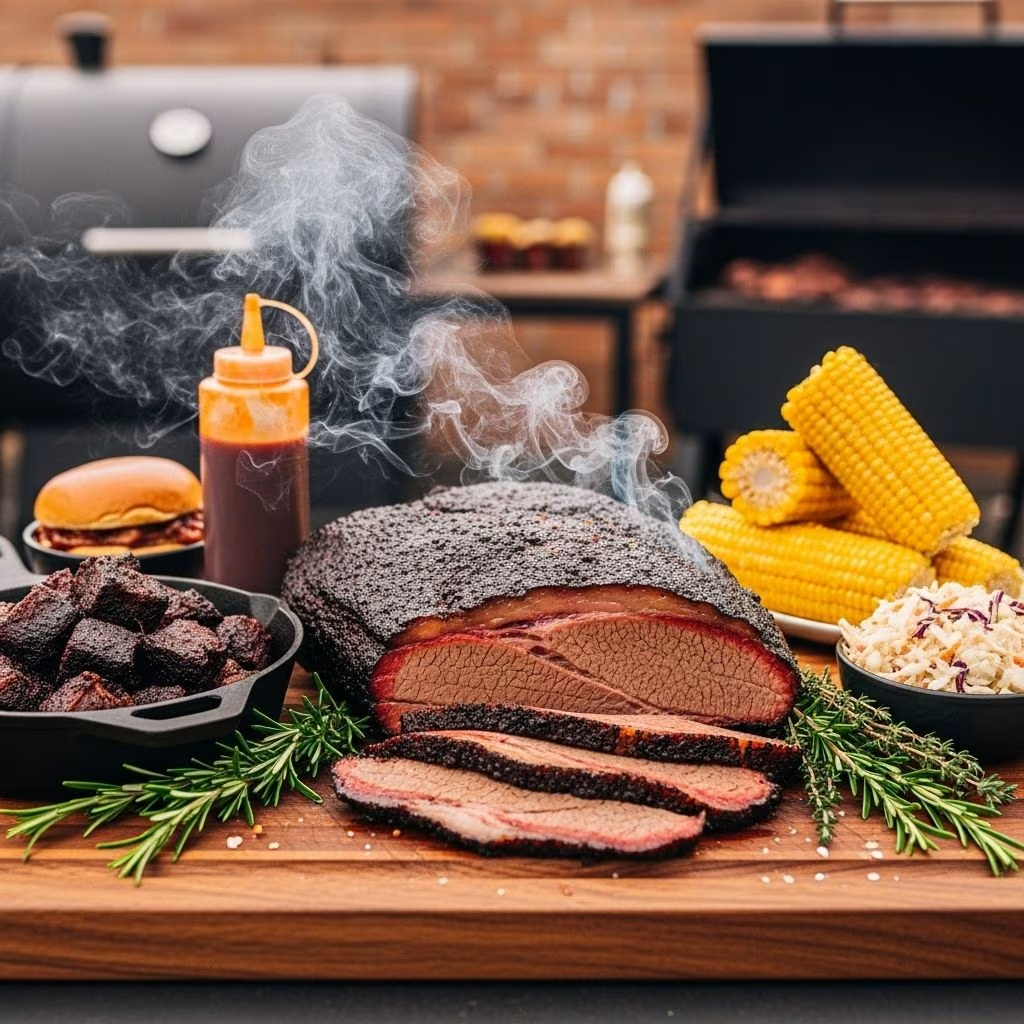
1. Smoked Texas-Style Beef Brisket
Few dishes inspire more reverence among BBQ enthusiasts than brisket—smoky, bark-crusted, and exquisitely tender. This Texan classic requires time and patience, but the juicy results are well worth the effort.
- Seasoning: Keep it simple—just coarse salt and cracked black pepper form the legendary Texas bark.
- Technique: Smoke at 225-250°F with oak or hickory for 10-12 hours, until slices are tender but not falling apart.
- Resting: Allow the brisket to rest wrapped in butcher paper or foil for at least an hour before slicing.
2. Pulled Pork Shoulder (Boston Butt)
Pulled pork embodies the spirit of the American South: savory, tender, and easily shared. Smoked low and slow, pork shoulder transforms into luscious, shreddable meat perfect for sandwiches or plates.
- Seasoning: Use a sweet and savory rub featuring paprika, brown sugar, garlic powder, and a touch of cayenne.
- Technique: Smoke at 225-250°F for 8-12 hours, until the pork reaches 195°F and shreds with ease.
- Sauces: Serve with Carolina vinegar sauce or classic tomato-based BBQ sauce.
3. Smoked Pork Ribs
Juicy, fall-off-the-bone ribs are a BBQ staple. Whether you favor spare ribs or baby backs, proper technique makes all the difference between tender and tough.
- Prep: Remove the membrane from the bone side for more tender results.
- Rub: Apply a flavorful dry rub of paprika, sugar, black pepper, and spices.
- Method: Try the 3-2-1 method: 3 hours smoked unwrapped, 2 hours wrapped in foil, 1 hour unwrapped to set the glaze.
4. BBQ Chicken
Smoking adds depth and juiciness often lacking in basic grilled chicken. Whole birds, thighs, or leg quarters all take beautifully to the smoker.
- Brine: Optional but recommended—soak in a saltwater brine for juicier meat.
- Seasoning: Use a classic BBQ rub or marinade for more flavor.
- Technique: Smoke at 250-300°F, finishing with a glaze of your favorite barbecue sauce.
5. Smoked Sausages
Smoked sausages are savory, snappy, and endlessly customizable—from spicy andouille to classics like kielbasa and bratwurst.
- Casing: Natural casings take on smoke beautifully, but skinless sausages work in a pinch.
- Flavor: Wood smoke intensifies the savory and spiced notes.
- Serving: Serve solo, on a bun, or as part of a larger BBQ platter.
Innovative Smoked Meat Recipes
Classic recipes are only the beginning! Adventurous cooks can bring innovation to the smoker with global flavors, uncommon cuts, and crowd-pleasing party dishes.
Smoked Turkey and Poultry
Move over, holiday oven—smoked turkey boasts intoxicating aroma and juiciness. Wings, thighs, or whole birds can all be transformed.
- Prep: Brine overnight and rub with butter or seasoning paste.
- Technique: Smoke at 250-275°F, adding wood chips for extra smokiness.
- Serving: Perfect for Thanksgiving or year-round feasts.
Smoked Lamb
Lamb’s robust flavor is elevated by aromatic wood smoke. Think smoked lamb shanks or shoulders inspired by Middle Eastern and Mediterranean flavors.
- Spices: Use spice blends featuring cumin, coriander, and sumac.
- Method: Smoke until fork-tender, then serve with yogurt or chimichurri.
Smoked Duck
Duck’s rich meat soaks up smoke, yielding deeply flavorful results perfect for slicing or shredding into salads and tacos.
- Prep: Score the skin and season liberally.
- Technique: Smoke at a slightly higher temperature (275°F) to render fat and crisp the skin.
Smoked Fish
Fish like salmon and trout develop a luxurious texture and pronounced smoky notes. These dishes evoke traditional smokehouses from the Pacific Northwest to Scandinavia.
- Brining: Essential to firm up delicate flesh.
- Technique: Smoke gently at 180-200°F until just cooked through.
- Serving: Serve chilled, flaked, or atop canapés.
Smoked Burgers and Meatloaf
Take weeknight meals to new heights by infusing burgers and meatloaf with wood smoke.
- Patties: Form thick patties and smoke briefly for flavor without overcooking.
- Meatloaf: Mold onto a grill pan and smoke covered until perfectly cooked and juicy.
Pro Tips for Perfect Smoking
- Pace Yourself: Low and slow is the mantra for most smoked meats. Rushing the process results in tougher, drier meat.
- Manage the Smoke: Thin blue smoke yields the best flavor. Thick, billowy smoke can make meats taste acrid or bitter.
- Rest Your Meat: Let smoked meats rest before slicing to reabsorb juices and ensure tenderness.
- Track Temperatures: Monitor both smoker and internal meat temperatures for safety and consistency.
- Experiment: Try different woods and rubs—each type brings a unique flavor profile.
Common Woods for Smoking
| Wood | Flavor Profile | Best For |
|---|---|---|
| Hickory | Strong, slightly sweet and nutty | Pork shoulder, brisket, ribs |
| Oak | Medium-strong, earthy | Brisket, beef ribs, lamb |
| Apple | Mild, fruity, subtly sweet | Poultry, pork, fish |
| Cherry | Sweet, mild, rosy color | Chicken, turkey, pork |
| Pecan | Delicate, nutty, mildly sweet | Poultry, pork, brisket |
Frequently Asked Questions (FAQs)
Q: What’s the best temperature for smoking meat?
A: Most smoked meats do best at 225-250°F. This allows time for smoke to penetrate and fat to render, yielding a tender result.
Q: Do I need to wrap my meat during smoking?
A: Wrapping (“the Texas crutch”) can help brisket or pork shoulder power through the stall (when temperature stops rising) and prevents moisture loss, but it’s optional and depends on your desired bark texture.
Q: How can I get more smoke flavor?
A: Use hardwood chunks or chips. Ensure your wood is fully seasoned (not green) and add fresh chips as needed. Thin, blue smoke—not thick, white smoke—is ideal.
Q: My meat turned out dry. What went wrong?
A: Most dryness issues stem from too high a temperature, skipping the rest period, or not using a water pan. Maintain low temps and let meat rest before slicing.
Q: Are pellet smokers good for beginners?
A: Yes—pellet smokers provide set-it-and-forget-it ease, great temperature control, and reliable results, making them a favorite for those just starting out.
Conclusion: Become a Smokehouse Star
With the fundamentals in hand and a pinch of patience, smoky, barbecue-worthy results are within easy reach for any home cook. From time-honored brisket to creative smoked burgers, these recipes and tips fuel endless BBQ adventures. Fire up your smoker, invite family and friends, and celebrate the sublime flavors only wood smoke can bring.