What Are Corn Silks?
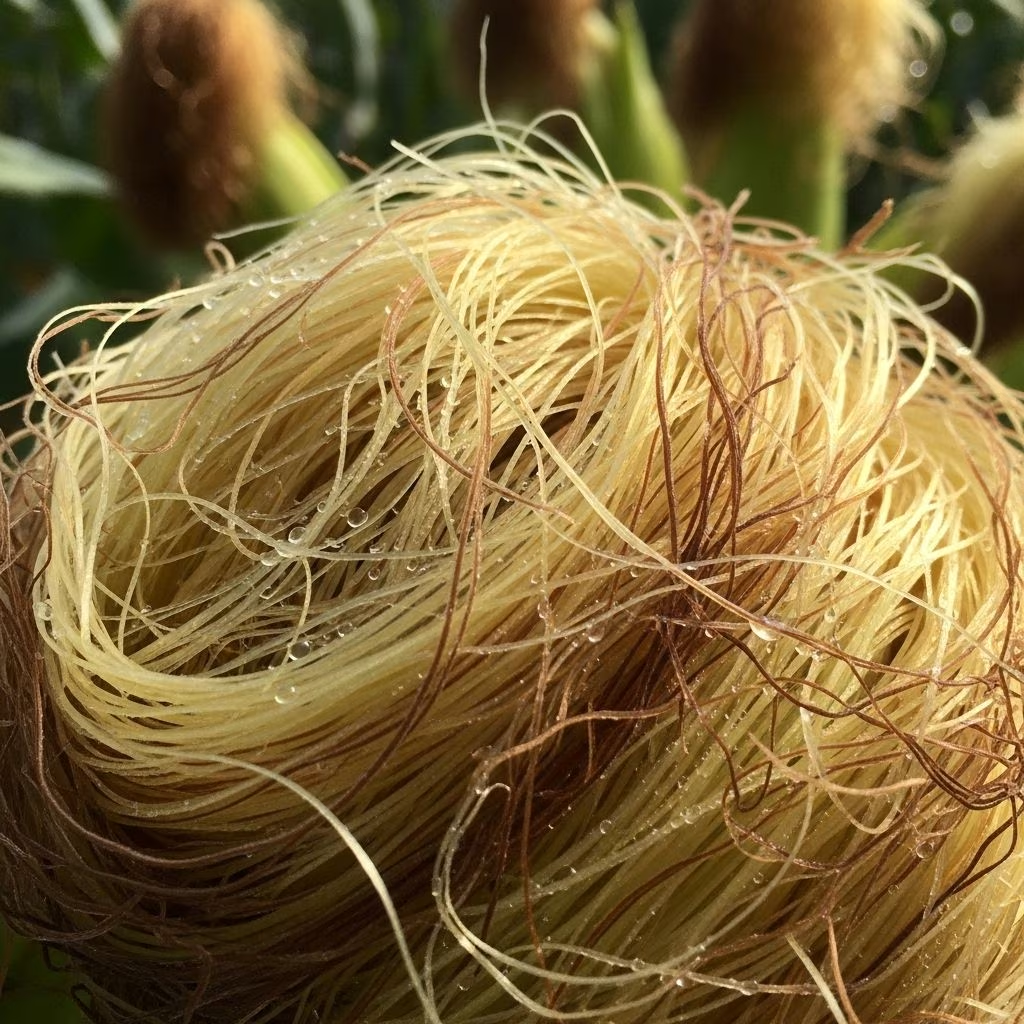
When shucking a fresh ear of corn, you’ll encounter a tangle of fine threads clinging to the kernels. These fibers, known as corn silks, are more than a mere nuisance or a trimming task before a summer barbecue. Corn silks serve crucial biological roles, have nutritional benefits, and even unique culinary applications. This article will take you through everything you need to know about corn silks, from their function in corn development to their surprising presence in the world of food and beverage.
Introduction to Corn Silks
At first sight, corn silks appear insignificant—thin strands that collect between kernels and stick to your fingers. Yet these threads are essential to the ear’s development. Each silk is the visible part of a pistil, the female reproductive organ of corn. Without them, the kernels on your cob would not exist.
Historically, corn silks have been utilized in folk medicine and culinary traditions around the world. The understanding of their significance traces back to agricultural science and indigenous knowledge, which recognized their importance for successful corn harvests.
Anatomy and Science of Corn Silks
An individual ear of corn can have up to 1,000 silks, matching the potential number of kernels. Each silk emerges from the ovary at the base of where a kernel will form and stretches up and out through the husk. In scientific terms, every silk thread is a style, part of the pistil that deposits pollen into the ovule for fertilization.
| Anatomical Part | Role |
|---|---|
| Kernel | Seed/fruit of corn |
| Silk | Style/pistil—receives pollen for fertilization |
| Husk | Protects kernels and silks |
| Tassel | Produces pollen |
As the ear matures, the silks transition from pale green to yellow and dry brown. Their emergence is a critical marker in the progression of corn’s growth cycle.
How Corn Silks Form: Timeline and Function
Corn is a grass, botanically speaking, and its reproductive structures emerge in a highly orchestrated manner. Silks start forming several days before they’re visible, pushing out in response to hormonal signals.
- Silks appear from the tip of the ear and successively emerge downwards.
- Every visible silk corresponds to a potential kernel.
- Their length can exceed the ear itself, often stretching 10-20 inches.
- Peak silk emergence generally occurs 2-5 days before pollination.
The timeline is crucial because unfertilized silks dry up, and kernels fail to develop. Variability in silk emergence due to weather or genetics affects overall cob yield and quality.
Pollination: The Silk’s Special Job
One of the most fascinating aspects of corn biology is the relationship between tassel (male organ) and silk (female organ). For fertilization to occur, the following sequence unfolds:
- The tassel at the top of the stalk releases pollen grains—billions over several days.
- Each grain floats on the wind and lands on an exposed silk.
- Pollen then travels the length of the silk, ultimately reaching the ovule and instigating kernel development.
This process is so sensitive that factors like rain or drought can dramatically affect fertilization. The silk’s surface anatomy is highly specialized, designed to capture pollen efficiently. A single pollen grain fertilizes only one ovule; thus, incomplete pollination causes ‘missing kernels’ or uneven cobs.
Fun fact: No two silks are the same on a cob, as each relates directly to its own unique kernel.
Culinary Uses of Corn Silks
Most cooks discard corn silks when prepping fresh ears. However, silks are edible and subtly flavorful. Their culinary applications are often overlooked but worth exploring.
Traditional and Global Uses
- Tea: Corn silk tea is common in Southeast Asia and Latin America, praised for its mild, grassy flavor and diuretic properties.
- Broths and infusions: Add fresh silks to simmering water for a delicate, golden broth base.
- Garnish: Fried or toasted corn silks can top vegetable dishes, lending color and crunch.
- Medicinal use: Many cultures employ silk infusions for kidney and urinary health.
Flavor Profile
When used raw, corn silks have a subtle vegetal taste with a faint trace of sweetness. When cooked, they impart mild corn-like aroma and earthiness, making them suitable for soup stocks or as an herbal component in teas.
How to Use Silks Safely
- Rinse thoroughly—silks catch dust, pollen, and insects.
- Use young, fresh silks for best flavor.
- Cut into short segments for steeping; long strands can be hard to manage in finished dishes.
Nutrition and Health of Corn Silks
Corn silks are more than empty fibers. They contain antioxidants, trace minerals, vitamins K, C, and B, and various phytochemicals including flavonoids. Some of their nutritional properties include:
- Potassium
- Calcium
- Magnesium
- Small amounts of protein and fiber
Traditionally, corn silk is used as a home remedy for urinary tract infections and as a mild diuretic. Contemporary research on corn silk extracts has examined their potential for lowering blood pressure, reducing inflammation, and supporting kidney health. Still, most clinical studies remain preliminary and further assessment is needed before incorporating large quantities into diets.
Handling, Storing, & Preparing Corn Silks
Because silks are fragile and perishable, proper handling is recommended. Here are some tips:
- Cleaning: Rinse silks under cold water after removing husk. Spread on kitchen towels to dry.
- Storing: Use silks immediately for peak freshness; otherwise, refrigerate in an airtight container for up to 2 days. Silks can also be frozen in small bundles for future use.
- Drying: Air dry cleaned silks for use in teas or infusions. Store dried silks in glass jars away from light.
- Cooking: Silks can be steeped directly in boiling water, fried, or blended into stocks. Always ensure silks are free of pesticides and thoroughly cleaned.
Remember to check silks for any mold or discoloration before using, as these can indicate spoilage.
Frequently Asked Questions
Q: Are corn silks safe to eat?
A: Yes, corn silks are safe for consumption when properly cleaned and cooked. Use organic silks whenever possible to avoid pesticide residues.
Q: Do corn silks affect kernel size or sweetness?
A: Indirectly, yes. Robust silks optimize pollination, leading to larger and better-filled kernels. They do not affect sugar levels, which depend on corn variety and harvest timing.
Q: How are corn silks different from the husk?
A: Silks are reproductive fibers attached to each kernel, while the husk is the leafy sheath protecting the ear.
Q: Can I use silks from canned or frozen corn?
A: No. Only fresh silks from raw ears are suitable for culinary or medicinal use; processed corn products do not contain usable silks.
Q: What’s the best way to remove silks from an ear?
A: After removing the husk, use a damp paper towel or vegetable brush to gently sweep silks away from kernels.
Summary: Corn Silks at a Glance
- Every strand of silk is essential for the development of a single kernel.
- Silks are edible and have mild flavor and nutritional value.
- They play vital roles in reproduction, facilitating pollination and yield.
- Silks have traditional culinary, medicinal, and home remedy uses.
- Proper cleaning and storage preserves their quality for cooking and health applications.
Corn silks may seem unremarkable at first glance, but they hide a world of science and subtle culinary possibilities. By appreciating their role, you can enhance your understanding and enjoyment of seasonal sweet corn and discover new ways to use every part of the ear.