The world of flavor-packed seasonings is vast and thrilling, but few blends are as delightfully crunchy, aromatic, and adaptable as dukkah. Hailing from Egypt, dukkah is a blend of nuts, seeds, and bold spices, traditionally served with bread dipped in olive oil. Over generations, it has become a beloved seasoning in home kitchens and fine restaurants across the globe.
What Is Dukkah?
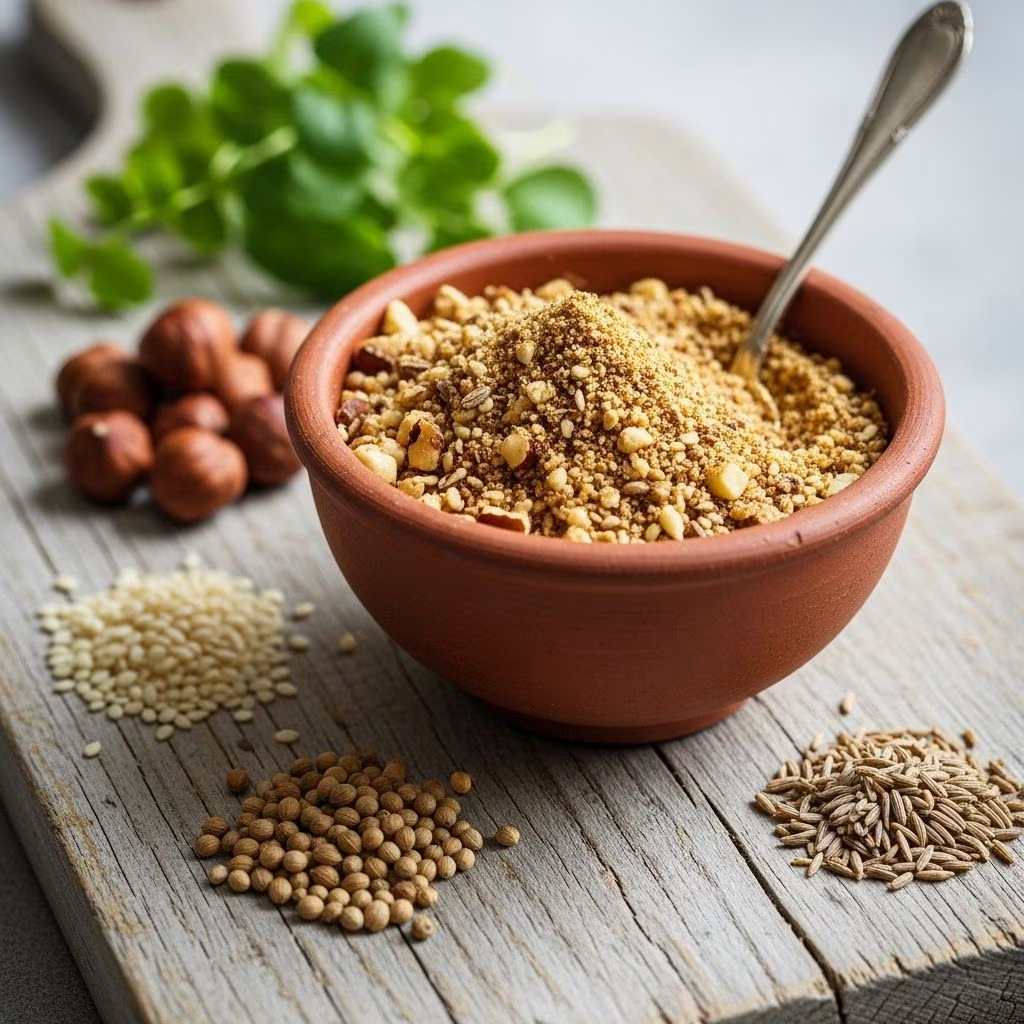
Dukkah—sometimes spelled duqqa—is an Egyptian and Middle Eastern condiment made of coarsely ground nuts, seeds, and spices. The name comes from the Arabic word meaning “to pound” or “to crush,” referencing its traditional method of preparation in a mortar and pestle. Dukkah’s ingredients and proportions can vary, but its addictive texture and aromatic, savory flavor profile are unmistakable.
- Crunchy, nutty, and aromatic blend
- Always features toasted nuts (commonly hazelnuts, almonds, or pistachios)
- Seasoned with spices like coriander, cumin, and fennel
- Versatile topping for breads, vegetables, meats, or dips
Origins and Cultural Significance
Dukkah has deep roots in Egyptian food culture. It began as a humble street food, sold in paper cones alongside freshly baked bread. For many, dukkah is a nostalgic taste of home—the familiar crunch and aroma evoking morning meals or bustling city markets. Over time, the tradition has expanded from simple breakfast tables to sophisticated global menus.
Historical Notes
- Traditional Egyptian condiment made at home or purchased from spice vendors
- Often used as a hearty, portable snack for workers or travelers
- Now a fixture in international kitchens, often adapted with local ingredients
Classic Ingredients
The beauty of dukkah lies in its simplicity and flexibility. There is no single authoritative recipe; every family might have its own signature mix. However, some building blocks remain standard:
| Category | Common Ingredients |
|---|---|
| Nuts | Hazelnuts, almonds, pistachios |
| Seeds | Sesame, sunflower, sometimes fennel or coriander seeds |
| Spices | Coriander, cumin, black pepper, often paprika or cayenne |
| Salt | Sea salt or kosher salt |
Regional or personal touches might include nigella seeds, dried herbs, or even toasted chickpeas. The goal is a balance—nutty richness, spice, and crunch.
Popular Nut and Seed Combinations
- Hazelnuts + sesame (Egyptian classic)
- Almonds or pistachios for extra richness
- Sunflower or pumpkin seeds for variety
- White and black sesame for color and depth
How Dukkah Is Made: Step-By-Step Process
Dukkah is built on toasting and crushing—these two steps unlock flavor and make the mix satisfyingly crumbly and aromatic. Here’s how to make traditional dukkah at home:
- Toast the Nuts: Spread hazelnuts and almonds (or your preferred nuts) in a dry skillet or oven. Toast them over medium heat until they become fragrant and golden—about 5-7 minutes. Let cool, then rub off hazelnut skins for a less bitter taste.
- Toast the Seeds: In the same pan, toast sesame seeds and any other seeds (like fennel or coriander) until golden and popping—just a couple of minutes.
- Toast the Spices: If using whole spices, briefly toast cumin and coriander seeds until aromatic. Ground spices can be added later.
- Combine and Crush: Using a mortar and pestle or a food processor, combine all toasted nuts, seeds, and spices. Pulse or pound until coarsely ground—aim for a texture with visible bits, not a fine powder.
- Season: Stir in flaked sea salt or kosher salt to finish. Taste and adjust seasoning as needed.
Dukkah Recipes: Variations and Guidelines
Every household, chef, or street vendor brings a personal twist to dukkah. While the classic mix is always a hit, here are some variation ideas to explore:
- Spicy Dukkah: Add a pinch of cayenne or crushed red pepper for heat.
- Herb Dukkah: Stir in dried mint, thyme, or oregano.
- Smoky Dukkah: Incorporate smoked paprika or chipotle chile powder.
- Seed-Heavy Dukkah: For a nut-free version, use only pumpkin, sunflower, and sesame seeds.
- Extra Nutty: Combine multiple nuts, like pistachios, hazelnuts, and almonds, for complex richness.
Don’t be afraid to experiment based on your pantry or flavor preferences—the mix should please you.
How To Serve and Use Dukkah
The most beloved and classic way to enjoy dukkah is as a starter or snack:
- Bread + Olive Oil + Dukkah: Tear off a piece of crusty bread (such as pita or baguette), dip it in good olive oil, then dunk it in dukkah for a satisfying combination of chewy, rich, and savory textures.
But dukkah’s uses extend far beyond bread. Modern cooks use it to transform both everyday dishes and special occasion fare.
Ideas for Using Dukkah
- Sprinkle on roasted vegetables: Adds crunch and depth to carrots, cauliflower, sweet potatoes, or squash.
- Coat meats or fish: Use as a crust for grilled chicken, lamb chops, turkey breast, or baked salmon.
- Add to salads and grain bowls: Sprinkle over warm grain bowls, green salads, or creamy hummus.
- Top eggs, avocado toast, or soups: Dukkah is an upgrade for scrambled eggs, poached eggs, or a simple soup bowl.
- Garnish dips and cheeses: Dust over labneh, goat cheese, or yogurt for flavor and flair.
Its versatility shines: any dish that welcomes a savory, nutty crunch can be lifted by dukkah.
Tips for Making Dukkah at Home
Homemade dukkah outshines any pre-made version—and making it is quick and straightforward. Follow these tips for best results:
- Use fresh, high-quality ingredients. The flavor of your nuts and spices is paramount, since dukkah is minimally processed.
- Toast gently and attentively. Nuts and seeds can burn quickly. Stir or toss frequently and remove them from heat as soon as they deepen in color and smell aromatic.
- Cool before grinding. Let toasted ingredients cool slightly before crushing. This keeps the mix from clumping or becoming oily.
- Mind the texture. Dukkah should be noticeably coarse, not ground to dust—think “crunchy topping,” not powder.
- Store properly. Keep dukkah in an airtight glass jar at room temperature for up to two weeks, or in the fridge for longer freshness.
Nutritional and Dietary Benefits
Dukkah is more than a flavorful condiment—it’s also full of nutrition:
- Healthy fats from nuts and seeds
- Plant-based protein
- Rich in fiber
- Vitamins and minerals like calcium, magnesium, and vitamin E
- Largely gluten-free and vegan by design
For those with allergies, dukkah can easily be made nut-free by swapping in additional seeds.
Frequently Asked Questions (FAQs)
Q: What does dukkah taste like?
A: Dukkah is nutty, toasty, and aromatic, with a rich base flavor from nuts and seeds and a fragrant, savory complexity from spices like cumin and coriander. Some blends add heat or a hint of sweetness.
Q: Is dukkah spicy?
A: Traditional dukkah is not hot-spicy but is highly aromatic. Some recipes add cayenne or chili flakes for a spicy version, but you can easily adjust the heat to taste.
Q: How should dukkah be stored and how long does it last?
A: Store dukkah in an airtight container in a cool, dry place. It stays fresh for up to 2 weeks at room temperature, or a month in the refrigerator. Always cool the mix completely before storing to keep it crisp.
Q: Can I make dukkah without nuts?
A: Yes! Substitute extra seeds (like sunflower or pumpkin) for nuts. It won’t have exactly the same richness but will still be flavorful and crunchy—perfect for those with nut allergies.
Q: What’s the best way to use dukkah?
A: The classic method is dipping bread in olive oil, then dukkah. But it’s also fantastic on roasted veggies, meats, fish, eggs, salads, or sprinkled on dips and soups.
Simple Dukkah Recipe
This is a classic Egyptian-style dukkah, easily adapted to your preferences.
- 1/2 cup hazelnuts
- 2 tbsp almonds
- 2 tbsp sesame seeds
- 1 tbsp pistachios (optional)
- 1 tbsp coriander seeds
- 1 tbsp cumin seeds
- 1/2 tsp fennel seeds (optional)
- 1/2 tsp black peppercorns
- 1/2 tsp sea salt
- Toast hazelnuts and almonds in a dry pan over medium heat until golden and fragrant. Let cool, then rub hazelnuts in a towel to remove skins.
- Toast seeds (sesame, coriander, cumin, fennel) in the same pan until they begin to pop and smell aromatic.
- Grind spices (coriander, cumin, pepper) roughly in a mortar and pestle or spice grinder.
- Combine all ingredients in a food processor. Pulse to a coarse crumb; avoid over-processing.
- Stir in salt; taste and adjust.
Store in an airtight jar and enjoy with fresh bread, olive oil, or your favorite dishes.
Conclusion
Dukkah is more than a seasoning—it’s an edible symbol of Egypt’s culinary heritage and a modern kitchen essential. With its balance of crunch, aroma, and robust flavor, dukkah elevates both simple comfort foods and gourmet creations. Its variations are nearly endless, so each batch is an invitation to experiment. Whether sprinkled on roasted vegetables, used as a crust for lamb, or simply enjoyed with olive oil and bread, dukkah is a kitchen staple you’ll return to again and again.
Further Reading & Resources
- Classic Middle Eastern Recipes: Discover tabbouleh, hummus, and other spice-forward favorites.
- Homemade Spice Blends: Learn how to make za’atar, harissa, and ras el hanout.
- Bread and Dips: Pair dukkah with pita, sourdough, or flatbread for amazing snacks or starters.