What is Fennel? (And Why You Should Try It)
Fennel is a fascinating vegetable known for its crisp texture and subtle anise (licorice-like) flavor. A staple in Mediterranean and Italian cuisine, fennel’s mild sweetness and versatility make it an ingredient worth exploring in your home kitchen. Every part of the plant—the white bulb, green stalks, and feathery fronds—are edible and bring their own unique character to dishes.
Fennel 101: Getting to Know This Unique Vegetable
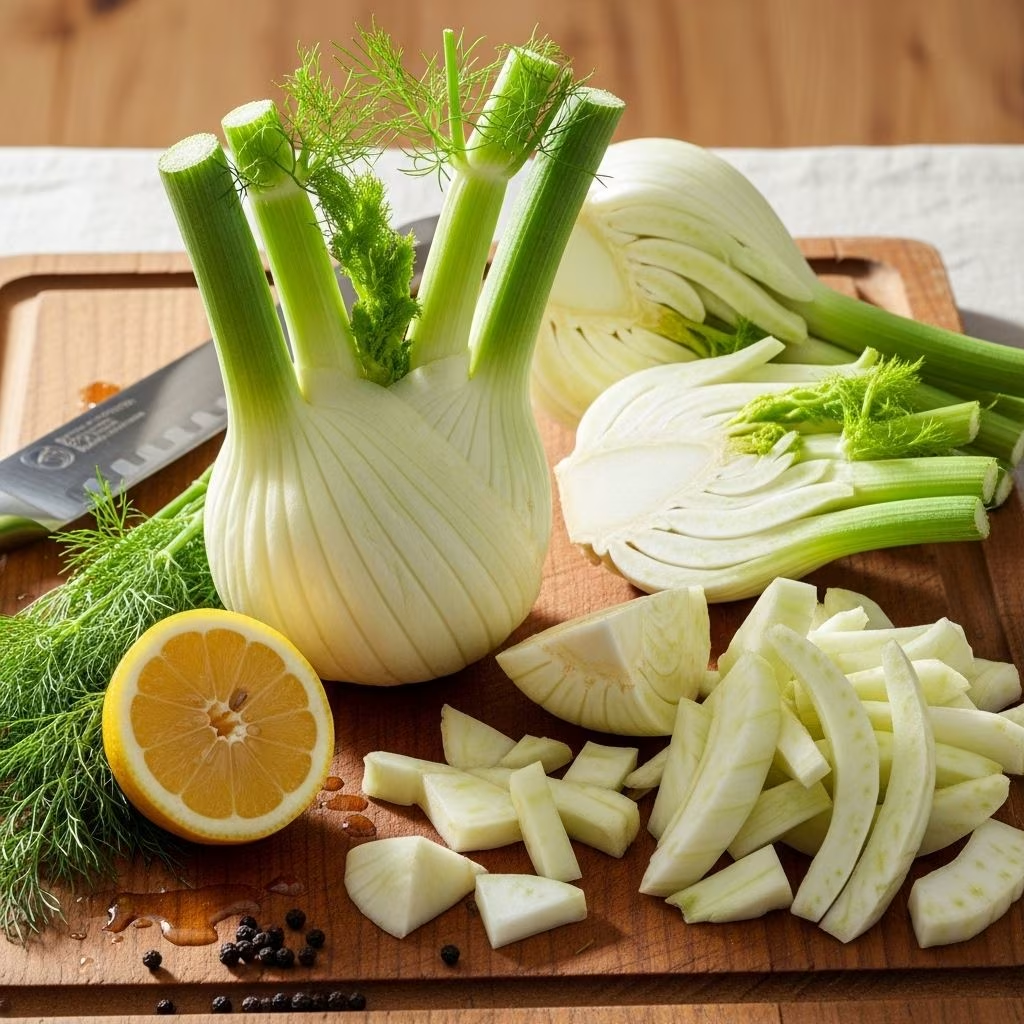
While kale has captured the healthy food spotlight, fennel remains comparatively overlooked. However, seasoned cooks and nutrition experts have long prized fennel for both its taste and benefits. Let’s break down the anatomy and uses of fennel:
- Bulb: The base of the plant, white or pale green, crisp and slightly sweet.
- Stalks: Green, celery-like stems growing from the bulb, often used for stocks or as aromatic flavor.
- Fronds: Delicate, feathery leaves that look like dill. Perfect for garnishing and salads.
All parts of fennel are edible and bring culinary value—from tossing the fronds over a salad to roasting the bulb until caramelized.
What Does Fennel Taste Like?
The taste of fennel is frequently described as fresh, mildly sweet, and reminiscent of licorice or anise. When raw, it offers a crisp bite and clean flavor, ideal for bright salads. Cooking mellows fennel’s intensity, developing its natural sugars and yielding a flavor somewhere between celery and sweet onion with a warm, nutty finish.
- Raw Fennel: Crunchy, refreshing, with pronounced anise notes.
- Cooked Fennel: Tender, mild, and subtly sweet, with softness replacing the crispness.
If you’re wary of strong licorice, try roasting or sautéing fennel. The heat will tame its pungency and highlight its sweeter side.
How to Cut Fennel
Cutting fennel is easier than it looks. Here is a step-by-step guide for prepping the bulb for various uses:
- Trim the stalks: Lay the bulb on its side and cut away the stalks and fronds just above the bulb. Reserve the fronds for garnish.
- Slice the bulb: Stand the bulb upright and cut it in half vertically. Remove the tough core at the base by cutting an angled wedge from each half.
- Slice as desired: For salads, use a mandoline or sharp knife to shave the bulb into thin slices. For roasting or braising, cut into wedges or thick slices.
Tip: The fronds can be stored in a sealed container in the fridge for several days and used just like herbs.
How to Cook Fennel
Fennel’s versatility shines through in both raw and cooked preparations. Here are some of the best ways to enjoy it:
Eating Fennel Raw
- Salads: Shave or thinly slice the bulb and toss with citrus, olive oil, and other crisp vegetables for an invigorating salad.
- Slaws: Add fennel to a crunchy cabbage slaw for a bright, sweet twist.
The crisp, juicy texture makes fennel a refreshing addition to cold dishes. Its flavor pairs beautifully with ingredients like lemon, apple, and herbs.
Cooking Fennel
- Roasted Fennel: Cut into wedges, toss with olive oil, salt, and pepper, then roast at 400°F (200°C) until golden and caramelized (about 25-30 minutes). Optional: Finish with lemon juice, Parmesan, and fresh herbs for extra flavor.
- Sautéed Fennel: Cook sliced fennel in olive oil over medium heat until soft and golden. Great as a topping for pizza, pasta, or sandwiches.
- Braised Fennel: Simmer fennel in broth or wine with aromatics for a tender, flavorful side.
- Grilled Fennel: Grill halves or wedges until charred and tender for a smoky note.
| Preparation Method | Flavor & Texture | Best Uses |
|---|---|---|
| Raw | Crisp, fresh, anise-like | Salads, slaws, garnishes |
| Roasted/Baked | Caramelized, sweet, tender | Side dishes, pasta, gratins |
| Sautéed | Soft, lightly sweet | Pasta, pizza topping, stir-fries |
| Braised/Stewed | Very soft, subtle flavor | Stews, braised vegetable medleys |
| Grilled | Smoky, charred, sweet | Grilled vegetable platters |
Favorite Fennel Recipes
Below are a few simple but delicious ways to enjoy fennel:
- Shaved Fennel Salad: Thinly slice fennel and toss with orange segments, olive oil, lemon juice, and a pinch of sea salt. Finish with chopped fennel fronds or fresh herbs for brightness.
- Roasted Fennel with Lemon & Parmesan: Roast fennel wedges until golden brown, then drizzle with olive oil and finish with fresh lemon juice and grated Parmesan. This transformation brings out fennel’s sweetness and adds a savory edge.
- Sesame-Ginger Avocado Fennel Salad: Shaved fennel, carrots, and radishes are topped with creamy avocado slices, microgreens, and a sesame-ginger dressing made with tahini, lemon, maple, and tamari. This bright side never fails to please.
Tips for Buying and Storing Fennel
- Look for bulbs that are: Firm, crisp, and free of blemishes or cracks. The bulb should feel heavy for its size and have vibrant green stalks and fronds.
- Storage: Refrigerate whole fennel bulbs in a plastic bag for up to one week. Use fronds and stalks promptly for the best flavor.
- Season: Fennel is most widely available from fall through early spring but can often be found year-round in well-stocked markets.
Fennel Nutrition Benefits
- Low in calories and high in fiber, making fennel a filling ingredient for healthy meals.
- Rich in vitamin C, an essential antioxidant supporting immune health.
- Contains potassium, which helps balance fluids and supports heart health.
- Provides folate, a B-vitamin needed for DNA synthesis and red blood cell formation.
- Good source of phytonutrients and antioxidants with anti-inflammatory properties.
Eating fennel can support digestive health and may help balance overall nutrition thanks to its unique blend of vitamins and minerals.
Common Questions About Fennel
Is fennel the same as anise?
No. Fennel and anise are two distinct plants, though both share a similar flavor profile due to the compound anethole. Fennel is a vegetable (with stalks and fronds), while anise is an herb whose seeds are used as a spice.
Can I eat fennel seeds and the fresh bulb interchangeably?
While both come from the same plant, fennel seeds and fresh fennel bulb serve different culinary purposes. Seeds are used as a spice, adding strong licorice notes to dishes; the bulb is a vegetable, milder and more versatile for eating raw or cooked.
Does cooked fennel taste like licorice?
Cooking fennel tames much of its anise flavor, resulting in a sweeter, gentler taste. Even if you’re not a fan of licorice, you may enjoy roasted or sautéed fennel.
Can I use the fronds and stalks?
Yes! Use fronds as you would fresh herbs—for garnishes, salads, or in pesto. The stalks are tougher but can add aroma to stocks or stews.
Is fennel a good substitute for celery?
In some recipes, yes. Fennel stalks can mimic celery’s crunch in soups or salads, though the flavor will be sweeter and more aromatic.
Other Creative Ways to Use Fennel
- In soups: Add chopped fennel bulb to vegetable or chicken soups for subtle sweetness.
- On pizzas: Sauté or roast fennel slices and use as a topping for homemade pizzas.
- With seafood: Fennel pairs exceptionally well with fish or shellfish thanks to its aromatic quality.
- In grain bowls: Toss roasted fennel with grains, beans, and greens for a hearty lunch.
Summing Up: Why Fennel Deserves a Spot in Your Kitchen
With its distinctive flavor, versatility, and health-promoting properties, fennel is more than worthy of a permanent place in your vegetable rotation. From crunchy salads to roasted side dishes and aromatic garnishes, its potential is as broad as your imagination. Next time you see those frilly fronds and bulbous bases at the market, grab a few—your meals (and maybe your health) will thank you.
Frequently Asked Questions (FAQs)
Q: Is fennel better raw or cooked?
A: Both! Raw fennel is crisp and refreshing, while cooked fennel develops a soft, sweet flavor. Try it both ways to discover your preference.
Q: What dishes pair well with fennel?
A: Fennel complements citrus, seafood, apple, fresh herbs, cheeses like Parmesan, and root vegetables. Use it in salads, side dishes, and Mediterranean recipes.
Q: How can I use fennel fronds in cooking?
A: Fennel fronds are lovely as an herb garnish, in salads, atop fish dishes, or even blended into pestos and dressings for a gentle anise freshness.
Q: Do you need to peel fennel?
A: Generally, only trim away any bruised or tough outer layers on the bulb. Most of the bulb is entirely edible when trimmed and cleaned.
Q: Why is fennel considered healthy?
A: Fennel is low in calories, full of fiber, vitamin C, potassium, and plant compounds that support digestion, immunity, and overall well-being.