Cinco de Mayo is widely recognized in the United States as a festive day filled with Mexican food, music, and colorful decorations. However, for many, the deeper historical context and true significance of the holiday can be overlooked or misunderstood. This guide explores the authentic origins of Cinco de Mayo, its rich traditions, and offers thoughtful ways to honor the occasion with respect and cultural appreciation.
What Is Cinco de Mayo?
Cinco de Mayo, or the Fifth of May, commemorates the Battle of Puebla in 1862, when a vastly outnumbered Mexican army led by General Ignacio Zaragoza achieved a remarkable victory over invading French forces. Far from being Mexican Independence Day—a common misconception—Cinco de Mayo is a powerful symbol of Mexican resilience and pride in the face of overwhelming odds.
- Date Celebrated: May 5th each year
- Historical Event: Battle of Puebla, 1862
- Key Figure: General Ignacio Zaragoza
The day provided hope and inspiration for Mexico during a time of hardship, though in Mexico itself, particularly outside Puebla, it is considered a relatively minor holiday. In contrast, the United States has embraced Cinco de Mayo as a grand celebration of Mexican culture, especially among Mexican-American communities.
(Source: )
Understanding the True Meaning of Cinco de Mayo
The significance of Cinco de Mayo stretches beyond the battlefield. The event became a symbol of resistance against foreign intervention and strengthened Mexican national pride. For Mexican Americans, it has evolved into a day recognizing their contributions to U.S. history and society, representing perseverance, diversity, and cultural heritage.
Myth vs. Reality: Contrary to popular belief, Cinco de Mayo is not Mexican Independence Day. Mexico’s Independence Day is celebrated on September 16th, marking the country’s declaration of independence from Spain in 1810. Cinco de Mayo specifically commemorates the triumphant defense of Puebla against the French, decades later.
(Source: )
Why Is Cinco de Mayo Celebrated More in the United States?
While Cinco de Mayo is observed in Mexico, mainly in Puebla, its popularity skyrocketed in the United States in the 20th century, particularly in regions with large Mexican-American populations such as California, Texas, and the Southwest. The holiday gained further prominence during the Chicano Movement of the 1960s, when Mexican-Americans emphasized cultural pride and civil rights. Over the years, the day became a celebration of Mexican identity and heritage for all Americans, regardless of background.
(Source: )
- California: Parades, music, food fairs, and art exhibitions are common.
- Texas: Street festivals, markets, and mariachi competitions draw large crowds.
- National Influence: Cinco de Mayo has become a day for all Americans to celebrate Mexican culture, though sometimes in ways that do not accurately reflect its history.
Traditional Ways to Celebrate Cinco de Mayo
Whether in Mexico, the United States, or elsewhere, authentic Cinco de Mayo celebrations center on pride, history, and community. Here are some traditional and meaningful ways the holiday is observed:
1. Parades and Festivities
- Parades: Cities like Puebla, Los Angeles, and San Antonio organize processions with reenactments of the battle, traditional dress, and music.
- Folkloric Dances: Baile folklórico performances feature dancers in colorful, ruffled costumes with bright ribbons, showcasing the regional diversity of Mexican culture.
- Live Music: Mariachi bands and traditional musicians play songs such as “La Bamba” or “El Son de la Negra.”
2. Traditional Mexican Food and Drink
- Tacos, tamales, enchiladas, pozole, and chiles en nogada are commonly prepared or enjoyed at restaurants.
- Drinks: Horchata, aguas frescas, and Mexican soda are popular; responsibly enjoying Mexican beer or tequila-based cocktails honors culinary traditions, but avoid reinforcing stereotypes.
3. Cultural Decorations
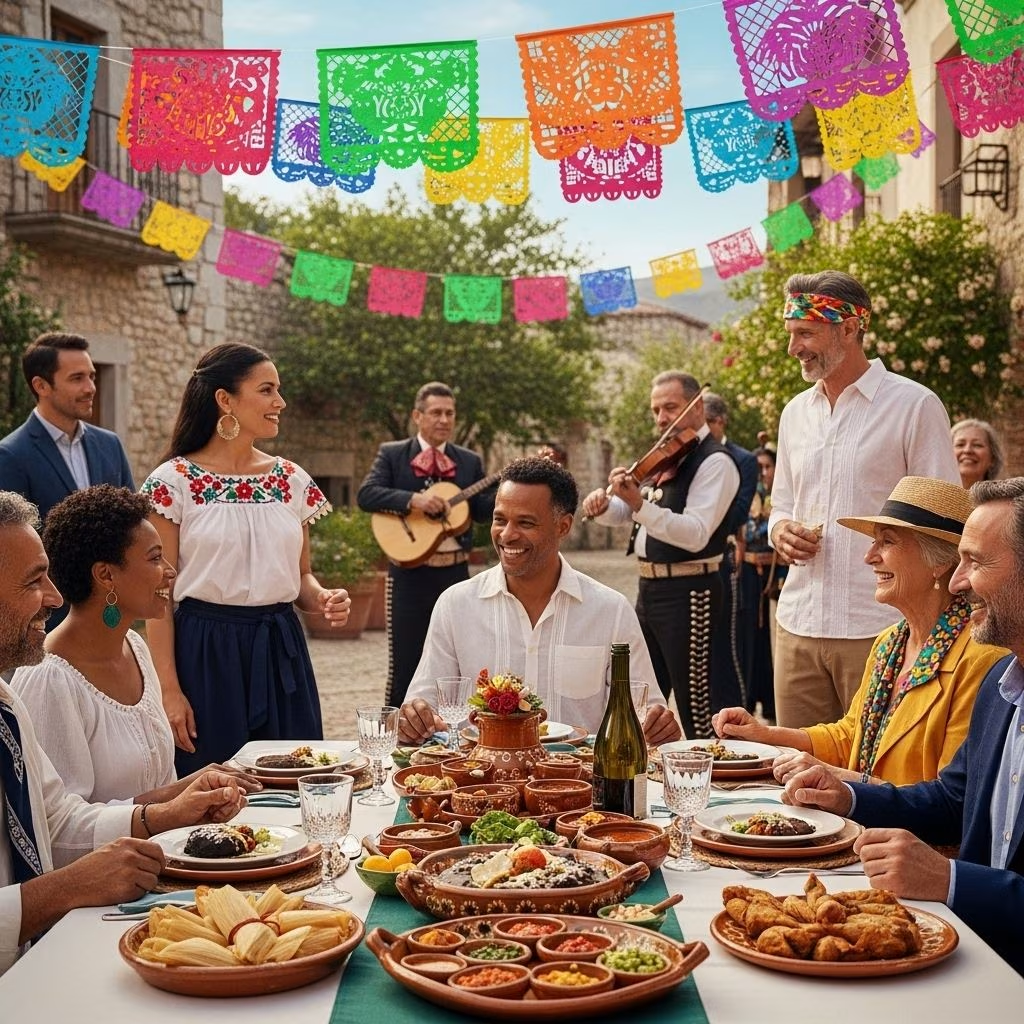
- Papel Picado: Intricate paper cutouts in festive colors are hung across streets, homes, and event spaces.
- Piñatas: Often shaped as stars or animals, filled with candies and treats, piñatas add a playful and historical touch.
- Mexican Flags: Displayed proudly along with decorations in red, green, and white.
4. Community and Educational Events
- Educational Workshops: Schools and museums offer lessons about the Battle of Puebla, Mexican history, and cultural contributions.
- Lectures and Exhibitions: Art galleries and cultural centers host talks and exhibitions featuring Mexican artists, writers, and leaders.
- Cooking Classes: Many communities host classes to teach participants how to prepare authentic Mexican dishes.
Respectful Ways to Celebrate Cinco de Mayo
While festivities can be fun and inclusive, it’s vital to ensure celebrations are rooted in respect, understanding, and authenticity. As Cinco de Mayo has grown in popularity, commercial interests have sometimes led to offensive stereotypes or misrepresentations of Mexican culture. Here are ways to honor the holiday authentically:
- Learn the History: Take time to understand the roots of Cinco de Mayo and share accurate information with others.
- Support Mexican-Owned Businesses: Eat at local Mexican restaurants, shop at Mexican markets, and buy from artists and entrepreneurs within the community.
- Create Authentic Decorations: Avoid stereotypical or cartoonish imagery, like oversized sombreros, fake mustaches, and maracas, and instead use traditional Mexican art and craft techniques.
- Attend Cultural Events: Seek out parades, concerts, and museum exhibits organized by Mexican or Mexican-American organizations.
- Cook or Learn to Make Real Mexican Dishes: Use the holiday as an opportunity to expand your palate and culinary skills, focusing on genuine recipes rather than Americanized adaptations.
- Give Back: Volunteer at community events or donate to nonprofits supporting Mexican or Latinx communities.
What To Avoid: Stereotypes and Cultural Appropriation
Respectful celebration means consciously avoiding practices and symbols that caricature or trivialize Mexican culture. Cultural appropriation steeped in stereotypes harms rather than honors heritage.
- Costume Parties: Avoid wearing cultural attire as a costume, such as sombreros, ponchos, or exaggerated mustaches, unless you are participating in a culturally significant performance or are personally connected to the tradition.
- Over-commercialized Promotions: Turn away from events or advertisements that profit off offensive caricatures or diminish the holiday’s significance to “just a taco and tequila day.”
- Insensitive Decorations: Steer clear of using Mexican symbols or flags in disrespectful or irreverent ways, especially outside their cultural context.
Fun and Meaningful Ways to Celebrate Cinco de Mayo
If you want to participate in Cinco de Mayo while showing respect and admiration for Mexican culture, consider these ideas:
- Host a Potluck: Invite friends and family for a meal featuring traditional Mexican dishes, emphasizing recipes from local Mexican chefs or authentic sources.
- Book or Art Discussion: Read works by Mexican or Mexican-American authors and discuss the themes of resilience and community.
- Music Exploration: Listen to or learn more about regional music styles such as mariachi, ranchera, or son jarocho.
- Support Mexican Artisans: Purchase handmade crafts, textiles, or pottery from Mexican creators or fair-trade vendors.
- Educational Movie Night: Watch documentaries or films exploring Mexican history, art, or contemporary life, and discuss their impact with others.
- Language Lesson: Begin learning some Spanish phrases or take a language class to engage deeper with the culture.
FAQs: Cinco de Mayo and Its Respectful Observance
Q: Is Cinco de Mayo Mexican Independence Day?
A: No, Cinco de Mayo commemorates the Battle of Puebla in 1862; Mexican Independence Day is September 16, celebrating Mexico’s independence from Spain in 1810.
Q: Who primarily celebrates Cinco de Mayo?
A: It’s celebrated in Puebla, Mexico, but is more widely observed in the United States, particularly within Mexican-American communities and increasingly across the country as a day to honor Mexican heritage.
Q: How can I celebrate Cinco de Mayo without appropriating culture?
A: Learn about the holiday’s historical roots, support Mexican-owned businesses, participate in community events, and avoid stereotypical costumes or marketing gimmicks.
Q: What are examples of cultural appropriation to avoid on Cinco de Mayo?
A: Wearing sombreros and fake mustaches as costumes, using cartoonish Mexican imagery, and organizing events that trivialize Mexican cultural symbols rather than celebrating them authentically.
Q: What foods are appropriate for a Cinco de Mayo celebration?
A: Offer authentic Mexican dishes such as tacos al pastor, mole poblano, chiles en nogada, tamales, and salsas, and try preparing them with guidance from Mexican cookbooks or chefs.
Table: Comparison of Authentic vs. Stereotypical Cinco de Mayo Practices
| Authentic Practice | Stereotypical Practice |
|---|---|
| Learning about the Battle of Puebla and its significance | Marketing the day as “Mexican Independence Day” |
| Supporting Mexican artists and local businesses | Wearing cartoonish costumes and props |
| Enjoying true Mexican cuisine and recipes | Consuming only Americanized “Tex-Mex” foods |
| Participating in culturally led and educational events | Hosting parties centered on stereotypes or disrespectful behaviors |
Conclusion: Honor, Learn, and Celebrate Mindfully
Cinco de Mayo is a vibrant celebration rooted in history, unity, and pride. While the day offers a wonderful opportunity to enjoy Mexican culture, it also calls for mindful participation. Whether you are attending public events or hosting friends at home, prioritize authenticity, education, and cultural appreciation. Celebrate with respect for the holiday’s origins and those who hold it dear, and you’ll find Cinco de Mayo is not only fun, but also deeply meaningful and inclusive for everyone.
References
- https://www.cbsnews.com/texas/news/what-is-cinco-de-mayo-celebration-mexican-history-culture/
- https://www.cultureally.com/blog/cinco-de-mayo
- https://www.seasidemexico.com/cinco-de-mayo/
- https://bryanuniversity.edu/announcements-news/cinco-de-mayo-the-truth-behind-the-national-holiday/
- https://www.britannica.com/topic/Cinco-de-Mayo
- https://jcls.org/2024/04/30/cinco-de-mayo/
- https://www.49ers.com/news/the-significance-of-cinco-de-mayo-in-the-us-facts-meaning-and-resources