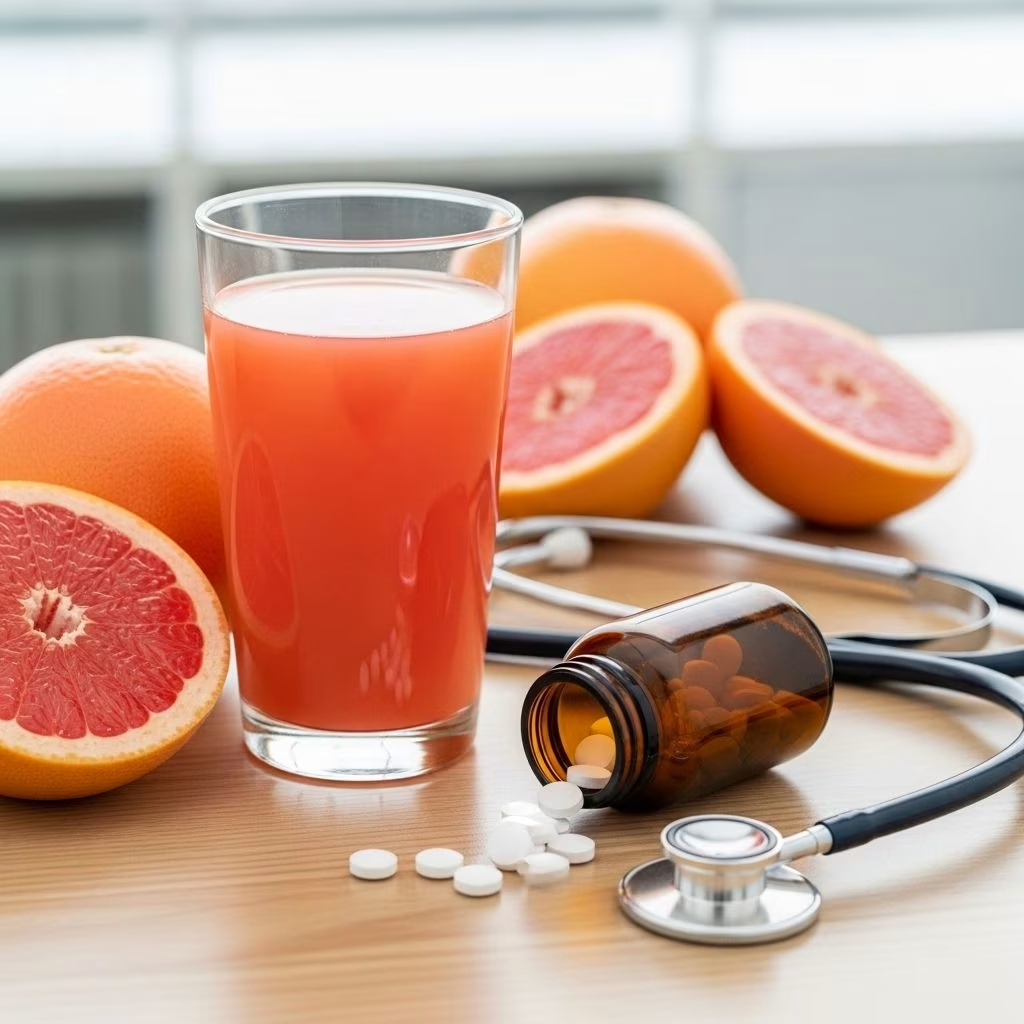
Avoid Drug Interactions While Drinking Grapefruit Juice
Grapefruit juice is celebrated for its refreshing taste and health benefits, including a rich supply of vitamin C and potassium. However, what many people do not realize is that grapefruit juice can significantly disrupt your body’s ability to process various medications, sometimes leading to life-threatening complications. This comprehensive guide unpacks the science behind grapefruit-drug interactions, identifies affected medications, and offers actionable advice to keep you safe.
How Grapefruit Juice Affects Medication
The core risk of grapefruit juice lies in how it disrupts drug metabolism. Ordinarily, medications are processed by enzymes that break them down for safe elimination from your body. Grapefruit contains naturally occurring compounds called furanocoumarins, which inhibit the activity of a key enzyme in the gut known as CYP3A4 . When this enzyme is blocked, the medication bypasses normal breakdown and enters your bloodstream at much higher concentrations than intended.
- Result: This increases the risk of side effects, toxicity, or even overdose, depending on the medication .
- Primary culprit: Furanocoumarins, found in grapefruit, Seville oranges, and tangelos, are responsible for enzyme inhibition .
- Amount needed: Even a single whole grapefruit or just under a cup (200 milliliters) of grapefruit juice can block CYP3A4 and alter drug levels .
Why Do Drug Interactions with Grapefruit Juice Occur?
Medications are designed with the expectation that the body will metabolize them at a predictable rate using enzymes like CYP3A4. When grapefruit juice blocks these processes, some drugs remain in the body longer than expected and reach higher concentrations, increasing the risk of adverse effects. Alternatively, some medications may become less effective if their normal activation or transformation is blocked .
Biochemical Mechanism Explained
- CYP3A4 is an enzyme found in the intestinal wall that helps break down many medications before absorption .
- Furanocoumarins in grapefruit juice irreversibly bind to CYP3A4, shutting down its function for up to 24 hours .
- Unbroken drugs are absorbed more directly, flooding the bloodstream .
Which Drugs Interact with Grapefruit Juice?
Not all drugs interact with grapefruit juice, and not all medications within a certain category are affected. The risk depends on whether your medication is processed by CYP3A4. Here are some major medication classes commonly affected :
| Medication Category | Drugs Often Affected by Grapefruit Juice | Drugs Less Likely to Interact |
|---|---|---|
| Cholesterol-lowering statins | Atorvastatin (Lipitor), Simvastatin (Zocor), Lovastatin (Mevacor) | Fluvastatin (Lescol), Pravastatin (Pravachol), Rosuvastatin (Crestor) |
| Blood pressure: calcium channel blockers | Felodipine (Plendil), Nifedipine (Procardia, Adalat) | Verapamil (Calan), Diltiazem (Cardizem), Amlodipine (Norvasc) |
| Immunosuppressants | Cyclosporine (Neoral, Sandimmune) | – |
| Benzodiazepines | Diazepam (Valium), Triazolam (Halcion), Midazolam (Versed) | Flurazepam (Dalmane), Clonazepam (Klonopin) |
| Other psychiatric/neurological meds | Buspirone (BuSpar), Sertraline (Zoloft), Carbamazepine (Tegretol) | Haloperidol (Haldol), Trazodone |
| Anti-arrhythmics | Amiodarone (Cordarone, Pacerone) | – |
| Antihistamines | Fexofenadine (Allegra) | – |
- High blood pressure: Some drugs like nifedipine, but not others like amlodipine .
- Cholesterol-lowering drugs: Simvastatin, atorvastatin, but not pravastatin or rosuvastatin .
- Organ transplant anti-rejection drugs: Cyclosporine .
- Anxiety medications: Buspirone .
- Corticosteroids (Inflammatory bowel disease): Budesonide .
- Anti-arrhythmics: Amiodarone .
- Antihistamines: Fexofenadine .
Always check prescription and non-prescription medication information for warnings about grapefruit juice. Ask your doctor or pharmacist if unsure .
What Are the Possible Side Effects?
- Unexpected Toxicity: When a drug level spikes, side effects may worsen. For example, statin drugs may cause muscle damage or liver injury .
- Drug Overdose: Severe increases in drug levels can lead to dangerous outcomes, including heart arrhythmias or organ failure .
- Ineffective Treatment: Rarely, grapefruit may block activation of certain drugs, rendering them less effective .
- Allergic reactions and other adverse effects: Some drugs may induce new side effects or rare complications due to grapefruit metabolism .
Are Other Fruits or Juices Also a Problem?
While grapefruit is the primary concern, other similar fruits can cause related issues:
- Seville oranges (sour oranges): Used in marmalade – contain similar furanocoumarins .
- Tangelos: A hybrid citrus fruit with related compounds, though less studied .
- Regular oranges and apple juice: Do not cause CYP3A4 inhibition and are considered safe alternatives .
How Can You Stay Safe?
- Consult your healthcare providers: Always ask your doctor or pharmacist regarding any food-drug interactions. Mention grapefruit specifically when reviewing your medications .
- Read medication guides: Prescription and OTC medicines should list grapefruit interactions in their warnings .
- Consider alternatives: If affected, your physician may prescribe a medication that does not interact with grapefruit juice .
- Check regularly: Drug formulations and knowledge about interactions change. Revisit your medication list at least annually with your healthcare team.
- List all supplements: Herbal and dietary supplements may also interact. List everything you take.
Frequently Asked Questions (FAQs)
Q: Can I ever drink grapefruit juice while on medication?
A: Depending on the specific drug, even small amounts of grapefruit juice can cause clinically significant interactions. Always consult your healthcare provider before drinking grapefruit juice while taking medication .
Q: Are all statins affected by grapefruit juice?
A: No. Drugs like simvastatin, atorvastatin, and lovastatin are affected, but others like pravastatin, fluvastatin, and rosuvastatin are generally not .
Q: Does cooking or processing grapefruit reduce its risk?
A: The furanocoumarins responsible for interactions remain present in juice, fresh fruit, and most forms of grapefruit used in food products. Cooking and processing typically do not eliminate the risk.
Q: Is it safe to consume other citrus juices?
A: Regular orange and apple juices do not contain the same enzyme-blocking furanocoumarins as grapefruit and are considered safe alternatives .
Q: What symptoms should I look out for during an adverse drug interaction?
A: Symptoms vary based on the drug but may include muscle pain, irregular heartbeat, excessive sedation, or allergic reactions. Always report new or unusual symptoms to your healthcare provider immediately.
Expert Tips for Medication Safety
- Keep an updated medication list: Include all prescription, over-the-counter, and herbal products you use.
- Choose alternatives: Ask about medications less likely to interact if grapefruit is a regular part of your diet.
- Avoid self-dosing adjustments: Never change your medication dosage without professional guidance.
- Report all symptoms: Promptly tell your healthcare provider about any side effects or unusual reactions.
Conclusion: Grapefruit Juice—Healthy but Risky When Mixed with Medications
Grapefruit juice offers many nutritional advantages, but its ability to disrupt drug metabolism can have serious repercussions if you take certain medications. From cholesterol-lowering statins to anti-anxiety medicines and immunosuppressants, the list of affected drugs is long and varied. By understanding the mechanism of these interactions and consulting your healthcare professionals, you can safely enjoy grapefruit’s health benefits without risking dangerous side effects.
References
- https://www.fda.gov/consumers/consumer-updates/grapefruit-juice-and-some-drugs-dont-mix
- https://www.drugs.com/article/grapefruit-drug-interactions.html
- https://www.health.harvard.edu/staying-healthy/grapefruit-and-medication-a-cautionary-note
- https://www.mayoclinic.org/healthy-lifestyle/consumer-health/expert-answers/food-and-nutrition/faq-20057918
- https://pmc.ncbi.nlm.nih.gov/articles/PMC3589309/
- https://www.aafp.org/pubs/afp/issues/2006/0815/p605.html
- https://en.wikipedia.org/wiki/Grapefruit%E2%80%93drug_interactions
- https://www.healthline.com/nutrition/grapefruit-and-medications
- https://www.goodrx.com/drugs/safety/grapefruit-juice-interactions
- https://www.youtube.com/watch?v=aj8KKItAp-I
- https://pmc.ncbi.nlm.nih.gov/articles/PMC1873672/
- https://www.canada.ca/en/health-canada/services/healthy-living/your-health/food-nutrition/effects-grapefruit-juice-certain-drugs.html
- https://www.uclahealth.org/sites/default/files/documents/expandedlistofmedications.pdf
- https://www.aafp.org/pubs/afp/issues/2006/0815/p605.pdf
- https://www.webmd.com/vitamins/ai/ingredientmono-946/grapefruit
- https://en.wikipedia.org/wiki/List_of_drugs_affected_by_grapefruit
- https://www.poison.org/articles/does-grapefruit-juice-interact-with-medications
- https://www.bjmp.org/content/drug-interactions-grapefruit-juice
- https://www.youtube.com/watch?v=FQJ4NO6SDqg