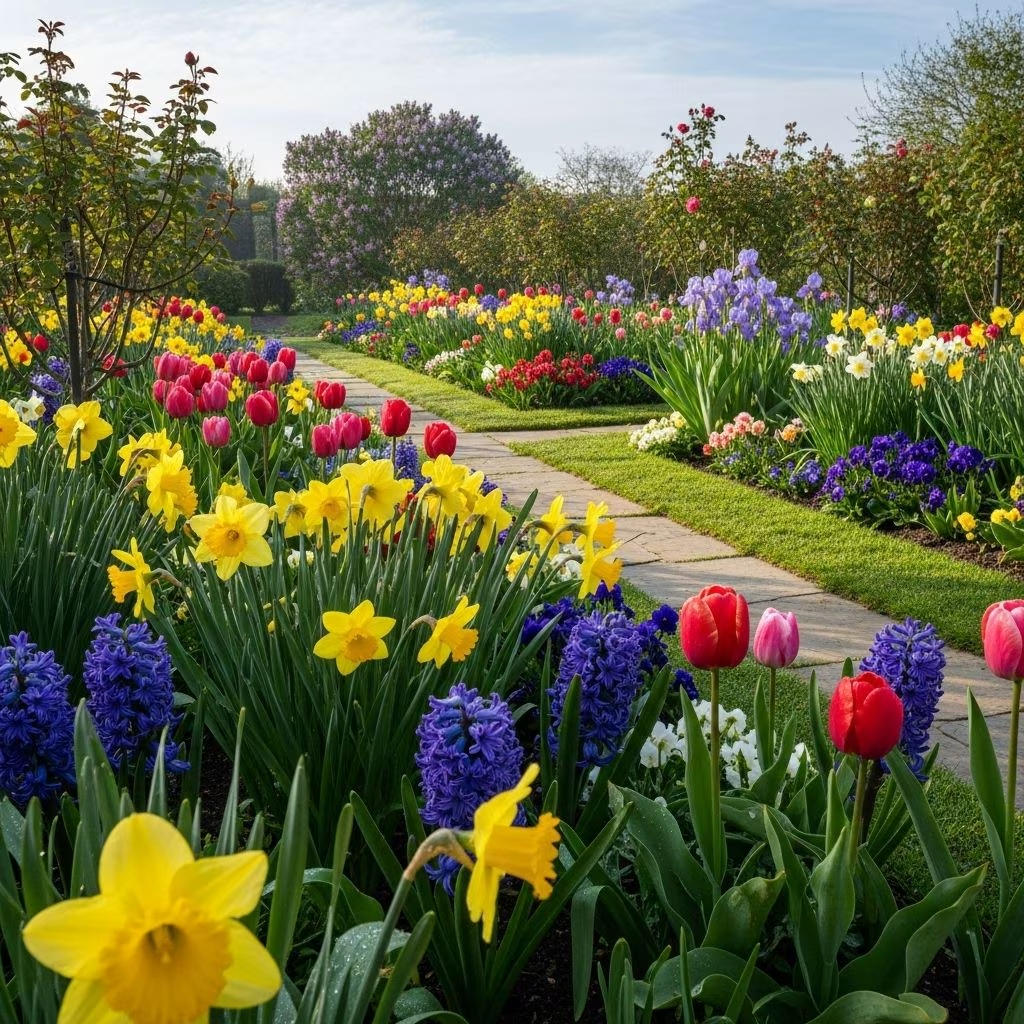
As the warmth of spring arrives, gardeners everywhere look forward to planting colorful blooms that will provide vibrance and attract pollinators all season long. April is a pivotal month for gardeners in most regions, offering the perfect window to plant a wide variety of annuals and perennials. In this guide, we’ll explore 15 of the best flowers to plant in April, detailing their growing requirements, care tips, and the reasons each deserves a space in your garden beds, borders, or containers.
Why Plant Flowers in April?
Planting in April gives flowers a head start, ensuring robust root development before the heat of summer. This month’s mild temperatures and increasing daylight help both cool-loving annuals and hardier perennials establish quickly, resulting in more blooms and healthier plants throughout the season. Whether you’re refreshing established beds or creating new displays, April is an ideal time to:
- Direct-sow hardy annuals and perennials after last frost
- Transplant seedlings grown indoors
- Divide or relocate perennials
- Fill hanging baskets and containers for early enjoyment
The Top 15 Flowers to Plant in April
Below you’ll find expert recommendations for 15 top-performing flowers, with detailed care and planting information. Use this guide to plan your perfect spring garden display, no matter your space or location.
1. Coneflower ‘Pink Poodle’ (Echinacea purpurea ‘Pink Poodle’)
| Common Name | Coneflower ‘Pink Poodle’ |
|---|---|
| Botanical Name | Echinacea purpurea ‘Pink Poodle’ |
| Sun Requirements | Full sun |
| Height | 1’–3’ |
| Zones | 4–9 |
The ‘Pink Poodle’ coneflower stands out for its exuberant double blooms in bubblegum pink, centered with green. This perennial forms upright, branching stems and is much loved by pollinators. Though not frost-tolerant, foliage can handle a light chill, making it a reliable pick for spring planting. Enjoy showy flowers from early summer onward.
2. Geranium ‘Americana Salmon’ (Pelargonium ‘Americana Salmon’)
| Common Name | Geranium ‘Americana Salmon’ |
|---|---|
| Botanical Name | Pelargonium ‘Americana Salmon’ |
| Sun Requirements | Full sun |
| Height | 1’–2’ |
| Zones | 9–11 |
Though not true geraniums, these vibrant pelargoniums with scalloped fragrant foliage and dense clusters of coral-pink blooms are ideal for beds, borders, and containers. Deadhead faded flowers to encourage continual blooming from spring well into frost.
3. African Daisy (Osteospermum)
| Common Name | African Daisy |
|---|---|
| Botanical Name | Osteospermum |
| Sun Requirements | Full sun |
| Height | 1’–2’ |
| Zones | 10–11 (annual elsewhere) |
Known for vibrant, daisy-like blooms in purple, white, and orange hues, African daisies thrive in cool weather, making April prime time for planting. Give them plenty of sun; expect blooms from late spring through early summer.
4. Snapdragon (Antirrhinum majus)
| Common Name | Snapdragon |
|---|---|
| Botanical Name | Antirrhinum majus |
| Sun Requirements | Full sun to partial shade |
| Height | 1’–3’ |
| Zones | 7–11 (annual elsewhere) |
April is perfect for setting out snapdragon starts. Their vertical flower spikes, available in bright and pastel shades, add dramatic color to beds and bouquets. Deadhead spent flowers to prolong blooming into summer.
5. Sweet Alyssum (Lobularia maritima)
| Common Name | Sweet Alyssum |
|---|---|
| Botanical Name | Lobularia maritima |
| Sun Requirements | Full sun to partial shade |
| Height | Under 1’ |
| Zones | 5–9 (annual elsewhere) |
This fragrant, low-growing annual offers mounds of tiny, honey-scented white, pink, or purple blooms. Alyssum tolerates cool weather and matures quickly, making it a great choice for edging, containers, or early color in mixed plantings.
6. Marigold (Tagetes spp.)
| Common Name | Marigold |
|---|---|
| Botanical Name | Tagetes spp. |
| Sun Requirements | Full sun |
| Height | 1’–3’ |
| Zones | 2–11 (as annuals) |
Marigolds are celebrated for their pest-deterring properties and their bold orange, yellow, or red blooms. Sow seeds or transplants in April for color from late spring to fall. Plant near vegetables to help keep pests away.
7. Pansy (Viola x wittrockiana)
| Common Name | Pansy |
|---|---|
| Botanical Name | Viola x wittrockiana |
| Sun Requirements | Full sun to partial shade |
| Height | 6–9 inches |
| Zones | 6–10 (annual elsewhere) |
Pansies love the cool weather of April and offer cheerful faces in every color imaginable. Use in containers, window boxes, or lining pathways for a pop of spring color that persists even through chilly nights.
8. Petunia (Petunia x hybrida)
| Common Name | Petunia |
|---|---|
| Botanical Name | Petunia x hybrida |
| Sun Requirements | Full sun |
| Height | 1’ |
| Zones | 10–11 (annual elsewhere) |
When planted in April, petunias begin their show early and last into autumn. Their wide range of colors and trailing habit make them perfect for baskets, boxes, and sprawling borders.
9. Cosmos (Cosmos bipinnatus)
| Common Name | Cosmos |
|---|---|
| Botanical Name | Cosmos bipinnatus |
| Sun Requirements | Full sun |
| Height | 2–4’ |
| Zones | 2–11 (as annuals) |
Cosmos germinates quickly in April’s warming soil, growing into tall, airy plants topped with pastel blooms beloved by bees and butterflies. Low-maintenance and drought-tolerant once established.
10. Salvia (Salvia splendens)
| Common Name | Salvia |
|---|---|
| Botanical Name | Salvia splendens |
| Sun Requirements | Full sun |
| Height | 1–3’ |
| Zones | 8–10 (annual elsewhere) |
Salvias thrive when planted in early spring, sending up bold spikes of red, blue, or purple flowers that attract hummingbirds and beneficial insects to your garden beds or patio pots.
11. Sweet William (Dianthus barbatus)
| Common Name | Sweet William |
|---|---|
| Botanical Name | Dianthus barbatus |
| Sun Requirements | Full sun to partial shade |
| Height | 1–2’ |
| Zones | 3–9 |
Plant Sweet William seeds or transplants in April for compact clusters of fragrant, frilled flowers in pink, red, and white. These biennials or short-lived perennials can bloom the first year from an early sowing.
12. Zinnia (Zinnia elegans)
| Common Name | Zinnia |
|---|---|
| Botanical Name | Zinnia elegans |
| Sun Requirements | Full sun |
| Height | 1–4’ |
| Zones | 2–11 (as annuals) |
Wait until soil is thoroughly warm in April to sow zinnia seeds for spectacular, easy-to-grow cut flowers in bold colors. Pinch back for bushier growth and more blooms.
13. Nigella ‘Love-in-a-Mist’ (Nigella damascena)
| Common Name | Love-in-a-Mist |
|---|---|
| Botanical Name | Nigella damascena |
| Sun Requirements | Full sun |
| Height | 1’–2’ |
| Zones | 2–11 (as annuals) |
Nigella’s whimsical blue or white blooms are surrounded by airy, threadlike foliage. Scatter seeds in April for carefree cottage garden charm and decorative seed pods for fall arrangements.
14. Calendula(Calendula officinalis)
| Common Name | Calendula |
|---|---|
| Botanical Name | Calendula officinalis |
| Sun Requirements | Full sun |
| Height | 1–2’ |
| Zones | 2–11 (as annuals) |
Vivid orange and gold calendula flowers emerge quickly from seeds sown in cool April soils. Edible petals and long vase life make them a dual-purpose favorite for gardeners and florists alike.
15. Bachelor’s Button (Centaurea cyanus)
| Common Name | Bachelor’s Button |
|---|---|
| Botanical Name | Centaurea cyanus |
| Sun Requirements | Full sun |
| Height | 1–3’ |
| Zones | 2–11 (annuals) |
Also called cornflower, these cheerful, easy-to-grow annuals bloom in blue, pink, or white. Sow seeds where you want them to grow, and enjoy their nectar-rich flowers into summer.
General Planting Tips for April Flowers
- Check your frost dates: In regions with late frosts, sow seeds of hardy annuals and perennials first, and wait to transplant frost-tender species until the forecast is reliably warm.
- Prep your soil: Amend with compost or balanced fertilizer before planting for richer blooms and stronger plants.
- Water deeply: Early spring root growth is essential, so keep soil moist but not waterlogged.
- Mulch: Apply an inch of organic mulch to retain soil moisture, regulate temperature, and suppress weeds.
- Deadhead spent flowers: Remove faded blooms to encourage plants to keep producing flowers well into summer.
Companion Flowers for Pollinators
Many of these April-planted flowers, including coneflower, alyssum, salvia, and calendula, are magnets for bees, butterflies, and other pollinators. Incorporating a range of flower shapes and colors will support a healthy ecosystem and improve yields for nearby fruits and vegetables.
Suggested Layouts: Beds, Borders, and Containers
- Borders: Layer taller varieties like coneflower, cosmos, and snapdragons at the back; use medium-height plants such as zinnias and salvias in the middle; and tuck alyssum or pansies at the edges for a lacy trim.
- Containers and Baskets: Combine trailing petunias and geraniums with upright snapdragons and pansies for a dynamic display in planters.
- Cottage Mix: Direct sow nigella, bachelor’s buttons, calendula, sweet William, and cosmos together for an informal, pollinator-friendly patch.
Frequently Asked Questions (FAQs)
What are the best flowers to plant in April for beginners?
Easy, reliable choices include marigold, zinnia, cosmos, calendula, and bachelor’s button. These annuals germinate quickly, tolerate variable conditions, and reward gardeners with vibrant displays all season.
Can I plant perennials in April?
Yes, April is ideal for planting perennials like coneflowers and sweet William, which benefit from the cool conditions to establish strong roots before summer.
How do I protect new flower seedlings from late frosts?
Be prepared to cover seedlings with frost cloth or lightweight row covers during unexpected cold snaps, especially in northern climates. Start tender annuals indoors if your weather remains unpredictable.
Are these flowers suitable for all USDA zones?
Most flowers on this list can be grown as annuals in cooler zones and as perennials or tender annuals in warmer regions. Check specific zone requirements to make the best selections for your climate.
What flowers attract the most pollinators?
Coneflower, sweet alyssum, cosmos, salvia, and calendula are top choices for attracting bees, butterflies, and other beneficial insects to your garden beds.
Conclusion
With thoughtful planning and a bit of hands-on care, April is the gateway to a season-long showcase of exceptional flowers. By choosing a mix of annuals and perennials from this list, you can craft a garden that is not only beautiful but also teeming with life, color, and fragrance from spring through the first frost. Whether you’re a new gardener or a seasoned pro, embracing April’s planting opportunities will set the stage for your most vibrant and productive season yet.