19 Amazing Zone 4 Perennials for Thriving Cold-Climate Gardens
Gardening in USDA Zone 4 brings a unique set of challenges—long, cold winters and relatively short growing seasons. Yet with the right perennial choices, you can still enjoy lush, enduring beauty year after year. Whether your region faces winter for five months or more, or you’re adapting to shortened seasons, a carefully selected palette of perennials will fill your beds with color and texture spring through fall. This comprehensive guide explores top-performing perennials, expert planting tips, and strategies for continuous bloom in Zone 4 gardens.
Understanding Zone 4 Gardening
Hardiness Zone 4 is defined by average minimum winter temperatures ranging from -30°F to -20°F (-34°C to -29°C). It covers much of the northern Midwest, Central Plains, and New England. Seasons are brisk, with a shortened window for growth, but careful plant selection enables vibrant gardens without extraordinary protection measures.
Key features of Zone 4:
- Harsh, prolonged winters
- Short to moderate growing season
- Potential for late and early frosts
- Well-adapted for cold-hardy perennials, some fruits, and vegetables
Choosing the Right Perennials
Perennials are plants that survive for three or more years, coming back each season from their rootstock. Choosing the right perennial for your zone—and placing it appropriately in your landscape—is vital. Here’s what you need to consider:
- Sunlight Requirements: Full sun, part shade, or full shade—ensure you match the plant to its ideal setting.
- Soil & Drainage: Loamy, clay, sandy, or well-draining? Amend as needed for your chosen varieties.
- Watering Needs: Drought tolerance varies—note which perennials require moist conditions versus those that thrive on neglect.
- Bloom Time: Stagger bloom periods by combining early, mid, and late-season performers for nonstop interest.
Before buying, take inventory of your garden’s microclimates. A warm wall, a windswept spot, or a moist low area can affect whether a border becomes lush or languishes.
19 Best Zone 4 Perennials (with Care Tips & Bloom Times)
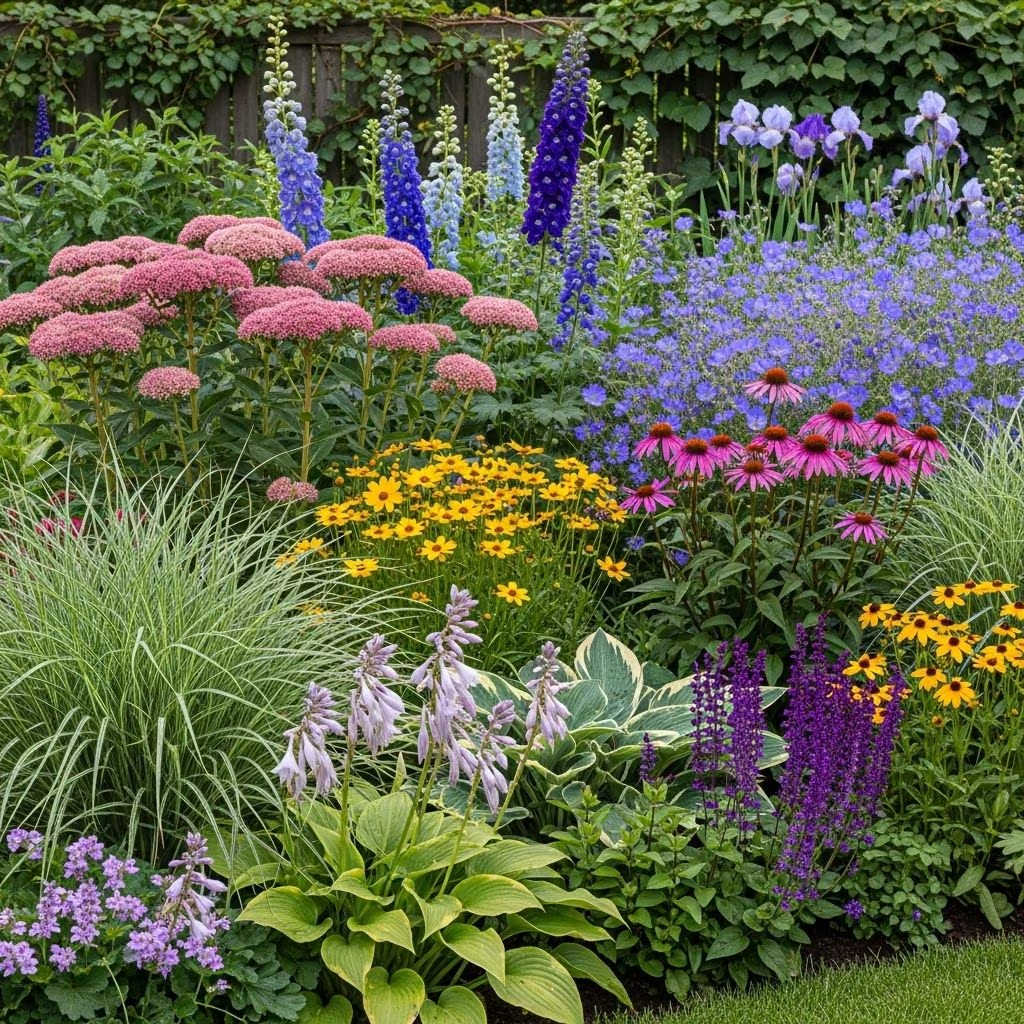
This curated list features classic favorites and some unique, lesser-known cold-hardy perennials—each with notes on their bloom period, care, and design advantages.
| Perennial | Light | Soil | Bloom Time |
|---|---|---|---|
| Astilbe | Part Shade | Moist, Rich | Early-Midsummer |
| Coneflower | Full Sun | Well-Drained | Summer-Fall |
| Daylily | Full Sun/Part Shade | Adaptable | Spring-Summer |
| Hosta | Shade/Part Shade | Moist, Rich | Summer |
| Peony | Full Sun | Rich, Well-Drained | Late Spring |
| Siberian Iris | Full/Part Sun | Moist | Late Spring |
| Black-Eyed Susan | Full Sun | Average-Dry | Late Summer |
| Lupine | Full Sun | Slightly Acidic | Early Summer |
| Bleeding Heart | Part Shade | Moist | Spring |
| Brunnera | Shade/Part Shade | Moist | Spring |
| Yarrow | Full Sun | Dry | Summer-Fall |
| Coral Bells | Shade/Part Sun | Moist | Late Spring |
| Sedum | Full Sun | Poor Soil | Late Summer |
| Bee Balm | Full/Part Sun | Moist | Midsummer |
| Hellebore | Shade/Part Shade | Moist, Rich | Early Spring |
| Baptisia | Full Sun | Well-Drained | Late Spring |
| Goat’s Beard | Part Shade | Moist | Early Summer |
| Globe Thistle | Full Sun | Dry | Midsummer |
Tips for Success: Planting Strategies and Design
Maximize color, texture, and long-term garden health with these proven approaches:
- Stagger bloom periods: Combine early, mid, and late-flowering perennials for continuous color.
- Mix heights and textures: Pair low growers like coral bells with bold architectural plants like allium or globe thistle.
- Group by cultural needs: Design beds so that thirsty plants share moist locations, while drought-lovers are sited in dry, sunny zones.
- Use mulch and compost: Mulch protects roots from frost heave and conserves moisture; compost increases soil health.
- Divide clumps regularly: Every few years, lift and split overgrown perennials to rejuvenate growth and share with fellow gardeners.
- Manage microclimates: Take advantage of warm walls, sheltered corners, or windbreaks to push hardiness limits.
Frequently Asked Questions (FAQs)
Q: What defines a plant as hardy for USDA Zone 4?
A: A plant rated for Zone 4 can reliably survive winter temperatures down to -30°F (-34°C) without special protection.
Q: Can I grow Zone 5 or Zone 3 perennials in Zone 4?
A: Many Zone 5 perennials will survive in protected microclimates or with winter mulch, and almost all Zone 3 plants will thrive in Zone 4’s milder winters.
Q: How do I extend color throughout the season?
A: Select perennials with varying bloom times, and interplant with annuals or bulbs to cover gaps between main flushes.
Q: Do I need to cut back perennials in fall?
A: Leaving stems and seed heads standing over winter provides structure and food for birds, but cutting back in spring is usually best for plant health.
Q: What are easy-care perennials for Zone 4 beginners?
A: Black-eyed Susan, daylily, sedum, and coneflower are very forgiving, needing little beyond annual clean-up and basic watering after establishment.
Conclusion: Embrace the Cold with Beautiful Results
Cold-climate gardening in Zone 4 is all about selecting perennials that pair resilience with beauty. Armed with knowledge of your site—and this list of tested favorites—you’ll be rewarded with low-maintenance beds and borders that return year after year, regardless of the snow and ice that winter brings.