21 Best Flowering Perennials for Wisconsin Gardens
Flowering perennials are the backbone of a vibrant Wisconsin garden, offering enduring color and interest from early spring through frost. With challenging winters and variable soils, choosing hardy, reliable perennial flowers is key for sustained success. This guide profiles 21 of the most popular, easy-to-grow perennials perfectly suited to Wisconsin’s climate, ranging from sun-loving standouts to shade-dwelling favorites. Organized by sunlight requirements and bloom time, each recommendation also includes tips on care, varieties, and landscape use.
Why Choose Perennial Flowers in Wisconsin?
Perennials are celebrated for returning year after year, reducing labor and expense compared to annuals. In Wisconsin, where seasons are marked by harsh winters and unpredictable springs, selecting perennials adapted to local zones (typically USDA zones 3–5) ensures resilience. Perennials:
- Survive below-freezing winter temperatures.
- Require less replanting and maintenance.
- Support pollinators and local ecosystems.
- Create dynamic color and texture in gardens, borders, and naturalistic landscapes.
How to Select Perennials for Wisconsin Gardens
When choosing perennial flowers for Wisconsin, consider:
- Hardiness Zone: Most of Wisconsin falls under zones 3–5.
- Sunlight Needs: Evaluate your garden for full sun, partial shade, or deep shade.
- Soil Condition: Well-drained, moist, or sandy soils impact perennial vigor.
- Bloom Time: Combine early, mid, and late season perennials for season-long color.
- Maintenance Needs: Some perennials benefit from pruning, dividing, or deadheading.
- Wildlife Tolerance: For deer-prone areas, seek deer-resistant varieties.
Perennials for Sunny Wisconsin Gardens
These flowers thrive in areas of the garden that receive at least six hours of sunlight daily.
Creeping Phlox (Phlox subulata)
| Bloom Colors | White, pink, lavender |
|---|---|
| Sun Requirements | Full sun |
| Height & Spread | 6″ tall, 18″ wide |
| Zones | 3–9 |
Creeping phlox is an early spring groundcover, carpeting garden beds with vibrant blooms. Thin, needle-like leaves resemble rosemary. As plants spread, they create mats 2–3 times wider than tall. Shear back by half after blooming for a second flush of flowers. Favor varieties like ‘Snowflake’, ‘Eye Shadow’, and ‘Blue Emerald’ for Wisconsin. Plant in well-drained soils; avoid hot afternoon sun to prevent scorch. Suited for rock gardens, borders, and slopes.
Lupine (Lupinus polyphyllus)
| Bloom Colors | Blue, purple, pink, white |
|---|---|
| Sun Requirements | Full sun |
| Height | 2–4 feet |
| Zones | 3–7 |
Spikes of colorful, pea-like flowers emerge in late spring and early summer. Best planted in well-drained, sandy soil. Lupines are beloved for their bold form and also fix nitrogen, benefiting neighboring plants.
Shasta Daisy (Leucanthemum × superbum)
| Bloom Colors | White with yellow centers |
|---|---|
| Sun Requirements | Full sun |
| Height | 1–3 feet |
| Zones | 4–9 |
Reliable midsummer bloomers, shasta daisies add classic charm to sunny borders. Deadhead for more flowers; divide every few years for vigor.
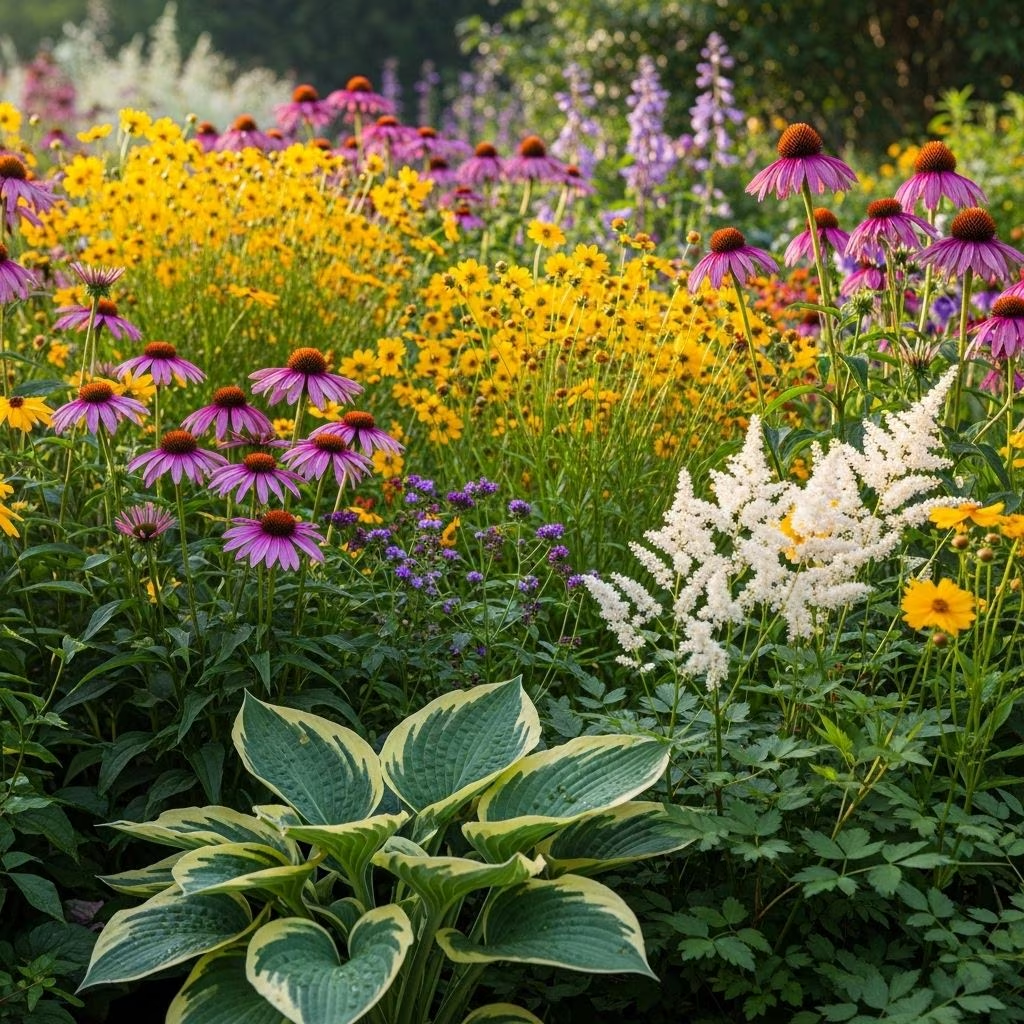
Black-Eyed Susan (Rudbeckia fulgida)
| Bloom Colors | Yellow with black center |
|---|---|
| Sun Requirements | Full sun |
| Height | 2–3 feet |
| Zones | 3–9 |
Native to North America, Black-eyed Susans are deer resistant, drought-tolerant, and provide long-lasting summer blooms. Attracts butterflies and bees.
Peony (Paeonia spp.)
| Bloom Colors | Pink, white, red |
|---|---|
| Sun Requirements | Full sun to part shade |
| Height | 2–3 feet |
| Zones | 3–8 |
Peonies are garden favorites for their fragrant, lush flowers and longevity. Plant in rich soil and avoid disturbing roots once established. With proper care, peonies thrive for decades. Mulch in winter for protection.
Coreopsis (Coreopsis verticillata)
| Bloom Colors | Yellow |
|---|---|
| Sun Requirements | Full sun |
| Height | 1–2 feet |
| Zones | 3–9 |
Bask in months of cheerful gold blooms. Coreopsis tolerates poor soils and drought. Deadheading prevents self-seeding and extends the bloom period.
Perennials for Shade and Woodland Gardens
Wisconsin’s forests and north-facing beds offer cool, moist shade—ideal for these resilient perennials.
Bleeding Heart (Lamprocapnos spectabilis)
| Bloom Colors | Pink, red, white |
|---|---|
| Sun Requirements | Part shade to shade |
| Height | 1–3 feet |
| Zones | 3–9 |
Classic woodland staple. Heart-shaped flowers dangle from arching stems in spring. Leaves are sharply cut; stems often deep burgundy. Prefers moist soil and shelter from wind. After blooming, foliage yellows midseason; leave until browned. Popular varieties: ‘Valentine’, ‘King of Hearts’, and ‘Alba’.
Hosta (Hosta spp.)
| Bloom Colors | Lavender, white |
|---|---|
| Sun Requirements | Part shade to shade |
| Height | 6″–3 feet |
| Zones | 3–9 |
Hostas produce bold foliage in myriad shapes and colors. Spikes of pale flowers appear in midsummer. Valued for low maintenance groundcover and weed suppression. Some varieties resist slugs and tolerate some sun.
Astilbe (Astilbe spp.)
| Bloom Colors | Pink, red, white |
|---|---|
| Sun Requirements | Part shade to shade |
| Height | 1–3 feet |
| Zones | 3–8 |
Feathery plumes create soft clouds of color above fern-like foliage. Astilbe needs moist, shaded soil and thrives along shaded pathways and woodland edges.
Solomon’s Seal (Polygonatum biflorum)
| Bloom Colors | White |
|---|---|
| Sun Requirements | Part shade to shade |
| Height | 1–2 feet |
| Zones | 3–9 |
Graceful, arching stems and pendulous white bells distinguish Solomon’s Seal. Perfect for woodland gardens; spreads gently by rhizomes. Reliable for erosion control and pollinator support.
Trillium (Trillium grandiflorum)
| Bloom Colors | White, pink |
|---|---|
| Sun Requirements | Shade |
| Height | 8″–18″ |
| Zones | 4–8 |
Native to Wisconsin’s forests, Trillium’s three-petaled flowers are a spring treasure. Protect wild populations; purchase cultivated stock.
Long-Blooming and Late Season Perennials
Extending your garden’s display into fall adds resilience and visual interest.
Aster (Symphyotrichum novae-angliae, Aster spp.)
| Bloom Colors | Lavender, blue, pink, white |
|---|---|
| Sun Requirements | Full sun to part shade |
| Height | 1–4 feet |
| Zones | 3–9 |
Asters are herbaceous bloomers that flower late in the year, offering daisy-like blooms and crucial pollen for fall pollinators. Pinch stems in early summer for bushier growth. Pair with grasses and late season blooms.
Goldenrod (Solidago spp.)
| Bloom Colors | Yellow |
|---|---|
| Sun Requirements | Full sun to part shade |
| Height | 1–3 feet |
| Zones | 4–8 |
Goldenrods provide a burst of autumn gold. Tolerant of poor soils, resistant to drought, and valuable for pollinators.
Low Maintenance Groundcovers and Border Plants
Groundcover perennials crowd out weeds, reduce soil erosion, and offer aesthetic value.
- Lily of the Valley (Convallaria majalis): Shade-loving, fragrant spring bells. Spreads vigorously in rich, moist soils. Best for naturalized beds.
- Pachysandra (Pachysandra terminalis): Dense, evergreen groundcover for the shadiest areas. Retains color throughout winter.
- Sweet Woodruff (Galium odoratum): Delicate white blooms in shade; aromatic foliage. Excellent companion for spring bulbs and ferns.
Perennials for Pollinators and Wildlife
Choosing native and nectar-rich perennials supports bees, butterflies, and beneficial insects.
- Milkweed (Asclepias spp.) – Essential for monarch butterflies.
- Bee Balm (Monarda didyma) – Shaggy red or purple flowers attract hummingbirds.
- Butterfly Weed (Asclepias tuberosa) – Bright orange, drought-resistant.
Planting and Care Tips for Wisconsin Perennials
- Soil Preparation: Amend soils with compost before planting. Test pH where possible.
- Mulching: Apply over root zones in fall to protect against freeze-thaw cycles.
- Watering: Establish new transplants with regular watering; mature plants often tolerate drought.
- Pruning and Deadheading: Remove spent blooms to encourage rebloom, except where seed heads offer winter interest.
- Division: Dig and divide spreading clumps every few years for vigor.
- Disease Control: Avoid overhead irrigation; provide air circulation.
Frequently Asked Questions (FAQ)
What perennial flowers bloom early in Wisconsin?
Phlox, Lupine, and Bleeding Heart are among the earliest to flower in spring, bringing color before many annuals emerge.
How do I keep perennials blooming all season?
Combine early, mid, and late bloomers, and deadhead regularly. Interplant longer-blooming species like Coreopsis, Shasta Daisy, and Black-eyed Susan for constant color.
Which perennials are deer-resistant for Wisconsin gardens?
Peony, Black-eyed Susan, and most Asters show strong deer resistance. However, pressure may vary locally.
How do I plant perennials for shade?
Choose shade-lovers like Hosta, Bleeding Heart, Solomon’s Seal, and Lily of the Valley. Ensure soil is rich and moist, and avoid compacted root zones.
Can I plant perennials with bulbs and annuals?
Absolutely! Perennials form the framework, with bulbs providing early spring interest and annuals filling seasonal gaps. Plan for varied heights and foliage textures.
How do I start perennial seeds in Wisconsin?
Many perennials can be winter sown or started indoors 10–16 weeks before the last frost. Direct sow in spring or fall as needed; germination may take longer than annuals.
Quick Reference Table: 21 Top Wisconsin Perennials
| Name | Sun | Color | Bloom Time | Notes |
|---|---|---|---|---|
| Creeping Phlox | Full sun | Lavender, pink, white | Early Spring | Groundcover |
| Lupine | Full sun | Blue, purple, pink, white | Late Spring | Pollinators |
| Shasta Daisy | Full sun | White | Summer | Classic border |
| Black-Eyed Susan | Full sun | Yellow | Summer–Fall | Deer resistant |
| Peony | Full sun/Part shade | Pink, white, red | Late spring | Long-lived |
| Coreopsis | Full sun | Yellow | Summer | Long bloom |
| Bleeding Heart | Part shade | Pink, red, white | Spring | Woodland |
| Hosta | Shade | Lavender, white | Summer | Foliage |
| Astilbe | Part shade | Pink, red, white | Summer | Plume |
| Solomon’s Seal | Shade | White | Spring | Natives |
| Trillium | Shade | White, pink | Spring | Native woods |
| Aster | Sun/Part shade | Lavender, pink, white | Late summer | Pollinators |
| Goldenrod | Sun | Yellow | Fall | Native |
| Lily of Valley | Shade | White | Spring | Spreading |
| Pachysandra | Shade | White (small flowers) | Spring | Evergreen |
| Sweet Woodruff | Shade | White | Spring | Aromatic |
| Milkweed | Sun | Pink, orange | Summer | Butterfly host |
| Bee Balm | Sun/Part shade | Red, pink, purple | Summer | Hummingbirds |
| Butterfly Weed | Sun | Orange | Summer | Pollinators |
| Foamflower | Shade | White, pink | Spring | Woodland |
| Ferns | Shade | Green (foliage) | All season | Texture |
Conclusion
By selecting hardy perennial flowers and adapting care to local conditions, Wisconsin gardeners can create dynamic, persistent gardens full of color and wildlife support. Experiment with mixing sun and shade lovers, natives, and groundcovers for resilient, low-maintenance beauty. Start planning now for a lush, thriving landscape—season after season.