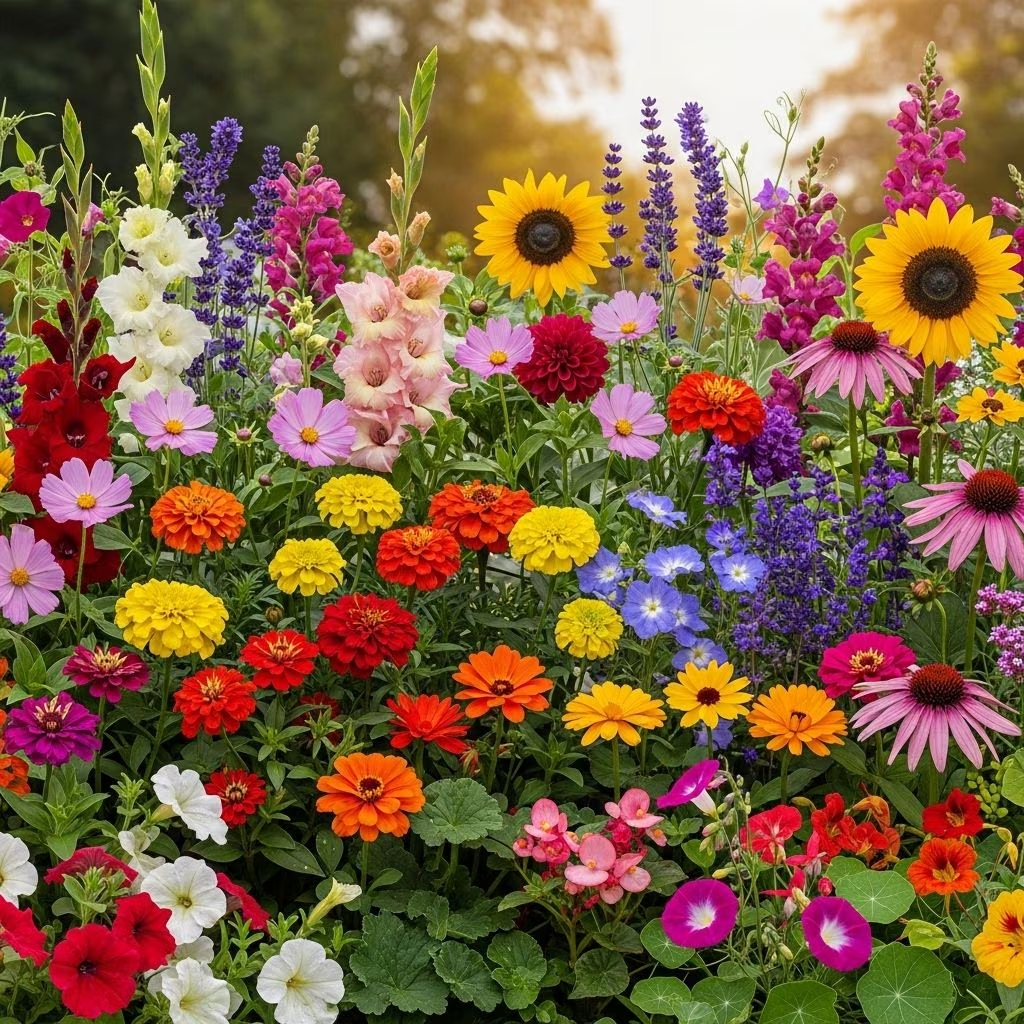
June marks a pivotal point in the garden calendar, where warming soils and lengthening days create ideal conditions for planting heat-loving flowers. Whether you’re looking to attract pollinators, fill borders with color, or start a thriving cut flower garden, this comprehensive guide delves into 21 of the best flowers to plant in June. Annuals and perennials alike come alive now, offering bursts of blooms throughout the hottest months. Below, discover expert picks, plant details, nurturing tips, and FAQs to help your June garden thrive.
Why Plant Flowers in June?
Planting in June offers several advantages:
- Warm soil promotes rapid seed germination and vigorous growth.
- Longer daylight hours ensure robust flower and foliage development.
- Pollinators are most active, making it ideal to grow plants that support bees, butterflies, and beneficial insects.
- Extends the blooming season, especially for annuals started this month.
Annuals and Perennials: What’s the Difference?
Annuals complete their lifecycle in a single growing season, providing bold color and prolific bloom until frost. Perennials return year after year, often blooming for several weeks or months depending on the species. June welcomes both types, especially heat- and drought-tolerant varieties.
Key Considerations for June Planting
- Sun exposure: Know your site—full sun, partial sun, or shade—informs your choices.
- Soil preparation: Add compost or organic matter to boost fertility and water retention.
- Irrigation: Young plants need consistent moisture until established, especially in summer’s heat.
- Hardiness zone: Select species adapted to your climate for best results.
21 Spectacular Flowers to Plant in June
1. Asclepias (Butterfly Weed & Swamp Milkweed)
| Botanical Name | Asclepias tuberosa, Asclepias incarnata |
|---|---|
| Sun Requirements | Full sun |
| Hardiness Zones | 3-9 |
| Height | 1-3 ft |
These showy, pollinator-friendly natives provide orange (tuberosa) or pink (incarnata) blooms above lance-shaped foliage. Their nectar and structure support Monarchs and other beneficial insects, with incarnata thriving in boggy soils and tuberosa favoring drier sites.
2. Angelonia
| Botanical Name | Angelonia angustifolia |
|---|---|
| Sun Requirements | Full sun |
| Hardiness Zones | 9-11 |
| Height | 1-1.5 ft |
Known as the “summer snapdragon,” Angelonia boasts a profusion of blue, purple, pink, rose, white, and bicolor flowers. It thrives with minimal care, is drought and humidity tolerant, and doesn’t require deadheading. Excellent for sunny borders and containers.
3. Zinnia
| Botanical Name | Zinnia elegans |
|---|---|
| Sun Requirements | Full sun |
| Hardiness Zones | 2-11 (as annual) |
| Height | 1-3 ft |
Zinnias are summer stalwarts, giving plentiful blooms in vibrant colors (including unique limes and bi-colors) from midsummer to frost. Plant directly in warm soil for best results. Loved by pollinators and perfect for bouquets.
4. Marigold
| Botanical Name | Tagetes spp. |
|---|---|
| Sun Requirements | Full sun |
| Hardiness Zones | 2-11 (as annual) |
| Height | 10-36 in |
Marigolds are classic, easy-to-grow annuals. French varieties bloom faster; African ones are taller and later. Plant alongside vegetables to deter pests and attract pollinators. Blooms last through summer to the first frost.
5. Sunflower
| Botanical Name | Helianthus annuus |
|---|---|
| Sun Requirements | Full sun |
| Hardiness Zones | 2-11 (annual) |
| Height | 1-12 ft (variety dependent) |
Sunflowers provide dramatic structure and nectar-rich blooms for pollinators. Choose branching types for more flowers and shading benefits. Great for filling gaps and as a food source for birds.
6. Gomphrena (Globe Amaranth)
| Botanical Name | Gomphrena globosa |
|---|---|
| Sun Requirements | Full sun |
| Hardiness Zones | 2-11 (annual) |
| Height | 1-2 ft |
Gomphrena features papery, globe-shaped flowers in bold hues. Exceptional for hot, dry locations, it delivers blooms until frost and makes long-lasting cut or dried flowers.
7. Vinca (Madagascar Periwinkle)
| Botanical Name | Catharanthus roseus |
|---|---|
| Sun Requirements | Full sun to part shade |
| Hardiness Zones | 9-11 (perennial), annual elsewhere |
| Height | 10-18 in |
Vinca thrives in summer heat and resists drought, displaying white, pink, or purple flowers above glossy foliage. Ideal for containers and bedding displays in difficult, sunny spots.
8. Celosia
| Botanical Name | Celosia argentea |
|---|---|
| Sun Requirements | Full sun |
| Hardiness Zones | 2-11 (annual) |
| Height | 6-36 in |
Celosia, whether plumed or cockscomb type, bursts with saturated colors and unique textures. Heat- and humidity-proof, excellent for mixed borders and lively bouquets.
9. Cosmos
| Botanical Name | Cosmos bipinnatus |
|---|---|
| Sun Requirements | Full sun |
| Hardiness Zones | 2-11 (annual) |
| Height | 3-6 ft |
Tall, airy cosmos are easy to grow from seed, tolerating poor soil and drought. Their pastel or magenta daisy heads sway over feathery foliage, perfect for wildflower or cottage gardens.
10. Petunia
| Botanical Name | Petunia x hybrida |
|---|---|
| Sun Requirements | Full sun |
| Hardiness Zones | 10-11 (annual elsewhere) |
| Height | 6-18 in |
Petunias are beloved for abundant, trumpet-shaped blooms in nearly every color, ideal for hanging baskets, containers, and borders. Easy to grow and exceptionally floriferous with deadheading.
11. Salvia
| Botanical Name | Salvia splendens |
|---|---|
| Sun Requirements | Full sun to part shade |
| Hardiness Zones | 10-11 (annual elsewhere) |
| Height | 1-3 ft |
Salvia comes in blue, scarlet, and purple spikes, beloved by hummingbirds and bees. Heat-loving, drought-tolerant, and effective in massed plantings.
12. Nasturtium
| Botanical Name | Tropaeolum majus |
|---|---|
| Sun Requirements | Full sun to part shade |
| Hardiness Zones | 2-11 (annual) |
| Height | 1-10 ft (vining types) |
Nasturtiums quickly fill containers or spill from beds with vividly colored, edible flowers and rounded foliage. They thrive in poor soil and attract pollinators, plus their leaves and blossoms are peppery additions to summer salads.
13. Portulaca (Moss Rose)
| Botanical Name | Portulaca grandiflora |
|---|---|
| Sun Requirements | Full sun |
| Hardiness Zones | 2-11 (annual) |
| Height | 4-8 in |
With succulent-like leaves and rose-like flowers, Portulaca excels in scorching sites and containers. Opens its blooms in full sunlight, offering an ever-changing palette throughout summer.
14. Cleome (Spider Flower)
| Botanical Name | Cleome hassleriana |
|---|---|
| Sun Requirements | Full sun |
| Hardiness Zones | 10-11 (annual elsewhere) |
| Height | 3-6 ft |
Towering, spidery blooms in white, pink, lavender, or purple give a dramatic accent. Cleome is tough and undemanding, attracting pollinators in droves.
15. Tithonia (Mexican Sunflower)
| Botanical Name | Tithonia rotundifolia |
|---|---|
| Sun Requirements | Full sun |
| Hardiness Zones | 2-11 (annual) |
| Height | 3-6 ft |
Tithonia boasts large orange or red blooms beloved by butterflies and bees. These heat-lovers excel in tough conditions, filling sunny borders with drama.
16. Celosia (Plumed & Cockscomb)
| Botanical Name | Celosia argentea |
|---|---|
| Sun Requirements | Full sun |
| Hardiness Zones | 2-11 (annual) |
| Height | 6-36 in |
Repeated for both forms; see above for details.
17. Coleus
| Botanical Name | Plectranthus scutellarioides |
|---|---|
| Sun Requirements | Part shade to shade |
| Hardiness Zones | 10-11 (annual elsewhere) |
| Height | 6-36 in |
Coleus offers colorful foliage for shaded beds and containers, thriving in dappled light where other flowers falter. Combine with shade-tolerant blooms for maximum impact.
18. Sweet William
| Botanical Name | Dianthus barbatus |
|---|---|
| Sun Requirements | Full sun to part shade |
| Hardiness Zones | 3-9 (biennial/perennial) |
| Height | 12-24 in |
Sweet William forms tight clusters of fragrant, fringed blooms in pink, red, and white. Great for borders and attracts butterflies, doing well in cooler, moist soils.
19. Snapdragons
| Botanical Name | Antirrhinum majus |
|---|---|
| Sun Requirements | Full sun |
| Hardiness Zones | 7-10 (perennial), annual elsewhere |
| Height | 6-36 in |
Snapdragons can be planted for late summer and fall display in cooler regions; newer varieties tolerate more heat. Their dragon-mouthed blooms add vertical interest and are excellent for cutting.
20. Baby’s Breath
| Botanical Name | Gypsophila elegans |
|---|---|
| Sun Requirements | Full sun |
| Hardiness Zones | 3-10 (annual) |
| Height | 12-24 in |
Clouds of delicate white or pink flowers make baby’s breath a popular summer cut flower and filler for bouquets.
21. Dwarf Spurred Snapdragon
| Botanical Name | Linaria maroccana |
|---|---|
| Sun Requirements | Full sun |
| Hardiness Zones | 2-11 (annual) |
| Height | 12-16 in |
Also known as “toadflax,” these charming, compact plants bring dazzling color mixes to the front of borders and containers, blooming quickly from sowing.
Made in the Shade: June Flowers for Partial Shade
Not all gardens receive full sun. For shady sites or areas with only 4 hours of sun, consider these favorites from reputable flower mixes:
- Baby Blue Eyes (Nemophila menziesii)
- Balsam (Impatiens balsamina)
- Tussock Bellflower (Campanula carpatica)
- Candytuft (Iberis umbellata)
- Columbine (Aquilegia vulgaris)
- English Wallflower (Erysimum cheiri)
- Johnny-Jump-Up (Viola tricolor)
- Shirley Poppy (Papaver rhoeas)
These species offer color and pollinator support even in low-light corners of the landscape.
Tips for Success When Planting in June
- Direct sow annual seeds after the last frost and in warm soil, especially zinnia, marigold, cosmos, and sunflower.
- Sow in succession every 1-2 weeks for a continuous bloom until fall.
- Water deeply and mulch well after planting to retain moisture.
- Feed with balanced fertilizer for heavy bloomers, but avoid over-fertilizing which may favor leaf growth over flowers.
- Remove spent blooms (deadheading) to encourage further flowering, except with naturally self-cleaning types like angelonia.
Frequently Asked Questions (FAQs)
Q: Can I plant flowers in June even if it’s very hot?
A: Absolutely. Choose heat-tolerant varieties such as zinnias, sunflowers, vinca, celosia, and angelonia. Water thoroughly until new roots establish.
Q: Which June flowers attract pollinators?
A: Milkweed, tithonia, marigold, zinnia, cosmos, sunflowers, and sweet william are especially appealing to bees, butterflies, and beneficial insects.
Q: Is it too late to start flowers from seed in June?
A: Most annuals germinate quickly in warm soil and will bloom in as little as 6–8 weeks. Fast-growing favorites include zinnia, cosmos, and sunflowers.
Q: What are the best flowers for shaded gardens in June?
A: Choose from coleus, candytuft, baby blue eyes, balsam, English wallflower, and Johnny-jump-up for color in dappled or partial shade.
Q: How often should I water June-planted flowers?
A: Young plants and seeds require consistent moisture until roots are established (usually 2-3 weeks), followed by deep, regular watering during dry spells.
Conclusion
June opens endless possibilities for a colorful, pollinator-friendly garden. By choosing the right flowers, considering your site’s sun and soil, and providing attentive care, you’ll enjoy a vibrant display that enhances your landscape and supports your local ecosystem all summer long.