21 Best Trailing Plants for Pots and Containers
Trailing plants are a must-have for anyone looking to amp up their container gardening game. Their cascading foliage and blooms spill luxuriously over the edges of pots, creating a vibrant, full look that brings any space—indoors or outdoors—to life. In this in-depth guide, we explore the top trailing species for a variety of conditions, from sun-drenched patios to cozy apartment windowsills. Discover care details, creative design ideas, and answers to common questions to ensure your container gardens look lush year-round.
Why Choose Trailing Plants?
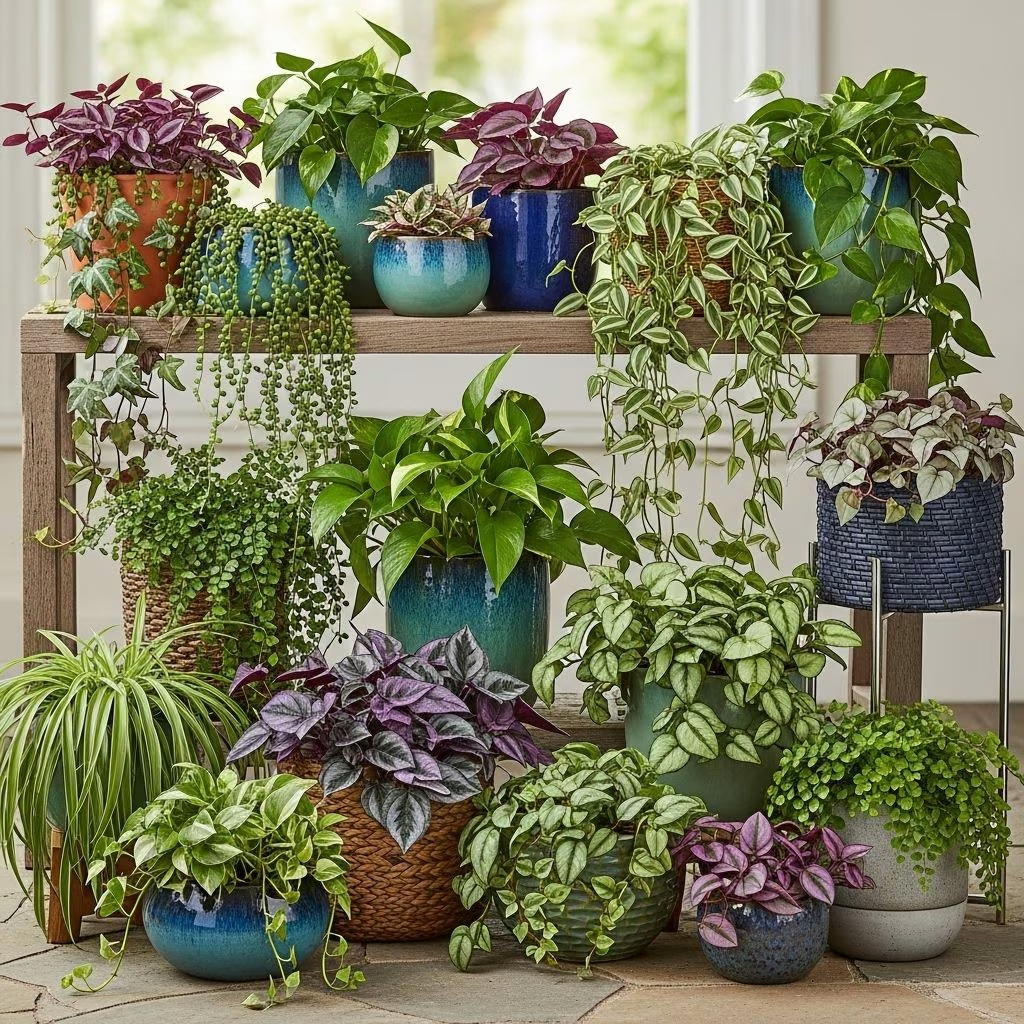
Trailing plants, often called spillers, are the stars of mixed containers and hanging baskets. Their long stems and vines cascade over the edges, softening hard lines and adding a dynamic vertical element. They also serve practical purposes—covering bare container rims, filling in gaps, and, in some cases, attracting pollinators or even purifying indoor air.
- Visual interest: Adds texture and movement to static displays.
- Versatility: Suitable for pots, hanging baskets, and window boxes.
- Companion value: Complements upright (“thriller”) and bushy (“filler”) plants in container arrangements.
Types of Trailing Plants
Trailing plants come in many forms, including:
- Flowering annuals and perennials
- Succulents and drought-tolerant plants
- Evergreen foliage for year-round interest
- Tropical species ideal for indoors or humid climates
Factors to Consider Before Planting
- Light requirements: Does your space get full sun, partial sun, or deep shade?
- Watering habits: Succulents need less water, while tropical plants thrive in moist soil.
- Climate compatibility: Some trailing plants are perennial only in warmer zones.
- Container size and type: Ensure pots have drainage holes and enough space for roots to spread.
21 Outstanding Trailing Plants for Pots
Below is a comprehensive guide to the best trailing plants, including botanical names, preferred conditions, and why they shine in containers.
| Plant Name | Botanical Name | Sun Requirements | Hardiness Zones | Highlights |
|---|---|---|---|---|
| Trailing Lobelia | Lobelia erinus | Full sun to partial shade | 2–11 | Profuse violet-blue flowers; attracts pollinators |
| Calibrachoa (Million Bells) | Calibrachoa spp. | Full sun | 9–11 (annual elsewhere) | Continuous blooms, no deadheading needed |
| Creeping Jenny | Lysimachia nummularia | Full sun to partial shade | 3–10 | Chartreuse foliage; evergreen in mild climates |
| Dichondra ‘Silver Falls’ | Dichondra argentea | Full sun to partial shade | 7–11 | Silver foliage; drought-tolerant |
| Ivy | Hedera helix | Partial to full shade | 4–9 | Classic evergreen; easy to train and shape |
| Sweet Potato Vine | Ipomoea batatas | Full sun to partial shade | 9–11 (annual elsewhere) | Bold, colorful foliage; vigorous grower |
| String of Pearls | Senecio rowleyanus | Bright, indirect light | 9–12 | Unique beaded stems; ideal for indoor pots |
| English Ivy | Hedera helix | Partial to full shade | 4–9 | Rich green or variegated; versatile indoors and out |
| Vinca Vine (Periwinkle) | Vinca major/minor | Partial shade | 4–9 | Evergreen trailing stems with purple flowers |
| Spider Plant | Chlorophytum comosum | Bright, indirect light | 9–11 | Arching leaves with baby plantlets; excellent indoors |
| String of Hearts | Ceropegia woodii | Bright, indirect light | 10–12 | Delicate heart-shaped leaves; drought-tolerant |
| Petunia | Petunia spp. | Full sun | 10–11 (annual elsewhere) | Classic, colorful blooms; fills and spills beautifully |
| Bacopa | Sutera cordata | Full sun to partial shade | 9–11 | Small white or blue flowers in profusion |
| Black-Eyed Susan Vine | Thunbergia alata | Full sun | 10–11 | Sunny orange/yellow blooms; fast-growing vine |
| Tradescantia (Wandering Jew) | Tradescantia zebrina/fluminensis | Bright, indirect light | 9–11 | Colorful striped leaves; easy indoor trailing plant |
| Golden Pothos | Epipremnum aureum | Low to bright, indirect light | 10–12 | Low-maintenance; air-purifying; trails dramatically |
| Burro’s Tail | Sedum morganianum | Bright, indirect light | 9–11 | Thick, trailing succulent stems |
| Lotus Vine | Lotus berthelotii | Full sun | 10–11 | Silver foliage; fiery red-orange blooms |
| Trailing Fuchsia | Fuchsia hybrids | Partial shade | 10–11 | Elegant, pendulous flowers; shade-tolerant |
| Verbena | Verbena spp. | Full sun | 9–11 | Colorful clusters of flowers, drought-tolerant |
| Helichrysum (Licorice Plant) | Helichrysum petiolare | Full sun to partial shade | 9–11 | Soft, silvery leaves, lovely for mixed containers |
| Sweet Alyssum | Lobularia maritima | Full sun to partial shade | 5–9 | Fragrant white/purple blooms; attracts pollinators |
Designing Containers with Trailing Plants
When building an eye-catching pot or basket, use the popular thriller-filler-spiller method:
- Thriller: Tall, upright plant for height and drama
- Filler: Mounding plants that weave around the thriller
- Spiller: Trailing plants to cascade over the sides for softness
Mix and match textures, colors, and shapes for interest. For example, pair sweet potato vine (chartreuse leaves) with petunias (bold blooms) and an upright centerpiece like coleus or salvia.
Top Tips for Growing Trailing Plants in Pots
- Ensure drainage: Always use pots with drainage holes to prevent waterlogged roots.
- Water consistently: Trailing plants in pots dry out faster—check soil frequently, especially in hot weather.
- Fertilize regularly: Feed with a balanced, water-soluble fertilizer every 2–4 weeks to support vigorous growth and blooming.
- Pinch and prune: Trim stems lightly to encourage bushier growth and prevent legginess.
- Rotate pots: Turn containers occasionally so all sides get even light exposure.
Choosing the Right Trailing Plant for Your Space
Selection depends on light, climate, and your aesthetic goals. Here’s a quick guide:
| Situation | Recommended Types |
|---|---|
| Full sun patio | Calibrachoa, petunia, verbena, dichondra |
| Shady balcony | Ivy, fuchsia, vinca, spider plant |
| Indoor shelf | Golden pothos, string of pearls, tradescantia |
| Low-water settings | Burro’s tail, string of hearts, dichondra |
| Pollinator-friendly | Lobelia, sweet alyssum, bacopa, black-eyed susan vine |
Frequently Asked Questions
Q: What are the best low-maintenance trailing plants for beginners?
A: Golden pothos, spider plant, and English ivy are great choices—they tolerate a range of light conditions and bounce back from occasional neglect.
Q: Can trailing plants grow indoors?
A: Yes! Many trailing plants like string of pearls, tradescantia, and pothos thrive indoors. Just provide bright, indirect light and occasional watering.
Q: How do I prevent my trailing plants from getting leggy?
A: Pinch back growing tips regularly to encourage bushiness and fuller growth. Make sure they receive adequate light.
Q: Are there trailing plants that bloom all summer?
A: Calibrachoa, petunia, and verbena bloom profusely from late spring into fall, providing color for months.
Q: Which trailing plants are best for shade?
A: Ivy, vinca, and trailing fuchsia perform well in partial to full shade and add texture to shadowed corners.
Final Thoughts
Adding trailing plants to your container gardens dramatically enhances their visual appeal, offering lush texture, dynamic movement, and seasonal color. With options ranging from sun-loving bloomers to shade-tolerant evergreens and unique indoor vines, there’s a trailing plant for every pot and every gardener. With a little care, your containers will overflow with beauty all season long!
References
- https://www.bloomingsecrets.com/blog/enhance-your-containers-with-trailing-plants
- https://www.thompson-morgan.com/how-to-plant-hanging-baskets-containers
- https://www.epicgardening.com/trailing-plants-pots/
- https://tedsgardens.com/the-8-best-trailing-plants-for-container-gardens/
- https://www.provenwinners.com/learn/container-garden-design-planting