21 Resilient Plants That Thrive in Poor Soil Conditions
Many gardeners face the challenge of poor soil, whether due to a lack of organic material, mineral deficiencies, or high salt content. The good news? There are numerous plants highly adapted to tough environments that will not only survive but flourish in these conditions. This comprehensive guide explores how to identify poor soil, select the best resilient plants, and ultimately create a vibrant, sustainable garden with minimal soil amendments and effort.
Understanding Poor Soil and Its Challenges
Poor soil refers to ground that lacks sufficient nutrients, organic matter, or ideal structure to support healthy plant growth. Common causes include:
- Lack of organic matter
- Mineral deficiencies (such as potassium or phosphorus)
- High salt levels
- Low drainage or extremely rocky conditions
- Excessively dry or compacted areas
- Clay-rich soils that impede root growth
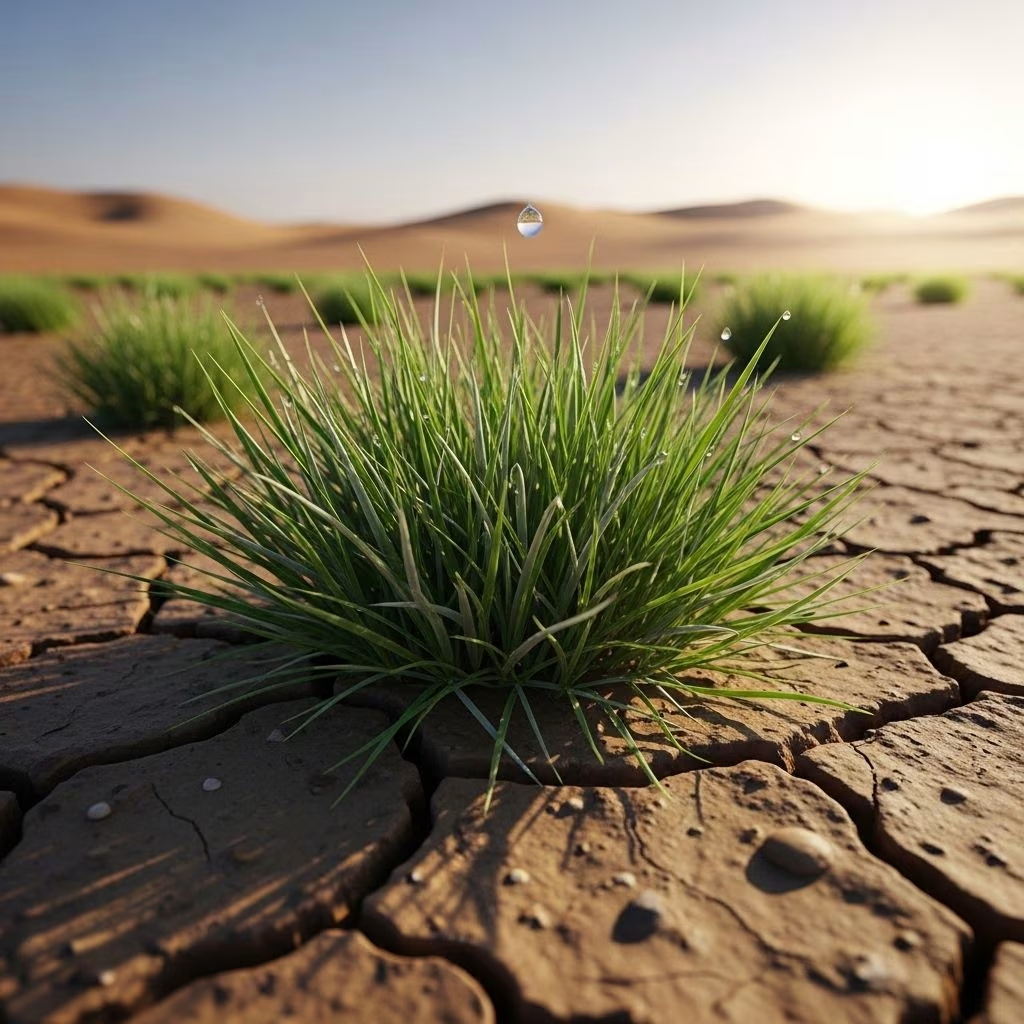
Despite these hurdles, many plants have developed mechanisms to adapt to harsh environments—making them ideal candidates for your garden.
Best Practices for Gardening in Poor Soil
- Identify your plant hardiness zone—Understanding your zone helps you pick species best suited to your local climate.
- Consider soil amendments only as needed—Many poor soil plants prefer unaltered conditions.
- Mulch liberally—Mulching adds organic matter over time and protects roots from extreme temperatures.
- Group plants with similar needs for water and light to optimize success and minimize resource waste.
- If in a drought-prone zone, select plants that conserve water and help stabilize the soil.
The Advantages of Choosing Poor Soil Plants
- Low maintenance—No complex fertilization or watering schedules.
- Resilient to climate and site variation.
- Beneficial for attracting pollinators and wildlife.
- Help prevent soil erosion and improve ground structure over time.
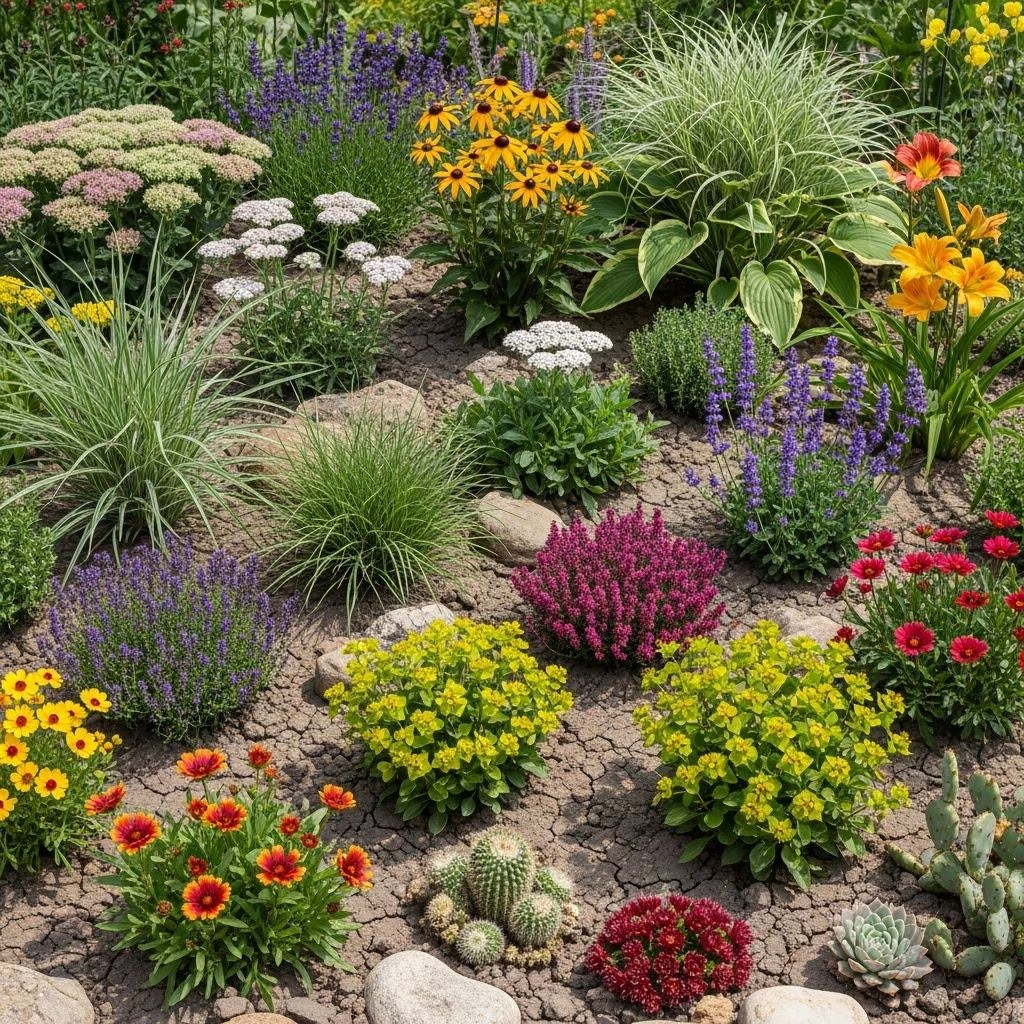
21 Plants That Grow Heartily in Poor Soil
This curated selection covers annuals, perennials, shrubs, and groundcovers, each renowned for their tenacity in challenging soils.
| Plant Name | Type | Hardiness Zone | Main Strengths |
|---|---|---|---|
| Yarrow (Achillea millefolium) | Perennial | 3-9 | Drought tolerant, pollinator magnet |
| Lavender (Lavandula spp.) | Perennial shrub | 5-9 | Resistant to poor, rocky soils; fragrant blooms |
| Black-Eyed Susan (Rudbeckia hirta) | Perennial | 3-9 | Thrives in dry, sandy soil; vibrant color |
| Russian Sage (Perovskia atriplicifolia) | Perennial | 4-9 | Tolerates dry, poor soil; attracts bees |
| Daylily (Hemerocallis) | Perennial | 4-9 | Adapts to a range of soils; continuous blossoms |
| Coreopsis | Perennial/Annual | 4-9 | Tough, blooms prolifically, attracts butterflies |
| Tickseed (Coreopsis verticillata) | Perennial | 5-9 | Handles rocky, sandy conditions |
| Sedum (Stonecrop) | Succulent/Perennial | 4-9 | Drought-resistant; forms dense mats |
| Coneflower (Echinacea) | Perennial | 3-9 | Thrives with minimal care; medicinal uses |
| Butterfly Weed (Asclepias tuberosa) | Perennial | 4-9 | Attracts pollinators; drought tolerant |
| Lamb’s Ear (Stachys byzantina) | Perennial | 4-9 | Low water needs; soft silver foliage |
| Euphorbia (Spurge) | Perennial | 6-9 | Tolerates dryness and poor nutrients |
| Barrenwort (Epimedium) | Perennial | 5-8 | Grows in dry shade and tough spots |
| California Poppy (Eschscholzia californica) | Annual | 6-10 | Good for sandy, dry areas; bright flowers |
| Bee Balm (Monarda) | Perennial | 3-9 | Thrives on neglect; attracts hummingbirds |
| Dianthus | Perennial/Annual | 3-9 | Tolerates rocky, sandy soils; fragrant |
| Creeping Jenny (Lysimachia nummularia) | Perennial groundcover | 4-8 | Fills gaps in poor soils, weed suppressor |
| Sweet Alyssum (Lobularia maritima) | Annual | 9-11 | Quick bloom, tolerates sandy, poor soil |
| Fescue (Festuca spp.) | Grass perennial | 4-7 | Low-maintenance ornamental grass for erosion control |
| Blanket Flower (Gaillardia) | Perennial | 3-10 | Handles sand and drought; intense color |
| Santolina (Lavender Cotton) | Shrub | 6-9 | Silvery foliage, withstands dry, lean soil |
Improving Poor Soil Without Heavy Investment
If you want to boost your soil’s health even as you grow resilient plants, use these approaches:
- Use cover crops (e.g., field peas & oats) to fix nitrogen and supply organic material.
- Mulch with organic matter (leaves, straw) to slowly improve fertility and structure.
- Rotate plants to minimize nutrient depletion and give soil time to recover.
- Limit synthetic fertilizers—they provide only quick fixes and don’t solve core issues.
- Investigate raised beds or Hugelkultur methods to supplement poor native soils.
How Cover Crops Help Transform Poor Soil
Cover crops such as field peas and oats build the soil by:
- Supplying nitrogen via pea plant root nodules
- Suppressing weeds and improving topsoil structure
- Providing organic mulch when tilled back into the ground
Creative Ideas for Beautiful Gardens in Poor Soil
- Mix native and wildflowers adapted to your local region.
- Use ornamental grasses for texture and erosion control.
- Plant in layers, combining groundcovers with taller perennials to maximize root use and water efficiency.
- Incorporate stones, boulders, and mulch for visual interest and weed reduction.
Frequently Asked Questions (FAQs)
Q: What is considered poor soil, and can anything grow there?
A: Poor soil is ground lacking sufficient nutrients or organic matter to support typical plant growth. However, many resilient plant species can grow and even thrive under such conditions.
Q: Are there any vegetables that grow in poor soil?
A: While most vegetables prefer rich soil, some, such as collards, mustard greens, and carrots, can tolerate less-than-ideal conditions if amended with organic matter.
Q: How can I know if my soil is poor?
A: Look for signs such as stunted growth, yellowing leaves, sandy or compacted texture, or visible lack of organic debris. Soil tests can confirm mineral or nutrient deficits.
Q: Should I add synthetic fertilizer to poor soil?
A: Synthetic fertilizers provide immediate nutrients but do not remedy underlying problems. Choose organic amendments or plant resilient species for lasting improvement.
Q: Can poor soil ever be improved naturally?
A: Yes. Over time, using cover crops, organic mulches, and adding compost will increase fertility and structure. Avoid compaction by minimizing disturbance.
Final Thoughts
Gardening in poor soil is far from hopeless. By selecting plants adapted to dryness, low nutrients, or rocky ground, you can create a thriving landscape with minimal intervention. Employing natural soil-building strategies and embracing native or wild varieties ensures your garden will be resilient for years to come.
With creativity and a bit of patience, poor soil can serve as the foundation for a healthy, beautiful, and diverse garden ecosystem. What will you grow first?