31 Self-Seeding Perennial Flowers to Grow This Season
Struggling with empty or lackluster corners in your garden? Embrace the magic of self-seeding perennials. These hardy plants not only grace your garden beds with vibrant color and texture each year, but also spread effortlessly, filling gaps and evolving your landscape naturally.
Read on for 31 exceptional self-seeding perennial flowers that deliver enduring beauty and minimal maintenance.
Why Choose Self-Seeding Perennials?
- Low Maintenance: They return every year without the need to replant.
- Naturalizing: Self-seeders adapt to your garden’s ecosystem, making spaces look fuller and more established.
- Cost Effective: You buy or plant once and enjoy continual rewards.
- Supports Pollinators: Many self-seeding perennials attract bees, butterflies, and beneficial insects.
With just a little planning and patience, you can transform your planting beds into thriving, ever-changing tapestries of color. Just remember: For self-seeders to thrive, avoid excessive deadheading and allow some spent flowers to set and drop seed.
What Are Self-Seeding Perennials?
Self-seeding perennials produce seeds at the end of their flowering cycle. Unlike annuals, which complete their lifecycle in one season, perennials come back year after year. When these perennials are left to seed, their progeny sprout around the parent plant, naturally expanding your garden with minimal effort.
It’s important to note that in rare cases, some cultivars grown from self-seeding might differ in color or form from the parent due to genetic variation. Still, most gardeners celebrate these surprises as part of the evolving garden landscape.
Top 31 Self-Seeding Perennial Flowers
Below you’ll find a curated list of thirty-one fantastic self-seeding perennials, each with its signature charm and garden value.
- Columbine (Aquilegia spp.)
A cottage garden staple, columbines produce whimsical, spurred flowers in spring. Leave spent blooms to scatter seeds for a patchwork of colors year after year. - Black-Eyed Susan (Rudbeckia hirta)
Known for their golden daisy-like blooms with dark eyes, these cheerful flowers thrive in sun and easily naturalize. - Forget-Me-Not (Myosotis spp.)
Clouds of tiny blue, pink, or white blossoms cover these low-growing biennials and perennials. Note: In some regions, forget-me-nots naturalize vigorously and can become weedy—plant thoughtfully. - Foxglove (Digitalis purpurea)
Tall spires of bell-shaped flowers attract bees and add drama. Let the stalks ripen and drop seeds for new surprises each season. - Purple Coneflower (Echinacea purpurea)
Robust and drought-tolerant, these native wildflowers boast bold, pink-purple petals around a spiky cone. Self-sown seedlings often naturalize in sunny meadows. - Coneflower (Echinacea hybrids)
With newer color varieties, Echinacea hybrids also self-seed, diversifying your plantings from season to season. - Delphinium (Delphinium spp.)
These stately spikes flower in striking blues, pinks, and purples and form new seedlings if you let seed heads mature. Note: Offspring of named cultivars may vary in hue. - Shasta Daisy (Leucanthemum x superbum)
Classic white blooms are easy to grow and spread out naturally, filling spaces with a cheerful display. - Primrose (Primula spp.)
Colorful blooms light up early spring beds. Allow unpicked flowers to drop seeds for fresh clusters in subsequent seasons. - Coreopsis (Coreopsis spp.)
With long-lasting, sunny blooms, coreopsis is carefree, ideal for borders, and welcomes volunteer seedlings for bigger swathes of color. - Daisy Fleabane (Erigeron annuus)
Charming white daisies with yellow centers populate fields and gardens effortlessly. Once established, they’re persistent spreaders. - Yarrow (Achillea millefolium)
Durable and drought-resistant, yarrow’s flat flower clusters in white, pink, or yellow charm pollinators and return reliably by seed. - Lupine (Lupinus spp.)
Distinctive spires in bold blues, purples, pinks, and yellows. Let established plants go to seed to expand your patch year after year. - Candytuft (Iberis spp.)
Small clusters of creamy or white flowers form spring carpets. They reseed themselves in rock gardens and sunny slopes. - Blanket Flower (Gaillardia spp.)
Breathtaking fiery blends of red, orange, and yellow petals return after winter, with offspring adding fresh energy to your garden. - Jacob’s Ladder (Polemonium caeruleum)
Delicate blue and purple flowers hover above ferny foliage, popping up in part-shade settings from dropped seeds. - Verbena (Verbena bonariensis)
Airy purple clusters rise on tall, thin stems. Plants drop plenty of seeds, giving your beds a natural, spontaneous look. - Sweet William (Dianthus barbatus)
An old-fashioned favorite, sweet William offers vibrant pincushion flowers beloved by pollinators and gardeners alike. - Evening Primrose (Oenothera biennis)
Lemon-yellow blossoms open at dusk, thrilling night-flying pollinators. Their seeds ensure repeat performances year after year. - Globe Thistle (Echinops ritro)
Unusual steel-blue globes draw attention and drop seeds for robust new plants—a bee favorite. - Basket-of-Gold (Aurinia saxatilis)
Low-growing golden blooms cascade over walls and rock gardens, self-sowing for easy, continuous coverage. - Hollyhock (Alcea rosea)
Towering spikes in bold hues. While technically biennial, hollyhocks readily self-seed and perpetuate themselves for years. - Gas Plant (Dictamnus albus)
A long-lived, slow-growing perennial with scented, spiky pink or white flowers—carefree once established and eager to drop its seeds. - Maltese Cross (Lychnis chalcedonica)
Brilliant red flower clusters look stunning in sunny beds and persist by natural reseeding. - Bleeding Heart (Dicentra spp.)
Heart-shaped blooms on airy stems. Let them mature for abundant volunteer seedlings in cool, moist soils. - Penstemon (Penstemon spp.)
Spiky blooms in jewel tones appeal to hummingbirds, and dropped seeds bring persistent new growth. - Toad Lily (Tricyrtis spp.)
Spotted, orchid-like late-summer flowers are treasures for shady spots and quietly multiply from seed. - Fox-and-Cubs (Pilosella aurantiaca)
Compact, orange wildflowers for meadows or informal areas, thriving and seeding with minimal care. - Meadow Rue (Thalictrum spp.)
Lacy flowers dance above feathery foliage, with abundant seeds ensuring year-on-year returns. - Pasque Flower (Pulsatilla vulgaris)
Early-spring purple blooms followed by silvery seed heads bring subtle beauty and easy new seedlings. - Euphorbia (Euphorbia spp.)
Unique, textural interest for borders; ornamental forms self-seed and multiply effortlessly (check invasiveness in your area first).
Growing and Managing Self-Seeding Perennials
To maximize success with self-seeding perennials, follow these simple tips:
- Let Seeds Ripen: Avoid deadheading all spent flowers. Leave some to mature and disperse seed naturally.
- Thin as Needed: In the following year, thin out dense patches if seedlings appear too crowded for healthy growth.
- Mulch Lightly: Heavy mulch can block seeds from reaching the soil. Opt for a thin layer or mulch after seedlings have sprouted.
- Monitor Spread: Some self-seeders, like forget-me-nots or Euphorbia, may naturalize vigorously. Monitor and remove excess seedlings if needed to avoid unwanted invasiveness.
Table: Quick Guide to Notable Self-Seeding Perennials
| Common Name | Botanical Name | Bloom Season | Special Notes |
|---|---|---|---|
| Columbine | Aquilegia | Spring | Wide color range, tolerates partial shade |
| Black-Eyed Susan | Rudbeckia | Summer–Fall | Very hardy, attracts pollinators |
| Forget-Me-Not | Myosotis | Spring | Vigorous spreader, best in damp soils |
| Foxglove | Digitalis | Late Spring–Summer | Biennial/perennial, seeds readily |
| Delphinium | Delphinium | Summer | Short-lived, reseeds for longevity |
| Euphorbia | Euphorbia | Spring–Summer | Check for invasiveness regionally |
Tips for Successful Self-Seeding Gardens
- Select Site Carefully: Know your region’s climate and sun patterns. Most self-seeders prefer sun to part shade and well-drained soil.
- Observe Growth: Watch for where volunteers pop up to guide future plantings and create naturalistic drifts.
- Combine Strategically: Blend with other perennials and bulbs for all-season interest and blooming succession.
Self-Seeding Perennial Garden Design Ideas
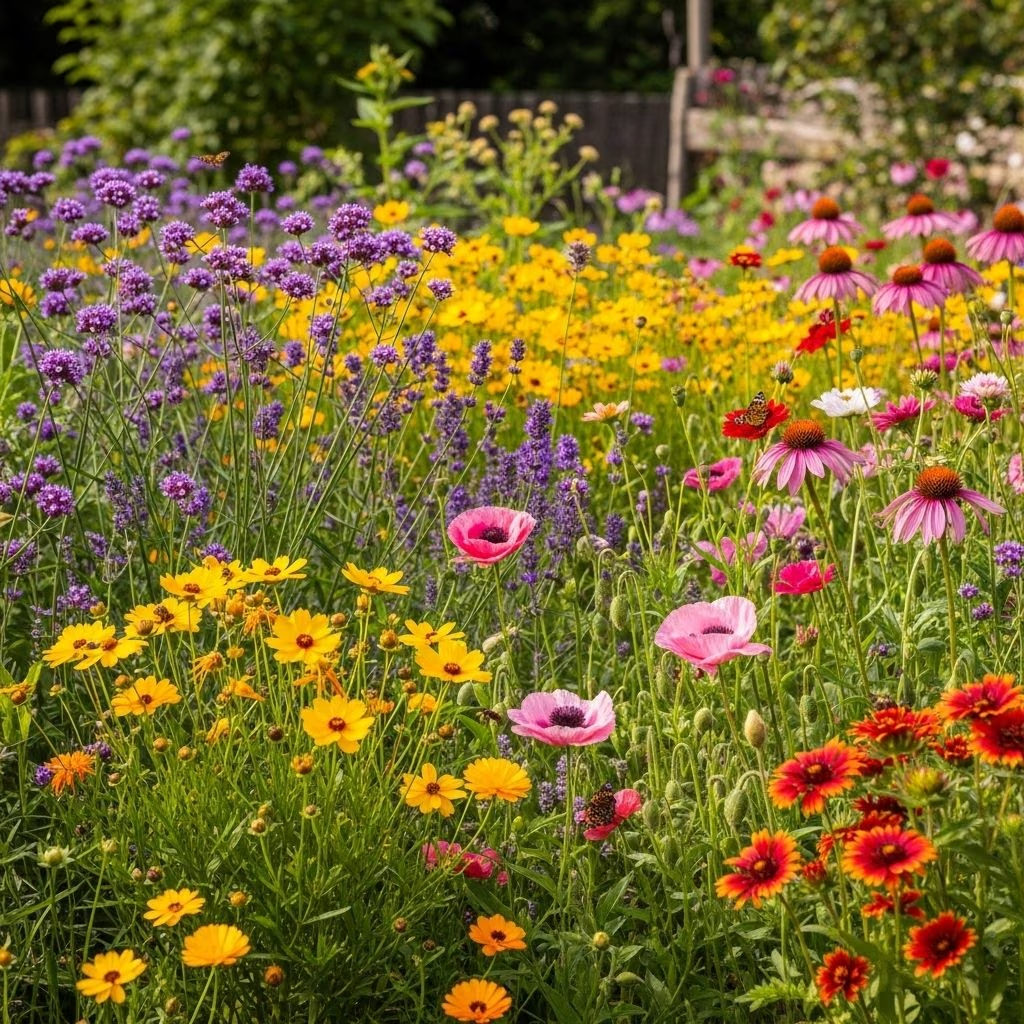
- Wildflower Meadows: Naturalize low-maintenance areas with masses of coneflower, coreopsis, yarrow, and blanket flower.
- Cottage Style Beds: Mix columbine, foxglove, sweet William, and Shasta daisies for romance and color.
- Pollinator Borders: Create bee- and butterfly-friendly plantings with lupines, verbena, and echinacea.
- Shady Corners: Brighten with toad lilies, bleeding heart, and primrose volunteers.
Frequently Asked Questions (FAQs)
Q: Can self-seeding perennials become invasive?
A: Some, like forget-me-not and certain Euphorbia species, may self-seed prolifically and spread beyond their intended area. Research your chosen plant’s behavior in your region and monitor seedlings, removing extras as needed.
Q: How do I encourage self-seeding in perennials?
A: Allow faded flowers to remain on the plant until seeds mature and disperse. Lightly loosen soil or mulch to help seeds contact earth for germination.
Q: Will seedlings look the same as the parent plant?
A: Seedlings of named cultivars may not always match the parent in color or height due to genetic variability, but most types remain true to type or pleasantly surprise gardeners with fresh variations.
Q: When should I thin out self-sown seedlings?
A: Thin seedlings in early spring, when they’re a few inches tall and before roots become entwined. This prevents overcrowding and supports robust blooms.
Q: Are self-seeding perennials suitable for beginners?
A: Absolutely! These low-maintenance plants are ideal for gardeners seeking long-lasting blooms with minimal fuss. Just start with 2–3 reliable varieties, monitor their spread, and adjust as you gain experience.