The Definitive Guide to Digital pH Meters and Test Kits for Gardening
Measuring soil and water pH is fundamental for optimizing plant growth, nutrient uptake, and overall garden health. This comprehensive guide explores the best digital pH meters and test kits for hobbyist and serious gardeners, providing detailed comparisons, buying advice, feature breakdowns, and answers to frequently asked questions. Whether growing in traditional soil beds or hydroponics, the right pH meter helps unlock vibrant growth by maintaining the optimal environment for your plants.
Why Test pH in the Garden?
The pH level of your garden soil or hydroponic solution directly affects nutrient availability, root development, and the health of your plants. Many soil nutrients become inaccessible if pH is too acidic or alkaline, and specific plants thrive within distinct pH ranges. Routine testing arms gardeners with actionable data to amend soil or solution and avoid wasted effort, resources, and amendments.
- Optimal nutrient absorption occurs within a certain pH window for most vegetables, herbs, and ornamentals.
- Hydroponic gardens demand even stricter pH control, as water chemistry directly affects roots.
- Avoiding problems like chlorosis, poor fruiting, and stunted growth often comes down to pH adjustment.
Types of pH Testers: Digital Meters Versus Test Kits
Modern gardeners generally choose between two main types of pH testing technology:
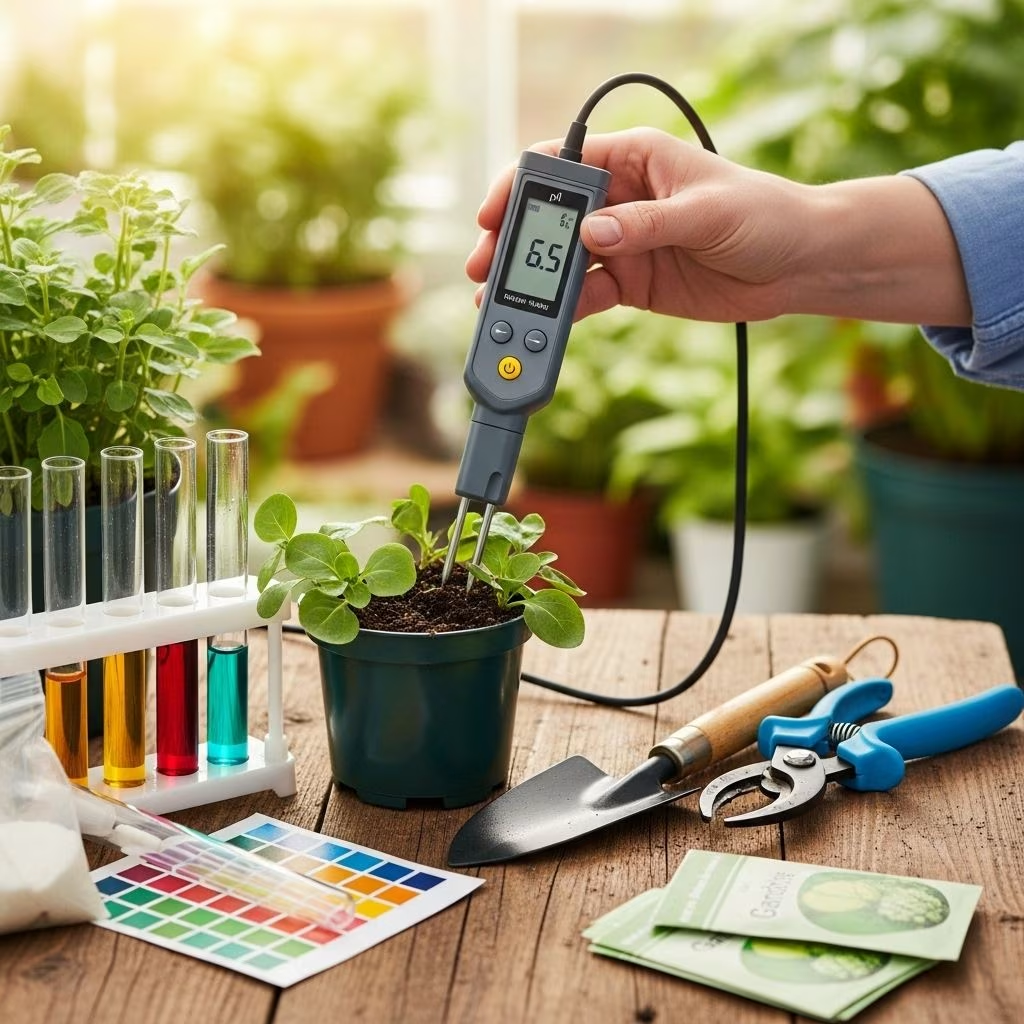
- Digital pH Meters: Electronic probes for direct measurement with numerical readouts. These are fast, precise, and reusable.
- Manual Test Kits: Tubes or capsules combining reagents with soil or water samples, offering a colorimetric (color-based) indication of pH.
Each method has its place depending on budget, required accuracy, and ease of use.
Digital pH Meters
- Provide quick, readable results typically shown on a backlit digital display.
- May offer additional measurements, like Total Dissolved Solids (TDS) or temperature.
- Require periodic calibration for best accuracy.
- Suitable for regular monitoring in soil, hydroponics, and aquaponics.
Manual pH Test Kits
- Frequently use capsules with indicator chemicals and test tubes, producing a color reaction representing solution pH.
- Simple, very portable, and do not require batteries.
- Less precise than digital meters, but excellent for occasional spot-checking.
- No calibration required, but subject to subjective interpretation of colors.
Key Features to Consider When Choosing a pH Meter
To select the best digital pH meter for your garden, review the following features before purchasing:
- Accuracy: Look for meters with accuracy to at least ±0.1 pH, and ideally ±0.05 pH for hydroponics or serious soil testing.
- Ease of Calibration: Fast, multi-point calibration with provided solutions streamlines maintenance and maintains precision.
- Automatic Temperature Compensation (ATC): Adjusts readings to account for variable sample temperatures, critical for both soil and hydroponic testing.
- Measurement Range: Choose a meter with a full garden-relevant range (usually pH 0–14).
- Battery Life and Power: Features like auto shut-off reduce wasted battery power, especially for meters with bright screens.
- Waterproofing: Ensures longevity if using for hydroponics or in moist garden environments.
- Build Quality: Durable casings and quality electrodes survive repeated use and rough handling.
Top 5 Digital pH Meters for Gardeners
Drawing from expert reviews, user feedback, and gardening community recommendations, these are the most trusted digital pH meters and testers of 2024:
| Model | Type | Accuracy | Features | Best For |
|---|---|---|---|---|
| Vivison pH Meter Combo | Digital (pH + TDS) | ±0.05 pH | Automatic calibration, backlit display, TDS measurement, auto shut-off | Hydroponic systems, soil, water quality, all-rounder |
| APRA AI-209 Waterproof pH Tester | Digital | ±0.1 pH | Automatic temperature compensation, easy calibration, waterproof | Hydroponics, pond water, garden soil |
| Professional-Style Digital pH Probe | Digital (Lab grade) | ±0.01 pH | Replaceable electrode, multi-point calibration | Serious testing, labs, advanced gardening |
| Budget Digital pH Meter | Digital | ±0.1–0.2 pH | Simple design, easy calibration, compact | Occasional home use, beginners |
| Basic pH Soil Tester Kit | Manual (Color reagent) | Color scale (approximate) | Capsules, tube, color chart | Quick spot checks, non-digital backup |
How to Use a Digital pH Meter
Follow these steps for reliable results when testing with digital pH meters:
- Prepare the sample by collecting garden soil or water in a clean container. For soil, mix with distilled water for accurate measurement.
- Turn on the meter and ensure it’s recently calibrated.
- Immerse the probe fully in the sample and wait for the reading to stabilize.
- Record the pH displayed. Rinse the probe with distilled water after each measurement to prevent contamination or residue buildup.
- Repeat as needed for different soil beds or water sources.
Calibration: Keeping Your pH Meter Accurate
Calibration is essential for getting optimal accuracy from digital pH meters:
- Use supplied buffer solutions (often pH 4.0, pH 7.0, and pH 10.0).
- Follow manufacturer instructions: typically you’ll rinse the probe, immerse it in buffer liquid, and press the calibration button until the display locks on the standard value.
- Calibrate monthly for regular use, and always before important measurements or if the meter hasn’t been used for a while.
- Replace calibration solutions as directed, since old solutions can drift, leading to inaccurate calibration.
Care and Maintenance for Digital pH Meters
Proper care dramatically extends the lifespan and reliability of a pH meter:
- Never let the probe dry out. Store meters with caps or in electrode storage solution if required by the manufacturer.
- Rinse in distilled water before and after every use—minimizes cross-contamination.
- Change batteries regularly. Utilize auto shut-off if available to conserve power.
- Keep the device away from caustic chemicals and extremes of temperature.
- If readings seem erratic, recalibrate or check for salt/soil deposits on the probe.
Hydroponics and pH Testing
Hydroponic gardens depend even more critically on pH control. Without soil buffers, water chemistry can rapidly swing and stress plants:
- Hydroponic plants typically require pH zones of 5.5 – 6.5. Regular measurement is essential for fruiting, leafy greens, and herbs.
- Some digital meters combine pH and TDS/EC readings—these dual-purpose testers are extremely helpful in hydroponics, allowing monitoring of both acidity and nutrient load.
- Choose waterproof, ATC-equipped meters for the humid, variable conditions in hydroponic setups.
Manual Soil pH Testing: Quick, Cheap, Effective?
Manual soil test kits remain popular for occasional gardeners and those seeking quick yes/no answers:
- Use a provided capsule or tablet with a sample of soil and pH-neutral water in a test tube.
- After shaking, let the mixture settle, then match the color produced against a scale—this gives the approximate pH.
- While not as precise as digital readers, manual kits are cheap, battery-free, and ideal for rapid checks across large gardens.
Budget vs. Premium pH Testers: Should You Spend More?
Is that higher price tag justified? Both beginners and experts consider a mix of factors before buying:
- Budget meters offer decent accuracy for routine checks but may drift between calibrations or struggle at extremes.
- Premium or lab-grade meters are built for longevity, with replaceable probes, high-resolution displays, and often advanced features (like EC/TDS and temperature).
- If you garden extensively or run a hydroponic system, investing in quality meters saves time, money, and avoids mysterious plant failures.
- For sporadic use—occasional soil checks, infrequent water measurements—a basic tester may suffice.
Tips for Reliable and Accurate pH Testing
- Calibrate regularly—even premium meters drift over time.
- Sample at the correct depth: Root-level soil often differs in pH compared to surface soil.
- Use clean, deionized or distilled water for mixing soil samples and rinsing probes.
- Test multiple garden locations to identify problem spots and amend accordingly.
- Store all test kits and meters according to manufacturer directions for long-term reliability.
Common Problems and Troubleshooting
- If your meter reads erratically, try recalibrating or cleaning the probe thoroughly.
- Manual kits may be affected by colored soils, organic matter, or water impurities. Use purified water and follow kit directions exactly.
- For unusually high or low readings, double-check with a different method, and adjust garden amendments only after confirming accurate data.
Alternatives and Complementary Tools
- Soil electrical conductivity (EC) meters gauge nutrient density and can complement pH readings, especially for hydroponic gardeners.
- Lab soil analysis services offer exhaustive breakdowns of nutrient profile, pH, and contaminants—useful for baseline periodic testing.
- Simple moisture meters (not pH meters) are also valuable but shouldn’t be confused with pH testers.
Frequently Asked Questions (FAQs)
Q: How often should I test pH in my garden?
A: For containers and hydroponics, test weekly or more often. For soil beds, check at the start of each season and after major amendments.
Q: Are digital pH meters better than manual test kits?
A: Digital meters provide superior accuracy and convenience, but manual kits are handy for quick, battery-free checks and as a comparison tool for results.
Q: What is Automatic Temperature Compensation (ATC) and why does it matter?
A: ATC allows the meter to adjust for sample temperature, making readings more accurate under variable conditions—especially important for outdoor and hydroponic use.
Q: How do I know if my pH meter needs calibration?
A: Calibrate monthly, after prolonged storage, and if readings seem inconsistent or if you test extreme pH values.
Q: Can I use the same pH meter for soil and water?
A: Most digital meters work for both, provided you clean and rinse the probe between tests and avoid heavy solids that may clog the sensor.
Q: My soil pH looks fine, but plants are still struggling. Why?
A: Other factors, such as nutrient imbalances, compaction, moisture, or root disease, may also affect plant growth. pH is just one (very important) factor to monitor.
Conclusion: The Smarter Garden Starts with pH Testing
Mastering pH measurement—whether through a trusted digital meter or a tried-and-true test kit—is a key skill for every gardener. The best digital pH meters combine accuracy, durability, and ease of calibration. Manual test kits offer a quick, budget-friendly alternative for cross-checks and spot tests. By regularly monitoring and adjusting pH, you create the foundation for abundant harvests, healthy ornamentals, and a more resilient garden ecosystem.