Blue Orchids: Fact, Fiction, and Botanical Beauty
Blue orchids captivate plant lovers and flower collectors worldwide, often evoking questions about their origins and authenticity. Are these ethereal blue blooms found in nature, or are they the result of clever horticultural enhancement? This comprehensive guide uncovers the truth about blue orchids, explores genuine blue species, unravels how commercial blue orchids get their hue, and provides expert advice on cultivating and caring for these unique plants.
Are Blue Orchids Real?
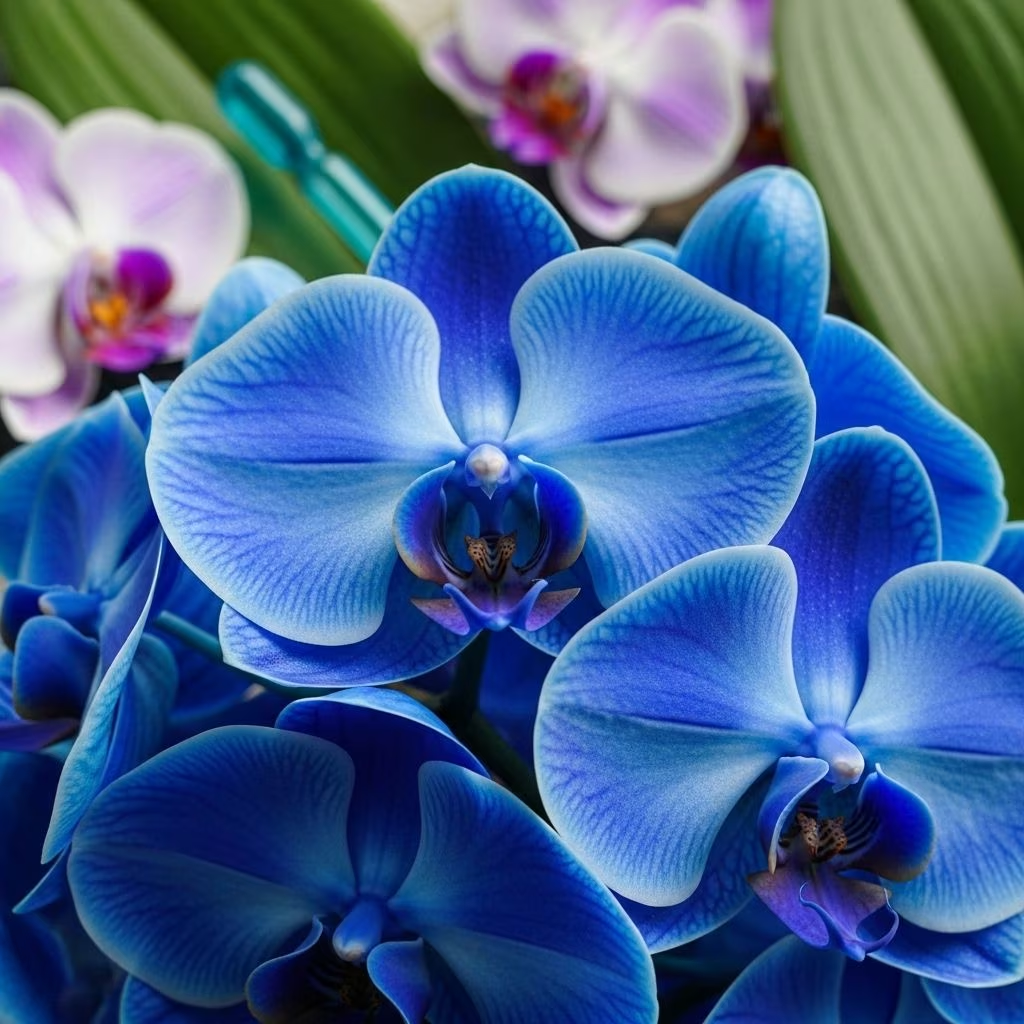
Blue orchids have a reputation for rarity and striking appearance, but the reality behind their blue color is nuanced. While there are very few naturally blue orchid species, the vivid blue Phalaenopsis orchids seen in stores are almost always dyed rather than naturally colored.
- Most commonly sold blue orchids, especially Phalaenopsis (moth orchids), are originally white-flowered plants that have been infused with blue dye.
- The dye injection technique transforms the blooms, but the color is temporary and not a true genetic expression.
- There are very rare wild orchid species with naturally blue flowers, such as the Blue Vanda (Vanda coerulea) and Thelymitra crinite.
What Makes Orchid Blue?
The dazzling blue color in most potted orchids is achieved by injecting blue dye directly into the plant’s stem or using a blue pigment in the watering process. This transforms the existing white flowers into various shades of blue, often resulting in a very vivid and unnatural hue not found in nature.
Clues that a blue orchid has been dyed include:
- Uneven coloration: Some petals look more intense or patchy than others.
- Intense pastel or neon blue shades not seen in wild orchids.
- The base of petals or flower spike may still show traces of the original white or green color.
The Blue Orchid Dyeing Process
The method used to create blue orchids relies on the unique absorption qualities of orchid stems. Here’s how it works:
- Selection: White-flowered Phalaenopsis are chosen for their responsiveness to dye and their lack of pigment.
- Dye Injection: Blue water-based dye is injected into the flowering stem. This may take a few hours as the plant absorbs the dye and distributes it to the petals.
- Alternative Dye Methods: Less commonly, a blue pigment or even food coloring is added to the watering process or used in a soaking bath. These methods may result in less vivid or more uneven results.
Once the flowers fade and new buds are produced, the blue color does not reappear—the plant reverts to blooming white flowers only.
| Aspect | Dyed Blue Orchid | Naturally Blue Orchid |
|---|---|---|
| Color Longevity | Temporary (only current blooms) | Permanent (for the species) |
| Color Distribution | Often uneven, sometimes patchy | Even and natural |
| Availability | Common in nurseries and supermarkets | Very rare and seldom sold |
| Common Species | Phalaenopsis | Vanda coerulea, Thelymitra crinite |
| Price | Moderate | Expensive or not commercially available |
The Myth of the Natural Blue Orchid
Many are surprised to learn that genuine blue is a rare color in the world of flowering plants. Orchids are no exception, with only a handful of species showing any true blue hue. In most garden centers and floral shops, the blue orchids seen are not naturally occurring and have been artificially colored.
Notable Naturally Blue Orchid Species
- Vanda coerulea (Blue Vanda): This species produces beautiful, delicate blooms in bluish-violet shades. It’s prized by orchid enthusiasts and is one of the few true blue orchids.
- Thelymitra crinite (Blue Lady Orchid): A rare, striking wild orchid native to Australia with remarkable blue flowers.
- Dendrobium victoria-reginae: This species features bluish to purplish blooms and can sometimes show blue tones depending on environmental factors.
These species are not readily available commercially and require specific conditions to thrive, making them a collector’s prize rather than a common houseplant.
Common Varieties Used for Blue Dyeing
The most widely used orchid for creating blue-dyed blooms is the Phalaenopsis orchid—often called the moth orchid—due to its popularity, ease of cultivation, and neutral flower color. Phalaenopsis are repeat bloomers, capable of producing multiple flower spikes every year under the right conditions.
What Happens After the Flowers Drop?
Once the blue-dyed flowers drop, any new blooms emerge in the plant’s original color—almost always white. The dye process does not alter the orchid’s genetics, so subsequent flower spikes remain undyed unless the coloring process is repeated.
How to Tell if a Blue Orchid Is Dyed
- Blooms look extremely vivid or display unnatural shades of blue.
- Color appears more concentrated in some areas, often with lighter or white patches near the flower base.
- Flower stems or roots may bear telltale signs of dye used during the coloring process.
Care Tips for Blue Orchids
Whether dyed or not, Phalaenopsis orchid care is largely the same. However, dyed orchids may be more sensitive shortly after coloring, so it’s crucial to ensure optimal conditions.
Light
- Provide bright, indirect light for at least 1-3 hours daily. Avoid harsh, direct sunlight which can scorch the leaves.
- East or west-facing windows work best for indoor orchids.
Temperature and Humidity
- Daytime temperatures: 65-75°F (18-24°C)
- Nighttime temperatures: 55-65°F (13-18°C)
- Humidity: Aim for 40-85%; use a humidity tray or regular misting during dry seasons.
Watering
- Water thoroughly every 7-14 days, allowing the potting medium to dry slightly before watering again.
- Avoid overwatering; roots are prone to rot if kept too wet.
- Do not use ice cubes as a watering method—the cold can shock the roots and stress the plant.
Fertilizing
- Feed orchids with a balanced, water-soluble fertilizer every two to four weeks during the growing season.
- Reduce or stop fertilizing during winter months when growth naturally slows.
Potting and Medium
- Use a specialized orchid bark mix for optimal aeration and drainage.
- Repot every 1-2 years, or whenever the mix breaks down.
- Avoid letting roots sit in water or soggy media.
Flower Spike Care
After dyed flowers fade, cut the flower spike close to the base to encourage healthy regrowth. Over time, continue standard Phalaenopsis care practices for future blooms.
The Allure and Drawbacks of Blue Orchids
There’s no denying the visual appeal of a blue orchid, but buyers should understand that this appearance is temporary if it is not a rare wild species. While blue-dyed orchids offer an affordable way to enjoy this unique color, horticultural purists may prefer hunting for the elusive, naturally blue varieties.
Pros
- Stunning, attention-grabbing color for home or event decoration.
- Easy to grow compared to many exotic wild orchids.
- Accessible and widely available in nurseries and supermarkets.
Cons
- Color is not permanent; future blooms revert to white.
- Potential stress to plant from dyeing process.
- Risk of disappointment if purchaser expects a genetically blue plant.
Frequently Asked Questions (FAQs)
Q: Can I dye an orchid blue at home?
A: Yes. While the most effective dye process is done commercially by injecting dye into the flower spike, you can attempt to create blue flowers at home by adding blue food coloring to the water for a white Phalaenopsis. However, the color may turn out less vibrant and more uneven than store-bought blue orchids.
Q: Are there any blue orchids that grow naturally?
A: Yes, but very few. The Blue Vanda (Vanda coerulea) and the Blue Lady Orchid (Thelymitra crinite) are among the rare true blue orchids found in nature. They are seldom available for purchase and require specific growing conditions.
Q: Will my blue orchid rebloom blue in the future?
A: No. Blue-dyed orchids will always revert to their original flower color (usually white) when they rebloom. The blue color is only present on the flowers that were present during the dyeing process.
Q: Is the dye safe for the orchid?
A: The water-based dyes used are generally safe if applied carefully, but repeated dyeing or poor aftercare can weaken the plant or cause stress. Focus on excellent care practices to help the plant recover.
Q: How do I keep my dyed orchid flowers lasting longer?
A: Provide bright, indirect light, maintain proper humidity, avoid drafts, and water only when the medium dries out. Remove dead flower spikes after blooming to encourage future growth.
Conclusion: The Lasting Appeal of Blue Orchids
Blue orchids mesmerize with their exotic coloration, but understanding the distinction between dyed and naturally blue species is key for any grower or collector. While most blue orchids seen on the market are just clever works of horticultural artistry, they remain a favorite for anyone seeking a unique floral display. Proper care can help you enjoy these blooms for many seasons—regardless of color. For those seeking a true blue rarity, the challenge and reward of growing an authentic blue orchid can be a cherished experience.