Gardening 101: Safflower
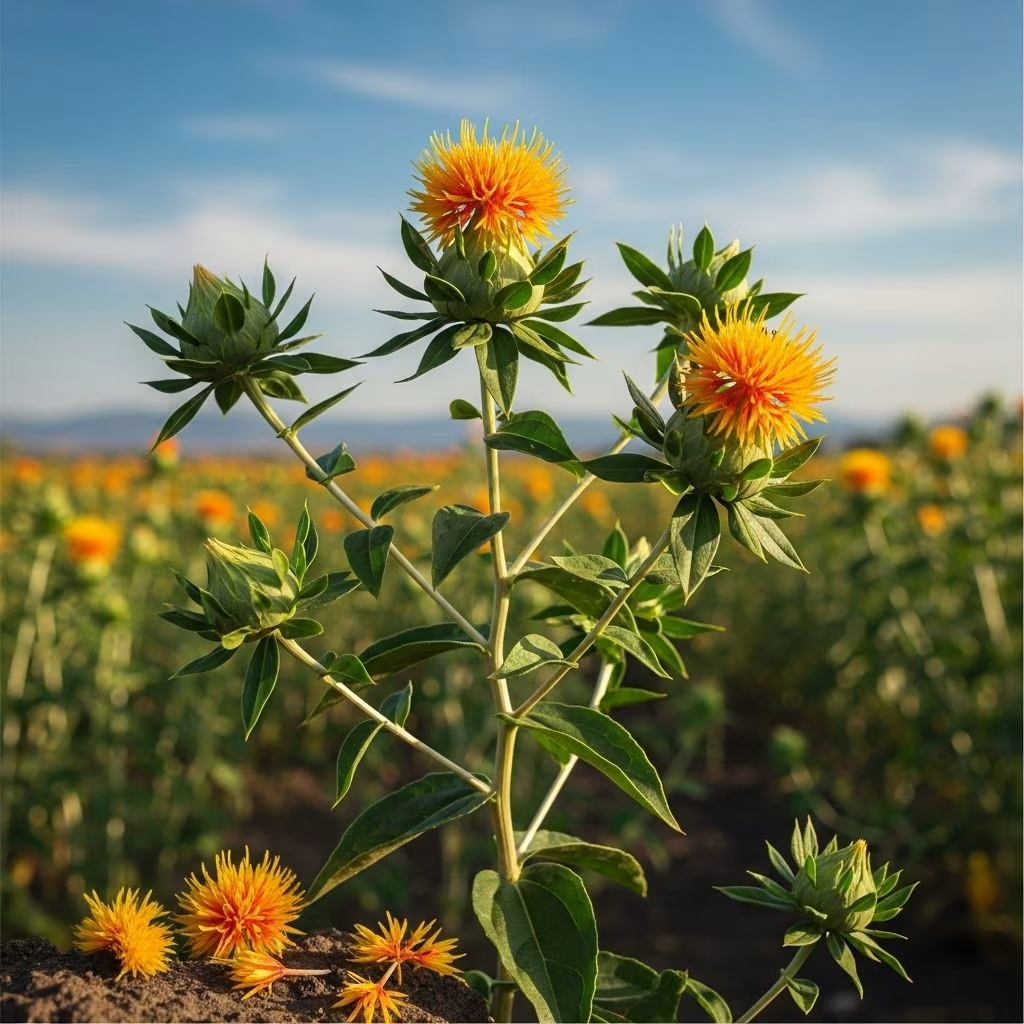
Safflower (Carthamus tinctorius) is a vibrant annual with a dramatic, thistle-like bloom that flourishes in dry, sunny locations. While once prized for its dye and culinary oil, safflower is now an underappreciated garden plant with appeal for both flower beds and floral arrangements. This detailed guide explores the origins, cultivation, maintenance, and practical uses for safflower in the modern garden.
What is Safflower?
Safflower is a hardy annual belonging to the Asteraceae (sunflower) family, renowned for its spiny green foliage and vivid blooms ranging from yellow and orange to red. It can reach heights of up to 3 feet (90 cm), thriving in the hottest and driest conditions many garden favorites cannot withstand.
- Botanical Name: Carthamus tinctorius
- Common Names: Safflower, false saffron
- Type: Annual flowering plant
- Flower Color: Orange, yellow, red
- Season of Interest: Early summer to fall
Cheat Sheet – Safflower at a Glance
- Best For: Sunny borders, cut flower arrangements, dried bouquets
- Height: 18 to 36 inches; upright and branched
- Spread: 12 to 24 inches wide; avoid overseeding
- Sun/Shade: Full sun is essential; partial shade discouraged
- Soil Needs: Well-drained, fairly poor soils preferred; avoid rich, damp soils
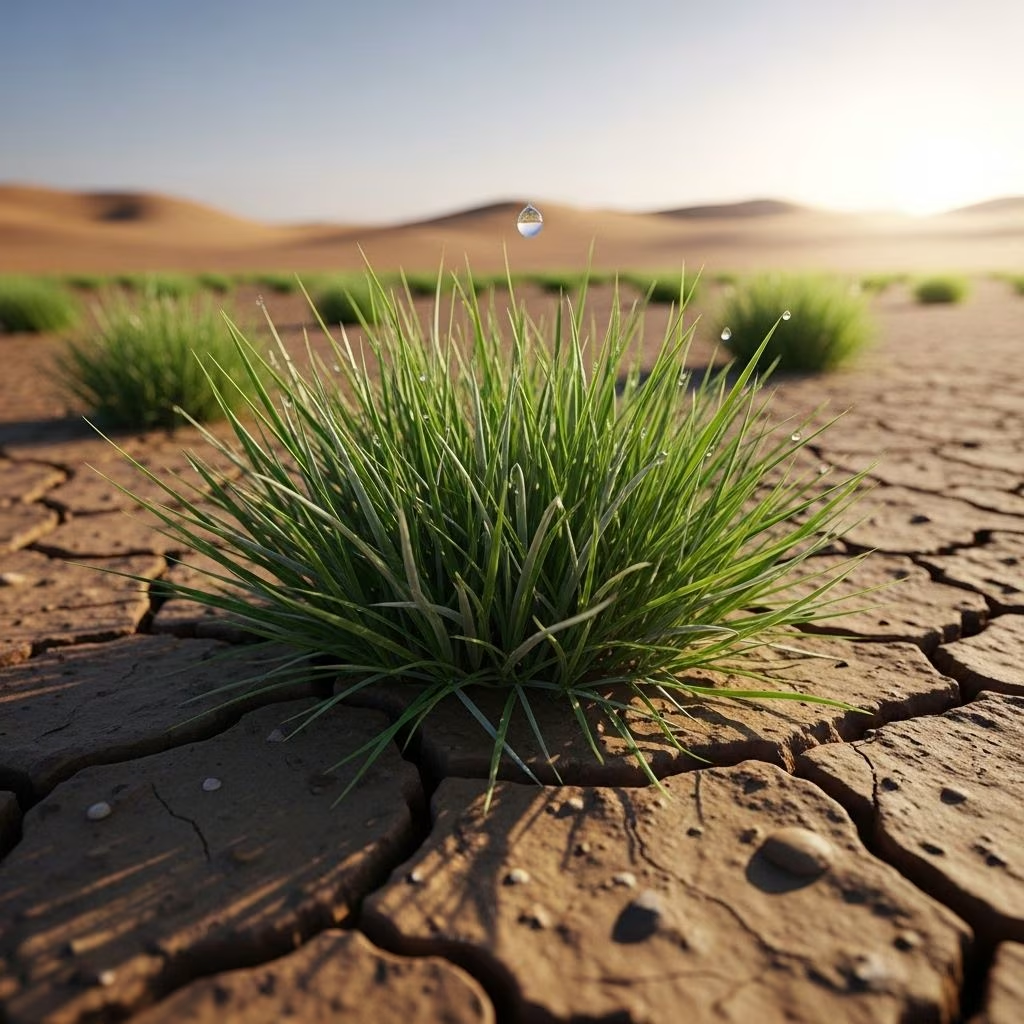
- Water Requirements: Drought-tolerant; once established, requires minimal irrigation
- Potential Drawbacks: Spiny stems and leaves can make handling difficult
Origins and Historical Uses
Safflower is among the world’s oldest cultivated plants, with archaeological evidence tracing its use to ancient Egypt and the Middle East. Its flowers were traditionally harvested for their vibrant dye—known as false saffron—which colored fabrics in shades of yellow and red. The seeds yield a light, flavorless oil still used today in culinary and industrial applications.
- Ancient Dye: Safflower petals were used to dye cloth long before true saffron became widely available.
- Culinary Oil: Safflower oil is pressed from the seeds, praised for its heart-healthy properties.
- Medicinal Folklore: Used historically as a laxative and remedy for various ailments, mostly in traditional Middle Eastern and Asian medicine.
Growing Safflower: Site, Soil, and Planting
Site Selection
Select a site with full sun. Safflower struggles in shaded spaces, growing leggy and producing fewer blooms. Urban and rural gardens alike can support safflower as long as the soil dries out well after rainfall.
Soil Requirements
- Drainage: Safflower thrives in sandy or rocky soils. Heavy clay and rich loam are discouraged due to moisture retention.
- Fertility: Avoid fertilizing; over-fertile soils produce excess leaves while limiting flowers.
- pH Preference: Neutral to slightly alkaline (pH 6.0–7.5)
Planting Safflower
- Seed Sowing: Direct sow outdoors after the last frost. Safflower dislikes transplanting due to its deep taproot.
- Seed Depth: Plant seeds 1–1.5 inches deep and space 4–8 inches apart.
- Watering: Keep seeds moist until germination, then allow soil to dry thoroughly between waterings.
Care and Maintenance
Safflower is a low-maintenance plant when grown in the right conditions. Its growing habits make it a favorite among gardeners who prefer resilient, unfussy flowers.
- Watering: Water sparingly; established plants rarely require supplemental watering except in extreme drought.
- Feeding: Safflower generally does not need fertilization. Excess nutrients favor foliage over bloom.
- Pruning: Deadhead spent flowers for continued blooming. Remove overly dense stems to improve air circulation if mildew appears.
- Support: Tall varieties may require staking, especially if grown in windy locations.
Harvesting and Uses
Safflower flowers are prized for their unique appearance and versatility. Both fresh and dried flowers bring color to arrangements, while seeds offer commercial and culinary value.
Harvesting Flowers
- Pick blooms when petals are fully open, but before they fade. Early morning harvest yields superior freshness.
- Wear gloves—spines on leaves and stems can be uncomfortable.
- Dry the flowers upside down in a cool, dark place for long-lasting arrangements.
Seed Harvest
- Safflower seeds mature in late summer and early fall. Let flower heads dry on the plant, then snip and shake out seeds.
- Store seeds in a cool, dry environment for culinary use or replanting.
Uses of Safflower
- Cut Flowers: Bright, thistle-like blooms are excellent for vase life, lasting well both fresh and dried.
- Natural Dye: Petals yield a yellow-red dye for textiles and crafts.
- Culinary Oil: Extracted from seeds, safflower oil remains a staple for salad dressings and cooking.
- Medicinal: Traditional herbal lore suggests mild medicinal benefits, though modern usage is limited.
Safflower in Floral Arrangements
Safflower’s distinctive color and structure make it a favorite among cut flower enthusiasts and floral designers. The flowers add height, texture, and volume to mixed arrangements.
- Fresh Arrangements: Use newly opened flowers for bold, upright bouquets. Pair with soft foliage and grasses for contrast.
- Dried Arrangements: Safflower holds its form and color well when air-dried, making it ideal for wreaths and long-lasting decor.
- Craft Uses: Dried safflower clusters add a rustic touch to holiday displays, garlands, and table centerpieces.
| Characteristic | Fresh Safflower | Dried Safflower |
|---|---|---|
| Color | Bright orange/yellow | Muted, rustic hues |
| Texture | Glossy, plump | Papery, firm |
| Longevity | 5–10 days | Several months |
| Uses | Bouquets, centerpieces | Wreaths, craft projects |
Companion Planting
Safflower fits well into wildflower borders, Mediterranean gardens, and as a practical backdrop to edibles. Its deep taproot and minimal watering needs make it a superb companion for:
- Lavender: Also thrives in dry, poor soil.
- Salvia: Offers complementary bloom color and similar requirements.
- Poppies: Good neighbor for early summer interest.
- Sunflowers: Similar growing habits and pest resistance.
Common Pests and Diseases
Safflower’s resilience means few serious pests or diseases affect healthy plants. However, gardeners should watch for:
- Mildew: Appears in overwatered or overcrowded conditions. Improve air flow and reduce watering.
- Aphids: Occasionally infest stems. Hose off or treat with mild insecticidal soap.
- Root Rot: Occurs only in poorly drained soils; prevention is key.
Frequently Asked Questions (FAQs)
Q: Is safflower easy to grow for beginners?
A: Yes. Safflower is among the easiest annuals to grow, especially in full sun and free-draining soil. It tolerates neglect and is highly drought resistant.
Q: Can you grow safflower indoors?
A: Safflower is not recommended for indoor pots—it requires ample root space and intense sunlight, best provided outdoors.
Q: How do I harvest safflower seeds for replanting?
A: Allow flower heads to brown and dry naturally on the plant, then gently remove and thresh seeds for next year’s sowing.
Q: Are safflower flowers edible?
A: While safflower petals are used as a food coloring substitute for saffron, they are not consumed in significant quantity. The seeds, however, yield edible oil.
Q: Why does safflower sometimes fail to bloom?
A: Most often, excessive soil moisture or shade cause poor bloom. Ensure optimal sun exposure and soil drainage.
Key Takeaways
- Safflower brings vivid color and unique texture to gardens and bouquets.
- It is well suited for regions with dry summers and poor soils.
- Easy to grow with minimal intervention, making it ideal for both novice and experienced gardeners.
- Its historical value as a dye and edible oil highlights its versatility.
- Suitable as both a cut flower and a drought-tolerant landscape plant.
Should You Grow Safflower This Season?
If you seek bold summer color, drought resilience, and stunning dried flowers, safflower stands out as a rewarding choice. Add it to your planting plans—whether as a vivid border in a sun-drenched garden or as the focal flower in your next arrangement.
References
- https://www.gardenista.com/posts/gardening-101-asters-perennial-flowers-plant-care-growing-guide/
- https://www.gardenista.com/posts/gardening-101-coneflowers-echinaceas-plant-care-growing-guide-perennials/
- https://www.gardenista.com/posts/how-to-stretch-the-gardening-season-autumn/
- https://www.instagram.com/reel/Clg80CMolxM/
- https://www.gardenista.com