Hardscaping 101: The Essential Guide to Tree Beds
Tree beds, those defined areas in the landscape where a tree stands apart from lawns, pavements, or hardscape, are critical not only for tree health but also for improving the look and function of both urban streetscapes and private gardens. If well designed and maintained, a tree bed can serve as a vibrant plant showcase, a mini-ecosystem, and an important buffer protecting tree roots from compaction and damage. This definitive guide explores everything you need to know about tree beds—from assessing site constraints to planting strategies, layouts, and long-term care.
What Is a Tree Bed?
A tree bed is a designated area of soil, often open in pavements or hardscape, surrounding a tree’s trunk. While commonly seen in urban environments where trees emerge from the sidewalk, tree beds can be incorporated into residential gardens, courtyards, and patios as aesthetic and ecological features. Their primary purpose is to provide space for a tree’s roots to access air, water, and nutrients, while offering protection from soil compaction and paving stress.
- Provides air and water to tree roots
- Buffers against soil compaction
- Opportunities for underplanting and decorative groundcovers
Benefits of Tree Beds
- Helps retain soil moisture and keeps roots cooler, particularly during summer heat.
- Improves visual appeal by softening hardscape edges and allowing for lush underplanting.
- Prevents soil compaction from foot traffic and vehicles.
- Encourages biodiversity through companion planting and adding habitat for beneficial insects.
- Reminds property owners or caretakers to water and care for trees when bed is visible and maintained.
Before You Plant: Assessing the Tree Bed
Not every tree bed is a viable candidate for planting. Older, established trees may already have a dense network of roots just below the soil surface, while younger trees might allow for more creative gardening. The first step is a careful evaluation:
- Check root density: Gently explore the soil using a small hand cultivator. If the bed is so full of roots that you find little or no empty space, avoid planting additional plants. Overcrowding can damage tree roots and reduce tree health.
Tip: If roots fill the bed, consider using only mulch. - Observe drainage: Good drainage is essential—tree beds that collect water and remain saturated can encourage fungal diseases and root rot.
- Measure bed size: Larger beds (24 inches or wider) offer more room for roots and underplanting, while tiny beds may limit plant options.
When Tree Beds Aren’t Plant-Friendly
In some cases, the prudent choice is to refrain from planting additional plants in the tree bed. When tree roots dominate the surface or the tree is mature and sensitive, supplementing with a single layer of organic mulch is best:
- Apply 1–2 inches of organic mulch—such as shredded leaf litter or finely ground bark.
- Keep mulch well away from the trunk and surface roots. Maintain a buffer of at least 8 inches between the mulch and the trunk to prevent bark rot and pest infestation.
- Resist the urge to pile mulch up against the trunk (“volcano mulching”) as this fosters decay and roots may grow into the mulch, destabilizing the tree.
Preparing the Soil: What Not to Do
One of the biggest mistakes in tree bed gardening is the indiscriminate addition of topsoil or fertilizer. Tree root systems are shallow and fragile, requiring careful treatment:
- Avoid piling soil high: Mounding up soil around the trunk can rot the bark and create entry points for rodents and insects. Most tree roots lie within the top 18 inches of soil; excessive soil can suffocate roots, impeding oxygen exchange.
- Be sparing with amendments: Refrain from fertilizing established trees. Heavy amendment can encourage roots to cluster in the “new” soil, rather than spread naturally, making the plant less stable in storms or drought.
- Limit compost to a light topping: The only recommended amendment is a light dressing of compost—¼ to ½ inch per year is sufficient. Spread this thinly to enrich soil without smothering roots.
Planting Under Trees: Best Practices
If you have assessed and determined your tree bed has adequate space and soil quality, you can creatively underplant for year-round interest and extra groundcover. Here’s how to do it right:
General Principles
- Choose compatible plants—select species that thrive in shade, tolerate root competition, and won’t out-compete the tree for water or nutrients.
- Plant sparingly—avoid overcrowding, which stresses both tree and companion plants.
- Install plants by hand—never use a shovel to dig deeply, as this can sever important tree roots. Plant small specimens, gently nestling them among roots.
Recommended Underplantings
- Shade-tolerant groundcovers: Pachysandra, sweet woodruff, wild ginger, epimedium
- Bulbs: Snowdrops, crocuses, scilla, daffodils (all of which can handle dry shade and pop up in early spring)
- Low-growing perennials: Hostas, ferns, hellebores
- Small native grasses or sedges that don’t compete aggressively for moisture
When selecting species, focus on low-maintenance, non-invasive plants that co-exist peacefully with the tree’s root system.
Design Tips for Tree Beds
Besides the biological needs of trees and companion plants, tree beds present aesthetic and functional design opportunities. Consider the following guidelines:
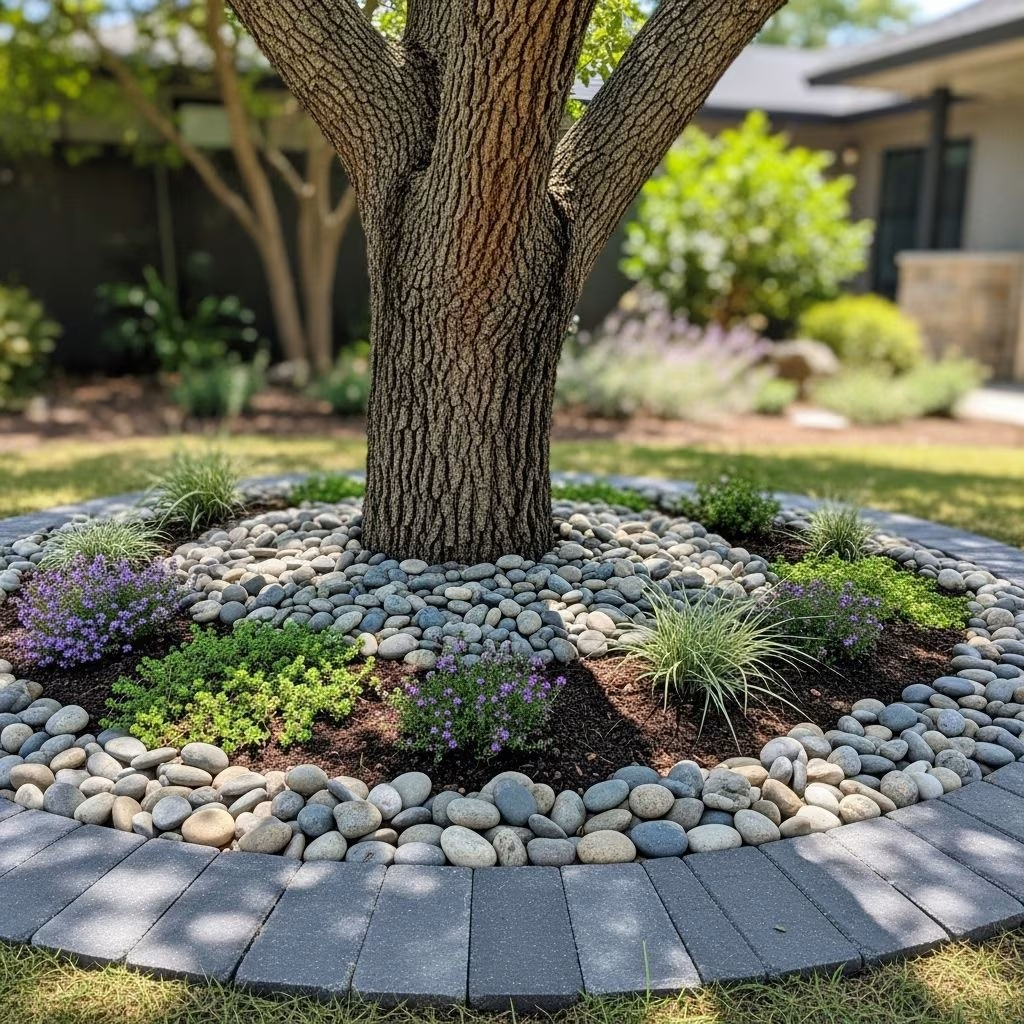
- Bed Edging: Install a subtle boundary of stone, brick, metal, or composite edging to keep mulch or groundcover contained and to crisply define the bed’s outline against lawn or sidewalk.
- Shape: Curved beds soften corners and are visually appealing. Rectangular beds in urban settings may be dictated by paving, but even these can be made interesting with varied plantings or textured materials.
- Pathways: Allow for a stone or gravel path around the tree if foot traffic is expected—this prevents compaction and damage to roots.
- Mulch color and texture: Choose mulch or gravel that complements your hardscape for a cohesive look. Dark bark or cocoa hulls create a rich backdrop; pale gravel offers Mediterranean flair.
- Use of hardscape elements: In extremely dry or root-filled zones, opt for decorative pebbles, permeable paving, or ornamental grates, combining utility with aesthetics.
Common Challenges When Planting Tree Beds
Tree beds can be finicky, with conditions that are very different from open garden beds. Here’s how to approach typical issues:
| Challenge | Solution |
|---|---|
| Soil Compaction | Use mulch or low-traffic groundcovers; discourage walking in the bed |
| Dryness | Choose drought-tolerant underplantings, water slowly and deeply, and add mulch to retain moisture |
| Shade Intensity | Opt for shade native plants; avoid sun-loving annuals |
| Tree Root Competition | Plant smaller, shallow-rooted companions and space them well apart |
| Poor Drainage | Raise the bed selectively or amend with coarse sand/compost, but only lightly at the soil surface |
Maintenance Tips for Healthy Tree Beds
- Replenish mulch annually, but keep the layer thin (1–2 inches) and never piled against the trunk.
- Water newly planted underplantings and the tree (especially in summer droughts), but avoid waterlogging.
- Remove weeds promptly to reduce competition for water and nutrients.
- Inspect for pests and disease periodically, especially in urban or high-traffic settings.
- Top up compost each year in spring as a light surface dressing.
Creative Hardscaping Solutions for Tree Beds
Sometimes tree bed gardening is limited by extreme shade, root crowding, or site restrictions. In these cases, inventive hardscaping can combine practicality with appeal:
- Tree grates: Steel or cast iron grates allow water and air into the root area but guard against foot traffic and compaction—a common solution in city streetscapes.
- Decorative pebbles: Use smooth river stones or small gravel as a permanent, permeable mulch that covers exposed roots and keeps the area tidy.
- Permeable paving: Porous pavers or grid systems allow water infiltration while supporting light use, making paths or patios possible without suffocating tree roots.
Frequently Asked Questions (FAQs)
Q: Can I plant flowers or shrubs in any tree bed?
A: Not always. Mature trees with surface roots often leave little space for successful companion planting. In such cases, mulch is preferable to avoid root disturbance and tree stress.
Q: How much mulch should I use, and where?
A: Apply mulch in a 1–2 inch layer, keeping it at least 8 inches from the tree trunk and any large surface roots to prevent rot and pest attraction.
Q: Can I add extra soil or fertilizer to improve growth?
A: Avoid adding soil and fertilizers beyond a very thin (1/4–1/2 inch) layer of compost annually. Extra soil on top can suffocate roots and cause bark rot, while fertilizer is rarely necessary and can harm delicate root systems.
Q: Which plants survive best in dry, shady tree beds?
A: Shade-tolerant, drought-resistant groundcovers such as epimedium, wild ginger, sweet woodruff, and spring-flowering bulbs like snowdrops and daffodils are good choices.
Q: Why is my tree bed so dry, and how can I water it effectively?
A: Tree roots and canopies take up most available moisture. To help, water slowly at the drip line, mulch to limit evaporation, and use drought-tolerant underplantings.
Conclusion
Tree beds are much more than simple openings in pavement or turf; they are the heartbeat of urban and residential landscaping, supporting healthy trees and offering key moments of beauty in our busiest spaces. By respecting the unique biological needs of trees and working with—not against—existing root structures, you can create well-designed, thriving tree beds that enhance both function and form in your landscape for years to come.
References
- https://www.gardenista.com/posts/hardscaping-101-tree-beds/
- https://www.landedlandscapes.com/blog/hardscaping-101-understanding-the-basics-and-its-role-in-landscape-design
- https://www.lyngsogarden.com/community-resources/hardscaping-101-what-is-hardscaping-3-ideas-for-every-home/
- https://www.gardenista.com/tag/hardscaping-101/page/3/
- https://www.gardenista.com/web-stories/hardscaping-101-tree-beds-gardenista-xl6dp/