Helleborus foetidus: An Essential Woodland Perennial
Helleborus foetidus, known commonly as stinking hellebore, is an intriguing perennial valued for its evergreen foliage, unusual blooms, and tolerance for shade. Though its common name hints at an unpleasant fragrance, Helleborus foetidus offers substantial visual interest and seasonal resilience in gardens where other plants may struggle.
At a Glance: Plant Profile
| Common Name | Stinking Hellebore |
|---|---|
| Botanical Name | Helleborus foetidus |
| Family | Ranunculaceae |
| Plant Type | Herbaceous perennial |
| Native Range | Western and Southern Europe |
| Height & Spread | 18-24 inches tall, 18-24 inches wide |
| Hardiness Zones | USDA zones 5-9 |
| Flower Color | Green, sometimes edged in purple |
| Flowering Season | Late winter to early spring |
Overview: Why Grow Stinking Hellebore?
Stinking hellebore stands out in shaded garden areas thanks to its tough evergreen leaves and unusual, nodding clusters of greenish flowers. Despite the name, most gardeners find the scent subtle unless foliage is crushed. Key reasons to grow Helleborus foetidus include:
- Winter Interest: Flowering starts late winter when little else blooms.
- Evergreen Foliage: Maintains a lush presence year-round.
- Shade Tolerance: Thrives under trees or north-facing beds.
- Low Maintenance: Demands minimal intervention once established.
- Wildlife Resistance: Generally avoided by deer and rabbits.
Origins and Botanical Description
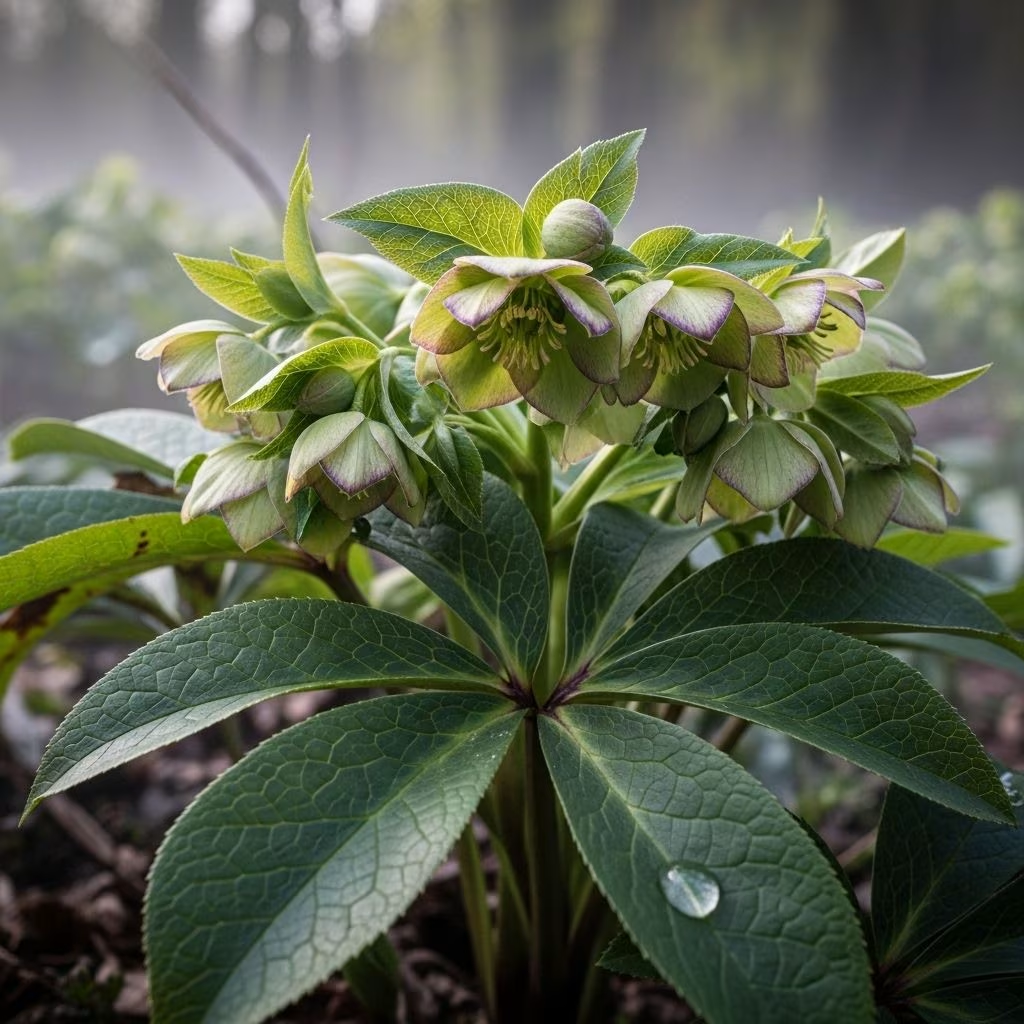
Helleborus foetidus is native to western and southern Europe, commonly found in woodland margins, scrubby slopes, and rocky ground. The plant features distinctive, deeply divided dark green leaves forming mounds 1-2 feet tall.
Its nodding, bell-shaped flowers form in loose clusters atop upright stems. Each flower is pale green, sometimes with a purple margin, and blooms from late winter into early spring. After flowering, seed pods develop, resembling small clusters of green cherries before splitting to release glossy black seeds.
How to Grow Helleborus foetidus
Stinking hellebore adapts well to temperate gardens with a few basic cultural requirements:
Soil Requirements
- Well-draining soil is vital; soggy roots can quickly lead to rot.
- Prefers fertile, humus-rich substrates but tolerates drier, alkaline conditions.
- Add compost or leaf mold to improve structure if planting in heavy clay.
Light Preferences
- Thrives best in part to full shade.
- Will tolerate morning sun if soil remains cool and moist.
- Ideal under deciduous trees, where it gets filtered light in winter but shade in summer.
Watering Needs
- Water regularly during the first year to establish strong roots.
- Once established, stinking hellebore is drought tolerant.
- Avoid overhead watering, which can promote leaf spot and other fungal issues.
Temperature and Hardiness
- Hardy in USDA zones 5-9.
- Withstands winter frosts; evergreen foliage persists unless conditions become severe.
- Prefers sheltered locations in colder climates to prevent wind scorch.
Fertilization
- Feed once in early spring with a balanced, slow-release fertilizer.
- Annual mulch of compost or leaf mold boosts nutrient content and supports soil health.
Ongoing Care and Maintenance
- Remove spent flower stems once seeds mature, to direct energy into foliage.
- Clip away damaged or yellowing leaves at the base throughout growing season.
- Divide congested clumps in early autumn to refresh older specimens.
- Protect from excessive summer sun in hot regions, which may scorch leaves.
Garden Uses and Design Ideas
Helleborus foetidus is invaluable for shaded borders and woodland gardens. It excels in:
- Pairings with other shade lovers such as ferns, snowdrops (Galanthus spp.), and hostas.
- Naturalizing beneath deciduous trees or alongside spring-blooming bulbs.
- Adding architectural foliage to mixed perennial beds.
- Edge plantings along woodland paths for year-round structure.
- Contrasting with early-flowering hellebores (H. orientalis) or winter aconites (Eranthis).
Propagation Methods
Stinking hellebore can be propagated reliably by both seed and division.
From Seed
- Harvest mature seeds when pods split in early summer.
- Sow immediately in prepared pots or outdoor seedbeds; hellebore seeds need fresh sowing for best viability.
- Cover lightly and keep moist; seeds may germinate erratically over several months.
- Grow seedlings in light shade, transplanting to permanent locations after two years.
By Division
- Divide overcrowded clumps in autumn.
- Use a sharp spade to separate healthier outer sections from old woody central growth.
- Replant immediately into prepared soil and water well.
Note: Not all mature Helleborus foetidus respond well to division, so seed propagation may be preferable for long-term population growth.
Common Problems and Troubleshooting
- Black Spot: Dark lesions on leaves, often after wet or humid conditions. Improve air circulation and remove affected foliage.
- Aphids: Rarely a severe issue but sometimes appear in spring. Treat with insecticidal soap if populations surge.
- Slugs and Snails: Young growth may be nibbled; use organic barriers or traps to reduce damage.
- Root Rot: Caused by prolonged soil saturation. Plant in well-drained soil and avoid watering excess.
- Leaf Scorch: Brown leaf edges after dry spells or excessive sun exposure. Move plants or increase shade.
Toxicity and Safety Considerations
Like other hellebores, Helleborus foetidus contains alkaloids which are toxic to humans and pets if ingested. Sap may cause skin irritation in sensitive individuals. Gardeners should:
- Wear gloves when handling or pruning.
- Keep children and pets away from the plant—do not allow them to chew or eat any part.
- Dispose of pruned foliage safely, rather than composting for edible gardens.
Frequently Asked Questions (FAQs)
Q: Does Helleborus foetidus really smell bad?
A: The ‘stinking’ label refers to the faint, musky scent emitted when leaves are crushed. Most gardeners rarely notice an odor unless working closely with the foliage.
Q: Is stinking hellebore suitable for containers?
A: Yes, it can be grown in large, deep containers filled with humus-rich, free-draining compost. Avoid waterlogged conditions by ensuring drainage holes are unobstructed.
Q: How long does Helleborus foetidus live?
A: Well-established clumps can persist 10-15 years or longer, self-seeding and forming colonies where conditions suit.
Q: Can I grow stinking hellebore from shop-bought seeds?
A: Yes, but seeds may be slow to germinate and benefit from a period of cold stratification. Freshly collected seeds from mature garden plants yield best results.
Q: Do deer eat Helleborus foetidus?
A: This plant is mostly deer-resistant due to its toxic compounds and tough, leathery leaves.
Conclusion: Why Choose Helleborus foetidus?
For gardeners seeking a reliable, evergreen perennial with distinctive foliage and early blooms, Helleborus foetidus remains a prime candidate. Its tolerance for shade, low maintenance needs, and wildlife resistance make it an asset to woodland borders and shady corners alike. With careful placement and basic care, you can enjoy its subtle beauty throughout the year—while adding much-needed winter and early spring interest to your landscape.
References
- https://www.extrastrength.com.au/article/seo-for-gardening-services-building-local-trust
- https://launchhappy.co/guides/a-good-seo-strategy-is-like-a-garden-that-needs-nurturing
- https://www.1digitalagency.com/gardening-seo-tips-for-success/
- https://www.plerdy.com/blog/gardening-seo-tips/
- https://wpseoai.com/blog/seo-strategy-for-garden-centers/