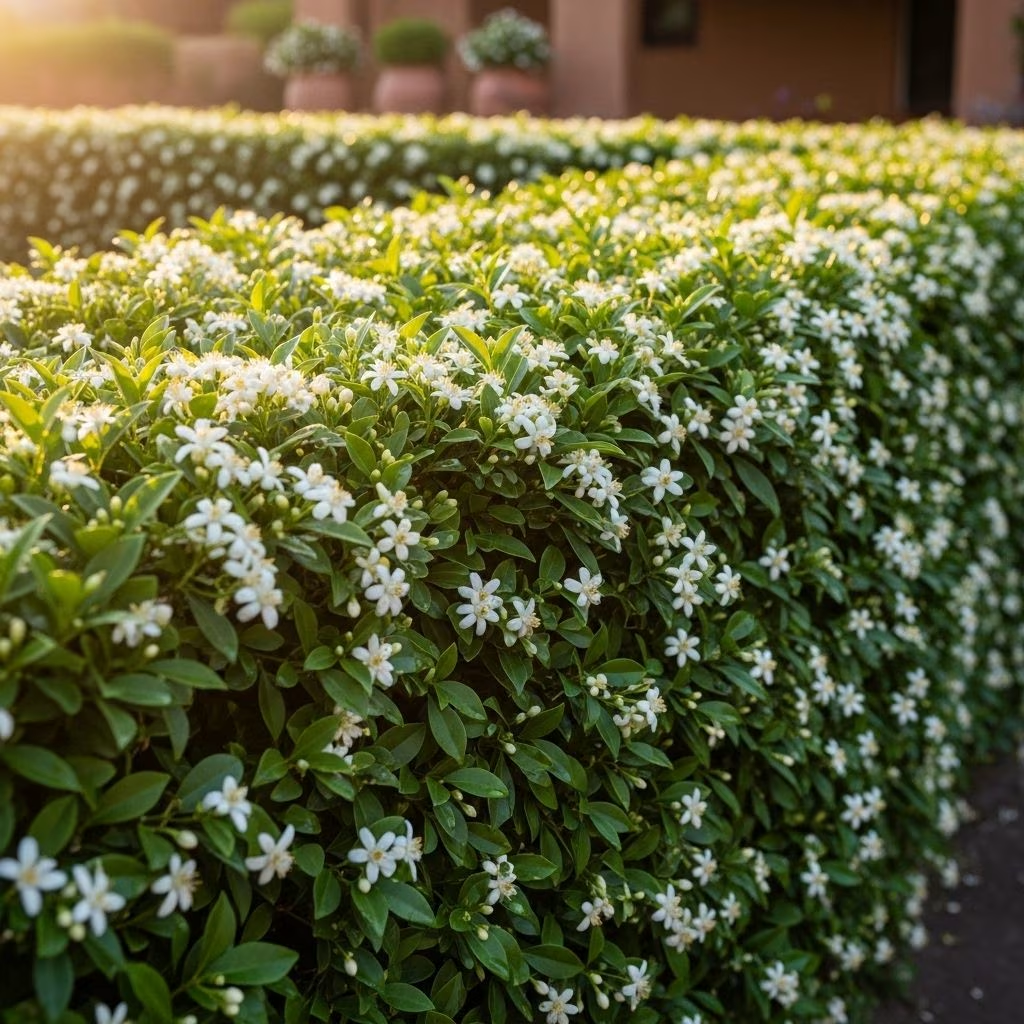
Mexican Orange Blossom (Choisya ternata) is a beloved evergreen shrub prized for its aromatic foliage, beautiful white blossoms, and easy-care nature. Whether you’re establishing a new border, seeking fragrant privacy hedging, or simply want a low-maintenance accent with year-round appeal, this guide will help you make the most of this rewarding plant in your garden.
About Mexican Orange Blossom
Choisya ternata, commonly known as Mexican Orange Blossom or just “choisya,” is native to the southwestern United States and Mexico. Its name honors Swiss botanist Jacques Denis Choisy, with “ternata” referencing its most recognizable feature: leaves arranged in threes.
- Type: Evergreen flowering shrub
- Height and spread: Typically 4–8 feet (1.2–2.5m) tall and wide
- Flowers: Clusters of star-shaped, white, citrus-scented blooms in late spring, with possible repeat flushes in summer and autumn
- Foliage: Attractive, glossy green leaves, aromatic when crushed
- Uses: Ornamental borders, informal hedging, specimen planting, containers
- Hardiness: USDA zones 7–10 (down to ~5°F/-15°C with protection)
Why Grow Mexican Orange Blossom?
Mexican Orange Blossom is valued in gardens for its:
- Fragrant flowers and foliage – evoking orange blossoms, but less fussy than true citrus.
- Evergreen structure – Provides year-round greenery, even in winter.
- Easy-care nature – Low pruning requirements, drought tolerance once established.
- Pollinator-friendly – Blooms attract bees and butterflies.
- Versatility in design – Works in beds, borders, containers, hedges, or as a standalone accent.
Where to Grow Choisya ternata
This adaptable shrub suits a range of sites, provided you match its main requirements:
- Light: Full sun for best flowering. Tolerates partial shade, though blooms may be reduced. In very hot climates, some afternoon shade helps prevent leaf scorch.
- Soil: Prefers fertile, well-drained soil. Avoid heavy, waterlogged clay. Amend dense soils with organic matter, or plant in raised beds or containers if drainage is poor.
- Shelter: Best in a sheltered position out of strong, drying winds. Can tolerate urban settings and coastal climates with some protection.
- Space: Allow mature plants room to spread. For mixed borders, plant so foliage can be appreciated up close.
| Requirement | Preference |
|---|---|
| Sunlight | Full sun to partial shade |
| Soil Type | Well-drained, fertile |
| Hardiness | USDA 7–10 / Down to -15°C |
| Exposure | Sheltered, away from cold or drying winds |
When & How to Plant Mexican Orange Blossom
Best Planting Times
- Spring or autumn are ideal—mild weather allows roots to establish before the stress of summer heat or winter cold.
- Container-grown plants can be set out whenever the soil is workable, but avoid extreme weather.
Step-by-Step Planting Guide
- Prepare the site: Remove weeds and dig in compost if soil is heavy or poor.
- Dig a hole twice as wide and as deep as the rootball.
- Plant at the same depth as in the pot. Gently firm the soil around roots.
- Water thoroughly to settle the soil.
- Mulch with organic matter (e.g., bark chips) to retain moisture and suppress weeds. Keep mulch a few inches from stems.
For container planting:
- Choose a large, sturdy pot with ample drainage holes.
- Use a loam-based compost mix. Try two parts John Innes No.3 to one part peat-free multipurpose compost.
- Avoid planting late in autumn, as roots may not establish before winter.
Choisya ternata Care Guide
Watering
- Newly planted shrubs: Water moderately but consistently for the first year, especially in dry spells.
- Established plants: Drought tolerant; only water in prolonged dry periods.
Feeding
- In average soil, Choisya needs little feeding.
- In poor or sandy soils, apply a balanced, slow-release fertilizer in early spring.
- Top-dress annually with compost or well-rotted manure to boost vitality.
Mulching
- Apply a 5–7 cm (2–3 in) mulch layer around the base each spring to preserve moisture and suppress weeds.
- Keep mulch away from direct contact with stems to avoid rot.
Pruning
- Minimal pruning needed. Let natural shape develop.
- Light trim after main flowering (June) encourages bushiness and sometimes a repeat bloom.
- Remove any dead or damaged wood as needed.
- Can be pruned harder if necessary—tolerates cutting back for rejuvenation.
- Special care with colored-leaf cultivars (‘Sundance’): Remove any reverted, all-green shoots to maintain variegation.
Pests, Problems & Troubleshooting
Choisya is generally robust and trouble-free, but keep an eye out for:
- Yellowing leaves: May indicate overwatering, poor drainage, or nutrient deficiency. Improve soil, reduce watering, and consider annual feeding.
- Leaf scorch: In hot climates, protect from strong afternoon sun or drying winds.
- Frost damage: Hard frosts can cause leaf browning or stem dieback, especially in exposed spots. Shelter from wind, and mulch roots in late autumn.
- Pests: Generally pest-free, though young growth may rarely attract aphids.
- Reverted foliage: Some golden or variegated cultivars may sprout plain green leaves; prune out reverted stems promptly.
Popular Choisya Varieties
- Choisya ternata – Classic species with robust green leaves and abundant, fragrant white flowers.
- Choisya ternata ‘Sundance’ – Highly ornamental, with striking golden-yellow foliage. Needs full sun for best color.
- Choisya x dewitteana ‘Aztec Pearl’ – Distinctive, narrow, finely cut leaves with profuse, fragrant blooms. More compact, ideal for smaller spaces.
- Choisya ‘White Dazzler’ – Dwarf cultivar, neat habit, masses of starry white flowers.
- Choisya ternata ‘Apple Blossom’ – Blush-pink flushed flower buds maturing to white.
Design Ideas with Mexican Orange Blossom
- Mixed borders: Pair with spring bulbs, ornamental grasses, perennials, and shrubs with contrasting forms and foliage.
- Low hedges: Create informal flowering screens along paths or patios. Prune lightly for shape.
- Containers: Compact cultivars suit large pots for patios, balconies, or courtyards.
- Wildlife gardens: Attracts pollinators such as bees and butterflies with its nectar-rich blooms.
- Foundation planting: Softens house corners and entrances while providing year-round structure.
Frequently Asked Questions (FAQ)
Q: Is Mexican Orange Blossom suitable for small gardens?
A: Yes. While the species can reach up to 8 feet, varieties like ‘Aztec Pearl’ and ‘White Dazzler’ remain compact and are ideal for small gardens or container growing.
Q: Does Choisya ternata grow in shade?
A: It prefers full sun but tolerates partial shade. Flowering may be reduced in heavy shade, but foliage remains attractive.
Q: When should I prune my Choisya?
A: After the main flush of spring flowering. Light pruning encourages bushiness and more flowers; hard pruning is tolerated if reshaping is needed.
Q: Why are the leaves on my Choisya turning yellow?
A: Common causes include waterlogged soil, poor drainage, or nutrient deficiency. Ensure well-drained soil and feed annually with compost or a general-purpose fertilizer.
Q: Can Choisya survive winter?
A: Yes in USDA zones 7–10. In areas prone to frost below -15°C (5°F), provide extra winter protection or grow in a pot that can be moved to safety during severe cold.
Companion Planting and Good Neighbors
Choisya pairs beautifully with a range of garden plants. Consider these to enhance your display:
- Lavender – Both love full sun and contrast in color and texture.
- Ceanothus – Blue flowers set off Choisya’s white blooms.
- Spirea – Provides overlapping flowering interest.
- Salvias and Nepeta – Complement the aromatic, wildlife-friendly theme.
- Soft grasses (e.g., Stipa) – Add movement and softness to shrub groupings.
Propagation Techniques
- Softwood cuttings: Take in early summer from non-flowering shoots. Root in a moist, free-draining medium.
- Semi-ripe cuttings: Best taken in late summer. Use a rooting hormone and keep cuttings in a humid environment.
- Seed propagation is rare in gardens—vegetative methods are preferable for true-to-type plants.
Seasonal Care Calendar
| Season | Tasks |
|---|---|
| Spring | Plant new shrubs. Apply mulch. Feed if needed. Enjoy main flowering. |
| Summer | Deadhead spent flowers. Lightly prune after blooming. Water if dry. |
| Autumn | Plant container specimens. Check drainage before winter. |
| Winter | Mulch roots in colder regions. Protect young plants from severe frost. |
Key Tips for Success
- Always ensure good drainage at planting and avoid waterlogged sites.
- Prune sparingly and only as needed; excessive pruning reduces flowering.
- Site in full sun for most prolific blooms, unless in hot climates, where partial shade is better.
- Feed and mulch annually to promote vigor and resilience.
Summary
With its citrus-scented flowers, glossy evergreen foliage, resilience, and low-maintenance attractiveness, Mexican Orange Blossom is both a rewarding choice for garden novices and a reliable performer for seasoned gardeners. Choose a sunny, well-drained spot, mulch and water young plants, and enjoy fragrant interest for years to come.
References
- https://www.gardenersworld.com/how-to/grow-plants/how-to-grow-choisya-ternata-mexican-orange-blossom/
- https://plants.ces.ncsu.edu/plants/choisya-ternata/
- https://harvesttotable.com/how-to-plant-and-grow-choisya/
- https://www.rhs.org.uk/plants/choisya/growing-guide
- https://questions.gardeningknowhow.com/tag/choisya-plants/