How to Plant, Grow, and Care for Climbing Onion Plants
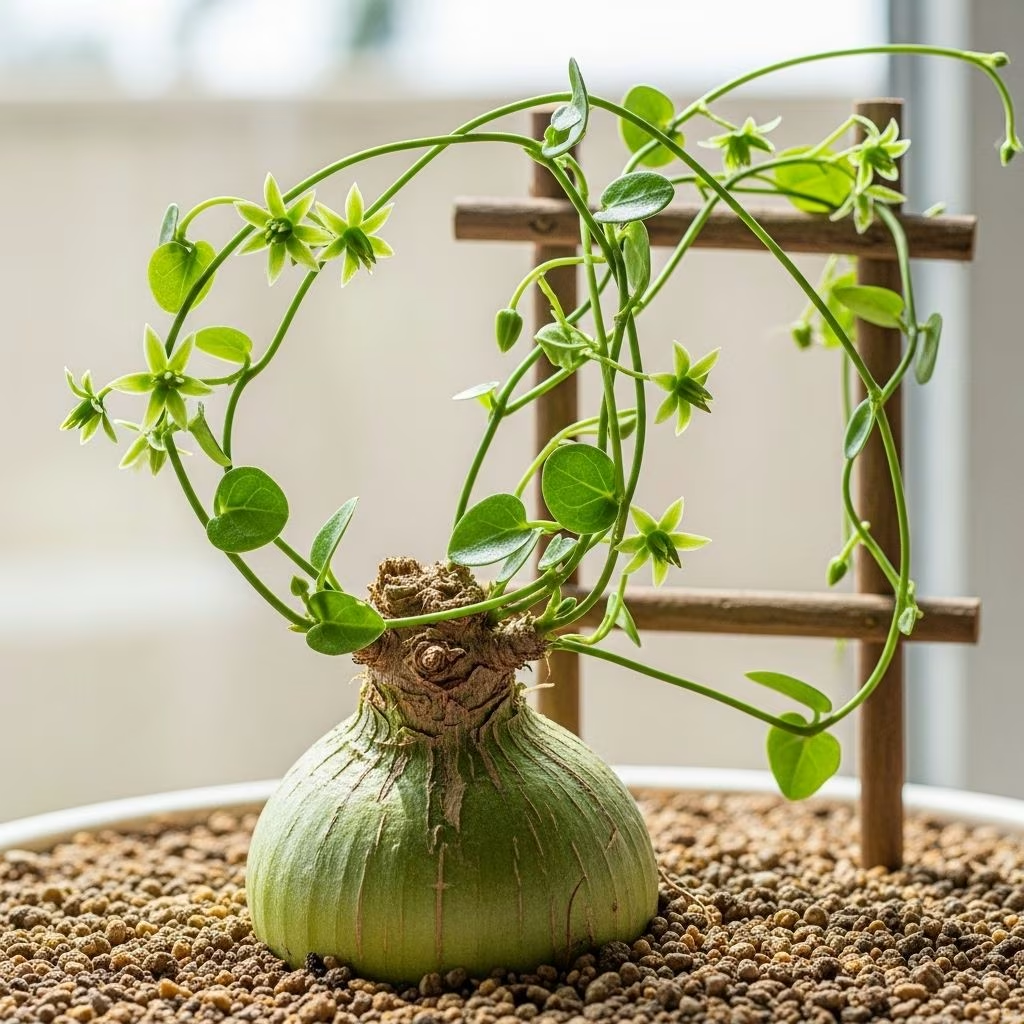
The climbing onion plant, also called Bowiea volubilis, is a unique and intriguing succulent bulb—often coveted for its dramatic leafless green vines and easy-care nature. Whether you’re seeking a low-maintenance indoor companion or a bold addition to your container garden, this plant rewards attentive growers with vigorous, tangled foliage and unusual growth habits. This guide covers everything: from planting and daily care to propagation, pruning, and troubleshooting common problems.
What Is a Climbing Onion Plant?
- Botanical Name: Bowiea volubilis (sometimes called false sea onion)
- Plant Type: Bulbous perennial vine
- Native Range: South Africa and tropical East Africa
- Appearance: Pale green bulbs, sparse vining stems, no true leaves
The climbing onion is prized for its rapidly growing green vines that emerge directly from the surface of its bulb. Lacking true leaves, its stems form a loose, lacy tangle as they climb or trail around available supports. While its exotic look suggests high maintenance, climbing onions thrive with minimal care and are well-suited for beginner and expert gardeners alike.
Characteristics and Growth Habits
During the onset of its active growing season (spring and early summer), bright green, thin stems quickly sprout from the central point of each bulb. Typically, you’ll see:
- One or more stems emerging from a bulb
- Leafless stems that climb or trail
- Side shoots forming as stems mature, creating a dense, tangled lattice of greenery
Unique trait: Unlike many other climbing vines, the climbing onion does not use twining tendrils. Its vines naturally entangle themselves around available supports and may gently wrap around structures or simply spill over the pot edge, trailing beautifully.
Active and Dormant Growth Cycles
- Active Phase: Rapid stem growth and vine production (typically spring–summer)
- Dormancy: Vines and stems wither, brown, and die back—leaving bulbs in rest until the next cycle
Planting Your Climbing Onion
Starting a climbing onion plant is straightforward—but proper setup is key to success:
- Container Choice: Pick a pot with excellent drainage to prevent bulb rot.
- Soil: Use well-draining, sandy, or cactus-style mix for best results.
- Location: Place in a bright window or a space with abundant indirect sunlight.
- Temperature: Prefers warmth; tolerates typical indoor conditions but avoid freezing.
Buried just shallowly—leave the bulb’s neck exposed above the soil. This allows easy observation and prevents excessive moisture from building up around the bulb.
Growing and Care Essentials
The climbing onion’s care routine is simple and forgiving, but optimal growth requires attention to:
Watering
- During Active Growth: Water when the top inch of soil feels dry, allowing excess to drain.
- Dormancy: Reduce watering drastically; bulbs prefer staying drier until vines reemerge.
Overwatering is the primary threat. Ensure pots drain freely and never allow bulbs to sit in soggy conditions.
Light Requirements
- Bright, indirect sunlight yields the most vigorous and lush growth.
- Direct sun in hot climates may scorch stems; filtered light is ideal.
Humidity and Environment
- Adapts to standard household humidity
- No special misting or humidity trays required
Regular Maintenance
Managing Bulb Clumps
- Bulb offsets often develop naturally, growing together as a tight clump.
- If the clump outgrows its pot, carefully divide and repot bulbs to promote healthier growth and prevent overcrowding.
Pruning
- Trim away spent stems after dormancy begins—prune at the base just above the bulb using sharp, clean scissors or snips.
- Encourages healthy regrowth and maintains tidiness.
Dead material can be removed promptly after stems dry and brown, improving appearance and plant vigor.
Encouraging Climbing and Trailing
- Add a small trellis or stake to the pot for the vines to climb.
- Alternatively, allow stems to drape over pot edges for a cascading display.
Propagation: Expanding Your Collection
Propagation is simple thanks to the natural offsetting habit of climbing onion bulbs. Here’s how:
- Wait until dormant or inactive growth phase.
- Gently separate offsets from the parent bulb, handling carefully to avoid damage.
- Replant in fresh, well-draining soil just like the original bulb. Ensure proper bulb neck exposure above the soil surface.
With patience, newly planted bulbs establish and produce their own vining stems.
Pest and Disease Management
Climbing onioins have natural resilience to most pests and diseases, but occasional issues include:
- Root rot: Caused by overwatering or poorly draining soil. Prevent by monitoring water and choosing suitable pots/mixes.
- Mealybugs/Aphids: Rare but possible; treat with insecticidal soap if found.
Inspect bulbs and vines regularly, act decisively if any pest activity is detected, and keep the environment clean and airy.
Common Issues and Solutions
| Problem | Cause | Solution |
|---|---|---|
| Bulb rot | Excess moisture, poor drainage | Improve soil and drainage, reduce watering |
| Stems shrivel and die prematurely | Poor light, underwatering during growth phase | Move plant to brighter area, adjust watering |
| Pests (mealybugs, aphids) | Unusually humid or crowded conditions | Wash with insecticidal soap, increase airflow |
| Poor bulb division | Damage during offset removal | Use gentle separation, repot in well-drained mix |
Display Ideas: Indoors and Outdoors
- Place climbing onions on sunny windowsills or in bright conservatories for an architectural display.
- Use decorative pots, adding small trellises or supports for vertical interest.
- Combine with other drought-tolerant or succulent plants for a visually striking container arrangement.
When grown outdoors in frost-free climates, climbing onions can be placed in garden beds with protection from heavy rainfall and intense sun.
Frequently Asked Questions (FAQs)
Q: Is the climbing onion plant edible?
No, the climbing onion (Bowiea volubilis) is not edible and should not be consumed. It is grown strictly for ornamental purposes.
Q: Can I grow climbing onions outside?
Yes, but only in warm, frost-free climates. Bulbs cannot tolerate freezing; bring containers indoors during cold weather for protection.
Q: Why did my bulb shrivel after planting?
Overwatering or deep planting can cause rot and shrinkage. Always plant with the top exposed and allow the soil to dry between waterings.
Q: How much light does a climbing onion need?
Bright, indirect sunlight is ideal. The plant will tolerate a bit of direct morning sun but should be protected from extreme heat and afternoon scorch.
Q: What type of soil is best?
A well-drained, sandy or cactus-type mix is ideal. Avoid heavy soils that retain moisture to prevent bulb rot.
Tips for Success
- Choose containers with multiple drainage holes for healthy root systems.
- Repot bulbs every few years to refresh soil and divide offsets.
- Monitor watering—less is more! Err on the side of dryness, especially in dormancy.
- Enjoy the plant’s beauty year-round—vining stems during growth season and distinctive bulb forms while dormant.
Final Thoughts
The climbing onion is a perfect illustration of nature’s adaptability and artistry. Its care requirements suit both novices and collectors, and its unique silhouette makes it a conversation starter in any collection. With just a little attention to light, water, and space, you’ll enjoy seasons of growth and eye-catching displays—indoors or out. For a true low-maintenance showpiece, the climbing onion plant is hard to beat.