Pros & Cons: Landscape Fabric
You’ve likely seen large black rolls of landscape fabric at garden centers or home improvement stores, often marketed as an easy solution to weed problems. Landscape fabric, also called weed barrier or weed block, can be useful in some scenarios—but it’s far from a gardening cure-all. Gardeners’ opinions range widely, and understanding the full spectrum of landscape fabric’s benefits and drawbacks is essential before laying it in your beds.
What is Landscape Fabric and Why Do People Use It?
Landscape fabric is typically made from woven or non-woven synthetic materials, although recycled options exist. Its principal uses are:
- Weed suppression: Creating a barrier to limit sunlight and reduce weed growth.
- Reducing herbicide use: Allowing gardeners the chance to avoid toxic chemical weed killers.
- Paths and patios: Laid beneath gravel or stone to prevent weeds and stabilize materials.
- Mulched beds: Secured with pins and covered for a cleaner look and further weed resistance.
The idea is simple: block weeds, keep the garden manageable. But is it that straightforward? Let’s look at both sides.
Pros of Landscape Fabric
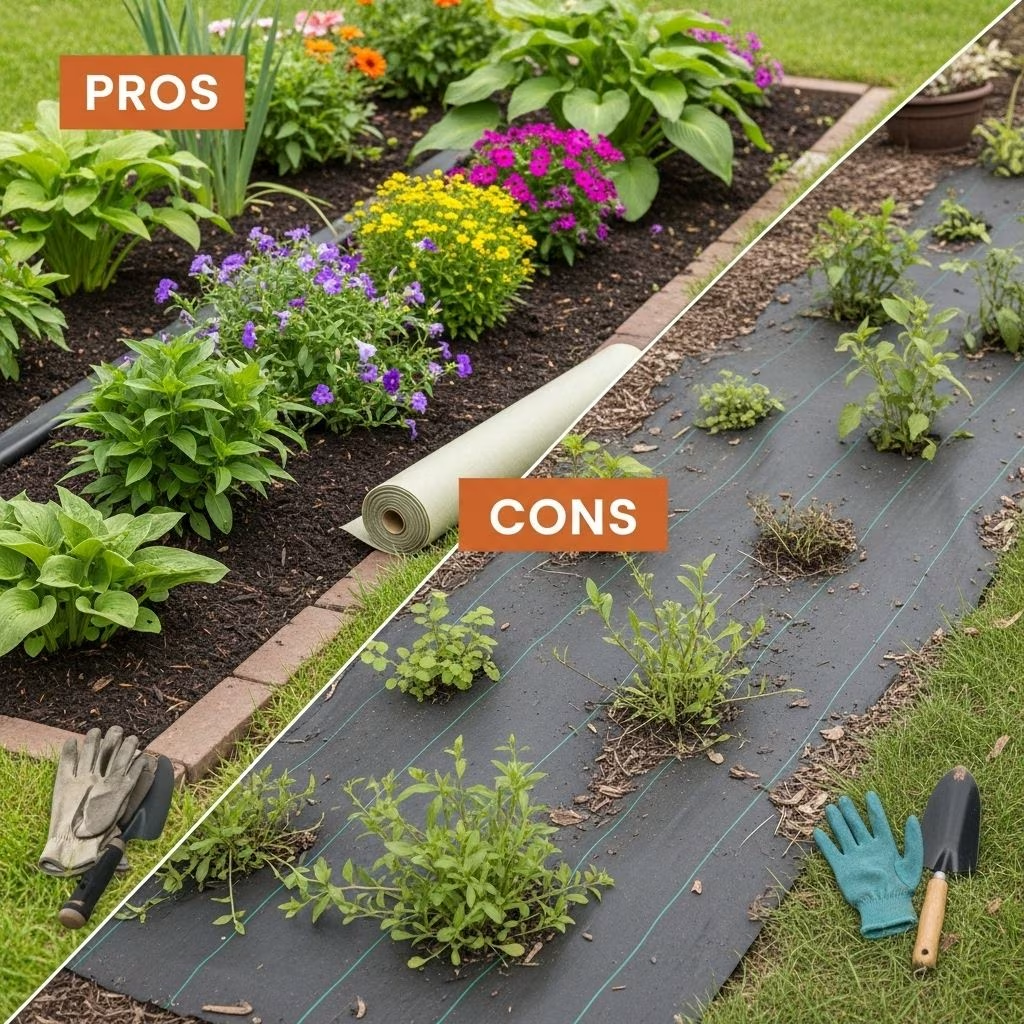
- Initial weed suppression: In the first year or two, a properly installed landscape fabric blocks light and prevents new weeds from sprouting up through the soil.
- Reduction of herbicide use: For gardeners keen to avoid chemicals, landscape fabric offers a physical means to deter unwanted growth.
- Helps with stabilizing loose materials: When used under gravel, stones, or pavers, landscape fabric keeps these materials from sinking into the soil and slows weed invasion.
- Effective for certain non-plant zones: Works best for areas where new plantings or future re-seeding are not planned, such as under decks, pathways, or patios.
- Short-term aesthetic improvement: Provides a neat appearance—at least until mulch or stone disperses and fabric becomes exposed.
Cons of Landscape Fabric
- Not eco-friendly: Most options are made from non-recycled synthetics that are not biodegradable and can leach chemicals such as petroleum derivatives into the soil.
- Suffocates soil life: While initially permeable to air and water, most fabrics decrease in permeability over time, choking plant roots, earthworms, and beneficial microorganisms.
- Short-lived weed suppression: Soil, dust, and organic matter inevitably accumulate on top of the fabric. Weeds begin growing in this new layer, sometimes rooting through the fabric, making them much harder to pull out.
- Unsightly when exposed: Wind, rain, digging animals, and foot traffic often shift mulch or stone, exposing the unattractive synthetic fabric beneath, which can degrade the look of your beds.
- Complicates planting: Adding or replacing plants involves cutting through tough fabric—frustrating and messy.
- Hampers natural processes: Devices like bulbs and self-seeding annuals struggle to emerge, and beneficial worms and insects are deterred.
- Degrades over time: Sunlight exposure breaks down fabric, causing it to fragment into shreds and deposit plastic into the earth.
- Bulky waste: Removing old landscape fabric is cumbersome; it often comes up in pieces entangled with stubborn roots.
Does Landscape Fabric Fulfill Its Promises?
Manufacturers promise long-term weed prevention… but reality is more complex. Early on, you may indeed see fewer weeds. However, after a year or two:
- Soil and organic matter accumulate above the fabric, providing a perfect medium for new weeds.
- Weeds root through the fabric, making them almost impossible to pull without tearing the fabric or disrupting the surrounding plants.
- Persistent perennials like bindweed, Bermuda grass, or nutgrass can force their way up through most fabrics over time.
The result is that ultimate weed control becomes elusive, often leading to more maintenance rather than less.
Soil Health: More Than Meets the Eye
Your soil is not just an inert growth medium; it’s a living ecosystem. Landscape fabric imposes several negative impacts:
- Reduced aeration and water infiltration: Fabrics often become clogged, reducing gas exchange and stifling plant roots and beneficial organisms.
- Starved microorganisms and worms: These key soil dwellers are blocked from accessing mulch and organic debris, leading to declining soil fertility.
- Drying effects: Some fabrics can increase soil evaporation, especially if mulch is thin or shifts off the fabric.
Where Might Landscape Fabric Be Useful?
While not suitable for every garden situation, landscape fabric can serve a role:
- Under pathways and patios—especially where gravel, stone, or pavers are used and planting is not anticipated.
- On steep hillsides for short-term erosion control, provided it will soon be covered by groundcover or turf.
- In non-planting zones such as under decks, fences, or play structures where minimal soil health is acceptable.
But even in these scenarios, ensure fabric is well-secured and understand eventual maintenance needs, as shifting stone or mulch can expose the fabric and undermine both appearance and function.
Situations to Avoid Using Landscape Fabric
Landscape fabric is not recommended in the following contexts:
- Garden beds with perennials, annuals, or bulbs: The barrier interferes with normal planting cycles and spontaneous self-seeding.
- Vegetable gardens: Soil must remain open for frequent planting, removal, and soil amendment.
- Wooded or naturalized areas: Soil life and decomposition are vital to plant and tree health—landscape fabric impedes this process.
- Any location where long-term sustainability is a goal: Over time, the cumulative effects on soil and waste outweigh short-term weed control.
Landscape Fabric vs. Alternatives
| Method | Weed Control | Soil Health | Wildlife Friendliness | Maintenance |
|---|---|---|---|---|
| Landscape Fabric | Short-term suppression | Degrades over time | Blocks soil organisms | Can complicate weeding and planting |
| Organic Mulch (wood chips, straw, compost) | Moderate, needs topping up | Improves fertility, moisture | Supports soil life | Occasional replenishing |
| Plastic Sheeting | Almost total, but temporary | Bad for soil, can cook roots | Inhospitable | Difficult to reuse; landfill waste |
| Dense Planting/Cover Crops | Suppresses by competition | Enriches soil, retains water | Excellent | Needs thoughtful plant selection |
Frequently Asked Questions (FAQs)
Q: Will landscape fabric permanently prevent weeds?
A: No. Fabric suppresses new weed seeds for a season or two, but eventually weeds will grow on accumulated organic matter above the fabric, or break through from below.
Q: Can I plant through landscape fabric?
A: Planting perennials or shrubs through fabric requires cutting large holes, which can harbor weeds and make rearrangement or division of plants difficult. Over time, the fabric can restrict growing roots and limit expansion.
Q: Does landscape fabric harm soil health?
A: Yes, by restricting air, water, and organic matter, landscape fabric reduces the activity of beneficial soil life over time, leading to poorer plant growth and health.
Q: Is landscape fabric ever biodegradable?
A: Most landscape fabrics are made from synthetic materials and do not break down naturally. Some biodegradable or recycled options exist, but they decompose quickly or may still leave residue.
Q: Are there situations where landscape fabric is recommended?
A: It can be useful under stone or gravel paths, patios, or in non-planting zones where soil health is not a priority. Otherwise, organic mulches or competitive planting are generally better choices for garden beds.
Best Practices and Recommendations
- Think short-term vs. long-term: If a temporary fix is needed under stone or gravel, landscape fabric can help—but plan for eventual maintenance.
- Avoid in active beds: Do not use in vegetable or ornamental planting beds where soil health and ease of planting matter.
- Consider alternatives: Organic mulch and dense planting both suppress weeds and enhance soil life.
- For erosion control: Use with caution on slopes, but cover quickly with deep-rooted, spreading plants, and monitor for exposure and shifting mulch.
Final Thoughts: Is Landscape Fabric Worth It?
The verdict on landscape fabric is clear: While it offers short-term weed suppression, particularly for hardscaped paths or patios, its long-term impacts typically outweigh the benefits in most garden scenarios. Over time, you may find yourself battling new weeds on top of the fabric, struggling with plantings, and removing messy, degraded synthetic materials from your garden beds. For healthier gardens, embrace organic solutions and prioritize soil health for a thriving, sustainable landscape.
References
- https://piedmontmastergardeners.org/article/landscape-fabric-for-garden-bed-weed-control-good-or-bad-choice/
- https://gardenrant.com/2017/12/is-landscape-fabric-ever-not-horrible.html
- https://www.youtube.com/watch?v=UQoyr7ThwiQ
- https://www.gardenista.com/posts/pros-cons-landscape-fabric/
- https://northernhomestead.com/do-not-use-weed-control-fabric/