Living with a Marble Backsplash: Candid Realities from Everyday Use
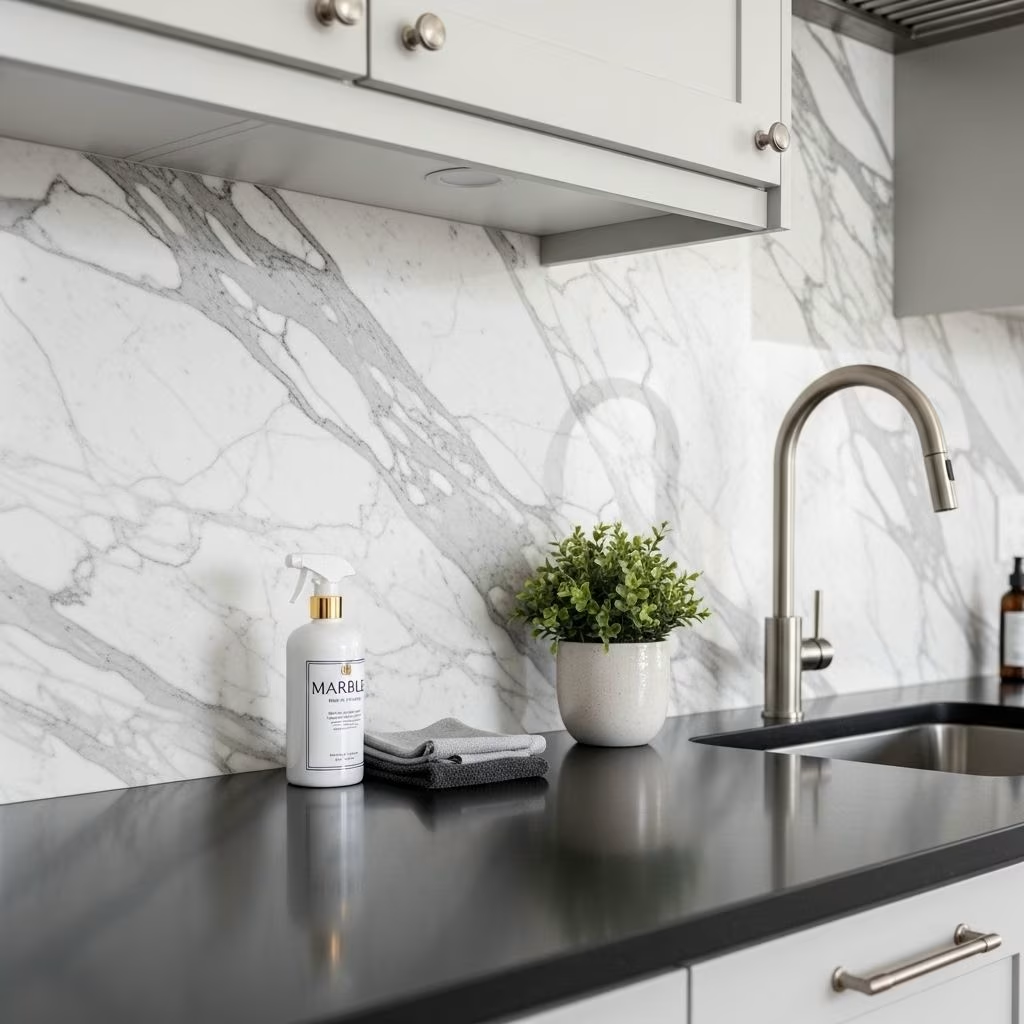
Many homeowners are captivated by the timeless elegance of marble—its unique veining and luminous, cool surface elevate the ordinary kitchen. Yet, the decision to install a marble backsplash, especially above a stove, may come with unexpected challenges and valuable lessons learned through daily life. This article recounts one homeowner’s journey living with a marble backsplash, from uncovering issues to finding practical solutions, and offers wisdom for anyone considering or already maintaining this iconic kitchen feature.
Why Marble? The Allure and Expectations
- Visual Appeal: Marble’s subtle veining brings an unparalleled luxury, making it highly desirable for backsplashes.
- Versatility: Marble complements almost any kitchen aesthetic, from traditional to modern.
- Durability: While not invincible, marble is considered durable and heat-resistant, making it suitable for kitchen environments.
Yet, these positives are sometimes overshadowed by real-world use, especially when marble is placed in “high-risk” zones, such as behind the stove.
The Problem: Sudden Stains and Grease Marks
Imagine the surprise and frustration when, despite sealing the marble and regular cleaning, a homeowner wakes up one day to yellow grease stains stubbornly marking the pristine surface above the stove.
Key concerns:
- Grease and cooking residue can leave lasting marks on sealed marble.
- Some stains appear gradually, defying regular cleaning and standard kitchen degreasers.
- The marble’s porous nature means substances like oil and smoke may penetrate rapidly if not guarded.
Seeking Solutions: Advice, Research, and Re-Sealing
Faced with unsightly stains, the homeowner launched a mission to discover if others shared this dilemma, and how best to restore and protect the surface.
- Installer Consultation: Installation professionals often report that marble backsplashes rarely pose this issue—sometimes because few homeowners use marble in such exposed areas.
- Resealing Experiment: In hope of rescuing the backsplash, multiple coats of sealer were applied. However, even diligent resealing may not fully prevent oil and smoke staining in high-use kitchens.
- Protective Additions: Plans were made to add physical defenses, such as a stainless steel strip above the stove, to intercept grease before it impacts the marble surface.
Table: Quick Solutions and Their Effectiveness
| Solution | Effectiveness | Comments |
|---|---|---|
| Resealing marble | Partial | May help but not foolproof for grease stains. |
| Regular cleaning | Necessary | Prevents superficial stains, but deep stains may persist. |
| Physical barrier (e.g., steel strip) | High | Diverts grease and smoke. |
| Changing cooking habits | Variable | Less splatter = less staining. |
Lessons Learned: Accepting Imperfection
Ultimately, the quest for a flawless marble backsplash led to an honest acceptance of its vulnerabilities. Rather than viewing stains as an irredeemable tragedy, the experience inspired a new perspective:
- Some discoloration and stains are inevitable in a lived-in kitchen.
- Perfection is fleeting when surfaces meet real life—beauty can coexist with minor flaws.
- Marble’s patina may grow richer for its marks, telling a story of meals prepared and shared.
This is not a resignation, but a celebration of a kitchen that serves, nourishes, and witnesses everyday life.
Maintenance Tips for Marble Backsplash Owners
- Seal It Regularly: Keep up with annual or semi-annual sealing to minimize absorption of stains and splatter.
- Clean Promptly: Wipe spills immediately, especially oil and acidic foods.
- Use pH-neutral Cleaners: Avoid harsh chemicals that may etch or dull marble.
- Add Physical Barriers: Consider installing a narrow metal or glass strip above high-activity zones to deflect grease.
- Accept Natural Aging: Over time, slight staining or etching becomes part of the marble’s unique character.
Should You Choose Marble for a Backsplash?
Before making the leap, weigh the following pros and cons:
- Pros:
- Unmatched visual elegance
- Heat resistant
- Timeless, classic material
- Boosts home value
- Cons:
- Prone to staining and etching
- Requires regular maintenance
- Higher upfront cost than tile or laminate
- May not stay pristine in high-use kitchens
Hacks and Practical Add-ons for Longevity
- Install Stainless Steel Flashing: A three-inch strip positioned just above the stove can prevent the worst of oil splatter from reaching the marble.
- Strategic Layout: Use marble away from the highest-risk zones, or pair it with more resilient materials where stains are most likely.
- Sacrificial Decor: Display art, cutting boards, or cookware atop particularly vulnerable sections for layered protection.
Community Voices: Shared Experiences
The journey is rarely solitary; homeowners swap tips and empathize with each other’s greasy mishaps and hard-earned wisdom. Many report that marble backsplashes remain one of the most satisfying aesthetic choices—even with minor battles against stains.
Have your own story? Many forums and articles invite readers to share photos and advice, building a repository of experience that collectively demystifies marble maintenance.
Frequently Asked Questions (FAQs)
Q: Is marble really suitable for a kitchen backsplash?
A: Yes, marble is heat-resistant and visually appealing, but expect to commit to extra care and periodic maintenance to avoid stains and scratches.
Q: How should I clean a stained marble backsplash?
A: Immediately wipe spills with a soft, damp cloth. For oil stains, try a mild pH-neutral cleaner. Avoid harsh chemicals, vinegar, or lemon juice, which may damage the surface.
Q: Can I prevent stains completely?
A: No method offers complete protection in busy kitchens, but resealing often and using physical barriers greatly reduces the risk of permanent stains.
Q: How often should I reseal my marble backsplash?
A: Ideally, reseal every 6 to 12 months depending on usage, splash risk, and material type.
Q: Is there an alternative to marble with similar aesthetics?
A: Engineered stones like quartz offer marble-like beauty with better stain resistance, though often at similar price points. Weigh priorities before choosing.
Q: What immediate steps should I take after a spill on my marble backsplash?
A: Blot—don’t rub!—the spill, clean with gentle pH-neutral soap and water, and dry promptly.
Q: Does a marble backsplash increase home value?
A: Yes, many buyers recognize marble’s timeless appeal and durability, which can be a selling point.
Q: What lifespan should I expect from a marble backsplash?
A: With regular care and maintenance, marble backsplashes can last for decades, though some stains and etching will occur over time.
Final Thoughts
Choosing marble for your kitchen backsplash is a commitment to both beauty and effort. Its unparalleled visual impact may come at the price of vigilance against stains. For many, living with marble—learning to accept and adapt as patina develops—is a journey worth taking. The best kitchens reflect real lives: bustling, imperfect, and deeply loved. If you embrace the quirks and promise of marble, it just might become your favorite feature.
References
- https://myrontile.ca/blog/everything-about-marble-backsplash/
- https://www.youtube.com/watch?v=YwrO_mEYcmg
- https://www.gardenista.com/posts/my-dirty-secret-or-how-i-learned-to-live-with-a-marble-backsplash/
- https://www.gardenista.com/tag/marble/
- https://www.remodelista.com/tag/backsplashes/
- https://www.gardenista.com/posts/trending-remodelista-geometry-style-5-ways/
- https://www.remodelista.com/posts/10-things-nobody-tells-you-marble-countertops-kitchen/