How to Plant, Grow, and Care for Oenothera Macrocarpa
Oenothera macrocarpa, commonly known as Missouri evening primrose, is a sprawling native perennial celebrated for its showy yellow blooms. This drought-tolerant beauty provides gardens with vibrant color and invaluable support for nighttime pollinators. In this complete guide, you’ll discover how to plant, grow, and care for Oenothera macrocarpa—plus tips for troubleshooting, propagation, companion planting, and more.
Plant Overview
| Common Name | Missouri evening primrose |
|---|---|
| Botanical Name | Oenothera macrocarpa |
| Plant Type | Perennial |
| Native Range | Central United States |
| Hardiness Zones | USDA zones 4–9 |
| Bloom Time | Spring to mid-summer |
| Height & Spread | 6–12 inches tall, sprawls 18–30 inches across |
| Flower Color | Bright yellow |
Characteristics
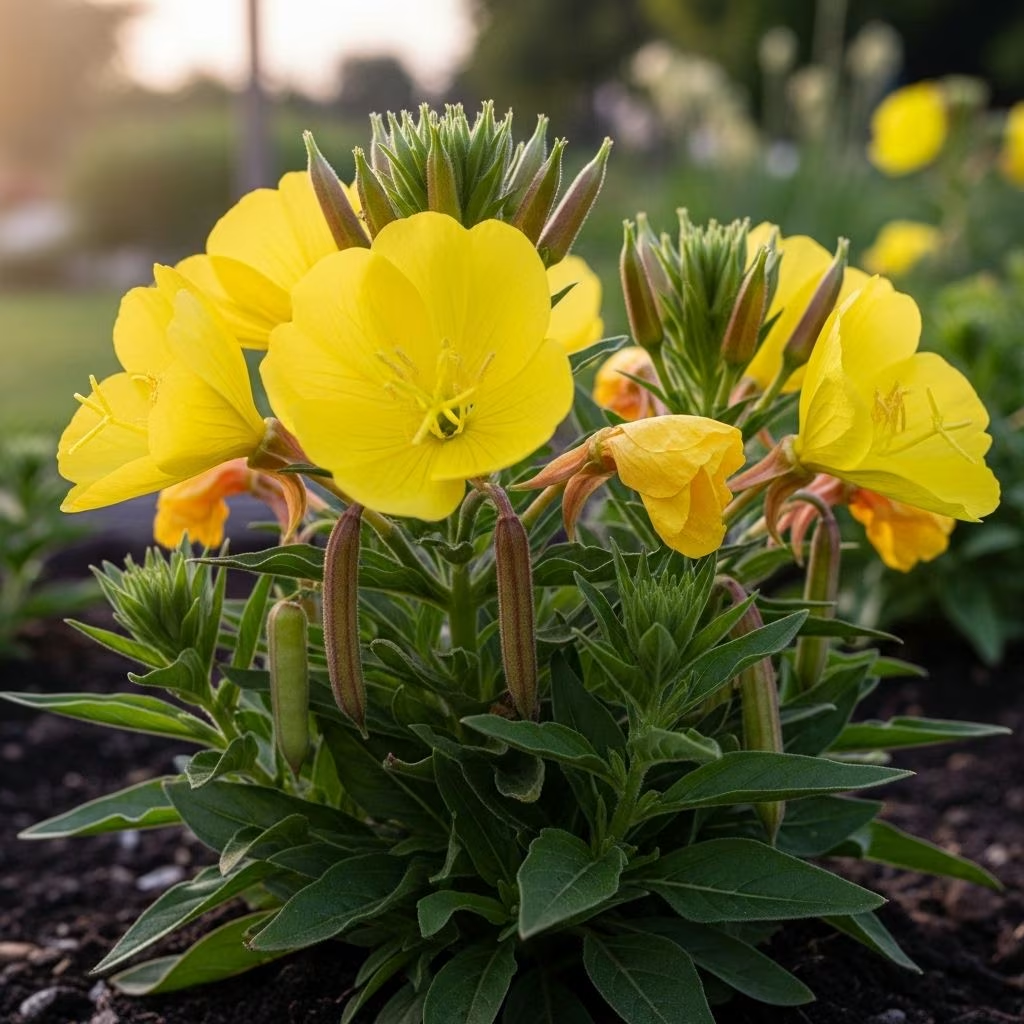
Oenothera macrocarpa is distinguished by its large, saucer-shaped yellow flowers that resemble teacups, typically 3–4 inches wide. The blooms open in late afternoon and remain open through the following morning, making them highly attractive to nighttime pollinators like hawk moths and sphinx moths. Leaves are a lush green, and multiple short, red-tinged stems sprawl across the ground, creating a striking groundcover effect.
Among its notable features:
- Fragrant flowers emit a mild, pleasant scent during their bloom period.
- Flowers only last one day, but new blooms appear continuously from spring through mid-summer.
- Foliage is dense and trails close to the ground, ideal for erosion control and as a living mulch.
- After blooming, the plant forms distinctive seed pods which split open in fall and self-sow effectively, ensuring future colonies.
How to Plant Oenothera Macrocarpa
Successful cultivation of Missouri evening primrose starts with careful site and soil selection followed by appropriate planting techniques:
Site Selection
- Sun Exposure: Prefers full sun for robust growth and optimal flowering.
- Soil Type: Thrives in well-drained, sandy or rocky soils; tolerates poor soils but avoids waterlogged conditions.
- Spacing: Space plants 18–24 inches apart to accommodate sprawling habit.
Planting Tips
- Seed Sowing: Seeds can be directly sown outdoors in spring or fall. Lightly cover seeds with fine soil and keep moist until germination (up to 4 weeks).
- Transplanting: Nursery-grown plants or divisions can be transplanted after danger of frost has passed.
- Container Planting: Choose low, wide containers with excellent drainage for growing Oenothera macrocarpa in pots.
- Watering at Planting: Water well after planting but avoid saturated soil; seedlings tolerate dry conditions once established.
Growing and Care Tips
Missouri evening primrose offers low maintenance and high resilience when you follow a few basic care principles:
- Watering:
- Initially keep soil consistently moist for young plants.
- Once established, evening primrose is highly drought-resistant and prefers dry soil over wet.
- Fertilization:
- Generally does not require feeding—too much fertilizer may reduce blooms.
- For poor soils, a light application of compost in spring is sufficient.
- Pruning:
- Remove spent flowers in late summer for a tidier appearance and to reduce self-seeding if desired.
- Trim back stems in winter or early spring, removing dead material.
- Mulching:
- A thin layer of gravel or sand helps retain soil dryness and inhibits weeds.
Propagation Methods
Oenothera macrocarpa multiplies readily and can be propagated by seed or division:
- Seed Propagation:
- Collect seed pods when they begin to split open in late fall.
- Mix seeds with sand for even sowing.
- Scatter directly into prepared beds or pots, lightly covering with soil.
- Seeds self-sow annually, generating new colonies effortlessly.
- Division:
- In early spring or fall, dig up mature plants and gently separate clusters of roots.
- Replant divided sections with adequate spacing to avoid overcrowding.
Companion Planting
The ground-hugging nature and bright color of Oenothera macrocarpa make it an excellent companion for other drought-tolerant perennials and wildflowers:
- Pair with salvia, coreopsis, gaillardia, and penstemon for a vibrant, pollinator-friendly bed.
- Mix with ornamental grasses for texture contrast and increased pest resistance.
- Combine with other native evening primroses for extended seasonal interest and diverse habitats for beneficial insects.
Troubleshooting & Maintenance
While generally trouble-free, Oenothera macrocarpa has a few concerns worth noting:
- Invasiveness:
- Self-seeds prolifically. To prevent unwanted spread, deadhead after flowering or remove seed pods before they split.
- Can establish dense colonies, out-competing less vigorous neighbors if unmanaged.
- Pests & Diseases:
- Rarely affected by pests. Occasionally susceptible to root rot if soil stays too wet.
- Good airflow, dry soil, and full sun greatly limit disease issues.
- Maintenance Tips:
- Regularly monitor for excess spreading, especially near borders or lawns.
- Use gravel mulch to suppress weeds and maintain healthy airflow around the base.
Uses and Benefits
Missouri evening primrose offers multiple garden and ecological benefits:
- Pollinator Support: Flowers open at dusk, providing food for nocturnal pollinators such as hawk moths and sphinx moths.
- Groundcover: Dense trailing stems create a living mulch and help prevent erosion on slopes.
- Long Bloom Season: Flowers persist from early spring into mid-summer, bridging gaps between other blooming plants.
- Wildlife Habitat: Foliage and seed pods offer shelter and food for native insects and small animals.
- Low Maintenance: Thrives in difficult soils, requires little care once established, suitable for xeriscaping.
Frequently Asked Questions (FAQs)
Q: How quickly does Oenothera macrocarpa spread?
A: Once established, it self-seeds prolifically and spreads via its sprawling stems. Regular deadheading or removal of seed pods can help manage its spread if you prefer controlled growth.
Q: Is Oenothera macrocarpa invasive?
A: In some garden settings, its vigorous growth and self-sowing nature may make it appear invasive or out-compete other plants. In its native range, it helps build dense groundcover and supports pollinators. Consider site-specific guidance if planting outside its natural habitat.
Q: What pollinators does Missouri evening primrose attract?
A: Missouri evening primrose primarily attracts nighttime pollinators such as hawk moths and sphinx moths, which feed on the nectar during the evening and early morning. The bright yellow color and mild fragrance also attract some daytime insects.
Q: Can I grow Oenothera macrocarpa in containers?
A: Yes, with careful attention to drainage and using shallow, wide pots, Missouri evening primrose grows well in containers and can be moved to highlight its long-lasting blooms on patios or balconies.
Q: Do the flowers have fragrance?
A: The blooms emit a mild, pleasant fragrance that serves to attract nighttime pollinators during each flower’s single-day bloom.
Q: What is the best time to plant evening primrose seeds?
A: Seeds should be sown in early spring or fall when soil temperatures encourage quick germination and establishment. For maximum results, collect mature seed pods in late fall and sow immediately or store for spring planting.
Summary
Oenothera macrocarpa is ideal for gardeners seeking vibrant, low-maintenance color and pollinator support in sunny, dry sites. Its unique blooming habits, adaptability to poor soils, and ground-hugging growth make it a versatile choice for native gardens, erosion control, and wildlife habitats. With attention to its spreading tendencies, you can enjoy the abundant blooms and ecological benefits Missouri evening primrose provides for years to come.
References
- https://www.youtube.com/watch?v=5LWDBtYLigU
- https://www.epicgardening.com/oenothera-macrocarpa/
- https://www.thehighline.org/blog/2014/10/07/plant-of-the-week-evening-primrose/
- https://backyardforager.com/evening-primrose-aka-oenothera-biennis/
- https://plants.usda.gov/DocumentLibrary/plantguide/pdf/cs_oebi.pdf