About The Philodendron Gigas
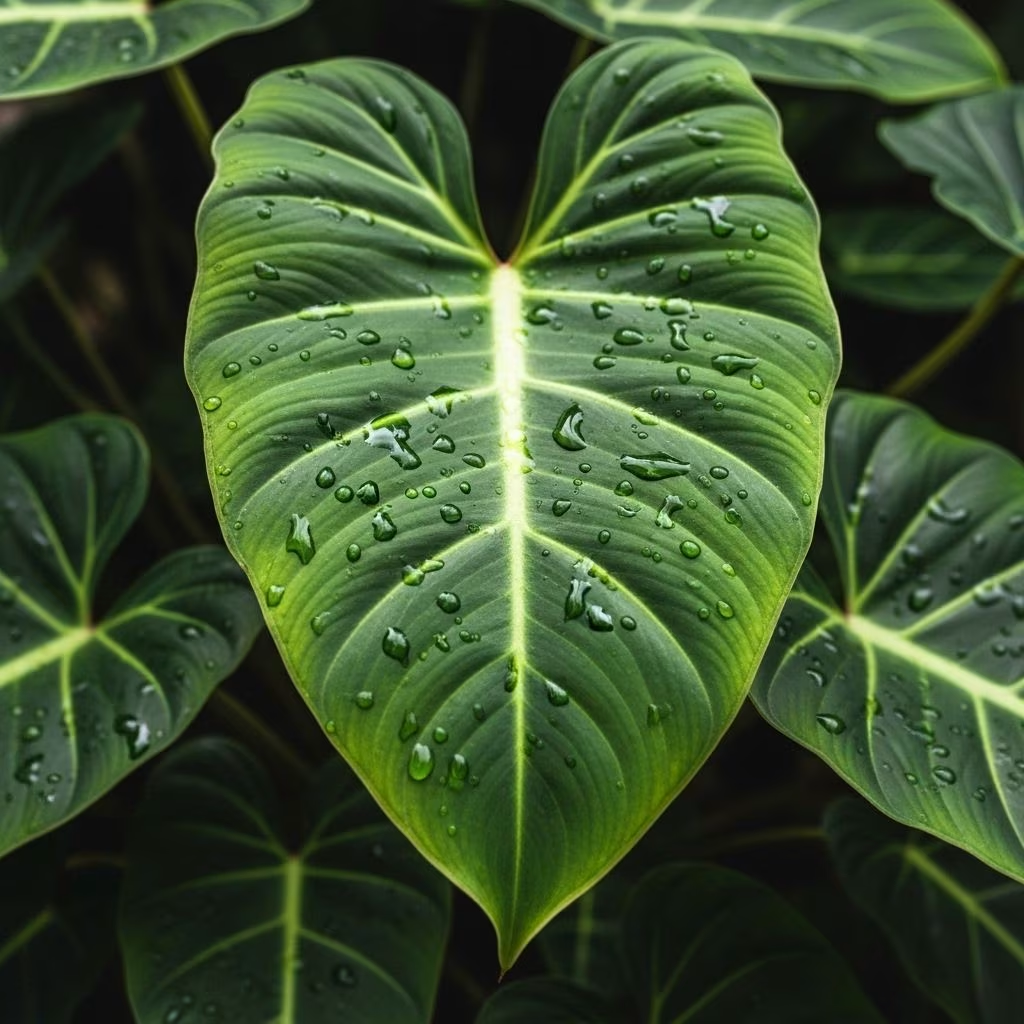
Philodendron gigas is a rare and coveted member of the araceae family, celebrated for its spectactular, velvety foliage and impressive growth. Discovered only around 25 years ago in the tropical forests of Panama, it quickly garnered attention among plant collectors for its dramatic, oversized leaves and intricate color transitions. Its new leaves emerge a rich coppery green before maturing into a deep, almost-black velvet, adorned with striking light green veins and white accents. Originally elusive, gigas is now more widely propagated due to high demand—yet it remains a prized find for enthusiasts.
- Native Region: Panama’s tropical forests
- Foliage: Large, velvety leaves featuring tri-color green, copper, and dark hues
- Growth Habit: Fast-growing climber or trailer
- Rarity: Once rare, now more accessible through propagation
Unique Features of Philodendron Gigas
Beyond its rarity, Philodendron gigas stands out for its vibrant color shifts and plush leaf texture. Leaves begin their life with a coppery-green shade and gradually transition to deep green or nearly black, each carpeted in a velvety finish that encourages closer inspection. Light green veins add contrast, further enhancing its ornamental value. Mature plants display leaves that reach up to 3–4 feet long in the wild; indoor specimens typically produce leaves about 12 inches long but with equal visual impact.
| Feature | Description |
|---|---|
| Leaf Texture | Soft, velvet-like; almost black in low light |
| Leaf Color | Coppery green to deep green; light veins |
| Growth Type | Vining climber or trailing plant |
| Indoor Mature Size | Up to 8–10 feet tall with support |
| Outdoor Mature Size | Can reach 65 feet in native settings |
Ideal Environment for Philodendron Gigas
Philodendron gigas thrives best in conditions that mimic its natural jungle habitat—warm temperatures, high humidity, bright indirect light, and well-aerated soil. Though adaptable, proper environmental management is essential for producing its largest and healthiest leaves.
- Light: Prefers bright, indirect sunlight. Position near an east-facing window or several feet from south/west exposures where it won’t get scorched by direct rays.
- Temperature: Optimal range is 70–85°F (21–29°C); avoid temperatures below 55°F (13°C).
- Humidity: High humidity (60%+) encourages lush leaf growth; consider pebble trays, misting, or humidifiers indoors.
- Soil: Use an aroid mix—well-draining, chunky soil containing orchid bark, perlite, coco coir, and peat for moisture retention without waterlogging.
How to Plant Philodendron Gigas
Planting gigas correctly is foundational to its long-term success and vigor. Opt for pots with drainage holes and mimick jungle conditions by using an airy mix offered by aroid-specific blends.
- Choose the Right Container: Pick a spacious pot with adequate drainage.
- Prepare the Soil: Blend orchid bark, perlite, peat moss, and a measure of slow-release fertilizer; avoid compacted soil.
- Potting Technique: Gently loosen root-bound sections if transplanting; position the root crown slightly above the soil line to prevent rot.
- Water Initial Planting: Water thoroughly until it drains freely, then allow the top soil to partially dry before subsequent waterings.
Philodendron Gigas Care Instructions
Light Requirements
Philodendron gigas demands bright but indirect light; too much direct sun can scorch the velvety foliage, resulting in permanent damage. East-facing windows, or a spot set back from south/west windows, are ideal. In low-light conditions, growth slows and leaves may lose some of their signature coloration. Rotate the pot occasionally for even leaf development.
Watering Needs
- Allow the top 2–3 inches of soil to dry out between waterings.
- Water more frequently in summer, sparingly in winter.
- Always use room-temperature water to avoid shocking the roots.
- Signs of underwatering: droopy, limp leaves.
- Signs of overwatering: yellowing leaves, mushy stems, root rot.
Humidity and Temperature
This plant adores humidity levels above 60%, but can still adapt to most household conditions if provided regular misting or humidity trays. Aim for stable indoor temperatures, and shield from drafts or sudden cold exposure. Growth peaks in warm, humid environments.
Soil and Potting Mix
- Use a premium aroid mix: coco coir, orchid bark, perlite, and some activated charcoal.
- Ensure excellent drainage to minimize root rot risk.
- Repot annually to refresh nutrients and prevent compaction.
Fertilizing
Gigas is a rapid grower and exhausts soil nutrients fast—in containers, regular fertilizing is essential. Use a balanced houseplant fertilizer (20-20-20 NPK) enriched with micronutrients. During the growing season (spring/summer), feed every 4–6 weeks; taper off in winter. For enhanced foliage, opt for fertilizer with slightly higher nitrogen.
Growth Rate, Height, and Spread
- Fast-growing; can double/triple in size per year if conditions are right.
- Indoors: climbs to about 8–10 feet when staked or allowed to trail from baskets.
- Outdoor/wild: reaches up to 65 feet; leaves span up to 4 feet long.
Propagation of Philodendron Gigas
Propagating gigas is rewarding and not overly complicated. The primary method is stem cuttings, which root easily due to the plant’s vigorous growth.
- Prepare Materials: Sharp, sterilized scissors; moist sphagnum moss or water; optional rooting hormone.
- Take Cuttings: Cut a stem section just below a node with at least one healthy leaf attached.
- Rooting: Place the cutting into moist sphagnum moss or water, ensuring the node is submerged or enveloped.
- Monitor Environment: Keep in bright, indirect light, maintaining high humidity; roots develop within 4–6 weeks.
- Pot Up: Transfer to a small pot with aroid mix once roots are 1–2 inches long.
Pest and Disease Management
Like most philodendrons, gigas is generally resilient but can occasionally be afflicted by pests and diseases, especially if environmental conditions falter.
- Common Pests: Spider mites, mealybugs, and scale insects—treat with insecticidal soap or neem oil.
- Disease Concerns: Root rot and bacterial leaf spot—ensure proper watering and ventilation; promptly remove affected foliage.
- Preventative Care: Regularly inspect leaves (both sides), isolate new plants, and keep growing conditions stable.
Repotting Philodendron Gigas
Repot gigas annually or whenever roots appear crowded. Use a slightly larger pot and always refresh the soil mix for optimal aeration and nutrient delivery. During repotting, inspect for root damage and prune unhealthy roots as needed.
Pruning and Training
Philodendron gigas flourishes as a climber, producing larger leaves when trained vertically. Employ a moss pole, trellis, or sturdy stake to encourage upward growth.
- Prune to remove yellow, dead, or crowded foliage; helps redirect plant energy to healthy growth.
- Regular pruning can help contain size and promote bushier growth.
- Pinch or trim vines to shape as desired.
Troubleshooting Common Problems
| Symptom | Possible Cause | Solution |
|---|---|---|
| Yellowing Leaves | Overwatering, low humidity | Let soil dry out, increase humidity |
| Stunted Growth | Insufficient light or nutrients | Increase light exposure, fertilize regularly |
| Browning Leaf Edges | Low humidity, salt buildup | Mist the leaves, flush the soil occasionally |
| Wilting | Underwatering or root rot | Adjust watering schedule accordingly |
Frequently Asked Questions (FAQs)
Q: How often should I water my Philodendron gigas?
A: Water whenever the top 2–3 inches of soil are dry, typically once a week but frequency depends on environmental humidity and temperature.
Q: Do I need to mist my Philodendron gigas?
A: While not mandatory, misting can increase humidity and reduce brown edges, especially in dry climates or heated rooms.
Q: What’s the best fertilizer for gigas?
A: Use a balanced houseplant fertilizer; formulas with extra nitrogen support vigorous foliage growth, especially during the growing season.
Q: Is Philodendron gigas safe for pets?
A: No, like most aroids, it is toxic if ingested by cats, dogs, or humans. Keep out of reach of pets and children.
Q: Can I grow gigas outdoors?
A: Only in USDA hardiness zones 9b–11; otherwise, gigas makes an exceptional houseplant.
Summary Tips for Success
- Provide bright, indirect light and high humidity.
- Water when topsoil is dry, ensuring drainage.
- Feed every 4–6 weeks during spring/summer with balanced fertilizer.
- Train on a moss pole or trellis for larger, healthier leaves.
- Check leaves regularly for early signs of pests or disease.
Philodendron Gigas Care Cheat Sheet
| Aspect | Best Practice |
|---|---|
| Light | Bright, indirect sunlight |
| Watering | Let topsoil dry out; avoid soggy roots |
| Humidity | 60% or higher preferred |
| Soil | Chunky, well-draining aroid mix |
| Fertilizing | Monthly, balanced formula with micronutrients |
| Support | Moss pole/trellis for climbing |
| Propagation | Stem cuttings in moss or water |
| Repotting | Every 12–18 months or as needed |
Final Notes
Philodendron gigas delivers exceptional charm and growth for the discerning collector or houseplant lover. By following these expert guidelines—from ideal light and watering, through propagation, fertilization, and disease management—you’ll be rewarded with lush, velvety foliage and vigorous vines. As accessibility improves, gigas remains a statement piece for any botanical collection, whether trailing from a hanging basket or scaling a moss pole in your living room. With proper care, this rare Panamanian climber will continue to thrive and impress for years to come.