How to Plant, Grow, and Care for Plumbago Flowers
Plumbago is a vibrant, eye-catching shrub native to South Africa, celebrated for its profuse blue or white blooms and its adaptability to a range of garden styles. Whether you’re looking to brighten up a tropical landscape, fill a spacious container, or grow a versatile indoor plant, Plumbago offers year-round interest when properly cared for.
What is Plumbago?
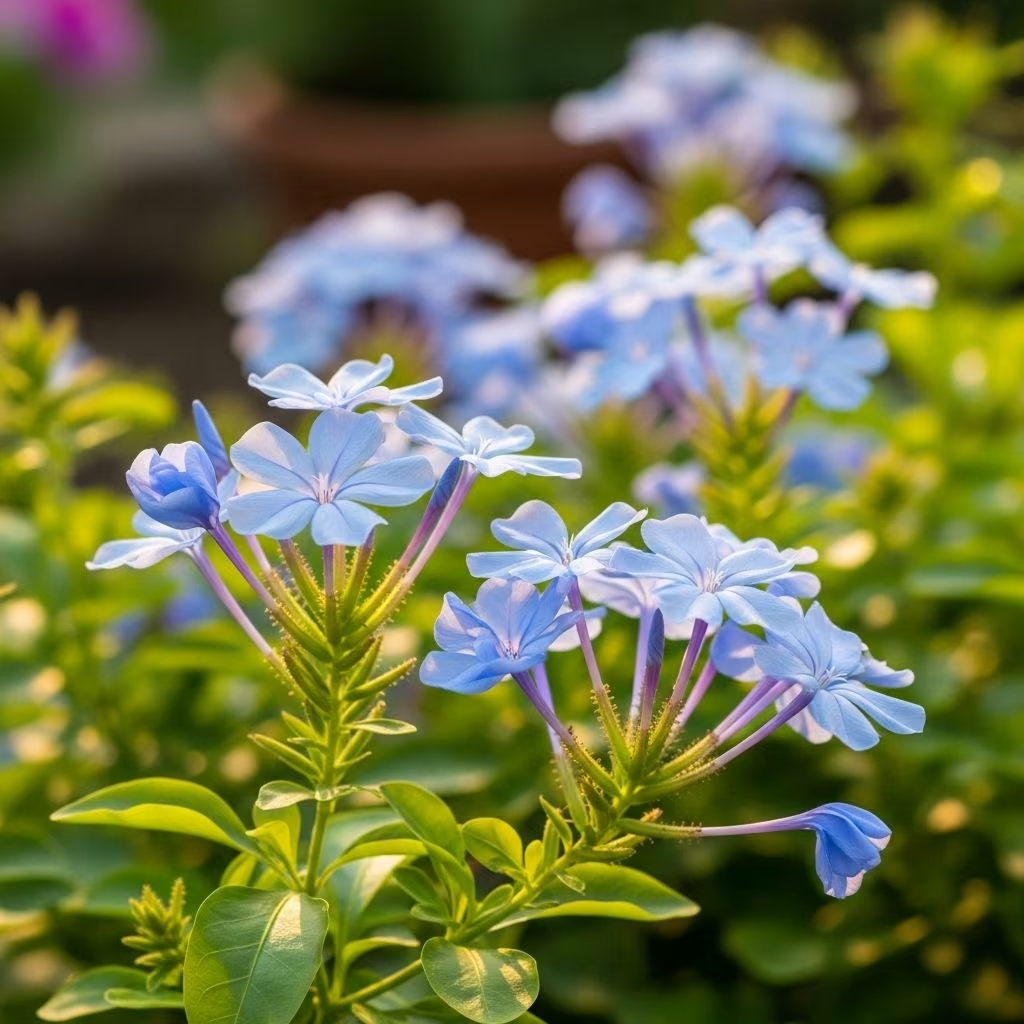
Plumbago (Plumbago auriculata), also known as Cape leadwort or blue plumbago, is an evergreen or semi-evergreen shrub that thrives in USDA zones 9-11. It’s known for clusters of delicate, phlox-like flowers that often bloom year-round in warm climates. With minimal care, it can serve as a climbing annual, a trailing accent, or a dense shrub in informal or cottage gardens.
- Origin: South Africa
- Common Types: Blue plumbago, white plumbago
- Blooming: All year in tropical climates
- Habit: Can grow upright, sprawl, or climb with support
- Light Needs: Prefers full sun, tolerates partial shade
Key Features of Plumbago
- Fast-growing
- Evergreen in warm zones
- Attracts butterflies and pollinators
- Low maintenance with proper care
- Edging, ground cover, cascading, or potted plant
Popular Plumbago Varieties
The Plumbago genus encompasses several species, but Plumbago auriculata dominates ornamental gardening, valued for its showy blue flowers. However, there are a few notable types to consider:
- Blue Plumbago: (Plumbago auriculata) The classic with soft blue to powder-blue blooms, most commonly found in gardens.
- White Plumbago: (Plumbago auriculata ‘Alba’) A less common variant featuring pure white flowers, offering elegant contrast in mixed borders.
- P. indica: (Scarlet Plumbago) Less cold-hardy, this variety offers vivid red flowers and is primarily grown in tropical regions.
These varieties are native to tropical and subtropical regions and bloom prolifically under the right conditions.
How to Grow Plumbago
Plumbago thrives with relatively little intervention, but it performs best when a few key elements are met. If you’re gardening outside USDA zone 9-11, consider growing it as a container plant that can be moved indoors during the colder months.
Light Requirements
Sun exposure is vital for lush growth and abundant flowering. Plumbago needs at least six hours of direct sunlight per day and will flourish with even more.
- Outdoor plants: Plant in a spot with full sun—more than six hours preferred.
- Indoor plants: Place near the sunniest window or use a grow light to ensure robust growth.
- Seedlings: While young, shade outdoors to prevent scorch and keep the soil moist until established.
Soil Preferences
For healthy, flourishing plants, well-draining soil is essential.
- Loamy, sandy soils recommended
- Tolerates a range of pH, but prefers slightly acidic to neutral (pH 6.0-7.5)
- Amend heavy clay with compost or coarse sand for drainage
Watering Needs
Consistent moisture promotes abundant blooms, but Plumbago tolerates short dry spells once established.
- Water deeply after planting to help roots establish
- 1 inch of water per week is generally sufficient in average conditions
- Water more frequently during intense heat or if growing in sandy soils
- Container plants may require more frequent watering, especially outdoors in summer
Temperature and Climate
- Best outdoors in zones 9-11: Evergreen with blooms all year in frost-free areas
- Below zone 9: Grow as an annual or overwinter indoors; frost kills aboveground growth
- Minimum temperature: Can survive occasional dips to 32°F (0°C), but dies back to roots in cold
Even if frost damages foliage, Plumbago often regrows from roots in spring in milder climates.
Planting Plumbago
- Plant in spring after all threat of frost has passed.
- Space plants 2–4 feet apart, depending on cultivar and desired spread.
- Dig holes as deep and wide as the nursery container.
- Gently remove plant from its container, loosen roots, and place in the hole.
- Backfill with native soil mixed with compost if needed, and firm in gently.
- Water well to settle the soil and eliminate air pockets.
Plumbago can be used as a freestanding shrub, a cascading accent in containers, or as an informal hedge or border. Its sprawling habit suits naturalistic and cottage garden designs especially well.
Fertilizing Plumbago
- Apply a balanced fertilizer (e.g., 10-10-10) at the start of the growing season.
- Feed again in mid-summer for extended blooming.
- In nutrient-poor soils, feed lightly every 4–6 weeks during the growing season.
- Avoid over-fertilizing, which can promote lots of foliage growth at the expense of blooms.
Pruning and Maintenance
- Prune regularly to control shape and encourage fuller growth.
- Remove spent blooms and weak stems to stimulate new flowers.
- Cut back hard in early spring if plants become leggy or overgrown; this reinvigorates the shrub.
- Wear gloves—Plumbago’s stems produce a sticky sap that can adhere to skin and clothing.
How to Propagate Plumbago
Plumbago is easy to propagate both from stem cuttings and root cuttings, enabling gardeners to multiply their stock or share with friends.
Stem Cuttings
- Take 3–4 inch cuttings just below a leaf node, ideally in spring or fall.
- Remove leaves from the lower half of the cutting.
- Dip cut tip in rooting hormone (optional, increases success rate).
- Plant in moist, sterile potting mix—keep humidity high and avoid direct sun until rooted.
Root Cuttings
- Best done in late winter to early spring using 2–6 inch pieces of mature root (1/4 to 1/2 inch diameter).
- Bury horizontally under 1/2 inch of rooting medium.
- Keep moist and warm until new shoots appear.
Seed Propagation
While possible, seed propagation can be slow and is less common. Cuttings offer much quicker results and maintain characteristics of the parent plant.
Common Pests & Diseases
Plumbago is generally pest and disease resistant but occasional issues can arise:
- Aphids – Can cluster on new growth. Treat with insecticidal soap or a firm spray of water.
- Spider mites – Cause stippling, especially in dry conditions. Increase humidity and wash foliage.
- Whiteflies – Tiny white flying insects found under leaves; use yellow sticky traps or neem oil spray.
- Mealybugs – Cottony masses in leaf axils; treat with rubbing alcohol dabbed on pests or insecticidal soap.
- Root rot – Caused by poorly drained soils; avoid excess watering and amend the soil as needed.
Proactively inspect foliage and maintain good airflow to keep problems in check. Plumbago has very few serious threats and is valued for its overall resilience.
Uses in the Landscape
- Hedges and borders: Plumbago makes a lush, flowering hedge in mild climates.
- Container planting: Works well in large pots; brings a tropical feel to patios and screened porches.
- Ground cover: The rambling, sprawling growth habit can fill wide spaces quickly.
- Mixed plantings: Combine with plants with contrasting flowers or foliage for dramatic effect.
- Attracting wildlife: Abundant blooms lure butterflies and other pollinators.
Expert Growing Tips
- Regular pruning increases flowering and keeps growth in bounds.
- Deep, infrequent watering encourages deeper root development and prevents drought stress.
- Consider bringing containers indoors before frost, as plumbago is not frost-hardy.
- Mix with plants with silver leaves or warm-toned blooms for bold color contrast in beds or borders.
Troubleshooting Common Plumbago Issues
| Problem | Possible Cause | Solution |
|---|---|---|
| No flowers | Too much shade, overfertilizing with nitrogen | Move to sunnier spot, use balanced or bloom fertilizer |
| Yellow leaves | Overwatering, poor drainage, nutrient deficiency | Check soil drainage, reduce watering, amend soil or fertilize |
| Leggy growth | Insufficient light, need for pruning | Increase sun exposure, prune in spring |
| Sticky sap on skin | Normal for plumbago | Wear gloves and long sleeves when trimming |
| Frost damage | Cold weather outside hardiness range | Grow as annual or container specimen; move indoors in winter |
Frequently Asked Questions (FAQs)
Q: What climate is best for plumbago?
A: Plumbago thrives outdoors in USDA zones 9–11 as an evergreen shrub, but can be grown in containers and brought inside in colder regions.
Q: How fast does plumbago grow?
A: Plumbago is a fast grower, often reaching 3–10 feet in a season under ideal conditions—especially in warm, sunny climates.
Q: Can I grow plumbago indoors?
A: Yes. Plumbago can be grown as a houseplant in bright, sunny windows and trimmed as needed to manage size.
Q: Is plumbago deer resistant?
A: Plumbago is generally unpalatable to deer and is considered deer-resistant, making it suitable for landscapes where browsing occurs.
Q: How do you prune plumbago?
A: Prune lightly during the growing season to shape, and cut back more heavily in late winter or early spring to stimulate new growth and more blooms.
Q: What companion plants work well with plumbago?
A: Plumbago pairs beautifully with silvery-foliaged plants (like artemisia or dusty miller), or those with pink, yellow, or white flowers for pleasing contrast.
Final Thoughts on Plumbago
Plumbago is a rewarding, low-maintenance addition to gardens that enjoy long, warm growing seasons. Its striking blue or white blossoms, adaptable habit, and easy-care nature make it a reliable choice for borders, hedges, containers, or cascading accents. With a little attention to sun, water, and periodic pruning, gardeners in a wide range of climates can enjoy plumbago’s lovely and prolific blooms throughout much of the year.