Should You Fertilize Your Lavender Plants?
Lavender is a favorite among gardeners for its striking blooms, delightful fragrance, pollinator support, and resilience. But when it comes to fertilizing, this revered Mediterranean herb breaks almost every common gardening rule. Should you fertilize your lavender—or is it better left unfed? This comprehensive guide explores everything you need to know about the nuances of lavender nutrition and care.
The Unique Needs of Lavender
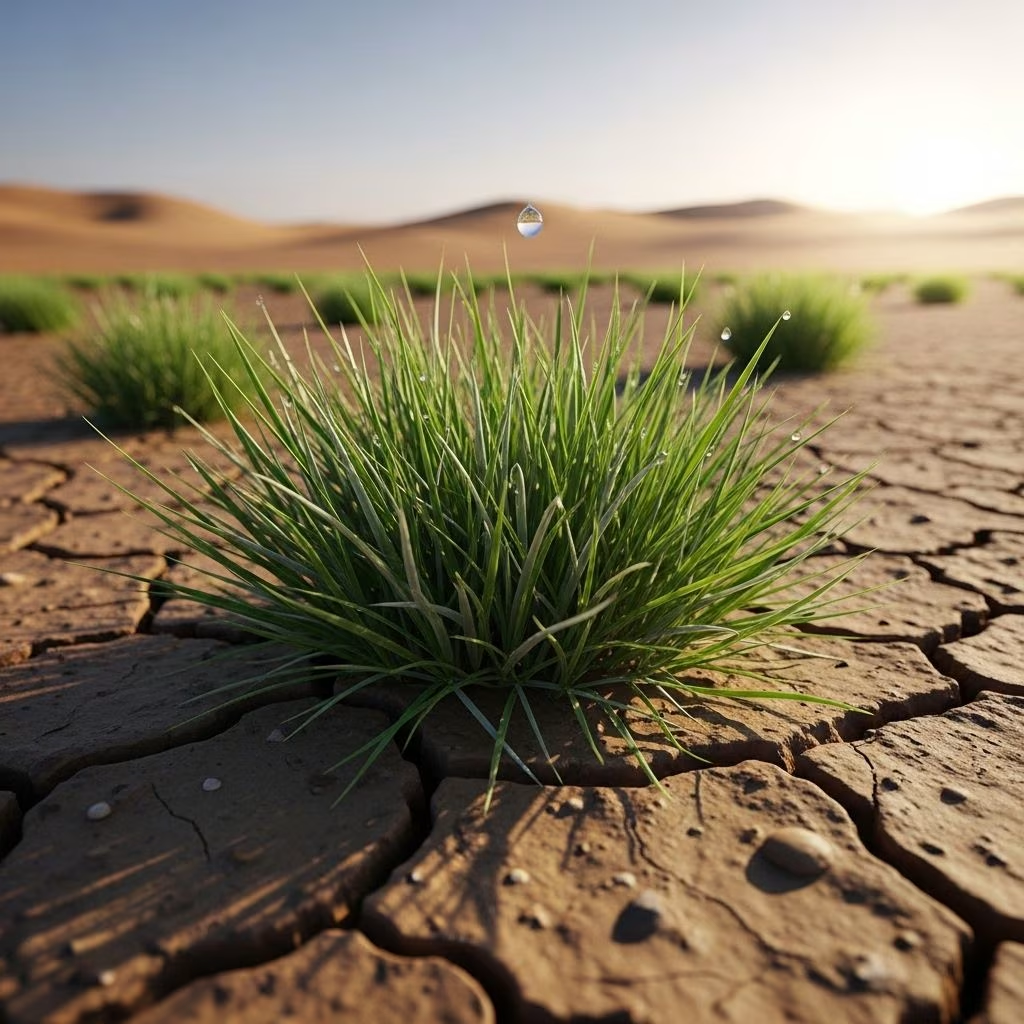
Unlike many vegetables and ornamentals that crave rich, loamy soil, lavender thrives in dry, gritty, nutrient-poor environments. Its natural habitat is the rocky hillsides and coastal slopes of the Mediterranean, where water and nutrients are scarce. Over generations, lavender has adapted to not just tolerate but prefer neglect—and that includes minimal food.
- Native habitat: Mediterranean, arid, and rocky soils
- Key adaptation: Tolerates drought and poor soil
- Main requirement: Well-draining soil, low moisture, and minimal fertility
The Consequences of Over-Fertilizing Lavender
For most plants, more nutrition equals healthier growth and more blooms. Not so for lavender. Excess fertilizer, especially nitrogen, can have the opposite effect and even be harmful.
- Excess Nitrogen: Promotes lush foliage but reduces bloom production.
- Poor Airflow: Denser leaves retain moisture, inviting fungal diseases.
- Weaker Aroma: Overgrown plants may lose characteristic fragrance.
- Potential Death: Overfeeding can stress or even kill mature plants.
Lavender grown in over-fertilized soil typically becomes leggy, floppy, and more susceptible to root rot and pest issues. Avoid synthetic quick-release fertilizers at all costs—their high nitrogen content is particularly damaging for lavender.
The Short Answer: Skip the Fertilizer—Mostly
Most lavender plants do not require fertilizer. The only exception is the occasional application of organic compost or specific trace minerals, usually at planting—or very sparingly once a year. Even then, moderation is key.
- Avoid regular feedings and commercial chemical fertilizers.
- For established plants, a thin layer of compost in early spring may be sufficient.
- Trace minerals (such as calcium) can help, especially in very poor soils, but only in small doses.
If your lavender looks healthy and blooms reliably, there’s no need to fertilize.
Lavender’s Soil and Fertilizer Preferences
Understanding lavender’s natural preferences is the foundation of successful, low-maintenance care. Here’s what lavender loves in the garden:
- Soil type: Sandy, gravelly, or rocky soils that drain quickly
- Nutrient content: Low fertility, minimal organic matter
- Soil pH: Slightly alkaline (pH 6.5 to 8)
- Amendments: Only as needed for structure or minor minerals
Healthy soil and drainage are more important than fertilizer for lavender’s success. Organic gardeners often add crushed eggshells or a sprinkle of bone meal to provide a gentle calcium boost, especially when planting in new ground.
When (and If) to Fertilize Lavender
Rarely will you need to fertilize established lavender, but some scenarios may warrant a small dose:
- Very poor, depleted soils: If you’ve tested your soil and it is severely lacking in minerals, consider adding compost or mineral amendments.
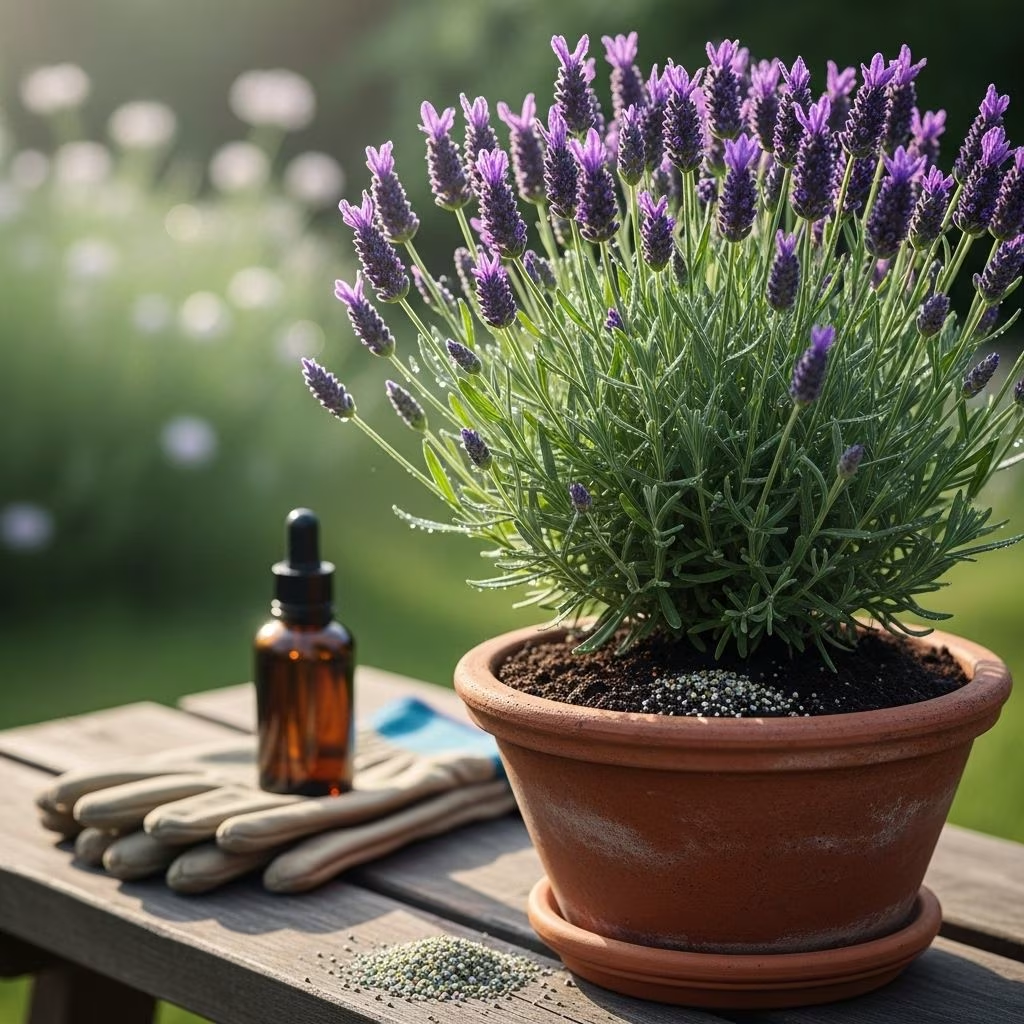
- Container-grown lavender: Potted plants may benefit from a light feeding, as nutrients can leach out with repeated waterings. Use a gentle, slow-release organic option, once a year at most.
- New plantings: Incorporating a small amount of compost into the planting hole can help young roots establish.
In general, spring is the only time to apply a minor amendment, preferably when you see new green shoots. Otherwise, leave your lavender alone and let it thrive!
How to Fertilize Lavender Safely
- Choose organic over synthetic: Compost, worm castings, or organic granular fertilizers are safest—avoid high-nitrogen blends.
- Dose lightly: Use minimal amounts; when in doubt, underdo it.
- Apply at the right time: Early spring is optimal; never feed after mid-summer.
- Don’t top-dress roots directly: Work the amendment into the soil around the root zone, not against the plant stem.
Best (and Worst) Fertilizers for Lavender
| Type | Safe for Lavender? | Notes |
|---|---|---|
| Compost | Yes (sparingly) | Apply a thin layer in early spring; avoid fresh, high-nitrogen composts |
| Bone Meal / Seaweed / Kelp | Yes (low nitrogen trace minerals) | Good for long-term soil health; add only as needed |
| Quick-release synthetic | No | Causes excessive leafy growth, disease, and possible plant death |
| General All-Purpose (High Nitrogen) | No | Discouraged; focus on low-nitrogen, long-release organics instead |
| Eggshells (Calcium) | Yes | Crushed eggshells can improve structure and mineral levels in poor soil |
Lavender Soil Preparation: The Key to Success
Starting your lavender off right is more important than any fertilizer application down the line. Prepare soil as follows:
- Check drainage: If your soil stays wet after rain, amend with coarse sand, gravel, or small stones.
- Edit fertility: Avoid adding manure or rich composts; a small amount of well-aged compost is enough.
- pH checks: If your soil is acidic (below 6.5), consider amending with lime or dolomite for better results.
- Test first: If unsure, a basic soil test can inform whether trace mineral additions are warranted.
It is far easier to get lavender established on well-prepared, free-draining soil once than to continually amend poor conditions later.
Lavender in Containers: Special Fertilizing Considerations
Potted lavender is a bit fussier when it comes to feeding:
- Containers lose nutrients faster due to watering and root confinement.
- Use a potting mix that mimics lavender’s preferences: 2 parts potting soil, 1 part horticultural sand or perlite.
- Apply a very diluted organic fertilizer no more than once yearly in spring.
- Never allow water to accumulate in trays beneath the pot; lavender hates wet feet!
Important Tips and Precautions
When considering any fertilizer for lavender, keep these best practices in mind:
- Less is more: Err on the side of underfeeding, not overfeeding.
- Always water in: If you apply any amendment, water it in lightly so nutrients settle into the root zone.
- Avoid foliar feeding: Never spray fertilizer directly on lavender foliage. This can burn delicate leaves and invite disease.
- Wear gloves and masks: When handling any fertilizer—organic or chemical—use proper protective gear.
- Read labels: Closely follow all directions on fertilizer packaging, and use only those approved for edible/medicinal plants if harvesting blooms.
Common Misconceptions About Lavender Fertilizer
- “All plants need regular fertilizer”: False. Lavender’s unique biology and native environment make fertilizer counterproductive.
- “More nutrition equals more flowers”: False. With lavender, added nitrogen means more leaves, fewer, less-fragrant flowers.
- “Compost is always good”: Not always. Fresh, unaged compost can burn young roots and overfeed the soil. If you use it, limit the amount and make sure it’s fully decomposed.
Frequently Asked Questions (FAQs)
Q: Can I use Miracle-Gro or other chemical fertilizers on lavender?
A: Avoid using synthetic, quick-release chemical fertilizers like Miracle-Gro on lavender. These products are too rich in nitrogen and can cause lush but floppy growth, weak blooms, and even plant death. Stick to organic, slow-release options used sparingly, if at all.
Q: What’s the best fertilizer for edible lavender?
A: For culinary lavender, use only organic amendments such as well-aged compost, seaweed, or bone meal. Avoid any chemicals that could impact flavor, aroma, or safety.
Q: Do I need to fertilize lavender grown from seed?
A: Seedlings may benefit from a single, very light application of an organic liquid fertilizer (at quarter-strength) after they reach several inches tall. However, too much fertilizer often disrupts healthy root and flower development.
Q: Why isn’t my lavender blooming?
A: Poor blooming is often caused by excess fertilizer, too-rich soil, or too much water. Focus on drainage and avoid feeding; most blooms return once nutrients drop to natural levels.
Q: What about trace minerals?
A: In very lean soils, trace minerals (such as seaweed for micronutrients or eggshells for calcium) may help support healthy blossom and plant structure. Still, apply these only once a year and never in excess.
Key Takeaways
- Lavender prefers poor soil and is one of the few garden plants that usually thrives on neglect.
- Fertilizing often does more harm than good—too much nitrogen leads to weak stems, disease problems, and fewer blooms.
- If your lavender is established and flowering well, skip the fertilizer altogether.
- If you must amend, focus on very light, organic, slow-release products and limit frequency to once annually in early spring.
- Monitor drainage, soil pH, and only add what is truly necessary for plant health.
Additional Resources
- How to Plant, Grow, and Care for Lavender
- Best Soil for Lavender: Preparation and Amendments
- Pruning Lavender for Maximum Blooms
- Common Lavender Diseases and How to Prevent Them