Just as humans suffer from sunburn, plants can experience sunscald: a form of tissue damage stemming from harsh sunlight, cold snaps, or rapid temperature swings. From cracking tree bark to pale, leathery tomatoes, sunscald afflicts a wide range of garden plants. Whether you grow fruit trees, solanaceous crops (like tomatoes and peppers), or tender annuals, understanding sunscald is vital for maintaining plant health and productivity.
What Is Sunscald?
Sunscald is a physiological disorder caused by extreme sun exposure or sharp temperature changes, damaging a plant’s tissue—be it bark, fruit, or leaves. Although the term is often associated with trees, it applies to many plant types. Sunscald arises in two main scenarios:
- Winter Sunscald (also known as “Southwest Injury”): Occurs during sunny, cold winter days, primarily affecting the southwest side of tree trunks.
- Summer Sunscald: Manifests during the hot months, impacting fruit, leaves, and sometimes young tree bark.
Both cases involve the rapid warming and cooling of plant tissue. In winter, bright sunlight heats up the bark, which later freezes during cold nights, causing the tissue to split. In summer, intense sun exposure “burns” exposed fruit and leaves, making them pale, leathery, or prone to rot.
Why Do Plants Get Sunscald?
Sunscald results when a plant’s tissue is suddenly exposed to stress—in the form of extreme light, warmth, or rapid temperature reversals.
- Trees (especially young, thin-barked species) are vulnerable before their bark matures and thickens.
- Fruits and vegetables with exposed surfaces (like tomatoes after leaf loss) are prone to direct sunlight damage.
- Sudden removal of protective leaves (through over-pruning or pest damage) increases the risk of sunscald on fruit crops.
- Snow reflection can aggravate winter sunscald by amplifying sunlight against tree trunks.
What Kinds of Plants Are Most Susceptible?
While any plant can be affected, sunscald most commonly impacts:
- Young fruit trees (apple, pear, cherry, plum, apricot, and their ornamental relatives)
- Vegetables in the nightshade family (tomatoes, peppers, eggplant)
- Vines and berries with delicate fruits (like grapes and some bush fruits)
- Shrubs with thin bark in exposed locations
Identifying Sunscald: Symptoms in Different Plants
Symptoms on Trees
- Cracking or splitting bark (usually on the southwest side)
- Discolored wood beneath the split area, often sunken or dried-out
- Potential cankers or entry points for pests and fungal diseases
Symptoms on Fruits and Vegetables
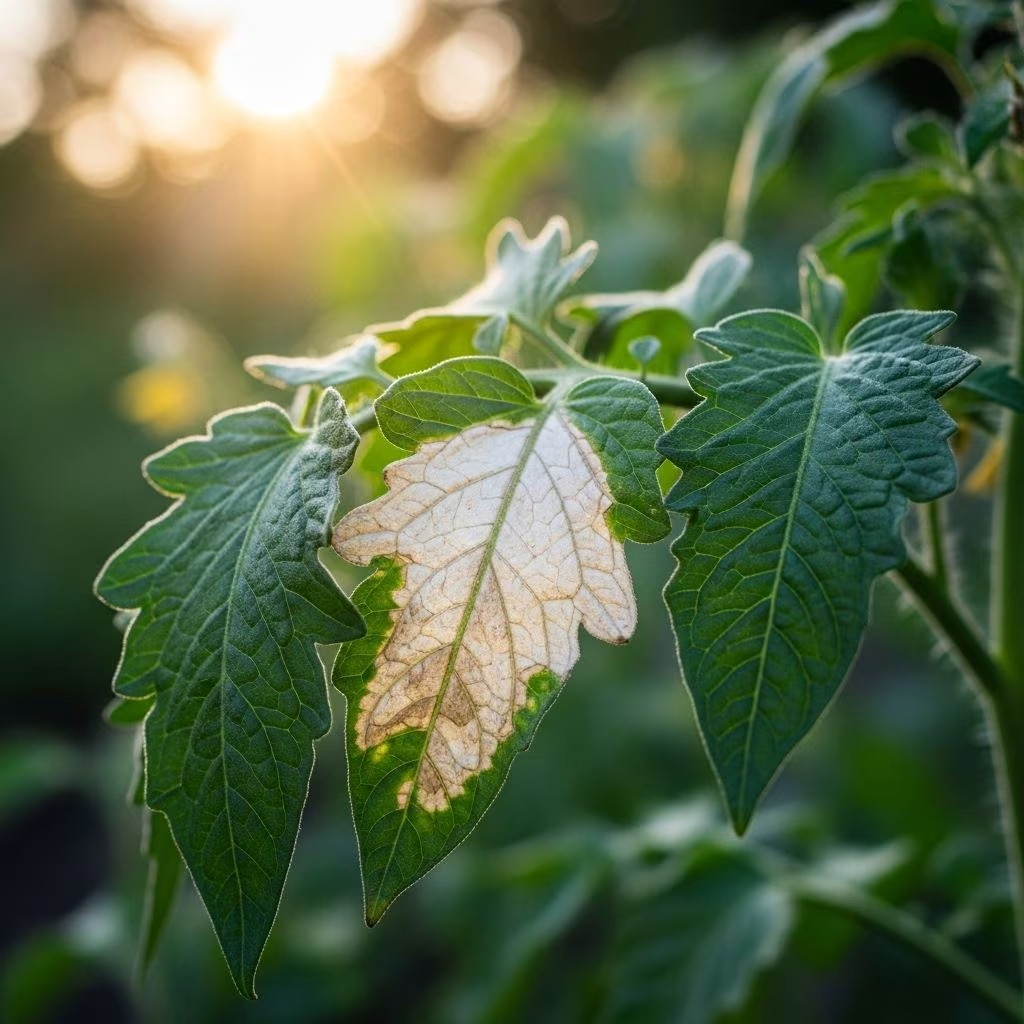
- Pale white, yellow, or leathery spots on sun-facing fruit (e.g., tomatoes, peppers)
- Water-soaked or blotchy patches that can become depressed, wrinkled, or papery
- Secondary rot and mold in the affected area as tissues degrade
- Reduced flavor, shelf life, and marketability of the produce
What Causes Sunscald: Key Triggers
| Plant Type | Primary Season | Main Triggers |
|---|---|---|
| Young Trees | Winter | Freezing/thawing due to bright sun on cold days |
| Tomatoes/Peppers | Summer | Loss of leaf cover exposing fruit to harsh UV |
| Other Fruits/Vegetables | Summer | Sudden exposure to direct sun, over-pruning, nutrient stress |
Detailed Breakdown: Winter vs. Summer Sunscald
Winter Sunscald (Southwest Injury)
- Occurs on bright, sunny days in late winter/early spring with freezing nights.
- Bark tissue thaws during the day but rapidly refreezes at night, causing splitting.
- Most prevalent on young, thin-barked trees before they develop naturally protective bark.
- The southwest side is most affected due to lowest sun angle and longest afternoon exposure.
- Reflected sunlight from snow can amplify damage.
Summer Sunscald
- Happens during periods of intense sunlight and heat.
- Fruits and leaves exposed after loss of shade, such as from over-pruning or pest feeding.
- Symptoms develop as pale, sunken spots on fruit skins (commonly seen on tomatoes and peppers).
- Prolonged exposure can lead to tissue collapse, rot, and poor fruit quality.
What Plants Are Most at Risk?
Certain plant types and situations dramatically increase sunscald risk:
- Recently planted or young trees that lack thick, mature bark
- Fruit trees in open, unshaded locations
- Vegetables with heavy pruning or pest damage to canopy
- Plants grown in regions with severe temperature fluctuations
How to Prevent Sunscald
Prevention for Trees
- Trunk Wrapping: Use light-colored tree wraps (such as white plastic guards, kraft paper wraps, or breathable white fabric) to protect the lower trunk from sun exposure during vulnerable years.
- Do not use black or dark wraps; these increase heat absorption.
- Ensure wraps are installed loosely enough to avoid girdling as the trunk expands.
- Trunk Painting: Dilute white latex (not oil-based) paint two parts paint to one part water, and brush onto the lower third of the trunk, focusing on the southwest side. The white color reflects excess sunlight and prevents rapid warming.
- Temporary Shields: Use materials like cardboard, pipe insulation, or even pool noodles as makeshift barriers during extreme weather swings.
- Plant Location: Site sensitive varieties where buildings, fences, or other trees provide natural afternoon shade, especially in their early years.
Prevention for Tomato and Vegetable Sunscald
- Maintain Healthy Foliage: Avoid over-pruning; the leaf canopy acts as a natural sunscreen for fruit.
- Address Pests Promptly: Control leaf-eating pests (like tomato hornworms) that strip leaves and expose fruit.
- Provide Temporary Shade: For heavily pruned or damaged plants, use floating row covers, shade cloth, or garden umbrellas during heatwaves.
- Water Wisely: Keep plants consistently watered (not waterlogged), as stressed plants lose leaves and develop less protective canopies.
- Choose Resistant Varieties: Some tomato and pepper varieties have thicker skins or leaves, offering better protection against sun injury.
Treatment: What to Do If Your Plants Have Sunscald
- Trees: There is no cure for existing sunscald damage, but you can prevent entry of disease by pruning away dead, loose, or decayed bark and keeping the wound area clean and dry. Avoid painting or covering with substances that trap moisture.
- Fruit and Vegetables: Remove damaged fruit to reduce the spread of rot. Promote healthy new leaf growth to shade any remaining fruits. Avoid over-fertilizing damaged plants, as too much nitrogen can stimulate weak, sappy growth.
Long-Term Strategies and Garden Planning
- Prioritize Shelter for Young Trees: Prioritize windbreaks or companion plantings for new orchards and exposed gardens.
- Rotate Crops and Adjust Spacing: Prevent overcrowding and ensure plants have room to develop healthy foliage.
- Regular Inspections: Monitor your garden for early signs of sun or frost damage—intervene before problems escalate.
- Mulch, Compost, and Water: Healthy soil helps plants resist stress and recover from minor injuries.
Frequently Asked Questions About Sunscald
Q: Can sunscald kill a tree or plant?
A: While sunscald rarely kills established trees outright, repeated or severe injury can open the way for fungal, bacterial, or insect attacks that threaten the plant’s long-term survival. Severely sunscalded fruit is typically inedible or prone to rot.
Q: Will tree wrap or white paint harm my tree?
A: No, as long as you use recommended materials (light-colored, breathable wraps or diluted, latex-based white paint). Do not use black, green, or oil-based coverings, as these may trap heat or harm tissue.
Q: How long do I need to protect young trees from sunscald?
A: Protection should remain in place until the tree develops thick, rough, and naturally protective bark—sometimes 2-5 years depending on species and growing conditions. Once the canopy shades the trunk, the risk is greatly reduced.
Q: Why does sunscald mostly occur on the southwest side of the tree?
A: The southwest side receives the most intense afternoon sunlight during critical winter and summer periods, especially in the northern hemisphere. This angle causes rapid temperature shifts and tissue stress.
Q: Can I eat fruits that have sunscald damage?
A: Fruits with minor, superficial sunscald can be harvested and trimmed before eating; however, those with extensive softening, mold, or rot should be discarded.
Key Takeaways for Gardeners
- Sunscald can afflict both trees and fruits in winter and summer; early detection is crucial.
- Prevention relies on maintaining healthy leaf canopies, proper tree wraps, trunk painting, and timely care.
- Left untreated, sunscald can reduce yields, shorten plant lifespan, and encourage diseases.
- Proactive measures—wraps, shade, good watering practices, and pest control—can save your harvest and trees from permanent harm.