The Great Cardamom Caper: How I Got Duped by an Impostor
Once upon a time—in 2017—I was caught up in the exuberance of growing exotic gingers at home: ginger, turmeric, and what I believed to be the prized cardamom. My windowsill was alive with lush, fragrant foliage, but beneath the surface lay an intriguing horticultural mystery waiting to be unraveled.
How Cardamom Became a Botanical Mystery
While I happily harvested aromatic leaves for culinary experiments, a reader’s keen observation set in motion one of the strangest garden capers I’ve ever encountered. My so-called cardamom was, in fact, not cardamom at all. This realization was both a humbling lesson and a gateway into the complicated world of ginger misidentification that still confounds home growers and nurseries in the United States.
False Cardamom vs. True Cardamom: Spotting the Difference
As it turns out, the true cardamom (Elettaria cardamomum) and its common impostor (Alpinia nutans) are so frequently confused that even reputable nurseries have unintentionally perpetuated the mix-up for decades. The plants differ dramatically in their:
- Flowering Pattern: True cardamom blooms close to soil level; false cardamom (often Alpinia nutans) flowers at the end of stems.
- Aroma: False cardamom has strikingly fragrant leaves, described as a blend of rose petals and incense; true cardamom leaves are not notably perfumed.
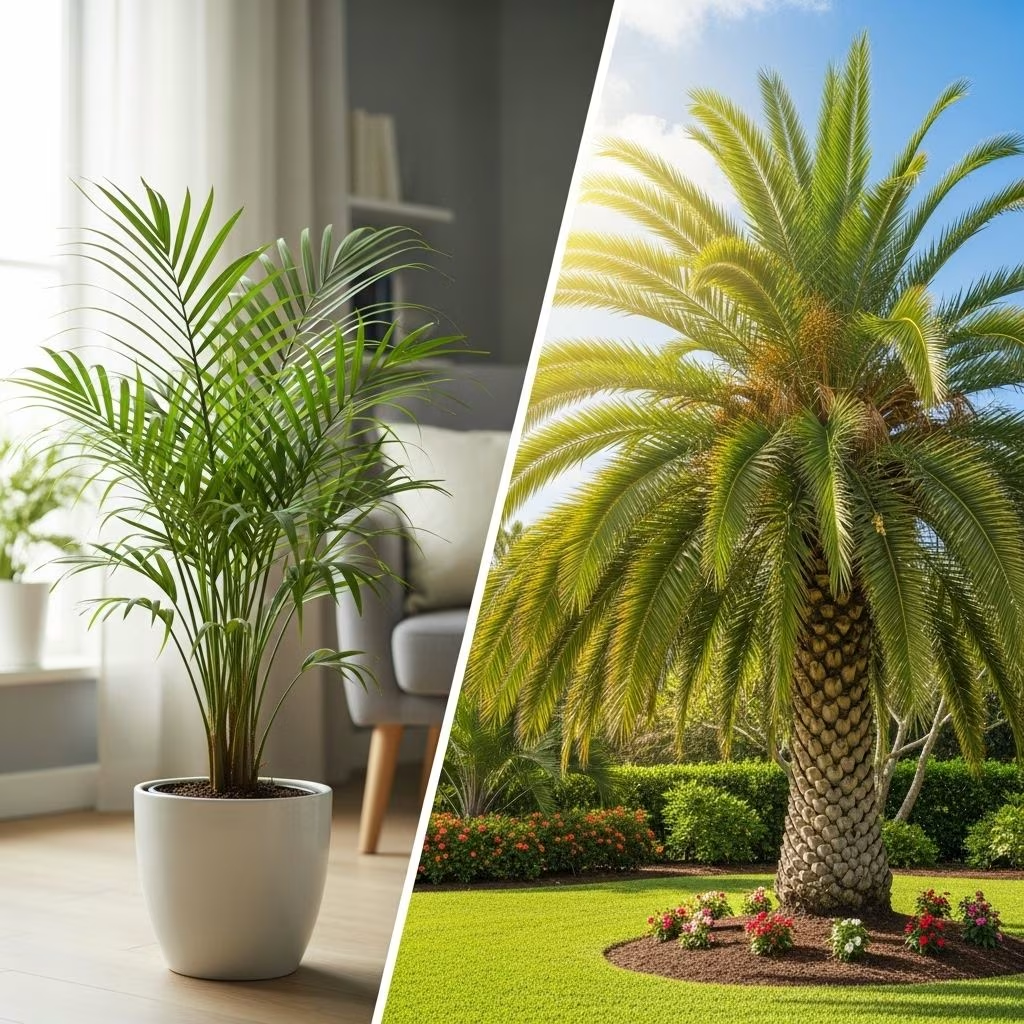
- Growth Habit: True cardamom is usually taller—reaching five to six feet—versus the three-foot stature of most false cardamoms.
| Feature | True Cardamom (Elettaria cardamomum) | False Cardamom (Alpinia nutans) |
|---|---|---|
| Flower Position | At soil level | At end of stems |
| Leaf Scent | Not fragrant | Strong, distinctive fragrance |
| Height | 5–6 feet | 3 feet |
| Likelihood of Flowering Indoors | Rarely, especially if overwintered inside | More likely |
| Seeds Produced | Aromatic, culinary spice | Not commercially valuable |
My Home-Grown Confession: The Mea Culpa
The pivotal moment came courtesy of readers fluent in botanical detective work. Randy Myers of Randy’s Tropical Plants in Florida—and other enthusiasts—pointed out the fundamental flaws in my identification. Myers explained that, even as a nursery professional, he had previously peddled the false cardamom as genuine because he’d been misinformed by suppliers. After seeing authentic plantations in Indonesia, the truth became obvious to him: the plants are very different, both in utility and appearance.
How Nursery Mix-Ups Happen
The mislabeling of cardamom isn’t simply a case of casual confusion—it’s a system-wide issue stemming from generations of incorrect assumptions. Peter Borchard, the founder of Companion Plants in Ohio, candidly explained that his own stock of “cardamom” was acquired from a supposed ginger expert. The error was unintentional but widespread. When Borchard realized the mistake, he set about rectifying it by hunting down the true spice, and even gifted one of his first genuine cardamom plants to help make amends.
Logee’s Greenhouse: Uncovering the Cardamom Truth
Byron Martin, who heads Logee’s Greenhouse in Connecticut, offered fresh insight into how the wrong plant dominated the trade for decades. For up to 70 years, nurseries routinely sold a three-foot plant with scented leaves as cardamom. When Martin obtained verified true cardamom from Hawaii, he noticed it grew taller and bloomed in a fashion that matched textbook descriptions. Even in Hawaii, however, the plants struggled to fruit reliably—underscoring the challenges of cultivating spice-grade cardamom outside its native habitat.
The Implications for Home Growers
For gardeners, the caper is both cautionary and exciting. Whether you’re a hobbyist or an aspiring indoor spice farmer, knowing how to distinguish true cardamom from impostors can save years of effort and confusion.
- Don’t rely solely on leaf fragrance as a sign of authenticity.
- Look for blooming patterns and stem length whenever possible.
- Purchase from nurseries that source their cardamom rhizomes directly from regions where it grows natively (India, Southeast Asia).
Why False Cardamom is Still Valuable
Despite its misidentification, Alpinia nutans (the false cardamom) remains a highly desirable plant for ornamental and culinary uses. Its lush foliage is both beautiful and fragrant, making it a favorite for cocktails, teas, and creative recipes. Gardeners praise its low-maintenance nature and robust growth indoors and out—not to mention that it’s generally easier to cultivate than true cardamom.
Expert Perspectives: From Nurseries to Botanists
Several nursery owners and plant experts contributed unique perspectives on the cardamom confusion:
- Randy Myers: Once sold false cardamom as the real thing until firsthand experience changed his view; favors Alpinia nutans for its practicality.
- Aaron Cagle: Biologist and owner of Wizard Tree Nursery, who made it his mission to sell only genuine cardamom propagated from Indian rhizomes, but was himself initially mistaken when a plant bloomed at the stem tip.
- Peter Borchard: Actively worked to correct mislabeled stock and educated customers on the difference.
- Byron Martin: Documented the historical prevalence of false cardamom and the challenges of authentic propagation, especially in the United States.
Common Questions on Cardamom Identification
Q: What is the best way to identify true cardamom?
A: Look for flowers that grow close to the ground, leaves without notable fragrance, and a plant height nearing six feet. Buy from reputable nurseries with clear provenance.
Q: Can I grow true cardamom indoors and get seeds?
A: Rarely. Blooms and seed production are difficult to achieve inside, especially if the plant is overwintered indoors. Most home growers will not see seeds.
Q: Is false cardamom harmful or useless?
A: Not at all. Alpinia nutans offers beautiful, aromatic foliage for ornamental, culinary, and aromatic uses. It’s valuable even if it’s not the spice of commerce.
Q: Why do nurseries still mislabel cardamom?
A: Historical precedent and long-standing supply chains perpetuate confusion, but informed buyers and sellers are changing this trend.
Tips for Sourcing Authentic Cardamom
- Ask nurseries specific questions about the provenance and species of their cardamom plants.
- Seek plants sourced directly from India, Sri Lanka, or Southeast Asia—and not simply labeled “cardamom.”
- Consult botanical gardens, university horticulture departments, or specialized growers for confirmation.
Culinary Uses: True vs. False Cardamom
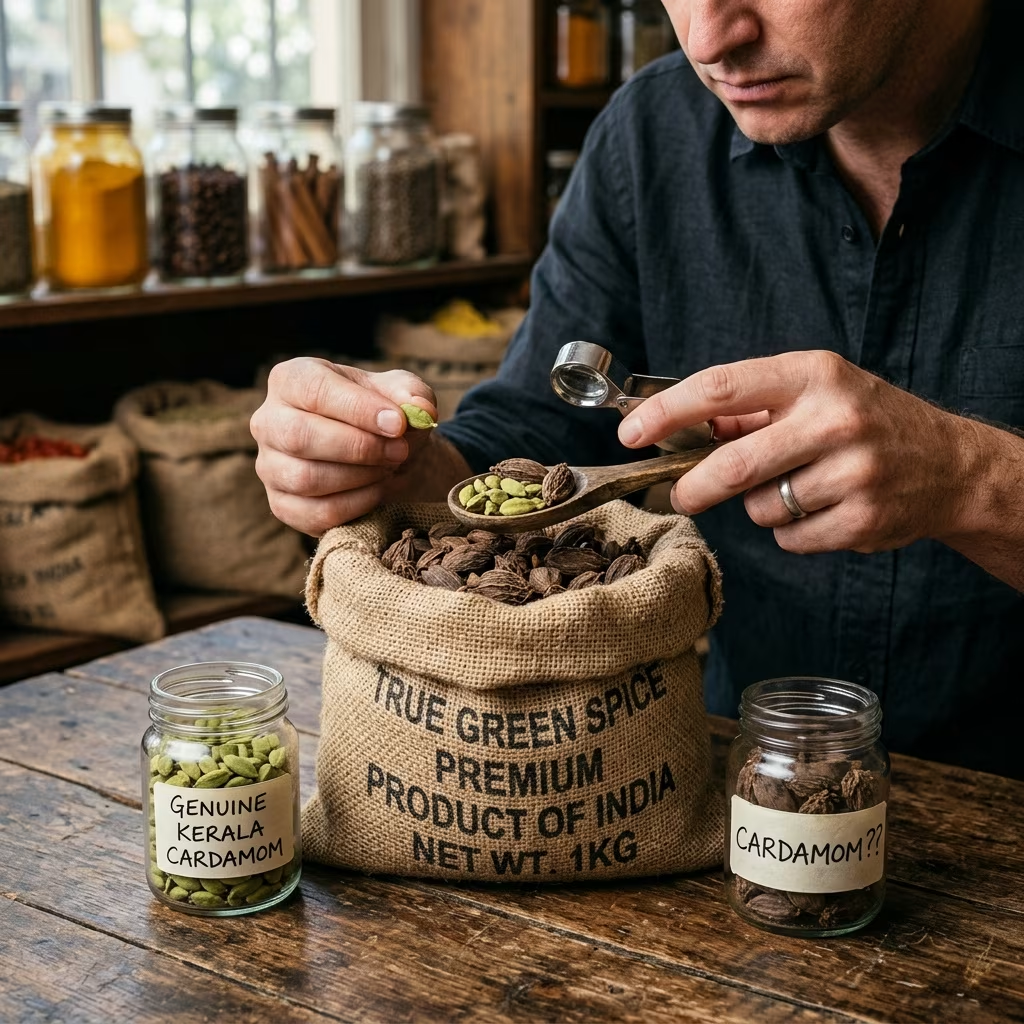
While true cardamom produces the seed pods essential to Indian and Middle Eastern cuisine, false cardamom’s leaves can impart subtle fragrance to dishes and drinks. Both plants have a place in the kitchen—just not always in the way you’d expect!
- Use false cardamom leaves to infuse syrups, teas, and rice dishes.
- Use true cardamom pods when available, adding to curries, teas, and baked goods for their unique spicy-sweet flavor.
Plant Identification Guide
| Identification Criterion | True Cardamom | False Cardamom |
|---|---|---|
| Genus/Species | Elettaria cardamomum | Alpinia nutans |
| Common Flower Location | Near soil | Stem tips |
| Typical Leaf Smell | Neutral | Fragrant |
| Culinary Seeds | Aromatic, edible | Not harvested |
| Best Use | Culinary spice | Ornamental, aromatic foliage |
Final Thoughts: Embracing the Botanical Caper
While the accidental cultivation of cardamom impostors might frustrate purists, it has also led to a newfound appreciation for the diversity within the ginger family. Both true and false cardamom have essential roles in the garden and kitchen—if you know what to expect. As plant enthusiasts, gardeners, and spice lovers, we can celebrate the beauty of botanical discovery while sharpening our identification skills for the future.
Frequently Asked Questions (FAQs)
Q: Can false cardamom be used like true cardamom?
A: Only the leaves of false cardamom are useful for their scent; they cannot substitute true cardamom pods in recipes.
Q: Where is true cardamom commercially grown?
A: Major production takes place in India, Sri Lanka, and parts of Southeast Asia.
Q: How long does it take for cardamom plants to flower and seed?
A: True cardamom grown in ideal conditions may take several years to flower and may still fail to set seed outside the tropics.
Q: What’s the best way to enjoy cardamom flavor at home?
A: Buy authentic pods for cooking and use fragrant leaves of false cardamom to enhance teas and syrups.
Tips for Gardeners
- Buy plants from regionally specialized vendors with transparent botanical sourcing.
- Observe plant groups over several seasons—especially during flowering stage—to confirm identity.
- Embrace the mystery: Whether true or false, cardamom relatives bring beauty and interest to indoor and outdoor gardens.
References
- https://www.gardenista.com/posts/great-cardamom-caper-got-duped-impostor/
- https://www.gardenista.com/posts/garden-on-the-move/
- https://gardenandgun.com/articles/vivian-howard-has-impostor-syndrome/
- https://www.gardenista.com/tag/tropical-plants/
- https://www.gardenista.com/tag/houseplants/
- https://www.gardenista.com/garden-design-101/tropical-plants/
- https://www.gardenista.com/posts/diy-rose-cardamom-and-ginger-body-soak-marble-and-milkweed/