Why Is My Lemon Cypress Tree Dying?
The cheerful lemon cypress tree (Cupressus macrocarpa ‘Goldcrest’) enlivens homes and gardens with its chartreuse foliage and fresh citrus fragrance. But, when once-lush branches start to brown or entire trees appear to decline, immediate action is needed to diagnose the root problem and restore plant health. Understanding the varied causes—from water stress to pests—empowers gardeners to save these captivating conifers and enjoy their beauty for years to come.
About the Lemon Cypress Tree
The lemon cypress is a popular choice for tabletops, patios, and landscaping due to its bright color, tidy shape, and distinctive lemony scent. Typically sold as a miniature tree for indoor decor, it can grow robustly outdoors up to 16 feet tall in suitable climates (USDA zones 7–10). Mature trees form a narrow pyramid shape and require minimal ongoing maintenance, but their health can swiftly decline if cultural requirements are not met.
Common Signs of a Dying Lemon Cypress
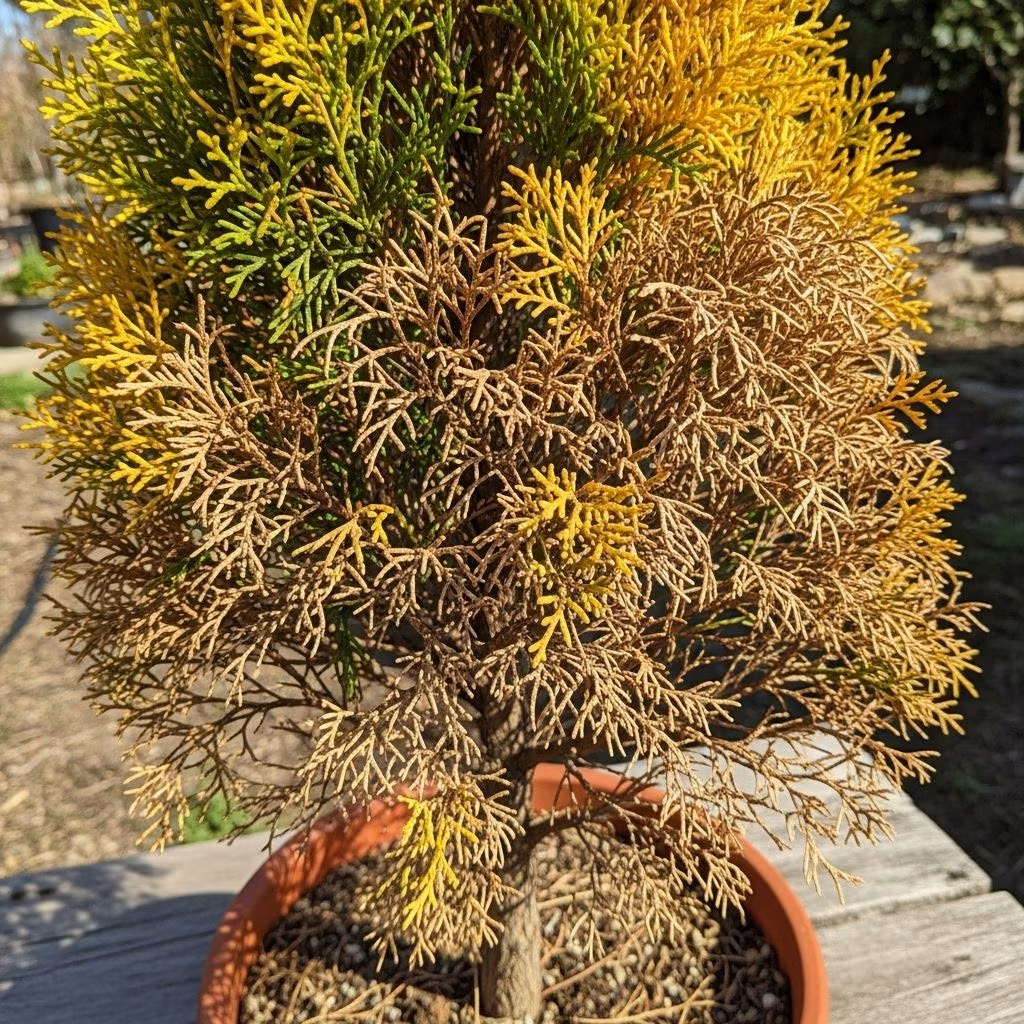
- Browning needles or foliage (entire branches or just tips)
- Needle or leaf drop
- Wilting, dry, or crispy textures throughout the canopy
- Root rot symptoms: foul smell, blackened mushy roots, collapsing trunk
- Stunted growth and faded coloration
- Pest presence: webbing, tiny insects, or sticky honeydew on leaves
Main Causes of Lemon Cypress Decline
To effectively revive your plant, begin with an accurate diagnosis. The leading causes are outlined below, along with associated symptoms and proven remedies.
1. Watering Mistakes: Overwatering and Underwatering
Lemon cypress trees are sensitive to moisture fluctuations—too little water leads to scorched, dry tips and premature needle drop. Too much water suffocates the roots, inviting root rot and fungal pathogens.
- Overwatering signs: Soft, brown, or blackened needles; soggy soil; foul odor at the roots. Severe cases present with wilting branches despite damp substrate.
- Underwatering signs: Brittle, crispy foliage; widespread browning; pot or soil bone-dry to the touch.
Solution: Water only when the top 1–2 inches of soil are dry to the touch. Allow excess water to drain freely and never let the pot or garden area stay soggy for extended periods. Use pots with drainage holes and a well-draining potting mix. Drench thoroughly during watering, then allow the plant to drain completely before returning it to its display position.
2. Poor Drainage and Root Rot
Root rot is often fatal if not caught early. It occurs when roots are left in standing water, often due to poorly draining soil, lack of drainage holes, or excessive watering.
- Symptoms: Sudden browning, wilting, or collapse; musty or sour odor; blackened, mushy roots when inspected.
Solution: Immediately remove the plant from its pot or garden bed. Inspect and trim off all brown or mushy roots using sterilized pruners. Repot into fresh, dry, well-draining soil and a container with adequate drainage. Reduce watering frequency until the plant recovers and new growth emerges.
3. Incorrect Light Levels
Lemon cypress requires plenty of bright light to maintain healthy, vivid foliage and compact growth.
- Insufficient light: Faded, leggy, and sparse growth. The plant may drop needles and turn sickly over time.
- Excessive intense sunlight: Bleached, scorched tips or sunburn on exposed branches, especially if the plant is moved outdoors abruptly.
Solution: Indoors, place your tree in a south or west-facing window that provides at least 6–8 hours of direct light daily. Outdoors, lemon cypress thrives in full sun, but acclimate plants slowly to prevent sunburn. During winter, supplement with grow lights if indoor sunlight is insufficient.
4. Temperature and Humidity Problems
- Cold drafts or excessive heat: Lemon cypress prefers cool settings (50–70°F / 10–21°C). Sudden temperature swings or hot, dry air can stress the plant, resulting in needle drop or leaf browning.
- Low humidity: Dry indoor air, especially in winter, leads to browning tips.
Solution: Keep plants away from vents, heaters, or drafty windows. Maintain moderate humidity by misting the foliage weekly or using a humidity tray. Avoid abrupt temperature changes.
5. Incorrect Pruning Practices
Lemon cypress tolerates shaping and pruning, but improper cuts or excessive trimming leads to brown tips and unsightly patches.
- Brown edges after pruning: It’s normal for cut branch tips to brown temporarily; new growth should eventually hide these areas.
- Over-pruning: Removes essential foliage, weakens plant and encourages stress-related decline.
Solution: Always use sharp, clean pruners and prune sparingly, focusing on light shaping or removing deadwood. Prune in active growth season (spring/summer) for best recovery.
6. Nutrient Deficiencies and Fertilizer Problems
- Lack of nutrients: Causes pale growth, sluggish recovery, and overall loss of vigor.
- Over-fertilization: Brown leaf tips, burning, and potential root damage.
Solution: Feed monthly during active growth with a half-strength, balanced liquid fertilizer. Withhold fertilizer in winter and avoid applying to dry soil. Signs of fertilizer burn require leaching the soil with plain water and holding off on feeding until recovery.
7. Pest and Disease Attacks
- Common pests: Spider mites, aphids, and scale insects—symptoms include speckling, sticky honeydew, fine webbing, and stunted growth.
- Diseases: Root rot from pathogens in damp soils; rarely, needle blight or cankers may develop.
Solution: Remove and destroy visibly infested sections. Rinse foliage under a strong spray to dislodge pests, or wipe with a mild soapy solution. For severe cases, use horticultural oil or an approved insecticidal soap. Keep leaves dry when possible to prevent fungal diseases, and always remove debris from the soil surface. Improve air circulation and avoid overhead watering.
How to Revive a Dying Lemon Cypress
A swift response can often save a declining lemon cypress. Use the steps below based on your diagnosis:
- Check the soil moisture and drainage. Amend or repot if waterlogged; establish a consistent watering routine to avoid future extremes.
- Inspect roots and trim away any black, mushy, or foul-smelling portions. Repot into fresh, clean potting mix.
- Increase light exposure and make environmental adjustments for temperature and humidity as needed.
- Prune away dead or heavily damaged branches, limiting removal to less than one-third of the canopy at a time.
- Address pest or disease issues promptly using non-toxic treatments and improve plant hygiene.
- Resume careful fertilization only after plant shows new growth and vigor.
Prevention: Keeping Your Lemon Cypress Healthy Year-Round
Proactive, attentive care translates to vibrant, thriving lemon cypress trees.
- Location: Place in bright, direct light (outdoors) or the sunniest window available (indoors). Rotate indoor containers weekly for uniform growth.
- Watering: Maintain evenly moist soil. Avoid allowing roots to dry out completely or stand in excess water.
- Soil: Use well-draining potting mix suited for conifers. Refresh soil every 1–2 years, and repot as root systems outgrow containers.
- Feeding: Fertilize monthly with diluted balanced fertilizer in the active growth season. Skip feeding during fall and winter dormancy.
- Pruning: Prune lightly for shape in spring or early summer; always sanitize your tools beforehand.
- Pest management: Monitor for insects and disease. Act quickly to treat and isolate affected plants when necessary.
- Seasonal transitions: Gradually acclimate potted trees when moving them between indoor and outdoor locations.
- Mulching: Apply a thin layer of mulch or decorative pebbles to conserve moisture, regulate temperature, and keep roots cool.
Lemon Cypress Comparison Table: Indoor vs. Outdoor Care
| Criteria | Indoor Lemon Cypress | Outdoor Lemon Cypress |
|---|---|---|
| Light | 6–8 hours bright, direct sunlight (window/grow light) | Full sun, partial sun if in extreme heat |
| Watering | Even moisture; don’t let soil dry out completely | Water twice weekly first season; as needed afterward |
| Temperature | 50–70°F (10–21°C) | Hardy in zones 7–10 (protect from frost in colder zones) |
| Humidity | Moderate to high (regular misting) | Natural outdoor humidity usually sufficient |
| Fertilization | Balanced, half-strength liquid fertilizer monthly (growing season) | Apply slow-release fertilizer in early spring |
| Pruning | Light shaping in spring/summer | Light pruning or removal of deadwood as needed |
Lemon Cypress Seasonal Care Tips
- Spring: Repot if needed, feed with balanced fertilizer, start increasing irrigation for outdoor trees. Prune for shape.
- Summer: Watch for heat and water stress; increase humidity indoors if air is dry.
- Autumn: Reduce feeding, prepare to bring pots indoors in colder regions, monitor for pest outbreaks.
- Winter: Maintain cool temperatures indoors (preferably low 60’s °F), reduce watering, avoid drafty locations, and occasionally mist for humidity.
Frequently Asked Questions (FAQs)
Q: Why are the tips of my lemon cypress turning brown?
A: Browning tips may result from underwatering, overwatering, pruning cuts, or low humidity. Brown edging after trimming is normal and will be concealed as new growth emerges. Sustain even soil moisture and moderate humidity.
Q: How often should I water my lemon cypress?
A: Water when the top 1–2 inches of soil feel dry. Don’t let the soil dry out completely, but also never let it remain soggy. Adjust frequency seasonally and monitor pot drainage.
Q: Can my dying lemon cypress be saved?
A: If the roots are not completely rotted, most trees recover with prompt intervention—removing damaged roots, improving drainage and light, and providing attentive care can restore vigor.
Q: Can I keep lemon cypress indoors year-round?
A: Yes, but indoor trees must have ample sunlight (6–8 hours a day) and cooler temperatures during winter. Rotate the plant for even growth. Dry indoor air requires regular misting or humidity trays.
Q: What soil is best for lemon cypress?
A: Use a well-draining mix formulated for conifers or container evergreens. Amend heavy or compacted soils with sand or perlite for improved drainage.
Conclusion
Lemon cypress trees are both decorative and rewarding, but quick intervention is essential when signs of decline appear. By understanding their specific needs and responding to early stress signals—whether water-related, environmental, or due to pests—you can restore their bright color and citrus scent for continual enjoyment indoors or outdoors.
References
- https://www.livelyroot.com/pages/cypress-care-guide
- https://www.hortygirl.com/plant-care/the-best-way-to-enjoy-fresh-lemon-smell-all-year-lemon-cypress-tree-care-tips/
- https://www.williams-sonoma.com/netstorage/pdf/4612367-4613191-4310403-4612334-4612391-4610387-4610270-4610320-4613233-Lemon-Cypress-Care-Sheet-11-07-16.pdf
- https://adamsfarms.com/gardentips/caring-for-lemon-cypress/
- https://cerbogreenhouse.com/product/lemon-cypress-4/