


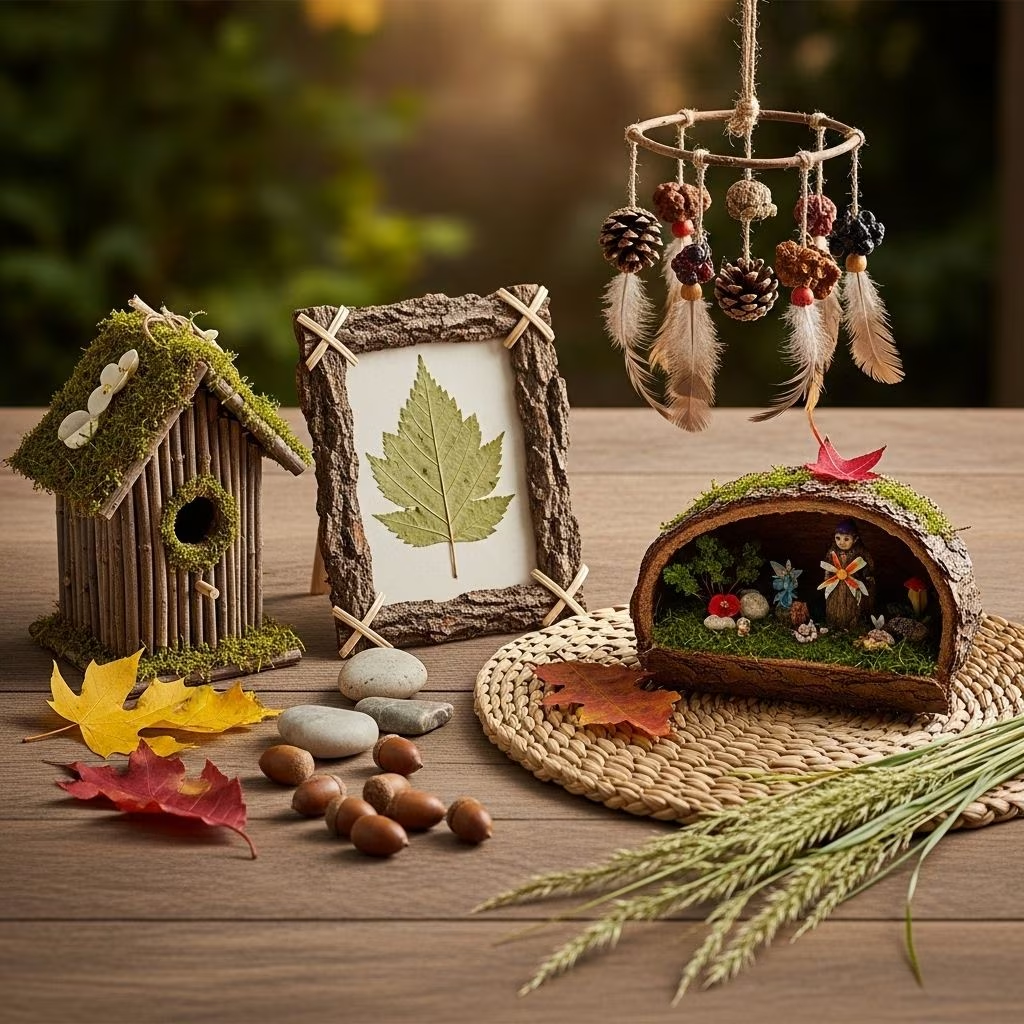
Nature provides an endless treasure trove of materials perfect for crafting, and the best part is that these materials are completely free and waiting to be discovered right outside your door. From pinecones and seed pods to leaves and twigs, found natural materials offer unique textures, colors, and shapes that can transform simple craft projects into stunning works of art. Whether you’re looking for a fun activity to do with children, seeking a therapeutic creative outlet, or wanting to create eco-friendly decorations for your home, nature crafts using found materials provide the perfect solution.
Crafting with natural objects connects us to the environment while developing creativity and fine motor skills. The therapeutic benefits of handling natural materials and spending time creating with items from nature have been well documented, making these activities ideal for people of all ages. Plus, nature crafts are budget-friendly, sustainable, and allow you to create one-of-a-kind pieces that celebrate the beauty of the natural world.
Benefits of Crafting with Found Natural Materials
Before diving into specific projects, it’s worth understanding why nature crafts are so valuable. Working with found materials offers multiple benefits that extend beyond simple artistic expression. These activities provide sensory stimulation through handling various textures, shapes, and sizes of natural objects. The meditative process of arranging seeds, leaves, and other materials into patterns promotes relaxation and mindfulness.
For children, nature crafts strengthen fine motor skills, encourage outdoor exploration, and foster an appreciation for the environment. Adults find that creating with natural materials offers a therapeutic escape from digital screens and daily stress. Additionally, using found materials is an excellent way to practice sustainability and reduce waste while creating beautiful, unique items for your home.
Essential Materials to Collect
Before starting your nature craft journey, you’ll want to gather a variety of materials during outdoor excursions. Common natural items perfect for crafting include pinecones, seed pods, acorns, twigs, leaves, flowers, grasses, shells, stones, and feathers. Each material offers unique possibilities and can be used fresh or dried depending on your project.
When collecting materials, always practice responsible foraging. Take only what you need, avoid protected areas, and never remove living parts from plants unless absolutely necessary. Store your collected materials in containers or bags, and allow wet items to dry completely before crafting to prevent mold. Building a collection of natural materials throughout the seasons ensures you’ll always have supplies ready for spontaneous creative sessions.
1. Pinecone Animals and Creatures
Pinecones make excellent bodies for creating adorable animal figures. To craft a pinecone dinosaur, start by finding a large pinecone for the body and gather additional materials like seed pods for the head, acorns for eyes, and sticks for legs and tails. Using a low-melt glue gun, attach a seed pod head to the pinecone body, then add acorn eyes with their caps still attached. Break smaller seed pods in half and arrange them along the spine for dramatic scales, attach four legs made from small sticks or acorns, and finish with a stick tail.
This same technique works for creating other creatures like owls, hedgehogs, or birds. The natural texture of pinecones provides instant character, and children love watching their creations come to life. These pinecone animals also make charming seasonal decorations that can be displayed year-round.
2. Nature Mandalas and Patterns
Creating mandalas with natural materials is a deeply therapeutic activity that produces stunning temporary or permanent art. Collect an assortment of seeds, pods, petals, leaves, and small stones in various colors and sizes. The meditative process of arranging these objects into symmetrical, circular patterns provides wonderful relaxation benefits.
You can create nature mandalas directly on the ground outdoors as ephemeral art, or arrange them on paper or cardboard with glue to preserve your design. Start from the center and work outward in concentric circles, alternating materials and colors to create visual interest. This craft is perfect for all ages and abilities, as there’s no wrong way to create a mandala. The simple act of handling diverse natural materials offers multiple sensory benefits while the arranging process encourages mindfulness and focus.
3. Twig Christmas Trees
A twig Christmas tree is an incredibly simple yet charming holiday craft that requires minimal materials and skills. Collect twigs of varying lengths, from long to short, and a popsicle stick or flat piece of wood for the trunk. While you could use a larger twig as the trunk, the flat surface of a popsicle stick makes attaching branches much easier.
Arrange the twigs from longest at the bottom to shortest at the top to create a triangular tree shape. Use craft glue or a glue gun to attach each twig to the trunk, spacing them evenly. Add a star on top using a seed pod, small pinecone, or shaped twig. You can leave the tree natural or decorate it with small berries, painted seed pods, or tiny ornaments. Attach a string loop to the back if you want to hang your creation, making it a perfect handmade ornament or gift.
4. Pressed Flower Art and Crafts
Pressed flowers preserve the delicate beauty of blooms and can be used in numerous craft applications. To press flowers, place fresh blooms between sheets of absorbent paper inside heavy books, checking after a few weeks until completely dry and flat. Once pressed, these flowers become versatile crafting materials.
Create pressed flower collages by arranging dried flowers on paper or cardstock with glue, forming pictures, patterns, or abstract designs. Use pressed flowers to decorate homemade cards, bookmarks, or framed artwork. You can also embed them in clear resin to make jewelry, coasters, or paperweights. For a simple project perfect for all ages, create a fresh flower collage by gluing just-picked flowers and petals onto paper in any design you like, enjoying the process even though the colors will fade over time.
5. Natural Christmas Angels
These charming little angels combine multiple natural materials into delightful holiday decorations. For each angel, you’ll need a large gumnut or seed pod for the body, an acorn or smaller seed pod for the head, an acorn cap for the hat, and bow-tie pasta or small twigs for wings. Small plastic eyes or painted dots complete the face.
Using a low-melt glue gun, attach the head to the body, then add the acorn cap as a hat. Glue pasta wings or small crossed twigs to the back of the body. Add eyes and any other decorative touches you desire. These angels can be left natural or painted with metallic colors for extra sparkle. Attach a string loop to hang them on your Christmas tree or display them as part of a holiday centerpiece. The combination of different textures and shapes makes each angel unique and full of personality.
6. Seed Pod and Twig Reindeer
Creating a reindeer from natural materials is a fun holiday craft that’s easy enough for children yet charming enough for adult crafters to enjoy. Start with a large seed pod or gumnut for the body and a smaller elongated pod for the head. Collect small sticks for legs and antlers, and find a tiny cap or berry for the nose.
Glue the head to the body using a low-melt glue gun, then attach four stick legs underneath the body. Add branching twigs as antlers on top of the head, positioning them to create the characteristic reindeer look. Glue on small plastic eyes or paint dots for eyes, and finish with a red-painted nose. These little reindeer can stand on their own or be attached to gift packages, wreaths, or holiday displays. Making several in different sizes creates an adorable reindeer family.
7. Moss Terrariums and Centerpieces
Moss is an incredibly versatile natural material that adds lush, green beauty to indoor displays. You can collect moss yourself from areas where it grows abundantly or purchase preserved moss for convenience. Moss terrariums create miniature ecosystems in glass containers, while moss centerpieces bring natural elegance to tables and shelves.
To create a simple moss terrarium, layer small pebbles for drainage in a clear glass container, add a thin layer of activated charcoal if available, then place potting soil on top. Arrange pieces of living moss on the soil, adding small stones, twigs, or miniature figurines to create a scene. Mist lightly with water and place in indirect light. For preserved moss centerpieces, simply arrange moss pieces in decorative bowls or on wooden bases, combining them with candles, pinecones, or seasonal decorations. Moss crafts bring the calming presence of nature indoors year-round.
8. Natural Wreaths and Wall Hangings
Creating wreaths and wall hangings from found natural materials allows you to celebrate seasonal changes while decorating your home. For a basic nature wreath, form a circle from flexible branches or use a premade wreath base, then attach collected materials using wire or a glue gun. Pinecone wreaths have a classic appeal, whether left natural or painted white for a winter wonderland effect.
For a rustic branch and pinecone wall hanging, bind several sticks together horizontally using twine, creating a ladder-like structure. Attach pinecones, dried flowers, seed pods, and other natural items to the sticks using string or wire. Add a cord at the top for hanging. These wall swags work beautifully above mantels, on doors, or as focal points in nature-themed rooms. You can customize colors and materials to match any season or holiday, making them versatile decorations that showcase your foraging finds.
9. Shell and Stone Crafts
Shells and stones collected from beaches, rivers, or hiking trails offer smooth surfaces perfect for painting, stacking, or arranging into art. Painted stones can become paperweights, garden markers, story stones for children, or decorative pieces when painted with inspirational words or designs. Use acrylic paints and seal with a clear coating for durability.
Create shell medallions by selecting attractive shells and turning them into wearable art or hanging decorations. Drill small holes near the edges and string them with cord or attach them to bases for necklaces and wind chimes. Stone cairns or balanced rock sculptures make meditative crafts that also serve as garden or indoor decorations. For children, creating sandcastle jars brings beach memories home by layering different colors of sand with small shells in clear containers.
10. Leaf Printing and Nature Journals
Leaves offer incredible variety in shape, size, and vein patterns, making them perfect for printing and journaling activities. To create leaf prints, paint one side of a fresh leaf with acrylic or tempera paint, then press it firmly onto paper or fabric. Carefully lift the leaf to reveal a detailed print showing all the leaf’s veins and texture. Experiment with different colors and leaf types to create artwork, greeting cards, or decorated fabric bags.
Nature journals combine found materials with observation and documentation. Encourage children and adults to collect specimens during outdoor walks, then glue them into journals alongside notes about where they were found, the date, weather conditions, and observations about the natural world. Pressed flowers, leaves, and even small twigs can be secured with tape or glue. Add sketches, paintings, or photographs to create a personalized record of nature experiences throughout the seasons. This practice develops scientific thinking, artistic skills, and deeper connections to the environment.
Tips for Successful Nature Crafting
To ensure your nature crafting experiences are enjoyable and successful, keep these important tips in mind. Always clean and dry natural materials before crafting to remove dirt, insects, and excess moisture. Bake pinecones on low heat to open them fully and eliminate any hidden bugs. Store dried materials in containers organized by type for easy access.
When working with children, supervise hot glue gun use carefully or opt for craft glue for younger kids. Low-melt glue guns reduce burn risk while still providing strong adhesion for most natural materials. Embrace imperfection in nature crafts – the unique characteristics of each twig, leaf, or seed pod contribute to the charm and individuality of your creations.
Consider preserving finished projects with clear spray sealant to protect them from dust and deterioration. However, remember that part of nature’s beauty lies in its temporary quality. Some crafts, like fresh flower collages or outdoor mandalas, are meant to be ephemeral art that teaches appreciation for fleeting beauty.
Making Nature Crafts Educational
Nature crafts offer excellent opportunities for learning beyond artistic skills. As you collect materials with children, discuss plant identification, animal habitats, seasonal changes, and ecological relationships. Talk about why certain materials appear at specific times of year and how plants use seeds and pods for reproduction.
Incorporate historical lessons by explaining how people throughout time have crafted with natural materials. In colonial times, settlers made candles from beeswax, dolls from grass and reeds, and quilts from natural fibers. Indigenous peoples worldwide have long traditions of basketry, pottery, and weaving using materials gathered from their environments. Understanding these historical connections helps children appreciate both nature and human creativity.
Use nature crafting as a springboard for scientific observation and documentation. Encourage students to measure, compare, and classify their collected materials. Have them hypothesize about why different seeds have different dispersal mechanisms or why certain trees produce specific types of cones. This integration of art and science creates rich, multi-dimensional learning experiences.
Sustainable and Responsible Collecting
While nature provides abundant crafting materials, it’s essential to collect responsibly to protect ecosystems. Follow the principle of taking only what you need and leaving plenty for wildlife and plant reproduction. Never remove bark from living trees or uproot entire plants. Focus on collecting materials that have already fallen naturally, such as shed pinecones, dropped leaves, and fallen branches.
Be aware of protected species and areas where collecting is prohibited. National parks and nature preserves often have strict rules against removing any natural materials. Research local regulations before collecting. Consider growing your own supply of certain materials, such as planting native flowers specifically for pressing or allowing areas of your yard to grow wild for twig and seed pod collection.
Teaching children respectful harvesting practices instills environmental stewardship values that last a lifetime. Explain how plants and animals depend on seeds, nuts, and other materials for survival. Discuss the concept of sustainable use and how we can enjoy nature’s gifts while ensuring plenty remains for other creatures and future growth.
Frequently Asked Questions
Q: What’s the best way to preserve natural materials for crafting?
A: Dry materials thoroughly before storing them in containers away from moisture. For pinecones, bake at low temperature (200°F) for an hour to open them fully and kill insects. Press flowers between absorbent paper in heavy books for 2-3 weeks. Store dried materials in labeled containers in a cool, dry place.
Q: Can young children safely participate in nature crafts?
A: Yes, with appropriate supervision and age-appropriate tools. Use craft glue instead of hot glue guns for very young children, provide safe scissors, and select non-toxic materials. Nature crafts are excellent for developing fine motor skills and creativity in children of all ages.
Q: How long do nature crafts typically last?
A: This varies by material and preservation method. Properly dried and sealed projects can last years, while fresh flower crafts are temporary. Most dried seed pod and pinecone crafts remain attractive for several seasons when kept indoors away from moisture and direct sunlight.
Q: What glue works best for attaching natural materials?
A: Low-melt hot glue guns provide the strongest, fastest bonds for most natural materials including wood, pinecones, and seed pods. For children’s projects or when working with delicate items, white craft glue (PVA) works well but requires longer drying time.
Q: Where can I find materials if I live in an urban area?
A: Urban parks, neighborhood trees, and even sidewalk strips provide surprising amounts of natural materials. Look for fallen pinecones, seed pods, and interesting leaves. You can also purchase natural materials like preserved moss, shells, and pinecones from craft stores if foraging isn’t possible.
Q: Can nature crafts be used as gifts?
A: Absolutely! Nature crafts make thoughtful, unique gifts. Consider creating holiday ornaments, decorative wreaths, pressed flower cards, or personalized nature journals. The handmade quality and natural materials make these gifts especially meaningful and eco-friendly.
Nature crafts using found materials offer endless possibilities for creativity, learning, and connection to the natural world. These ten projects represent just the beginning of what you can create with items discovered during outdoor adventures. Whether you’re crafting alone for relaxation, with children for educational fun, or preparing gifts and decorations, working with natural materials provides therapeutic benefits and produces unique, beautiful results. Start by taking a walk outside to see what treasures await, then let your creativity flourish as you transform simple pinecones, leaves, and twigs into extraordinary handmade creations that celebrate the beauty and abundance of nature.
References
- https://naturecraftsforkids.com/category/nature-craft/
- https://montessori-art.com/crafting-with-natural-found-objects-montessori/
- https://aprettyfix.com/creative-nature-crafts/
- https://www.youtube.com/watch?v=fAOh9zVjegE
- https://www.ecokidsart.com/17/
- https://www.plt.org/educator-tips/holiday-craft-ideas-natural-materials/


